Resources
Company News
Industry News
Knowledge Base
Project Cases
Innovation
Tinhy and University of Jinan Celebrate Six Years of Industry–University Collaboration
Empowering New Talent, Building the Future: Tinhy Successfully Conducts New Employee Orientation Training
Tinhy Conducts Comprehensive Emergency Drill to Strengthen Workplace Safety Defenses
Company Mid – Year Summary and Team – Building Activity Report
Is geomembrane a geotechnical engineering material?
What are the application scenarios of geomembrane?
What are the functions of geotextiles?
Cómo elegir geomembrana de hdpe en proyectos de ingeniería
How to choose hdpe geomembrane in engineering projects
¿Qué ancho elegir para geomembrana?
China’s Geotechnical Construction Materials Embrace New Opportunities
Tips for Moisture-Proof Storage of Geotextiles
Key Construction Points and Precautions for High-Density Polyethylene Geomembrane
what is pond lining material ?
What is geomembrane?
HDPE geomembrane construction plans and technical measures
What quality tests do HDPE geomembranes need to do?
Tinhy’s MDS® Drainage Solution
Installation Robots
Geofabric Suppliers: 9 Essential Factors to Choose the Right Partner for Your Project
Geotextile 150 GSM: Applications, Benefits, and How to Choose the Right Geotextile Fabric
Best Geomembrane for Mining: A Complete Guide to Choosing the Right Liner for Mining Projects
HDPE Geomembrane Sheet: The Complete Guide to Waterproofing, Containment, and Environmental Protection
What Is a Geosynthetic Clay Liner? Benefits, Applications, and Why Engineers Choose Film-Coated GCLs
What Is Nonwoven Fabric Geotextile? The Ultimate Guide to Filtration, Drainage, and Infrastructure Protection
HDPE Textured Liner: Why It Is the Best Choice for Slope Stability and Environmental Containment
HDPE Smooth Liner: 10 Powerful Reasons It Remains the Best Choice for Modern Containment Projects
Non Woven Geotextile for Drainage: Is It Better Than Woven Geotextile?
High Density Polyethylene Geomembrane: Why It Has Become the Industry Standard for Containment Systems
Should HDPE or PVC be used to install geomembrane in reservoirs?
What is the price of geomembrane?
Material characteristics of three different geomembranes
Esquema de construcción de geomembrana de HDPE y medidas técnicas
hdpe geomembrane pond liner in Congo (DRC)
How to lay and weld HDPE geomembrane?
HDPE geomembrane 0.2-4.0mm
HOME ABOUT PRODUCTS APPLICATION CONTENTUS RESOURCES
Home Resources Knowledge Base Geofabric Suppliers: 9 Essential Factors to Choose the Right Partner for Your Project

Geofabric Suppliers: 9 Essential Factors to Choose the Right Partner for Your Project

time:June 16, 2026 Views:7

Geofabric suppliers play a critical role in modern construction, environmental protection, transportation infrastructure, and water management projects. Whether you are building highways, railways, landfills, reservoirs, drainage systems, or erosion control structures, selecting the right geofabric supplier can directly impact project quality, durability, and long-term performance.

Geofabric, commonly referred to as geotextile fabric, is one of the most widely used geosynthetic materials worldwide. It serves multiple functions, including separation, filtration, drainage, reinforcement, and protection. However, not all suppliers offer the same product quality, manufacturing capabilities, technical support, or project experience.

For engineers, contractors, distributors, and project owners, choosing a reliable geofabric supplier is about more than finding the lowest price. It involves evaluating product quality, compliance standards, manufacturing capacity, delivery reliability, and technical expertise.

In this guide, we will explore what geofabric is, why it is essential in civil engineering, and the key factors to consider when selecting a geofabric supplier.

What Is Geofabric?

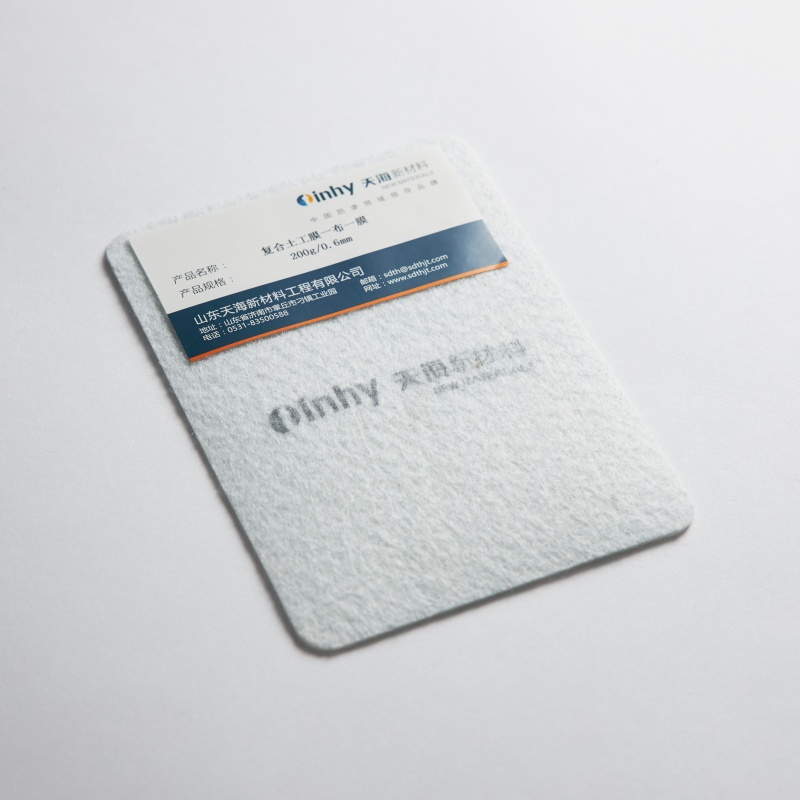
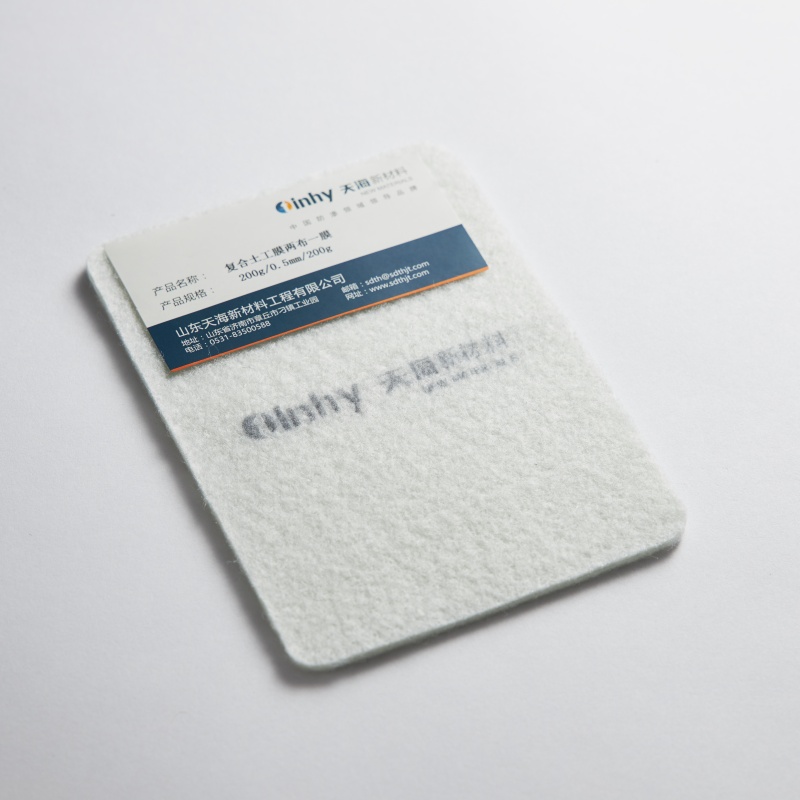
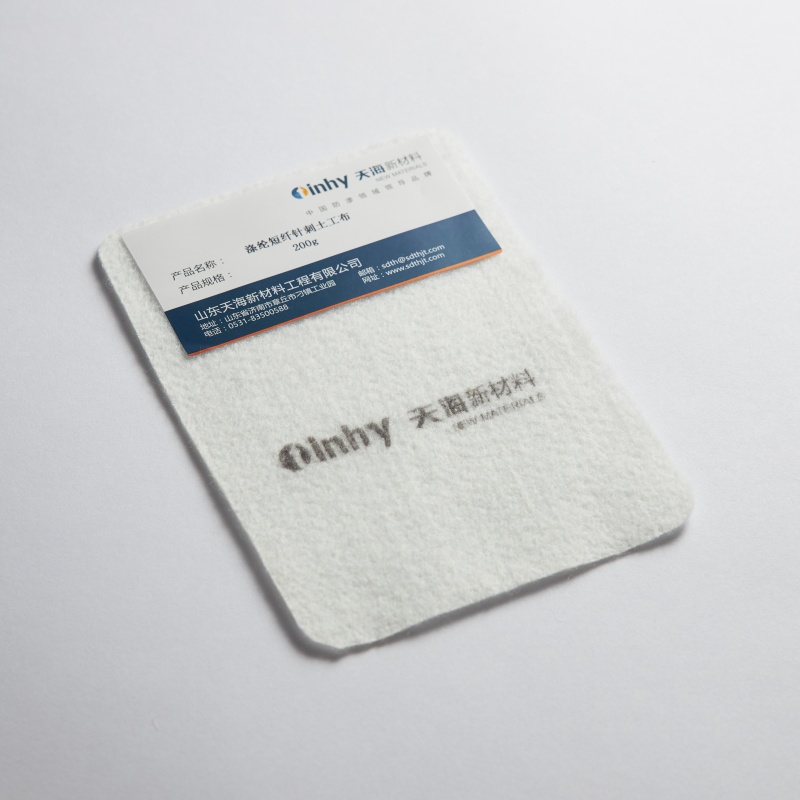
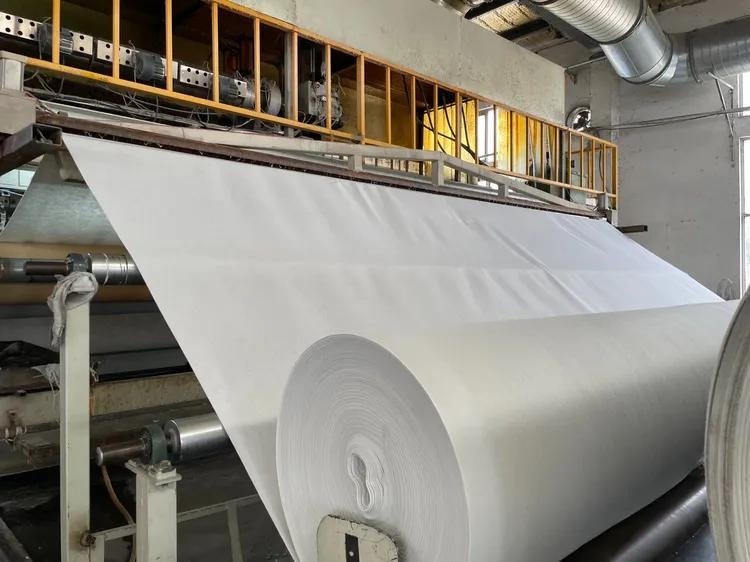
Geofabric is a permeable geosynthetic material manufactured from synthetic fibers such as polypropylene (PP) or polyester (PET). It is designed to improve soil performance and enhance the stability of civil engineering structures.

Depending on the manufacturing process, geofabrics are generally divided into two categories:

Nonwoven Geofabric

Nonwoven geofabric is produced through needle-punching or thermal bonding processes.

Key characteristics include:

  • Excellent permeability
  • Superior filtration performance
  • Effective drainage capability
  • High adaptability to uneven surfaces

Common applications include drainage systems, landfill protection, and erosion control projects.

Woven Geofabric

Woven geofabric is manufactured by weaving synthetic yarns together.

Advantages include:

  • Higher tensile strength
  • Improved load distribution
  • Better reinforcement performance

It is widely used in road construction, embankments, and soil stabilization projects.

Why Geofabric Is Important in Modern Infrastructure

Geofabric has become an essential material in civil engineering because it performs several critical functions simultaneously.

Separation

Geofabric prevents different soil layers from mixing.

For example:

  • Separating aggregate from soft subgrade soils
  • Maintaining pavement structure integrity
  • Reducing long-term settlement

Filtration

The fabric allows water to pass through while retaining soil particles.

This function is essential for:

  • Drainage systems
  • Retaining walls
  • Coastal structures
  • Landfill drainage layers

Drainage

Geofabric facilitates water movement within soil structures.

Applications include:

  • Highway drainage
  • Railway drainage
  • Foundation drainage
  • Agricultural drainage

Reinforcement

High-strength geofabrics improve soil bearing capacity and structural stability.

Protection

Geofabric is often used as a protective layer above geomembranes, helping prevent punctures and mechanical damage.

Industries That Depend on Geofabric Suppliers

Reliable geofabric suppliers serve a wide range of industries.

Transportation Infrastructure

Geofabric is commonly used in:

  • Highways
  • Railways
  • Airport runways
  • Access roads

The material improves load distribution and extends pavement life.

Water Conservation Projects

Applications include:

  • Reservoir lining systems
  • Canal construction
  • Dam protection
  • Irrigation systems

Environmental Protection

Geofabric is an important component in:

  • Landfills
  • Waste containment facilities
  • Wastewater treatment plants
  • Environmental remediation projects

Mining Industry

Mining projects use geofabric for:

  • Tailings storage facilities
  • Heap leach pads
  • Drainage systems
  • Geomembrane protection layers

Coastal Engineering

Applications include:

  • Shoreline protection
  • Erosion control
  • Riverbank stabilization
  • Coastal infrastructure

What Makes a Good Geofabric Supplier?

Not all suppliers offer the same level of service or product quality.

Below are the most important factors to evaluate.

1. Manufacturing Capability

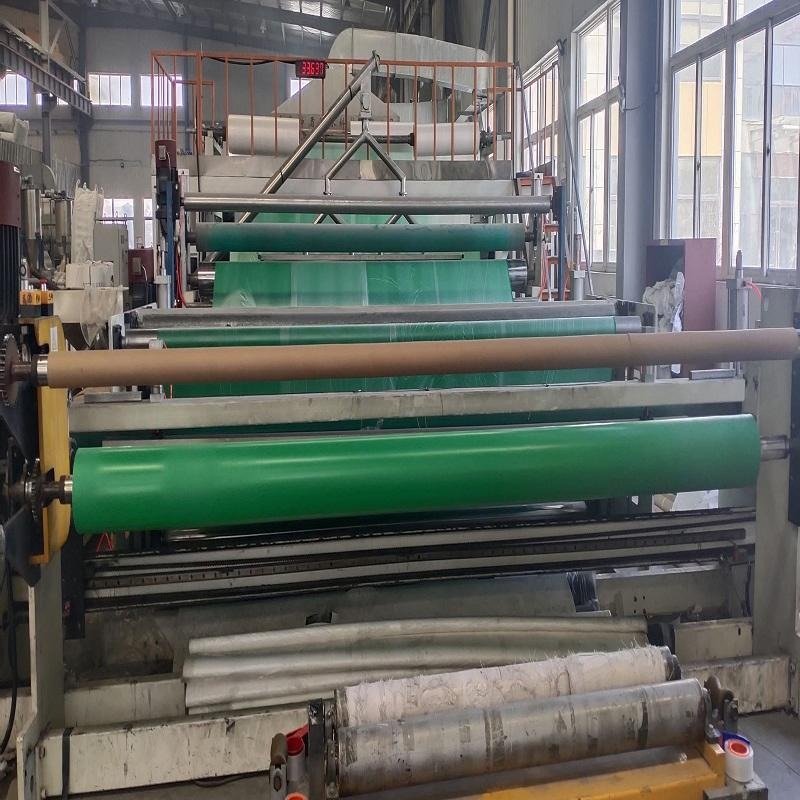
A professional geofabric supplier should have modern production facilities capable of manufacturing a wide range of geotextile products.

Key indicators include:

  • Advanced production lines
  • Large production capacity
  • Consistent product quality
  • Stable supply capability

Manufacturing capability becomes especially important for large infrastructure projects.

2. Product Range

The best geofabric suppliers offer multiple product options.

Common products include:

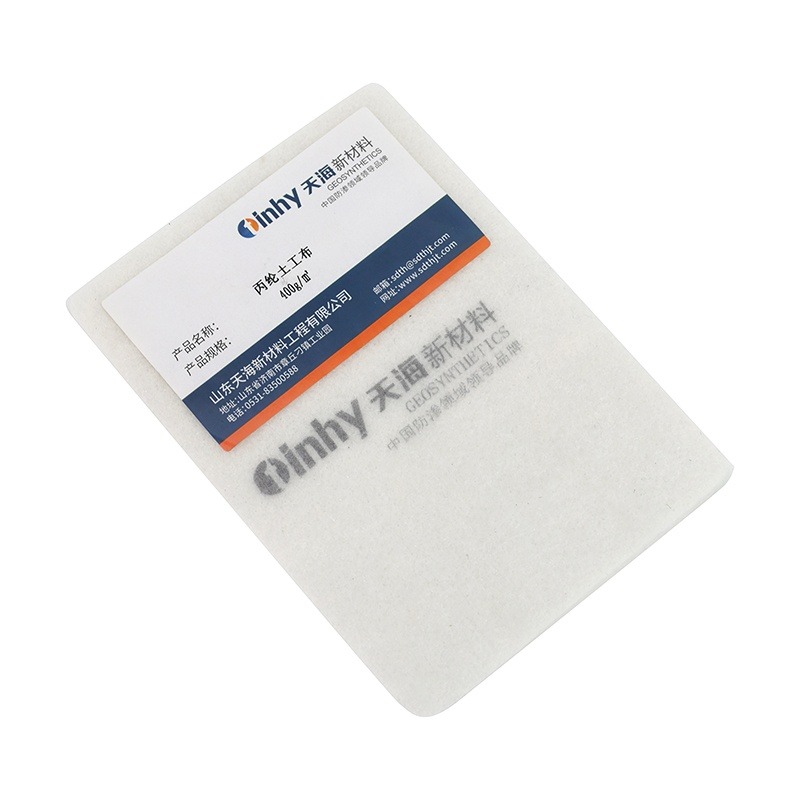
  • Nonwoven geotextiles
  • Woven geotextiles
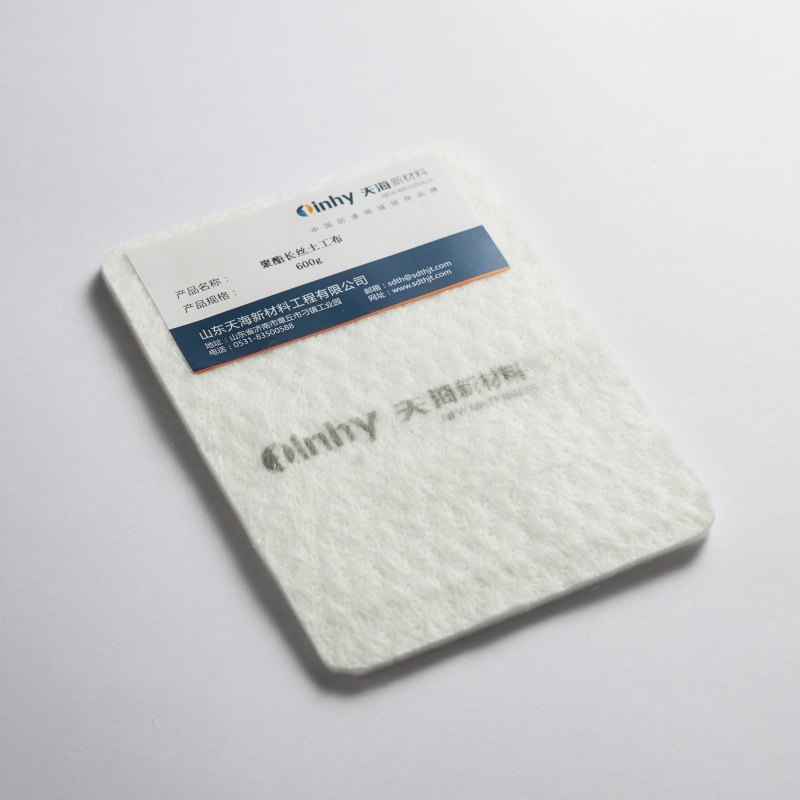
  • Continuous filament geotextiles
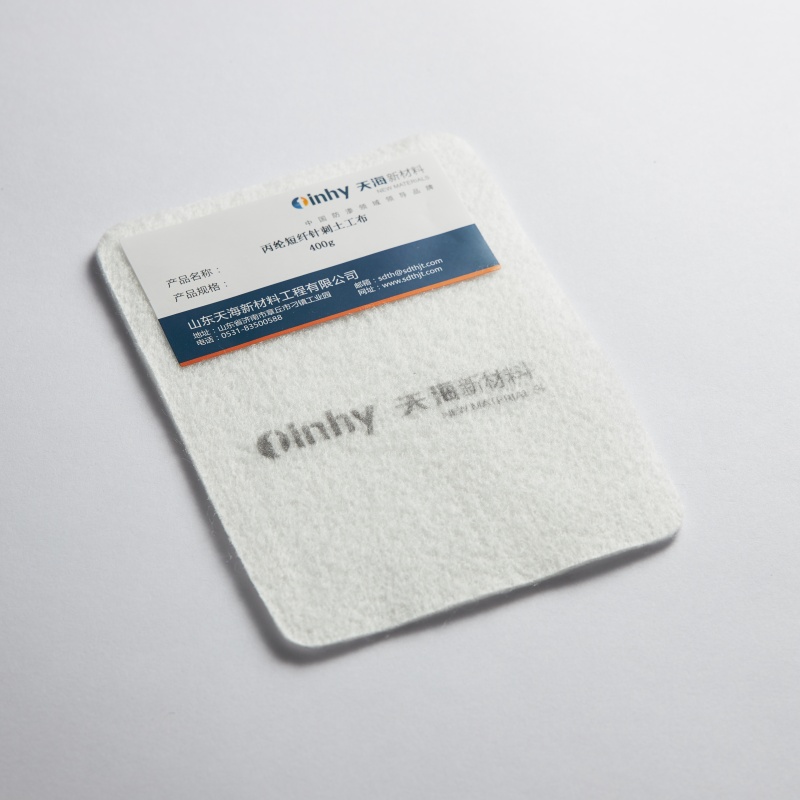
  • Staple fiber geotextiles
  • High-strength woven fabrics

A broad product portfolio allows suppliers to meet diverse project requirements.

3. Compliance with International Standards

Quality suppliers manufacture products according to recognized industry standards.

Examples include:

  • ASTM standards
  • ISO standards
  • CE requirements
  • National geosynthetic specifications

Compliance ensures consistent product performance and project reliability.

4. Quality Control Systems

Reliable geofabric suppliers implement strict quality management systems.

Important quality tests include:

  • Tensile strength testing
  • Elongation testing
  • Permeability testing
  • Puncture resistance testing
  • Mass per unit area verification

Quality control reduces project risks and improves long-term performance.

5. Technical Expertise

Experienced suppliers provide more than just products.

Technical support may include:

  • Product selection guidance
  • Design recommendations
  • Installation advice
  • Project-specific solutions

This expertise can help optimize project performance while reducing costs.

6. Project Experience

Suppliers with extensive project experience often understand the challenges associated with different applications.

Look for suppliers with successful references in:

  • Road construction
  • Landfill projects
  • Reservoir lining
  • Mining facilities
  • Drainage systems

Project experience is often a strong indicator of reliability.

7. Production Capacity and Delivery Reliability

Large infrastructure projects require consistent material supply.

Evaluate:

  • Monthly production capacity
  • Inventory levels
  • Export experience
  • Logistics capabilities

Reliable delivery schedules help prevent costly project delays.

8. Customization Options

Different projects require different specifications.

Professional geofabric suppliers should offer:

  • Custom roll widths
  • Custom roll lengths
  • Various fabric weights
  • Project-specific solutions

Customization helps ensure optimal performance.

9. After-Sales Service

The relationship with a supplier should not end after delivery.

Strong suppliers provide:

  • Technical documentation
  • Installation support
  • Product certification
  • Ongoing project assistance

This level of service adds significant value to large projects.

How to Compare Geofabric Suppliers

When evaluating potential suppliers, consider the following checklist:

Product Quality

Can the supplier provide quality test reports?

Manufacturing Experience

How long has the company been producing geosynthetics?

Project References

Have they supplied similar projects before?

Certifications

Do they maintain recognized quality management systems?

Technical Support

Can they assist with design and installation recommendations?

Delivery Capability

Can they meet project timelines consistently?

Answering these questions can help identify the most suitable supplier.

Why Work Directly with a Geofabric Manufacturer?

Many buyers prefer sourcing directly from manufacturers rather than trading companies.

Benefits include:

Competitive Pricing

Direct sourcing reduces intermediary costs.

Better Technical Communication

Manufacturers have direct access to engineering and production teams.

Custom Production

Factories can tailor products to project requirements.

Improved Quality Control

Working directly with manufacturers improves transparency and product traceability.

Frequently Asked Questions About Geofabric Suppliers

What do geofabric suppliers provide?

Geofabric suppliers provide geotextile materials used for separation, filtration, drainage, reinforcement, and protection in civil engineering projects.

How do I choose a reliable geofabric supplier?

Evaluate manufacturing capability, product quality, certifications, technical support, project experience, and delivery reliability.

What industries use geofabric?

Major industries include transportation, mining, environmental protection, water conservation, agriculture, and coastal engineering.

Are geofabric and geotextile the same?

In most markets, geofabric and geotextile are used interchangeably to describe permeable geosynthetic fabrics.

Why is quality important when selecting a geofabric supplier?

High-quality geofabric ensures better filtration, drainage, reinforcement, and long-term project performance.

Conclusion

Choosing the right geofabric supplier is essential for ensuring the success of civil engineering, environmental protection, transportation, and water management projects. While pricing is important, factors such as product quality, manufacturing capability, technical expertise, project experience, and delivery reliability should play a central role in supplier selection.

By partnering with an experienced geofabric supplier that offers high-quality products, comprehensive technical support, and proven project performance, engineers and contractors can achieve better construction outcomes, reduce maintenance costs, and improve the long-term sustainability of their projects.

Knowledge Base
Share:
info@tinhygeosynthetics.com Bai Jinxi
Consultation

    Get The Latest Product Prices

    Your inquiries are welcomed at any time and please feel free to contact us via email, phone calls, and online chatbox on our site.

    We will definitely give you a reply ASAP after we receive your messages.

      0/180