Resources
Company News
Industry News
Knowledge Base
Project Cases
Innovation
Tinhy and University of Jinan Celebrate Six Years of Industry–University Collaboration
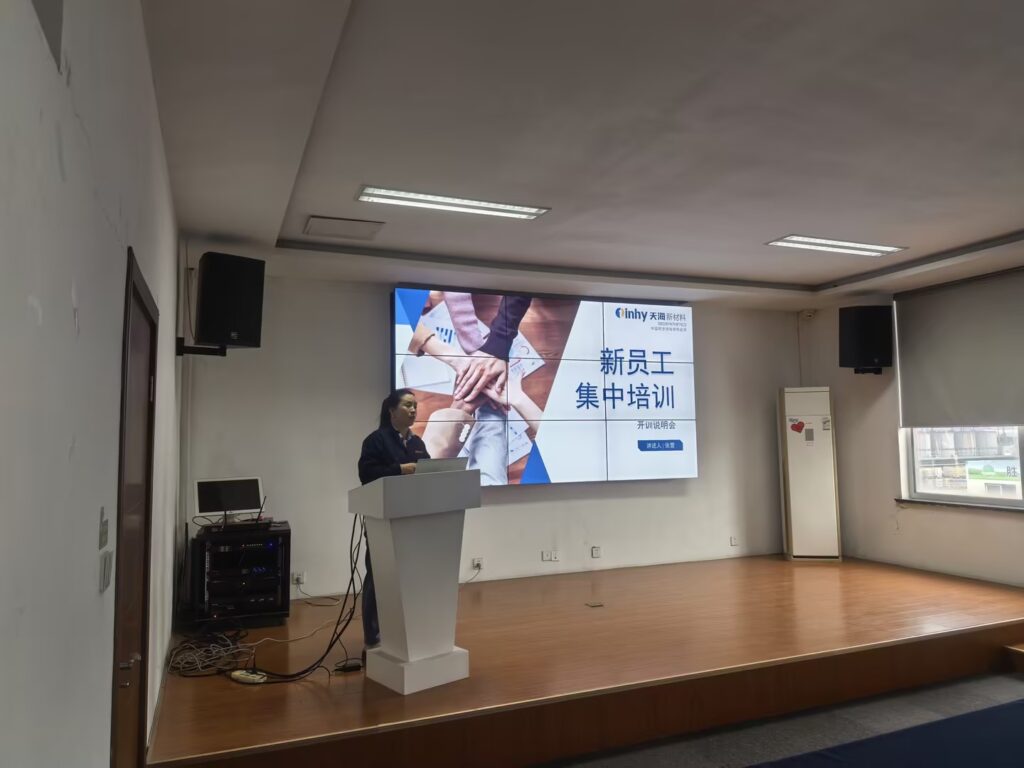
Empowering New Talent, Building the Future: Tinhy Successfully Conducts New Employee Orientation Training
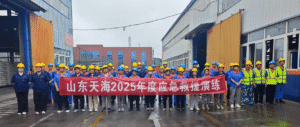
Tinhy Conducts Comprehensive Emergency Drill to Strengthen Workplace Safety Defenses
Company Mid – Year Summary and Team – Building Activity Report
Is geomembrane a geotechnical engineering material?
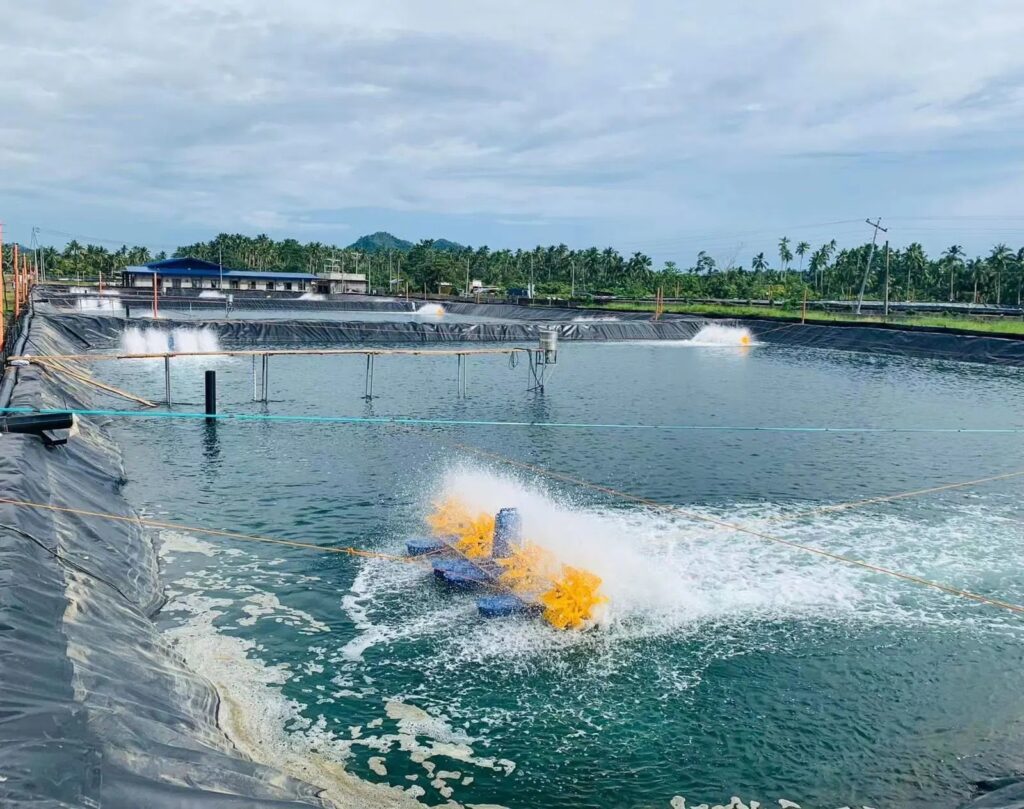
What are the application scenarios of geomembrane?
What are the functions of geotextiles?
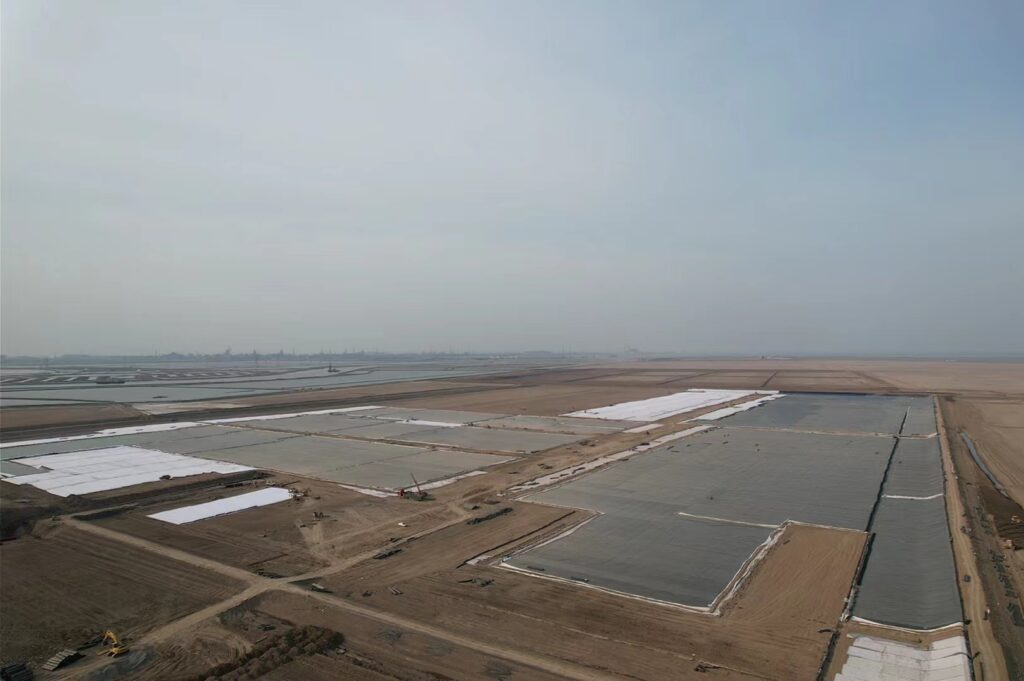
Cómo elegir geomembrana de hdpe en proyectos de ingeniería
How to choose hdpe geomembrane in engineering projects
¿Qué ancho elegir para geomembrana?
China’s Geotechnical Construction Materials Embrace New Opportunities
Tips for Moisture-Proof Storage of Geotextiles
Key Construction Points and Precautions for High-Density Polyethylene Geomembrane
what is pond lining material ?
What is geomembrane?
HDPE geomembrane construction plans and technical measures
What quality tests do HDPE geomembranes need to do?
Tinhy’s MDS® Drainage Solution
Installation Robots
30 Mil HDPE Liner: A Practical Guide for Containment, Pond, and Industrial Applications
Geofabric Suppliers: 9 Essential Factors to Choose the Right Partner for Your Project
Geotextile 150 GSM: Applications, Benefits, and How to Choose the Right Geotextile Fabric
Best Geomembrane for Mining: A Complete Guide to Choosing the Right Liner for Mining Projects
HDPE Geomembrane Sheet: The Complete Guide to Waterproofing, Containment, and Environmental Protection
What Is a Geosynthetic Clay Liner? Benefits, Applications, and Why Engineers Choose Film-Coated GCLs
What Is Nonwoven Fabric Geotextile? The Ultimate Guide to Filtration, Drainage, and Infrastructure Protection
HDPE Textured Liner: Why It Is the Best Choice for Slope Stability and Environmental Containment
HDPE Smooth Liner: 10 Powerful Reasons It Remains the Best Choice for Modern Containment Projects
Non Woven Geotextile for Drainage: Is It Better Than Woven Geotextile?
Should HDPE or PVC be used to install geomembrane in reservoirs?
What is the price of geomembrane?
Material characteristics of three different geomembranes
Esquema de construcción de geomembrana de HDPE y medidas técnicas
hdpe geomembrane pond liner in Congo (DRC)
How to lay and weld HDPE geomembrane?
HDPE geomembrane 0.2-4.0mm
HOME ABOUT PRODUCTS APPLICATION CONTENTUS RESOURCES
Home Resources Knowledge Base 30 Mil HDPE Liner: A Practical Guide for Containment, Pond, and Industrial Applications

30 Mil HDPE Liner: A Practical Guide for Containment, Pond, and Industrial Applications

time:June 17, 2026 Views:5

When choosing a reliable liner for water containment, waste management, aquaculture, agriculture, or industrial projects, one material often appears at the top of the list: the 30 mil hdpe liner. It offers a practical balance between durability, flexibility, cost efficiency, and chemical resistance, making it a popular option for many medium-duty containment applications.

A 30 mil hdpe liner is made from high-density polyethylene, commonly known as HDPE. The term “30 mil” refers to the thickness of the liner. One mil equals one-thousandth of an inch, so a 30 mil liner is 0.030 inches thick, or about 0.76 mm. While this may sound thin compared with rigid construction materials, HDPE geomembranes are engineered to provide strong impermeability and long-term environmental protection when properly selected and installed.

This article explains what a 30 mil hdpe liner is, where it is commonly used, what benefits it provides, how it compares with other liner thicknesses, and what buyers should consider before placing an order.

What Is a 30 Mil HDPE Liner?

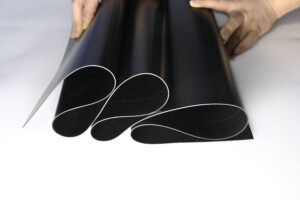
A 30 mil hdpe liner is a flexible geomembrane sheet manufactured from high-density polyethylene resin. It is designed to act as a waterproof and chemical-resistant barrier between liquids, solids, soil, and the surrounding environment. In many projects, the liner’s main purpose is to prevent seepage, leakage, contamination, or water loss.

HDPE is widely used in geomembrane production because it has strong resistance to chemicals, UV exposure, puncture, and environmental stress. A 30 mil thickness sits between lighter-duty liners, such as 20 mil products, and heavier-duty liners, such as 40 mil, 60 mil, or 80 mil geomembranes. This makes it a practical choice for projects that require better strength than thin plastic liners but do not need the maximum protection of heavy industrial liners.

For many buyers, the 30 mil hdpe liner is attractive because it is easier to handle than thicker geomembranes while still offering dependable containment performance. It can be used in a wide range of applications, from farm ponds and irrigation reservoirs to wastewater lagoons and secondary containment systems.

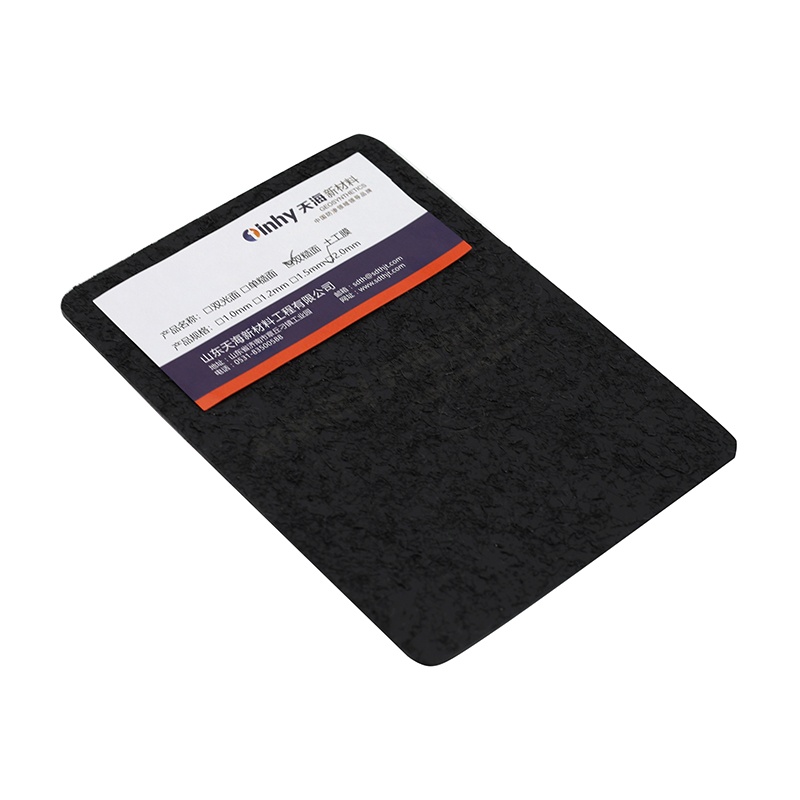
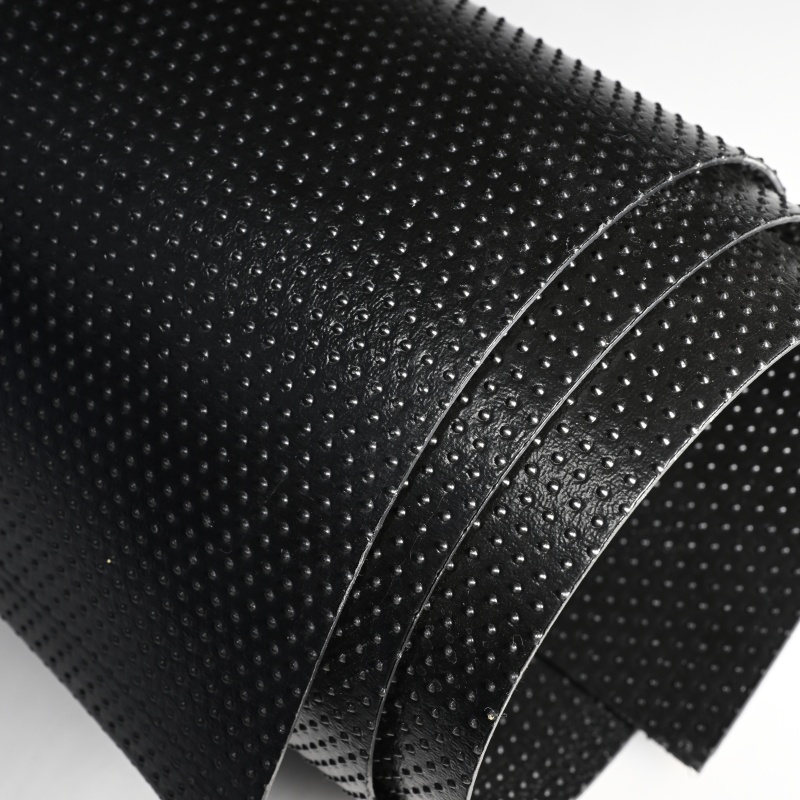
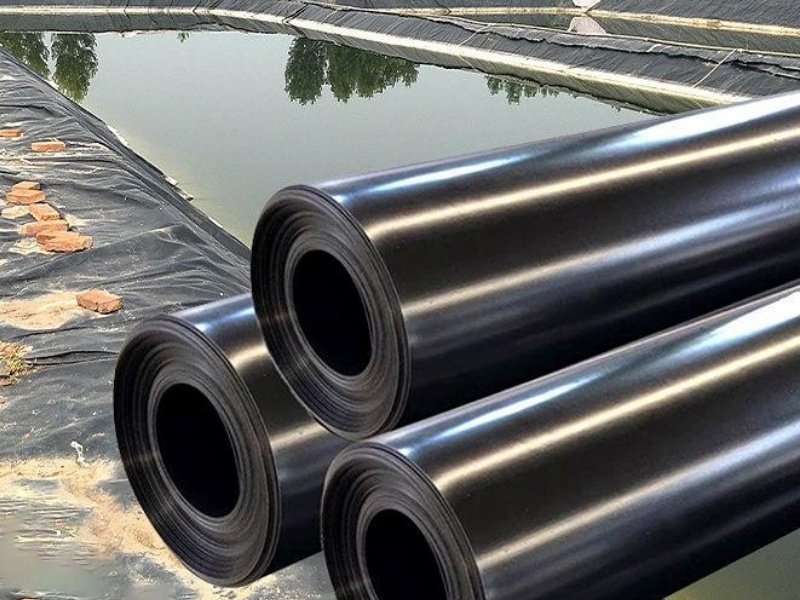
30 Mil HDPE Liner

30 Mil HDPE Liner

Key Benefits of a 30 Mil HDPE Liner

The first major benefit of a 30 mil hdpe liner is impermeability. In water containment and environmental protection projects, preventing leakage is usually the most important requirement. HDPE liners create a barrier that helps stop water, wastewater, chemicals, or other liquids from penetrating into the soil.

Another important advantage is chemical resistance. HDPE performs well against many acids, alkalis, salts, and industrial liquids. This makes it useful for wastewater treatment facilities, mining operations, chemical storage areas, and agricultural waste containment. For projects where the contained liquid may be corrosive or contaminated, HDPE is often preferred over ordinary plastic sheeting.

Durability is also a key reason why many engineers and contractors choose a 30 mil hdpe liner. HDPE has good tensile strength and puncture resistance compared with many lower-grade liner materials. Although it is not as thick as 60 mil or 80 mil geomembrane, a properly installed 30 mil liner can still provide strong protection for many moderate-risk projects.

UV resistance is another advantage, especially for outdoor applications. Many containment ponds, reservoirs, and lagoons are exposed to sunlight for long periods. A quality HDPE liner with proper carbon black content and stabilizers can resist sunlight degradation better than many alternative plastic liners.

Finally, a 30 mil hdpe liner offers good value. It is generally more affordable than thicker HDPE geomembranes while providing better strength than very thin liners. For buyers who need reliable performance without overspending on unnecessary thickness, 30 mil can be a cost-effective choice.

Common Applications of 30 Mil HDPE Liner

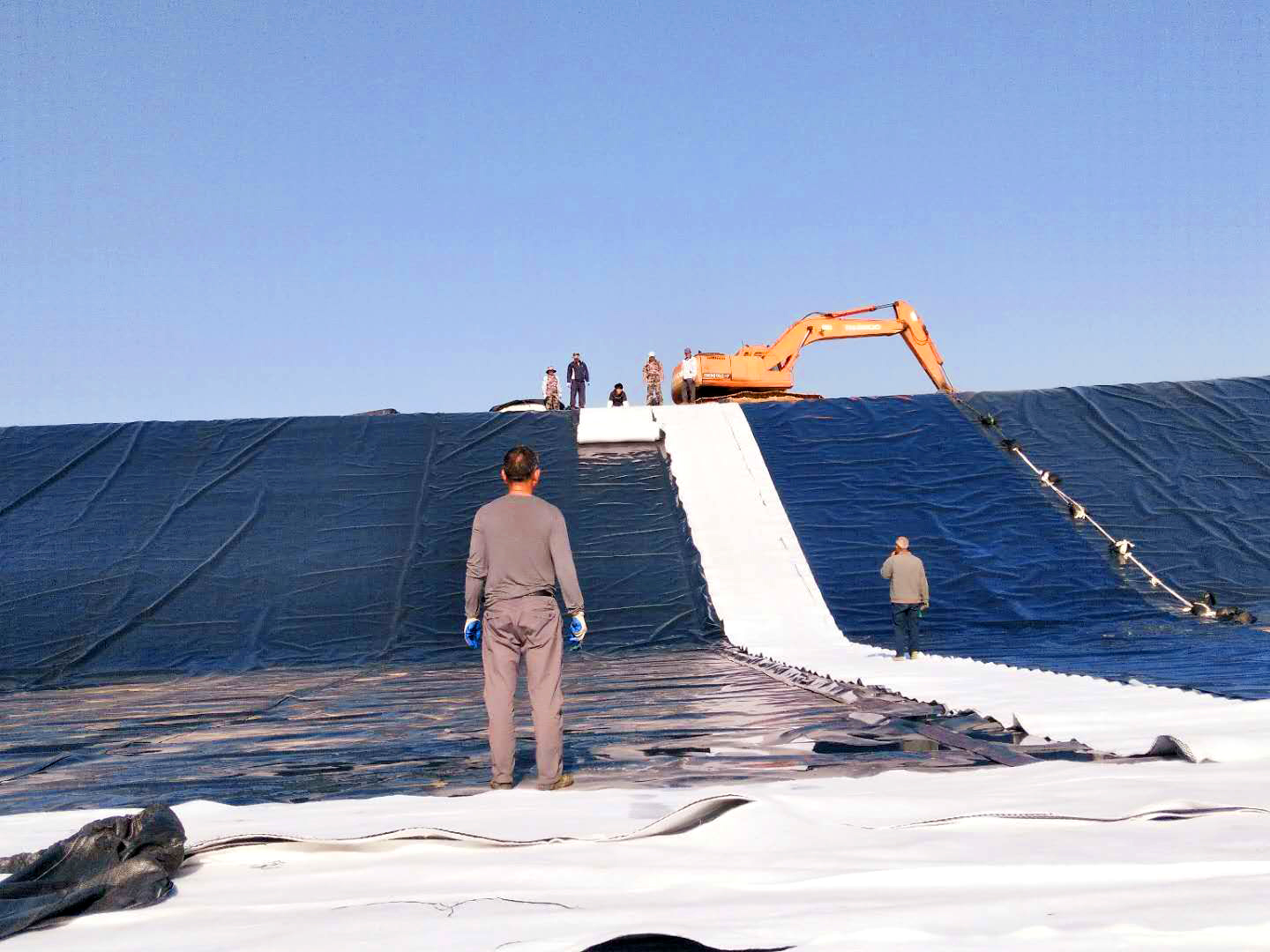
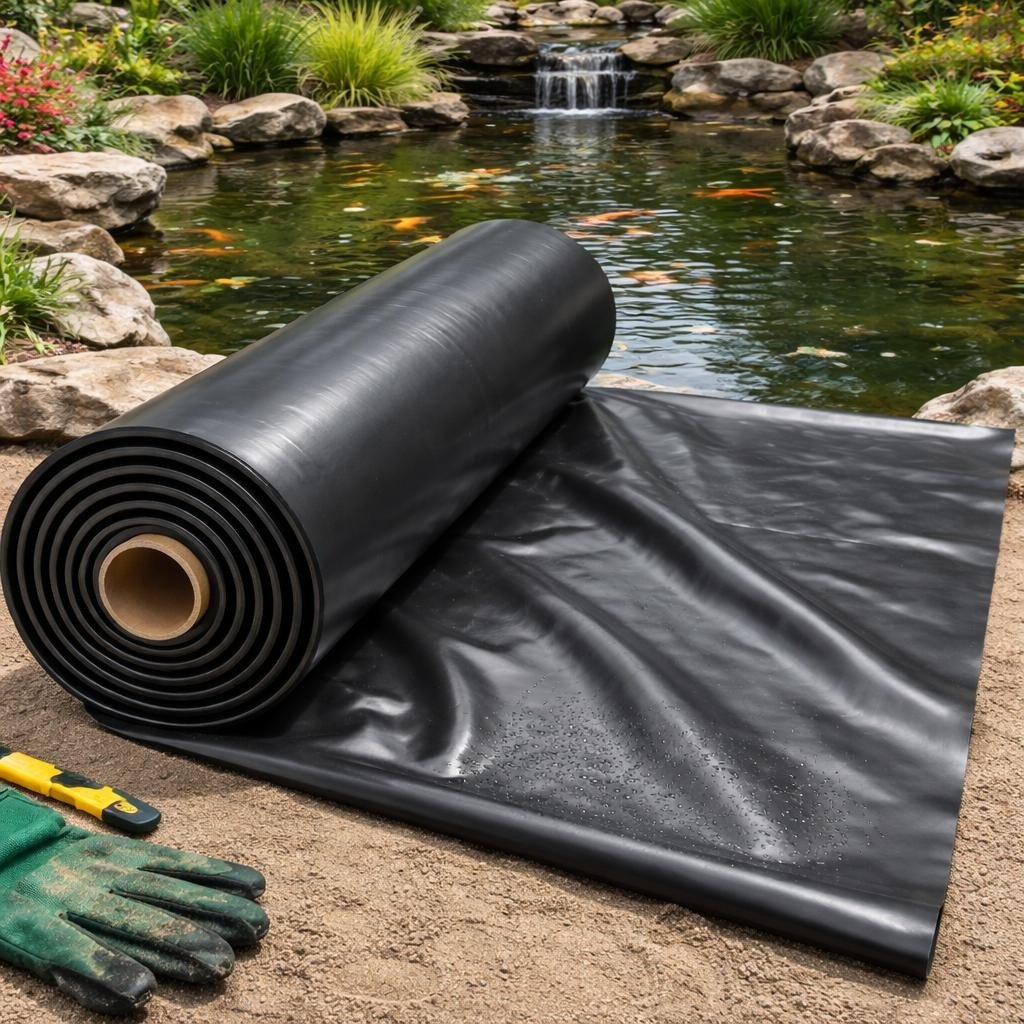
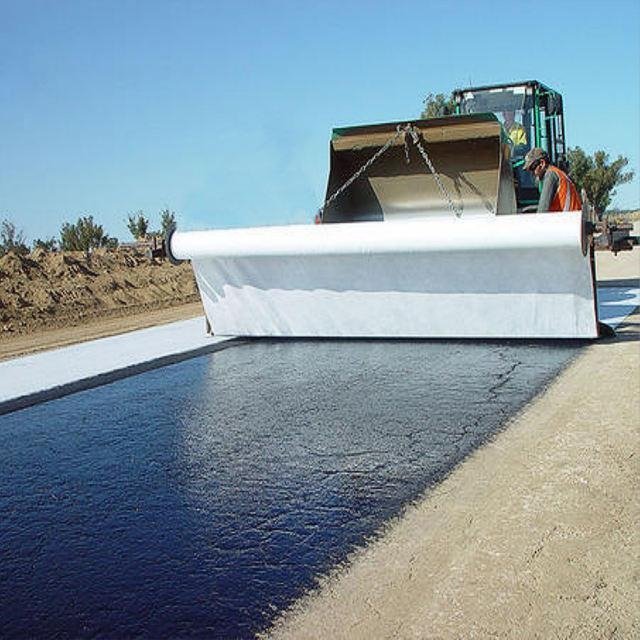
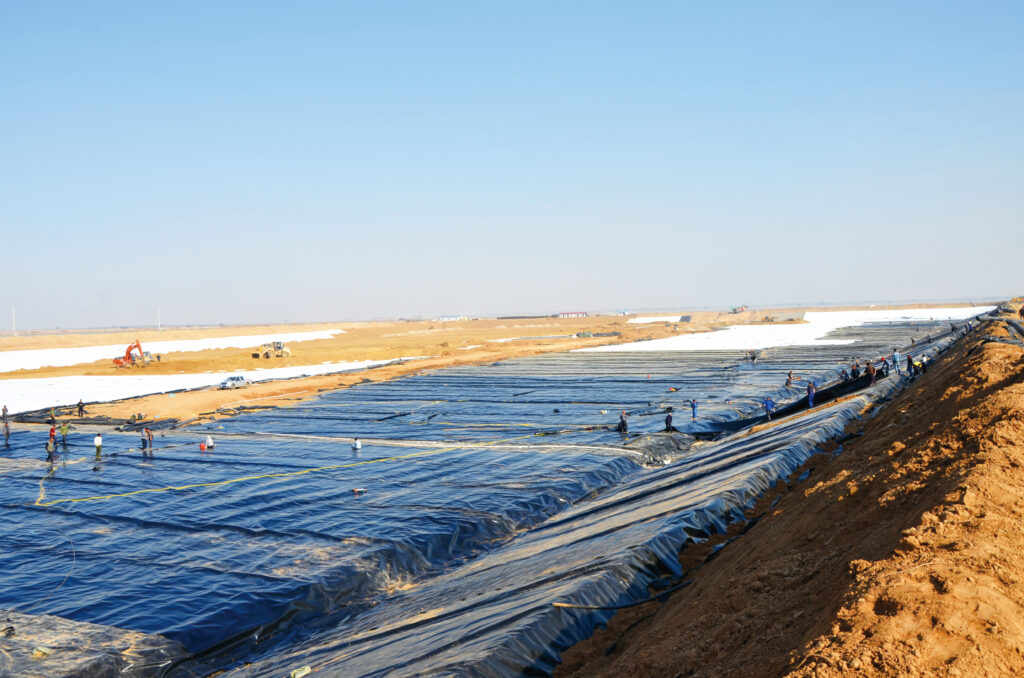
One of the most common uses for a 30 mil hdpe liner is pond lining. It can be used for farm ponds, fish ponds, decorative ponds, irrigation ponds, and small reservoirs. By reducing water seepage, the liner helps conserve water and maintain stable pond levels.

In agriculture, 30 mil hdpe liner is often used for irrigation reservoirs, manure lagoons, animal waste containment, and water storage systems. Farms and agricultural facilities need liners that can withstand outdoor conditions, soil contact, and exposure to organic waste. HDPE provides a strong and economical solution for these needs.

Aquaculture is another important application. Fish and shrimp farms require clean and controlled water environments. A 30 mil hdpe liner helps separate pond water from the natural soil, reducing contamination risks and making pond maintenance easier. Smooth HDPE surfaces can also help with cleaning and sludge removal.

Industrial containment is also a major market. Many factories, processing plants, and storage facilities use HDPE liners for secondary containment areas, wastewater ponds, sludge lagoons, and chemical holding basins. In these settings, the liner acts as a protective barrier that helps prevent accidental leakage from reaching the surrounding soil or groundwater.

A 30 mil hdpe liner can also be used in landfill covers, temporary containment systems, construction projects, drainage channels, and stormwater management systems. However, for high-risk landfill base liners, hazardous waste containment, or mining heap leach pads, thicker geomembranes may be required depending on the design standard and project regulations.

30 Mil HDPE Liner vs. Other Thicknesses

Choosing the right liner thickness is one of the most important decisions in a containment project. A 30 mil hdpe liner is not always the best choice for every situation, but it offers a useful middle ground.

Compared with a 20 mil liner, a 30 mil liner provides better puncture resistance, tensile strength, and long-term durability. A 20 mil liner may be suitable for light-duty applications, temporary covers, or small decorative ponds, but it may not provide enough protection for harsher environments. If the liner will be exposed to rocks, roots, equipment, waste liquids, or long-term outdoor use, 30 mil is often a safer option.

Compared with a 40 mil liner, a 30 mil hdpe liner is usually lighter, easier to install, and more economical. However, 40 mil provides extra strength and may be better for larger ponds, more demanding industrial projects, or sites with rougher subgrade conditions.

Compared with 60 mil or 80 mil HDPE geomembrane, 30 mil is easier to handle but less robust. Heavy-duty liners are typically used for landfills, mining, hazardous waste containment, and high-pressure industrial applications. These projects often require stricter engineering specifications and professional installation. For medium-duty water containment and general environmental protection, 30 mil may be sufficient when the site is properly prepared.

The best thickness depends on the project type, subgrade condition, liquid type, expected service life, installation method, and local regulations. Buyers should not choose thickness based only on price. A slightly thicker liner can reduce long-term maintenance risk, but an unnecessarily thick liner can increase cost without providing meaningful extra value for a simple application.

Smooth or Textured 30 Mil HDPE Liner?

A 30 mil hdpe liner may be available in smooth or textured surface options. Smooth liners are common in ponds, reservoirs, lagoons, and applications where cleaning is important. They are easier to weld, easier to inspect, and often more economical.

Textured HDPE liners are designed to provide higher friction between the liner and surrounding materials. They are often used on slopes, landfill covers, or projects where sliding resistance is important. However, textured liners may cost more and can be slightly more difficult to weld or test.

For flat-bottom ponds and general water storage, smooth 30 mil hdpe liner is usually a practical choice. For steep slopes or engineered containment systems, textured liner may be recommended by the project designer.

Installation Tips for Better Performance

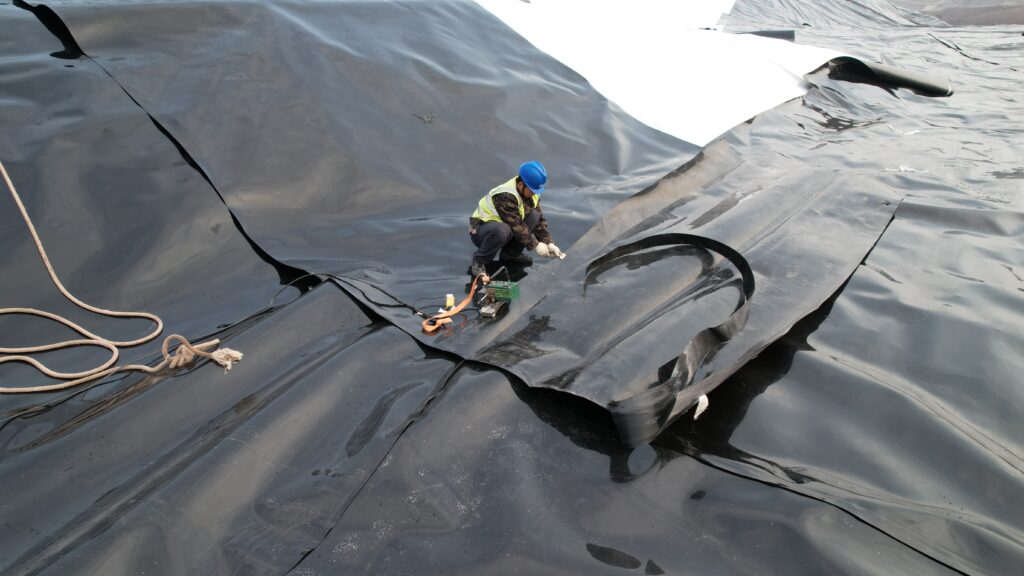
Even the best 30 mil hdpe liner can fail if it is installed incorrectly. Proper site preparation is essential. The subgrade should be smooth, compacted, and free from sharp stones, roots, metal fragments, and construction debris. Any object that can puncture the liner should be removed before installation.

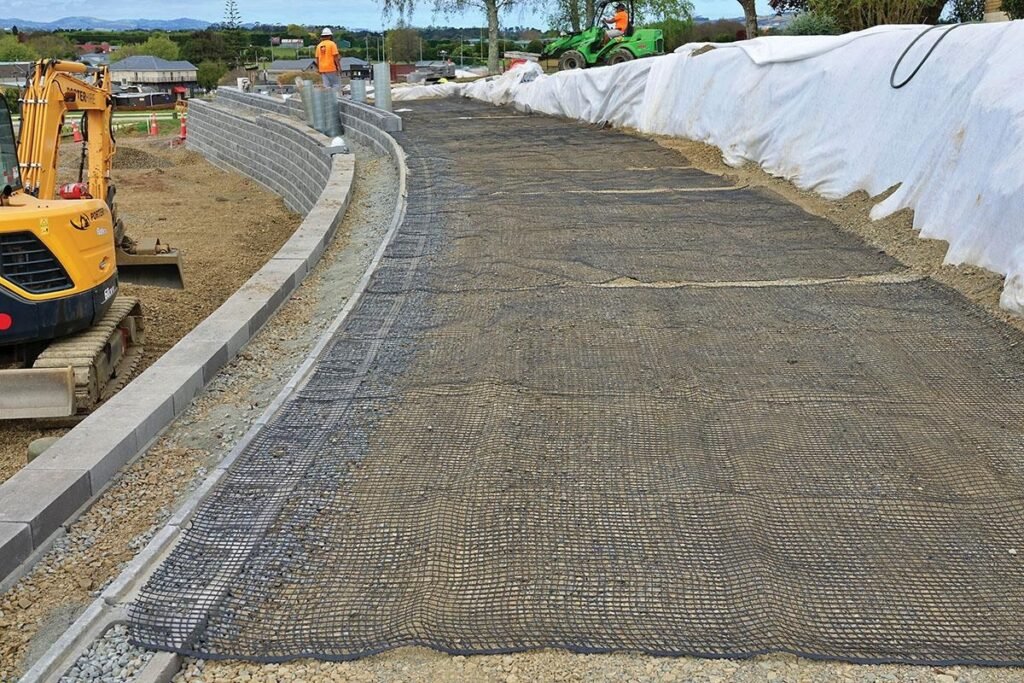
In some projects, a geotextile cushion layer is placed under the HDPE liner. This protective layer helps reduce puncture risk and improves the liner’s long-term performance, especially when the soil contains gravel or other hard materials.

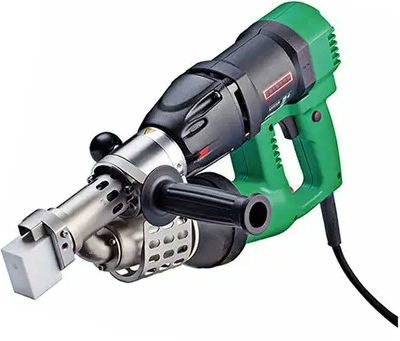
Panel placement should be planned carefully to reduce unnecessary seams. HDPE liner panels are usually joined by heat welding, and seam quality is critical to the success of the containment system. Professional installers use welding equipment and testing methods to check seam integrity.

Weather conditions also matter. Strong wind, rain, extreme cold, or very high temperatures can affect installation quality. The liner should be handled carefully to avoid wrinkles, scratches, or damage during deployment.

After installation, the liner should be inspected before being covered or filled. Any visible damage should be repaired immediately. For important containment projects, seam testing and quality control documentation may be required.

How to Choose a Reliable 30 Mil HDPE Liner Supplier

Selecting the right supplier is just as important as choosing the right thickness. A reliable 30 mil hdpe liner supplier should provide consistent product quality, clear technical data, and professional support.

First, ask for product specifications. Important information includes thickness, density, tensile strength, tear resistance, puncture resistance, carbon black content, and roll dimensions. These values help buyers compare different products more accurately.

Second, confirm whether the liner meets relevant industry standards. For engineering projects, compliance with recognized geomembrane standards can be important for quality assurance and project approval.

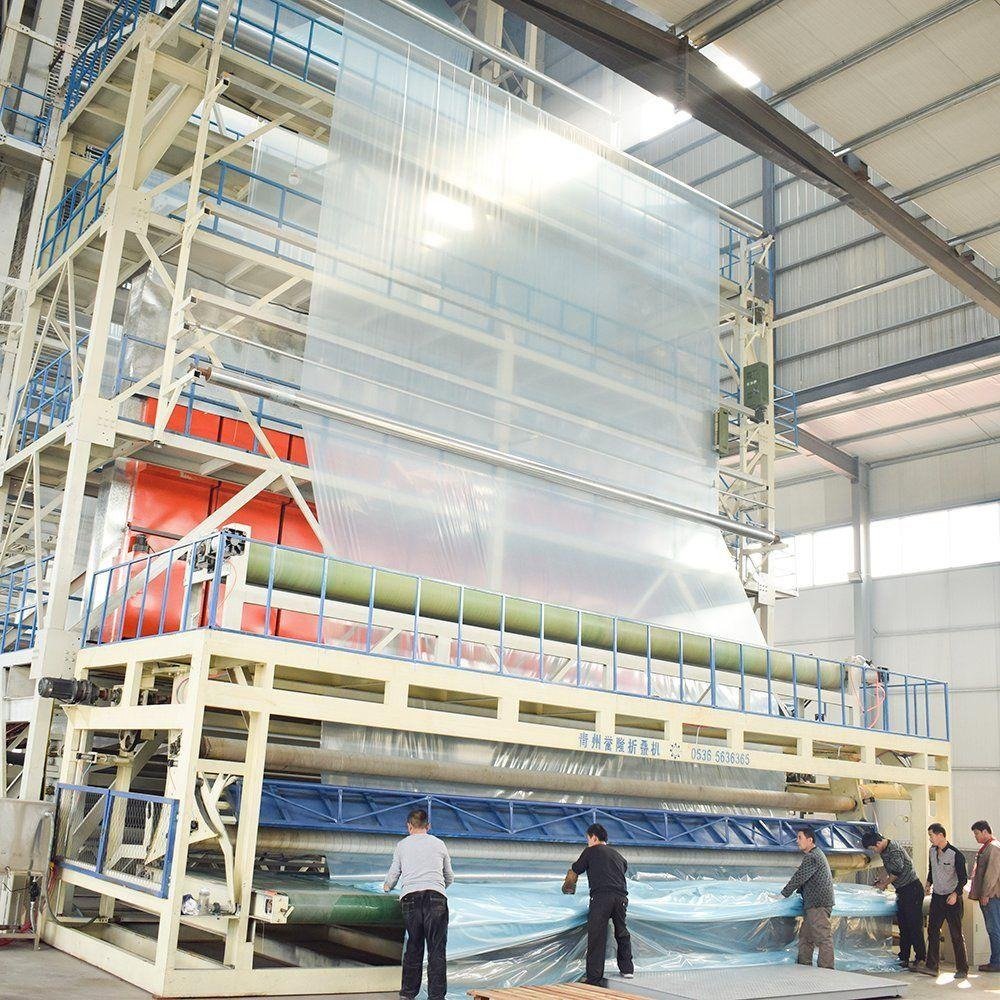
Third, check production capability and delivery capacity. For large projects, liners may need to be supplied in specific roll sizes or shipped within a fixed schedule. A strong manufacturer should be able to support bulk orders, container loading, export documentation, and technical consultation.

Fourth, consider installation support. Some suppliers only sell rolls, while others can provide installation guidance, welding recommendations, or on-site construction services. For buyers who are new to geomembrane projects, this support can reduce mistakes and save time.

Finally, do not choose a supplier based only on the lowest price. Low-cost liners may use poor resin, inconsistent thickness, or insufficient UV stabilizers. These problems may not be obvious at first, but they can lead to leakage, cracking, or premature failure later.

Is a 30 Mil HDPE Liner Right for Your Project?

A 30 mil hdpe liner is a strong option for many water containment, agricultural, aquaculture, and medium-duty industrial applications. It provides a practical balance of impermeability, chemical resistance, UV resistance, flexibility, and cost efficiency.

It is especially suitable for farm ponds, fish ponds, irrigation reservoirs, wastewater lagoons, manure containment, secondary containment, and general anti-seepage projects. However, for hazardous waste, mining, landfill base systems, or highly demanding industrial environments, a thicker liner may be required.

Before making a final decision, evaluate your site conditions, contained liquid, slope design, expected service life, installation method, and regulatory requirements. If you are unsure, consult a geomembrane supplier or project engineer before ordering.

Conclusion

The 30 mil hdpe liner is one of the most versatile geomembrane options for modern containment projects. It is stronger than light-duty liners, easier to handle than heavy-duty geomembranes, and suitable for a wide range of applications. Whether you are building a pond, lining a reservoir, managing wastewater, or protecting soil from contamination, a quality 30 mil hdpe liner can provide dependable and economical protection.

For the best results, choose a trusted manufacturer, prepare the site properly, install the liner carefully, and inspect all seams before use. With the right product and correct installation, a 30 mil hdpe liner can help extend project life, reduce maintenance costs, and protect valuable water and soil resources.

Knowledge Base
Share:
info@tinhygeosynthetics.com Bai Jinxi
Consultation

    Get The Latest Product Prices

    Your inquiries are welcomed at any time and please feel free to contact us via email, phone calls, and online chatbox on our site.

    We will definitely give you a reply ASAP after we receive your messages.

      0/180