Resources
Company News
Industry News
Knowledge Base
Project Cases
Innovation
Tinhy and University of Jinan Celebrate Six Years of Industry–University Collaboration
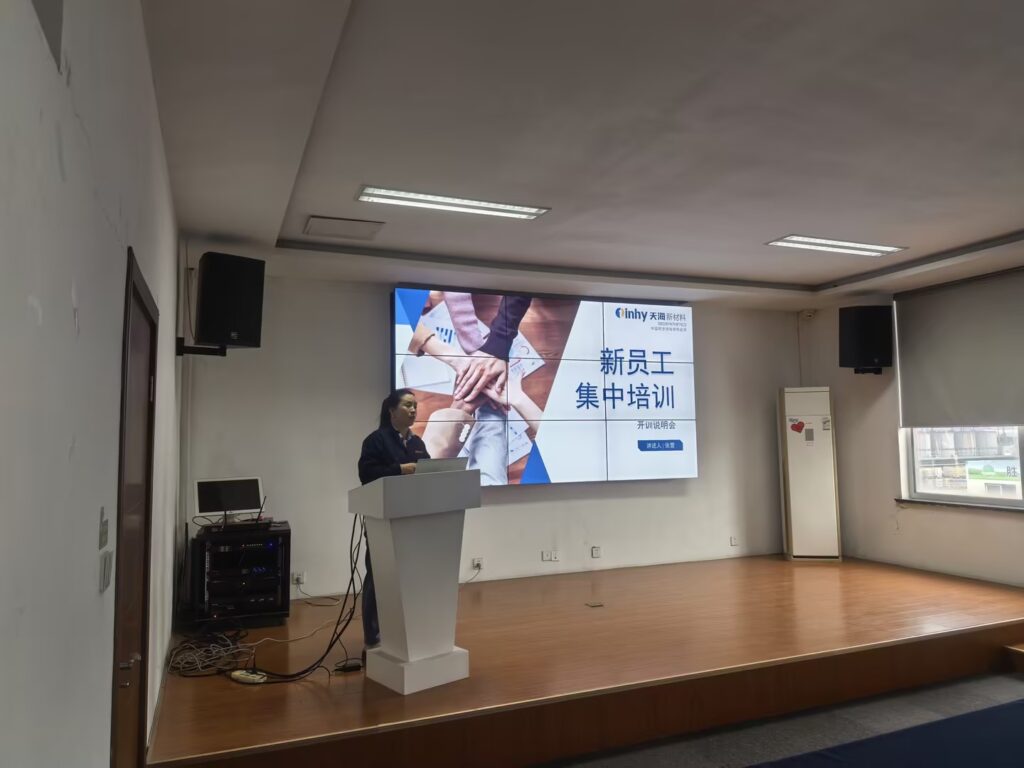
Empowering New Talent, Building the Future: Tinhy Successfully Conducts New Employee Orientation Training
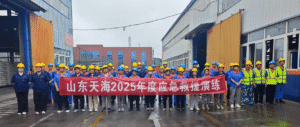
Tinhy Conducts Comprehensive Emergency Drill to Strengthen Workplace Safety Defenses
Company Mid – Year Summary and Team – Building Activity Report
Is geomembrane a geotechnical engineering material?
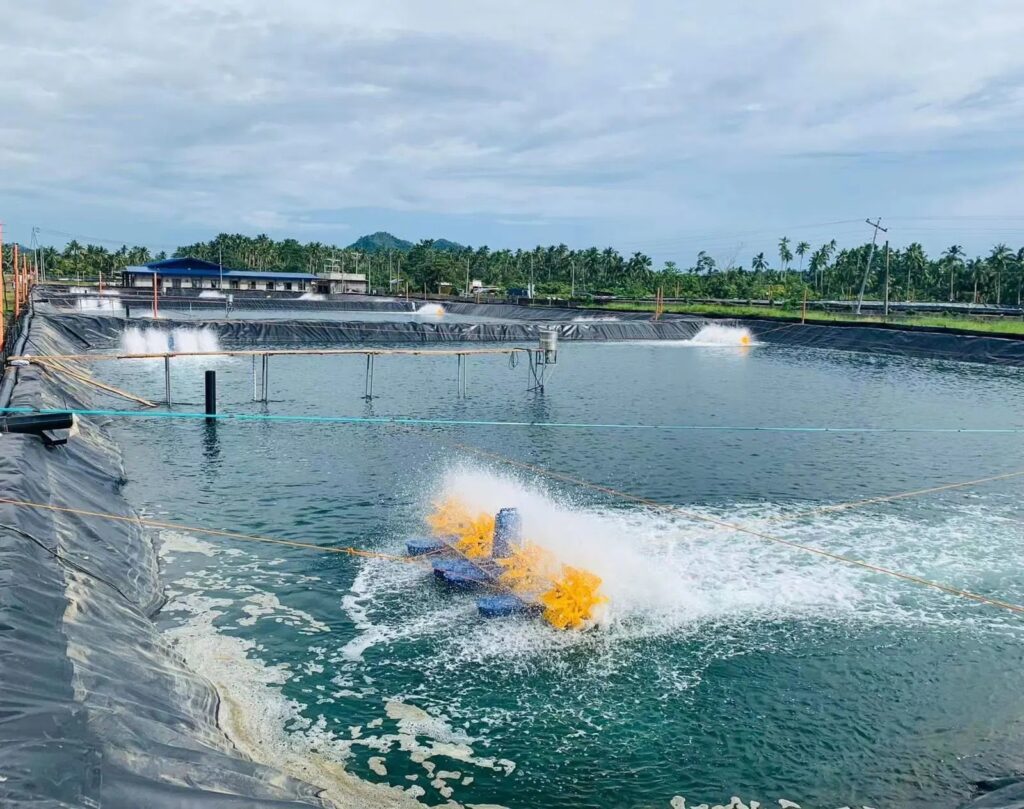
What are the application scenarios of geomembrane?
What are the functions of geotextiles?
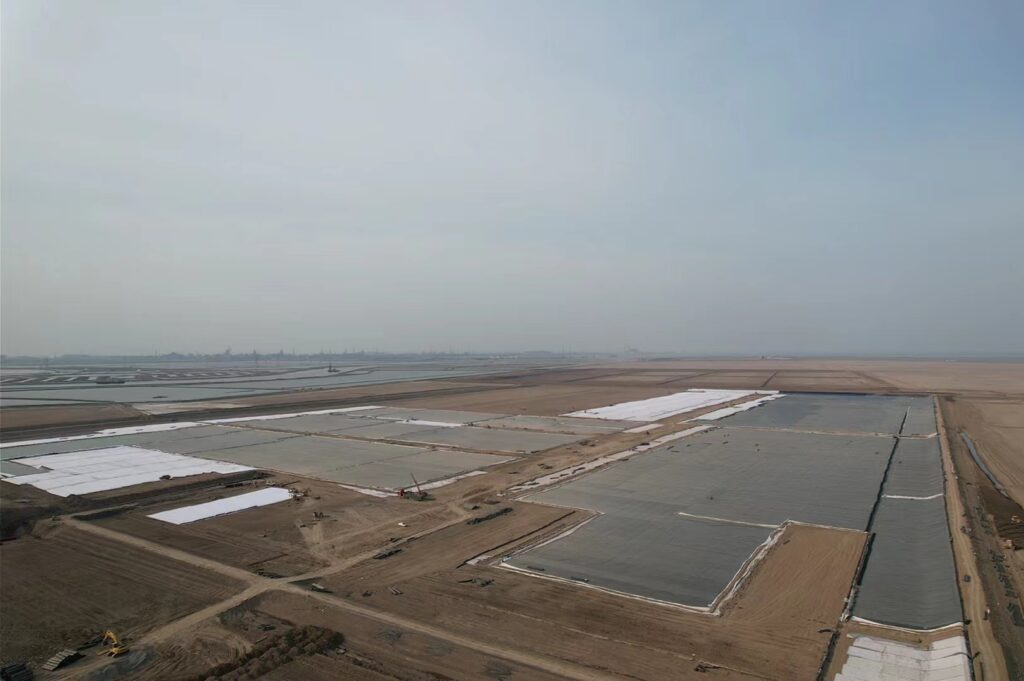
Cómo elegir geomembrana de hdpe en proyectos de ingeniería
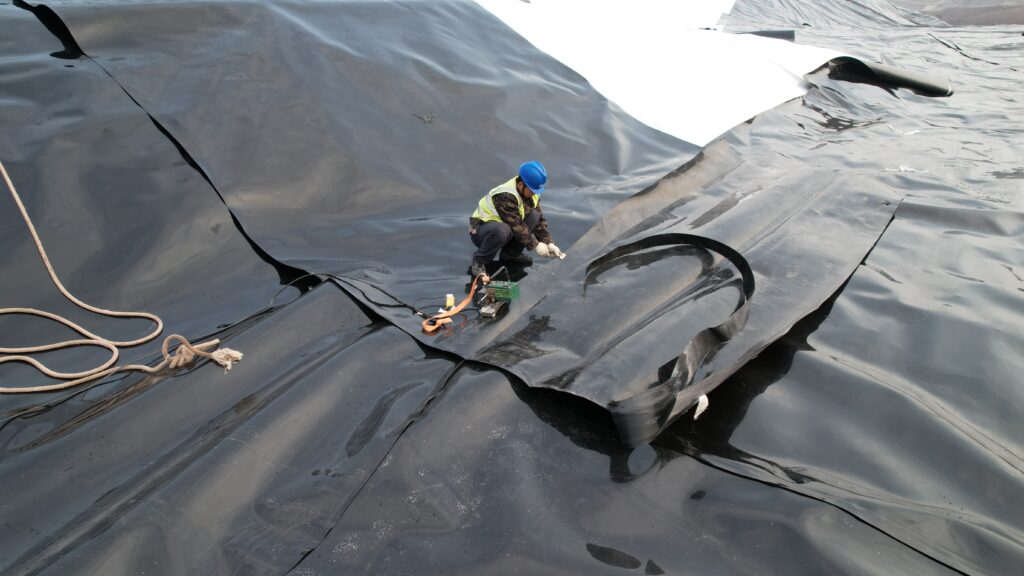
How to choose hdpe geomembrane in engineering projects
¿Qué ancho elegir para geomembrana?
China’s Geotechnical Construction Materials Embrace New Opportunities
Tips for Moisture-Proof Storage of Geotextiles
Key Construction Points and Precautions for High-Density Polyethylene Geomembrane
what is pond lining material ?
What is geomembrane?
HDPE geomembrane construction plans and technical measures
What quality tests do HDPE geomembranes need to do?
Tinhy’s MDS® Drainage Solution
Installation Robots
How to Read an HDPE Geomembrane Technical Data Sheet Before Buying
Smooth vs. Textured HDPE Geomembrane: Which One Is Right for Your Project?
HDPE Geomembrane and GCL Liner Solutions for Reliable Containment Projects
1.5 mm HDPE Liner: Uses, Benefits and Installation Guide
HDPE Liner Suppliers: How to Choose the Right Partner for Your Project
40 Mil HDPE Liner: A Practical Guide to Applications, Benefits, and Selection
30 Mil HDPE Liner: A Practical Guide for Containment, Pond, and Industrial Applications
Geofabric Suppliers: 9 Essential Factors to Choose the Right Partner for Your Project
Geotextile 150 GSM: Applications, Benefits, and How to Choose the Right Geotextile Fabric
Best Geomembrane for Mining: A Complete Guide to Choosing the Right Liner for Mining Projects
Should HDPE or PVC be used to install geomembrane in reservoirs?
What is the price of geomembrane?
Material characteristics of three different geomembranes
Esquema de construcción de geomembrana de HDPE y medidas técnicas
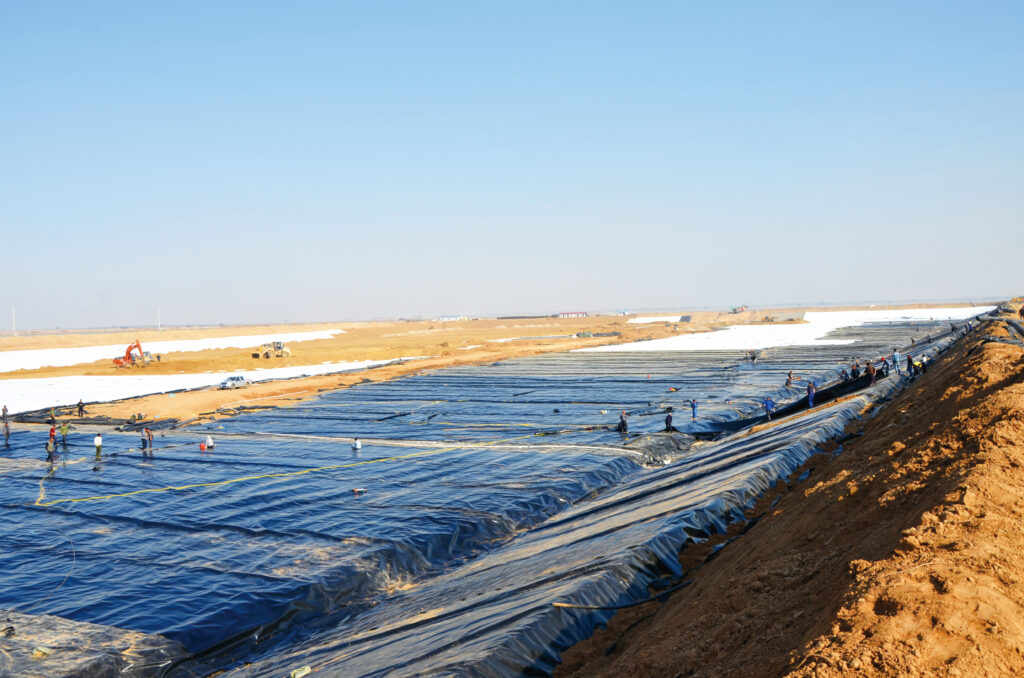
hdpe geomembrane pond liner in Congo (DRC)
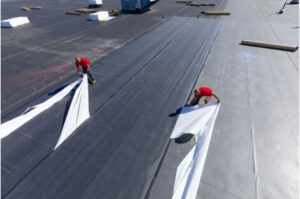
How to lay and weld HDPE geomembrane?
HDPE geomembrane 0.2-4.0mm
HOME ABOUT PRODUCTS APPLICATION CONTENTUS RESOURCES
Home Resources Knowledge Base How to Read an HDPE Geomembrane Technical Data Sheet Before Buying

How to Read an HDPE Geomembrane Technical Data Sheet Before Buying

time:June 26, 2026 Views:10

For B2B buyers, purchasing HDPE geomembrane is not just about choosing a thickness and comparing prices. A reliable geomembrane liner must meet the technical requirements of the project, perform well during installation, and maintain long-term durability after being placed in the field.

That is why the technical data sheet, also known as TDS, is one of the most important documents buyers should review before placing an order.

A geomembrane TDS usually includes physical properties, formulation properties, standard sizes, test methods, and quality control frequency. Understanding these values helps contractors, distributors, engineering companies, and project owners make better purchasing decisions and avoid material quality risks.

This article explains the key items in an HDPE geomembrane technical data sheet and how to evaluate them for your project.

Why the Technical Data Sheet Matters

The technical data sheet provides measurable information about the geomembrane product. Instead of relying only on product descriptions, buyers can use the TDS to compare material quality, confirm compliance, and communicate with project engineers.

A professional HDPE geomembrane TDS usually includes:

  • Thickness
  • Roll width and roll length
  • Tensile properties
  • Tear resistance
  • Puncture resistance
  • Density
  • Melt flow index
  • Carbon black content
  • Carbon black dispersion
  • Stress crack resistance
  • Oxidative Induction Time
  • UV resistance
  • Testing standards
  • Quality control frequency

For international projects, the TDS is often required during tendering, technical approval, quality inspection, and customs documentation.

1. Thickness

Thickness is one of the first specifications buyers check. HDPE geomembrane is commonly supplied in thicknesses from 0.5 mm to 3.0 mm.

Common thickness choices include:

  • 0.5 mm
  • 0.75 mm
  • 1.0 mm
  • 1.25 mm
  • 1.5 mm
  • 2.0 mm
  • 2.5 mm
  • 3.0 mm

However, thickness alone does not determine product quality. A thicker liner usually provides better puncture resistance and durability, but the correct choice depends on project application, subgrade condition, liquid type, slope design, and installation environment.

For example, aquaculture ponds may use 0.75 mm or 1.0 mm geomembrane, while landfill and mining projects may require 1.5 mm, 2.0 mm, or thicker material.

2. Roll Width and Roll Length

Roll size affects transportation, installation efficiency, welding quantity, and project cost.

A wider roll can reduce the number of seams, which may improve installation efficiency and reduce welding work. Common HDPE geomembrane roll widths range from 6 m to 10 m, while roll lengths may vary depending on thickness and project requirements.

When buying geomembrane, buyers should confirm:

  • Roll width
  • Roll length
  • Roll weight
  • Container loading quantity
  • Packaging method
  • Site handling equipment

For export orders, optimized roll dimensions can help reduce shipping cost and improve installation efficiency.

3. Tensile Properties

Tensile properties show how the geomembrane performs when stretched. They usually include yield strength, break strength, yield elongation, and break elongation.

These values are important because geomembrane may be pulled, folded, welded, anchored, and exposed to stress during installation and service.

Key terms include:

Yield Strength

Yield strength indicates the force required to begin permanent deformation. Higher yield strength means the material can resist deformation better under load.

Break Strength

Break strength shows the force required to break the material. It is important for evaluating material toughness.

Yield Elongation

Yield elongation shows how much the material can stretch before yielding.

Break Elongation

Break elongation shows how much the material can stretch before breaking. High elongation is important because geomembrane needs flexibility during installation and settlement.

For B2B projects, tensile properties help engineers evaluate whether the material is suitable for field installation and long-term stress conditions.

4. Tear Resistance

Tear resistance measures how well the geomembrane resists tearing once a cut or defect begins. This is important during transportation, installation, anchoring, and backfilling.

A geomembrane with higher tear resistance can better withstand handling damage and field stress. This is especially important when installation conditions are complex or when the liner is exposed to wind, sharp edges, or mechanical movement.

5. Puncture Resistance

Puncture resistance is one of the most important properties for liner performance. It indicates how well the geomembrane resists damage from sharp objects, stones, roots, or uneven subgrade.

For projects with rough ground conditions, buyers should pay close attention to puncture resistance. In many cases, a protective geotextile layer is recommended under or above the geomembrane to reduce puncture risk.

Applications that require higher puncture resistance include:

  • Landfills
  • Mining containment
  • Tailings ponds
  • Wastewater ponds
  • Reservoirs with rough subgrade
  • Industrial containment areas

6. Density

HDPE geomembrane is made from high-density polyethylene resin. Density is usually tested to confirm that the material meets formulation requirements.

For buyers, density helps verify whether the product is made with the correct resin formulation. A stable and proper density value is important for mechanical performance and chemical resistance.

7. Melt Flow Index

Melt Flow Index, or MFI, reflects the flow behavior of the polymer during processing. It is related to resin quality and processing stability.

A controlled MFI value helps ensure consistent production quality. For buyers, this indicator is useful for checking whether the material formulation is stable and suitable for geomembrane manufacturing.

8. Carbon Black Content

Carbon black is added to HDPE geomembrane to improve UV resistance and outdoor durability. It helps protect the liner from sunlight exposure and long-term weathering.

For exposed applications such as reservoirs, evaporation ponds, mining sites, and landfill covers, carbon black content is an important factor. A qualified geomembrane should have an appropriate carbon black content range to support outdoor performance.

9. Carbon Black Dispersion

Carbon black content is important, but dispersion is equally important. If carbon black is not evenly distributed, the geomembrane may have weak points, reducing UV resistance and long-term durability.

Good carbon black dispersion means the material is more uniform and reliable.

10. Stress Crack Resistance

Stress crack resistance is a critical durability indicator for HDPE geomembrane. Stress cracking can occur when the material is exposed to long-term stress, chemicals, temperature changes, or installation strain.

For landfill, mining, wastewater, and industrial containment projects, stress crack resistance should be carefully reviewed. Higher stress crack resistance usually indicates better long-term performance.

11. Oxidative Induction Time

Oxidative Induction Time, or OIT, measures the antioxidant protection in the geomembrane. Antioxidants help delay aging and oxidation during long-term service.

There are usually two types of OIT values:

  • Standard OIT
  • High Pressure OIT

OIT is especially important for projects that require long service life, high temperature resistance, or outdoor exposure.

12. UV Resistance

UV resistance shows how well the geomembrane can retain performance after long-term sunlight exposure. For exposed liners, this property should not be ignored.

Applications where UV resistance is important include:

  • Evaporation ponds
  • Reservoirs
  • Landfill covers
  • Mining ponds
  • Agricultural ponds
  • Temporary exposed installations

For buried applications, UV resistance is less critical after coverage, but the liner may still be exposed during construction.

13. Surface Type: Smooth or Textured

A TDS may also specify whether the product is smooth or textured.

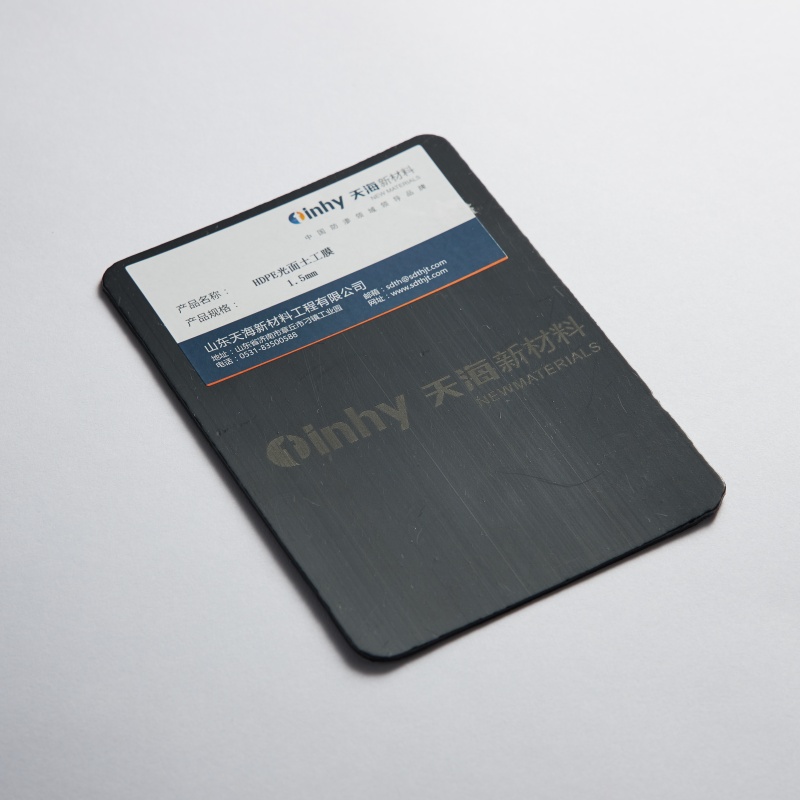
Smooth HDPE geomembrane is suitable for flat areas, water containment, wastewater ponds, and aquaculture ponds.

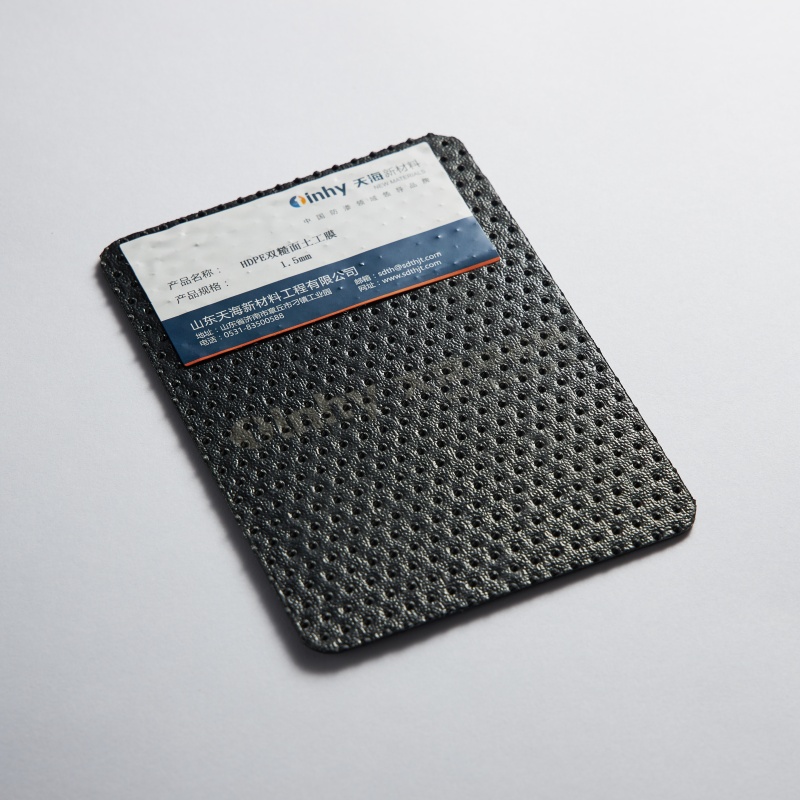
Textured HDPE geomembrane is suitable for slopes, landfill sidewalls, mining projects, and composite liner systems where higher interface friction is required.

For textured geomembrane, buyers should also check asperity height, which indicates the surface roughness of the textured liner.

14. Test Methods

A professional TDS should list the test methods used for each property. Common standards include ASTM test methods for thickness, tensile properties, tear resistance, puncture resistance, density, carbon black, stress crack resistance, and OIT.

Test methods make the data more reliable and allow buyers, engineers, and quality inspectors to compare products using the same evaluation system.

15. Quality Control Frequency

A good technical data sheet may also show testing frequency, such as per roll, per production batch, or per certain production quantity.

This information helps buyers understand how often the manufacturer checks product quality. For large B2B orders, stable quality control is especially important.

Questions to Ask Before Buying HDPE Geomembrane

Before placing an order, buyers should ask the supplier:

  • Does the product meet the required project standard?
  • What thickness and surface type do you recommend?
  • Can you provide a technical data sheet?
  • Can you provide factory test reports?
  • What is the roll width and roll length?
  • How many rolls can fit in one container?
  • What welding method is recommended?
  • Is geotextile protection needed for this project?
  • What is the lead time?
  • Can you support OEM packaging or distributor orders?

These questions help reduce procurement risk and ensure that the material matches the project application.

Why Work with a Manufacturer Instead of Only a Trader?

For technical products such as HDPE geomembrane, working directly with a professional manufacturer can provide important advantages.

A manufacturer can usually offer:

  • More stable product quality
  • Better price control
  • Custom thickness and roll size
  • Technical data sheets
  • Test reports
  • Production schedule control
  • Export packaging support
  • Project-based recommendations
  • Faster communication for technical questions

For contractors, distributors, and engineering buyers, supplier reliability is just as important as product price.

Conclusion

Reading an HDPE geomembrane technical data sheet is essential before purchasing. Buyers should not only check thickness and price, but also review tensile strength, puncture resistance, tear resistance, density, carbon black content, stress crack resistance, OIT, UV resistance, roll size, test methods, and quality control frequency.

A clear understanding of these technical properties helps buyers choose the right geomembrane for landfill, mining, wastewater, aquaculture, reservoir, and agricultural containment projects.

If you need HDPE geomembrane with technical data sheets, test reports, custom roll sizes, and factory pricing, contact our team for professional product recommendations and quotation support.

FAQ

What is the most important property in an HDPE geomembrane TDS?

It depends on the project. For ponds, thickness and puncture resistance are important. For landfills and mining, stress crack resistance, tensile properties, OIT, and interface friction may be more critical.

Is thicker geomembrane always better?

Not always. Thicker geomembrane usually provides better durability, but it also costs more. The best thickness should be selected according to the project application and engineering requirements.

Why is carbon black important in HDPE geomembrane?

Carbon black improves UV resistance and helps protect the geomembrane from sunlight exposure and outdoor aging.

What does OIT mean?

OIT means Oxidative Induction Time. It indicates the antioxidant performance of the geomembrane and is used to evaluate long-term aging resistance.

Do I need smooth or textured geomembrane?

Smooth geomembrane is suitable for flat areas and water containment. Textured geomembrane is better for slopes and projects requiring higher interface friction.

Can you provide test reports with the geomembrane?

Yes. A professional supplier should be able to provide technical data sheets and test reports according to order and project requirements.

Knowledge Base
Share:
info@tinhygeosynthetics.com Bai Jinxi
Consultation

    Get The Latest Product Prices

    Your inquiries are welcomed at any time and please feel free to contact us via email, phone calls, and online chatbox on our site.

    We will definitely give you a reply ASAP after we receive your messages.

      0/180