Resources
Company News
Industry News
Knowledge Base
Project Cases
Innovation
Team Power Fuels TINHY’s Global Geosynthetics Solutions
Tinhy and University of Jinan Celebrate Six Years of Industry–University Collaboration
Empowering New Talent, Building the Future: Tinhy Successfully Conducts New Employee Orientation Training
Tinhy Conducts Comprehensive Emergency Drill to Strengthen Workplace Safety Defenses
Company Mid – Year Summary and Team – Building Activity Report
Is geomembrane a geotechnical engineering material?
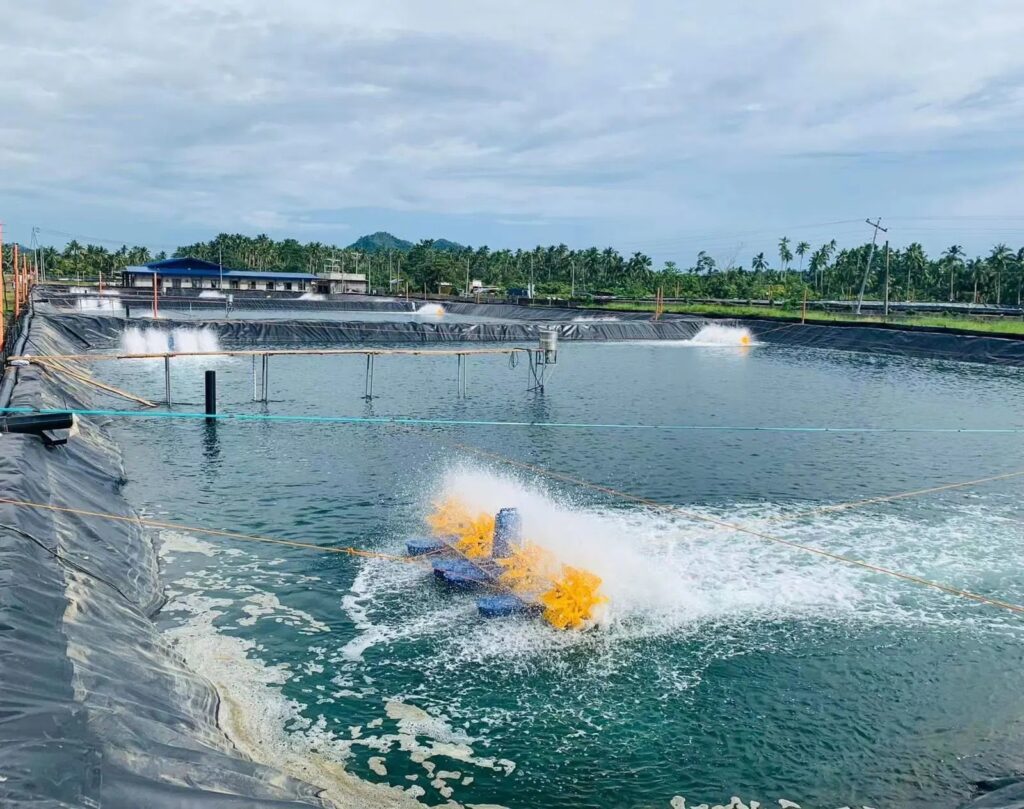
What are the application scenarios of geomembrane?
What are the functions of geotextiles?
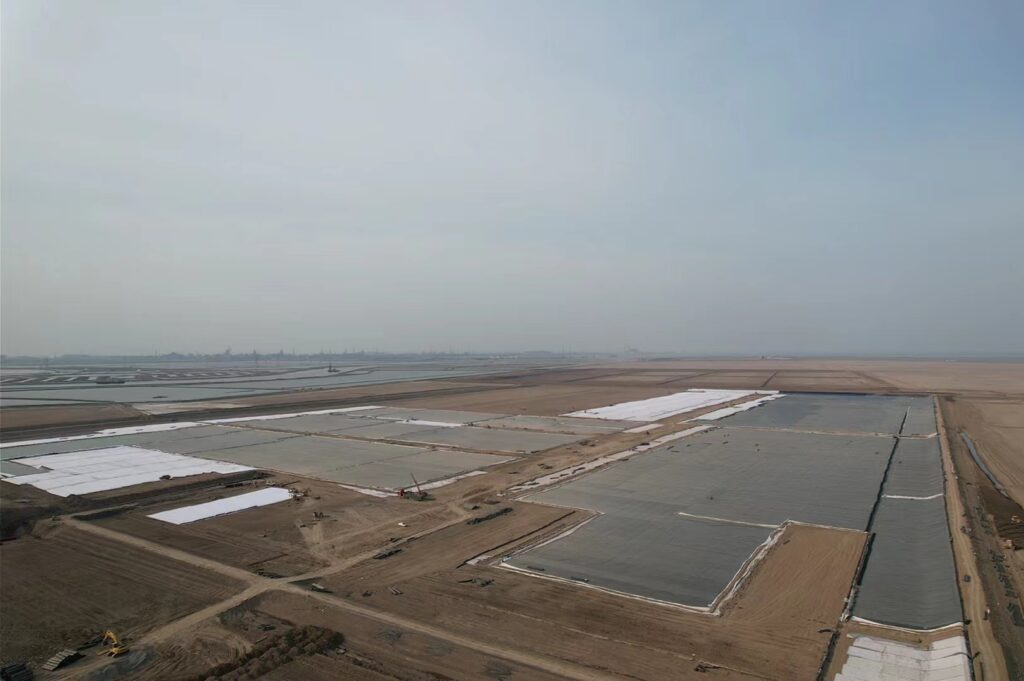
Cómo elegir geomembrana de hdpe en proyectos de ingeniería
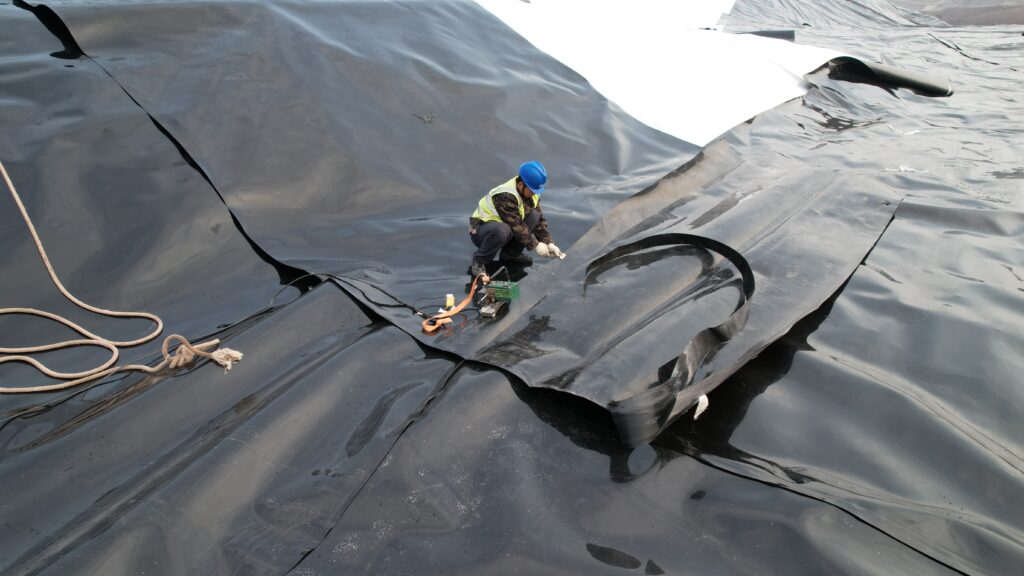
How to choose hdpe geomembrane in engineering projects
China’s Geotechnical Construction Materials Embrace New Opportunities
Tips for Moisture-Proof Storage of Geotextiles
Key Construction Points and Precautions for High-Density Polyethylene Geomembrane
what is pond lining material ?
What is geomembrane?
HDPE geomembrane construction plans and technical measures
What quality tests do HDPE geomembranes need to do?
Tinhy’s MDS® Drainage Solution
Installation Robots
20 Mil HDPE Liner: A Cost-Effective Geomembrane Solution for Ponds, Reservoirs and Light Containment
How Much Does Geotextile Cost per Square Foot?
Best HDPE Geomembrane 1.5 mm for Long-Term Containment Projects
What Is 400g/m² Geotextile? Properties, Applications and Selection Guide
Top 7 Global Geocomposite Manufacturers for Drainage, Reinforcement and Environmental Projects
Top 7 Global Pond Liner Suppliers in 2026
The 7 Best Geotextile 200 Review: 2026 Buyer’s Guide
The 6 Best LLDPE Geomembrane Liners Review: 2026 Buyer’s Guide
HDPE Smooth Geomembrane: A Reliable GRI GM13 Liner for Long-Term Containment Projects
How to Read an HDPE Geomembrane Technical Data Sheet Before Buying
Should HDPE or PVC be used to install geomembrane in reservoirs?
What is the price of geomembrane?
Material characteristics of three different geomembranes
Esquema de construcción de geomembrana de HDPE y medidas técnicas
hdpe geomembrane pond liner in Congo (DRC)
How to lay and weld HDPE geomembrane?
HDPE geomembrane 0.2-4.0mm
HOME ABOUT PRODUCTS APPLICATION CONTENTUS RESOURCES
Home Resources Knowledge Base 20 Mil HDPE Liner: A Cost-Effective Geomembrane Solution for Ponds, Reservoirs and Light Containment

20 Mil HDPE Liner: A Cost-Effective Geomembrane Solution for Ponds, Reservoirs and Light Containment

time:July 13, 2026 Views:9

A 20 mil HDPE liner, also known as a 0.5 mm HDPE geomembrane, is one of the most economical and widely used geomembrane thicknesses for light- to medium-duty containment projects. It offers a practical balance of waterproofing performance, flexibility, chemical resistance and cost efficiency.

Compared with thicker HDPE liners such as 40 mil, 60 mil or 80 mil, a 20 mil HDPE liner is lighter, easier to handle and more flexible during installation. This makes it a popular choice for decorative ponds, agricultural reservoirs, fish ponds, canal lining, landscaping water features, small containment areas and other projects where extreme puncture resistance is not required.

As a professional geosynthetics manufacturer and supplier, Tinhy Geosynthetics provides HDPE geomembrane liners in different thicknesses, including 20 mil / 0.5 mm HDPE liners, to support pond lining, water storage, aquaculture, agricultural irrigation, landscaping and light containment applications.

This guide explains what a 20 mil HDPE liner is, its main features, common applications, technical specifications, installation tips and how to choose the right liner for your project.

Table of Contents

What Is a 20 Mil HDPE Liner?

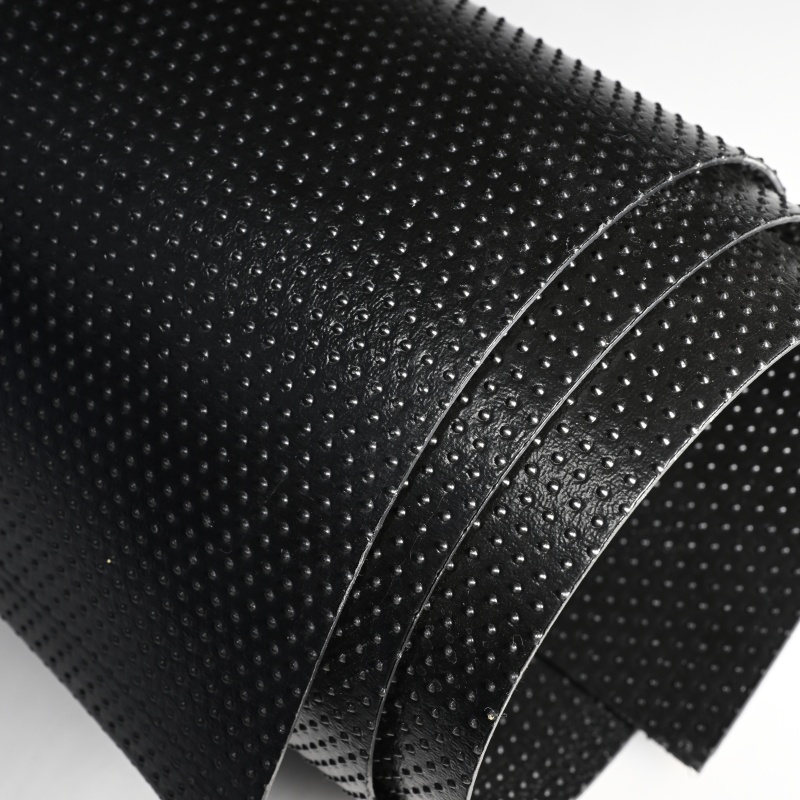
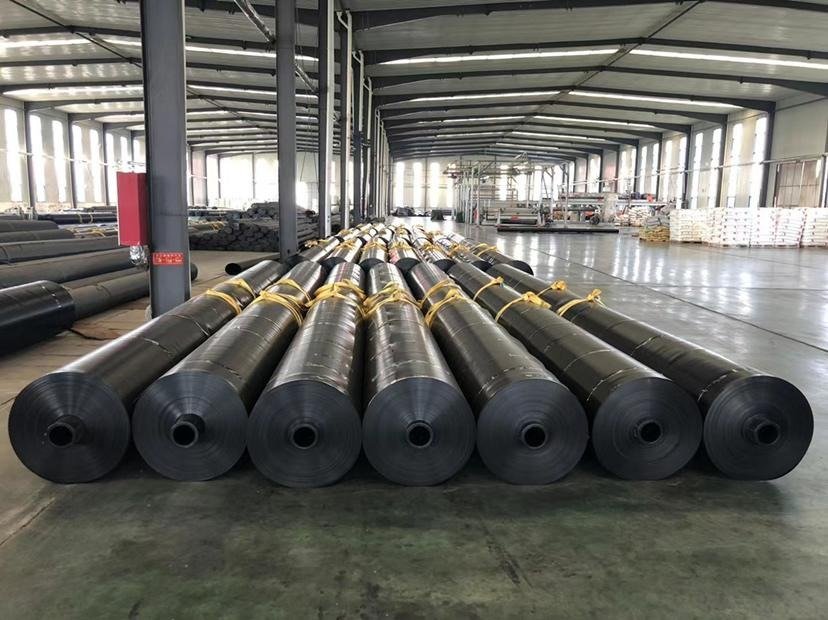
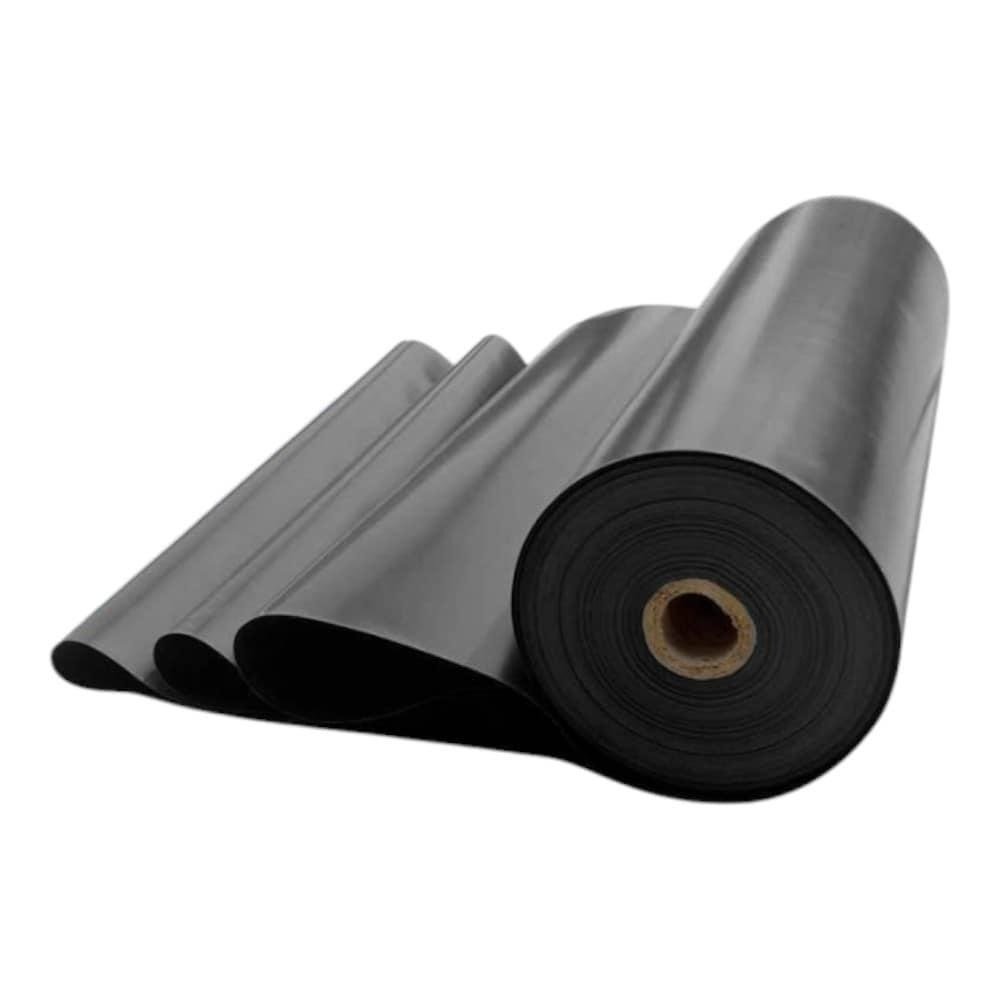
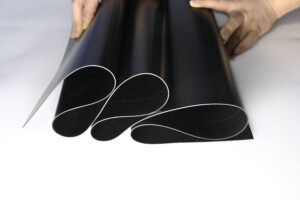
A 20 mil HDPE liner is a high-density polyethylene geomembrane with a nominal thickness of approximately 0.5 mm. It is manufactured from HDPE resin with carbon black, antioxidants and stabilizers to improve UV resistance, durability and long-term performance.

The main function of a 20 mil HDPE liner is to create a waterproof barrier that prevents water, wastewater or other contained liquids from leaking into the soil.

It is commonly used in:

  • Fish ponds
  • Decorative ponds
  • Agricultural reservoirs
  • Irrigation ponds
  • Small water storage basins
  • Canal lining
  • Landscaping water features
  • Light secondary containment
  • Small landfill or waste containment areas
  • Farm ponds and livestock wastewater ponds

Because of its lightweight structure, 20 mil HDPE liner is especially suitable for projects that require easy installation and good cost control.

Why Choose 20 Mil HDPE Liner?

1. Cost-Effective Waterproofing

One of the biggest advantages of 20 mil HDPE liner is its affordable cost. It uses less raw material than thicker geomembranes, which makes it a budget-friendly option for large-area lining projects.

For non-critical containment applications, 20 mil HDPE can provide sufficient waterproofing performance while helping reduce total project cost.

2. Good Flexibility and Conformability

Because it is thinner than 1.0 mm, 1.5 mm or 2.0 mm geomembranes, 20 mil HDPE liner is easier to bend, unfold and fit to irregular surfaces. This is useful for ponds, canals and landscape projects with curves or uneven shapes.

3. Excellent Impermeability

Although it is lightweight, HDPE geomembrane still provides very low permeability. When properly installed and welded, it can effectively reduce seepage and help protect soil and groundwater.

4. Chemical Resistance

HDPE has good resistance to many acids, alkalis, salts and common agricultural or industrial liquids. This makes 20 mil HDPE liner suitable for many water storage and light containment applications.

5. Easier Handling and Installation

20 mil HDPE liner is lighter than thicker liners, so it is easier to transport, deploy and position on site. For small and medium projects, this can reduce installation difficulty and labor time.

6. Suitable for Covered Applications

When properly covered with soil, water or protective materials, 20 mil HDPE liner can provide long service life in buried or protected applications.

Key Specifications of 20 Mil HDPE Liner

When purchasing a 20 mil HDPE liner, buyers should pay attention to the following technical indicators.

Specification Typical Requirement
Material High-density polyethylene
Thickness 20 mil / approximately 0.5 mm
Surface Type Smooth or textured
Carbon Black Content Usually around 2%–3%
Elongation High flexibility for installation
Puncture Resistance Suitable for light- to medium-duty applications
Chemical Resistance Good resistance to many acids, alkalis and salts
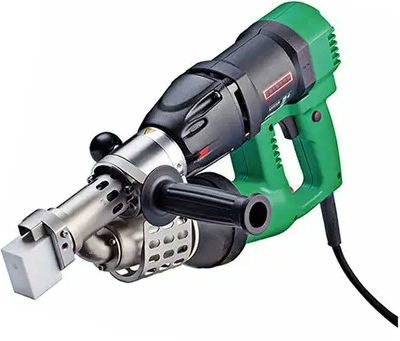
Welding Method Hot wedge welding or extrusion welding
Common Roll Width Customized according to project and shipping needs
Common Applications Ponds, reservoirs, canals, light containment

Actual values may vary depending on production standards, raw material formulation and project requirements. For engineering projects, buyers should request product data sheets and technical documents before ordering.

Smooth vs Textured 20 Mil HDPE Liner

Tinhy Geosynthetics can provide smooth or textured HDPE geomembrane options according to different project conditions.

Smooth 20 Mil HDPE Liner

Smooth HDPE liner has a flat surface and is the most common option for pond lining and water storage projects. It is easier to weld, easier to clean and suitable for flat or gently sloped surfaces.

Best For:

  • Fish ponds
  • Decorative ponds
  • Irrigation ponds
  • Agricultural reservoirs
  • Canal lining
  • Landscape water features
  • General waterproofing projects

Textured 20 Mil HDPE Liner

Textured HDPE liner has a rougher surface that improves friction between the liner and soil or geotextile layers. It can provide better stability on slopes.

Best For:

  • Light slopes
  • Embankment lining
  • Areas requiring better anti-slip performance
  • Projects where interface friction is important

For many projects, smooth HDPE liner is sufficient. If the project includes slopes or requires stronger friction performance, textured HDPE liner may be recommended.

Main Applications of 20 Mil HDPE Liner

1. Fish Ponds and Aquaculture Ponds

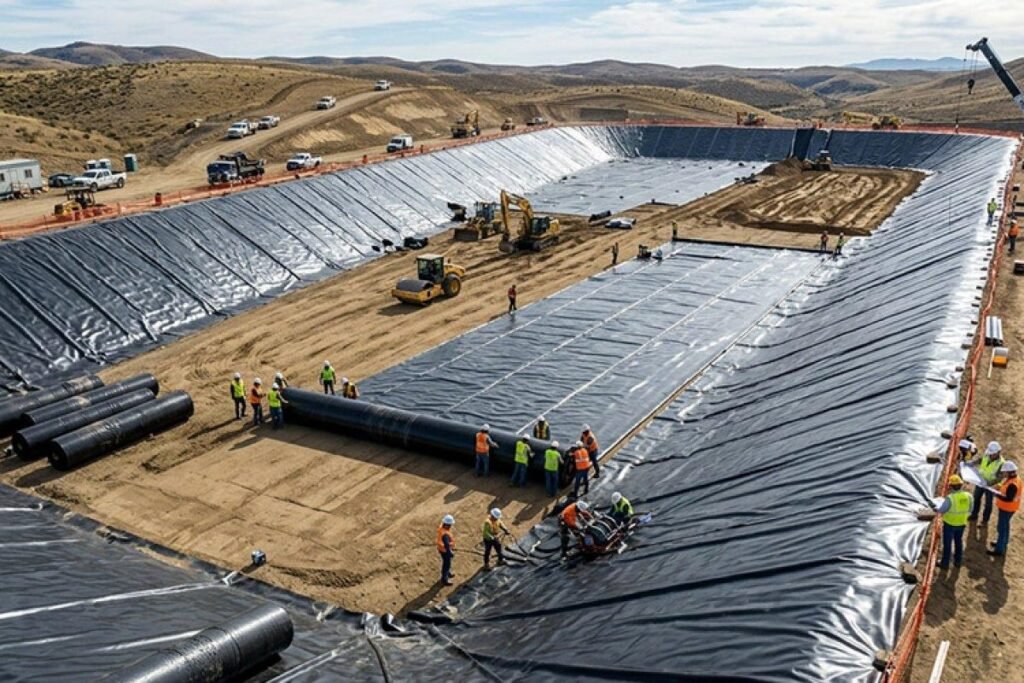
20 mil HDPE liner is widely used in fish ponds, shrimp ponds and aquaculture farms. It helps reduce seepage, maintain water levels, improve water quality control and prevent soil contamination.

Compared with concrete lining, HDPE pond liner is usually faster to install and more economical for large pond areas.

2. Agricultural Reservoirs

For farms and irrigation projects, 20 mil HDPE liner can be used to line reservoirs, irrigation ponds and water storage basins. It helps reduce water loss caused by seepage and supports better water management.

3. Decorative Ponds and Landscape Water Features

Because of its flexibility and cost-effectiveness, 20 mil HDPE liner is suitable for garden ponds, artificial lakes, fountains and landscape water features.

4. Canal and Ditch Lining

20 mil HDPE liner can be used in small canals, ditches and irrigation channels to reduce seepage and improve water delivery efficiency.

5. Light Secondary Containment

For non-critical secondary containment areas, 20 mil HDPE liner can provide a practical waterproof barrier. However, for hazardous liquids, industrial chemicals or high-risk containment, thicker geomembrane may be required.

6. Small Landfill or Waste Containment Projects

In some light-duty waste containment or temporary lining projects, 20 mil HDPE liner may be used depending on project design requirements. For municipal landfills or high-risk waste containment, thicker liners such as 1.5 mm or 2.0 mm are usually recommended.

7. Landscaping and Erosion Control

20 mil HDPE liner can help control water movement in landscaping projects, prevent soil saturation and support erosion control systems.

20 Mil vs 40 Mil vs 60 Mil HDPE Liner

Choosing the right liner thickness depends on the application, soil condition, installation method and project risk level.

Thickness Approx. Metric Thickness Main Features Best For
20 mil 0.5 mm Lightweight, flexible, economical Ponds, reservoirs, landscaping, light containment
40 mil 1.0 mm Stronger puncture resistance and durability Larger ponds, wastewater lagoons, medium containment
60 mil 1.5 mm Higher strength and long-term performance Landfills, mining ponds, industrial containment
80 mil 2.0 mm Heavy-duty protection and durability High-risk containment, mining, hazardous waste

When to Choose 20 Mil HDPE Liner

Choose 20 mil HDPE liner when your project needs:

  • Good waterproofing performance
  • Lower material cost
  • Easier installation
  • Good flexibility
  • Light- to medium-duty containment
  • Covered or protected service conditions

When to Choose a Thicker Liner

Choose 40 mil, 60 mil or 80 mil HDPE liner when your project involves:

  • Sharp stones or rough subgrade
  • Heavy loads
  • Industrial wastewater
  • Mining chemicals
  • Hazardous waste
  • Long-term exposed conditions
  • High regulatory requirements

The most economical choice is not always the thinnest liner. The right thickness should match the real project risk.

Installation Tips for 20 Mil HDPE Liner

Proper installation is essential for liner performance. Even a high-quality geomembrane can fail if it is installed incorrectly.

1. Prepare the Subgrade

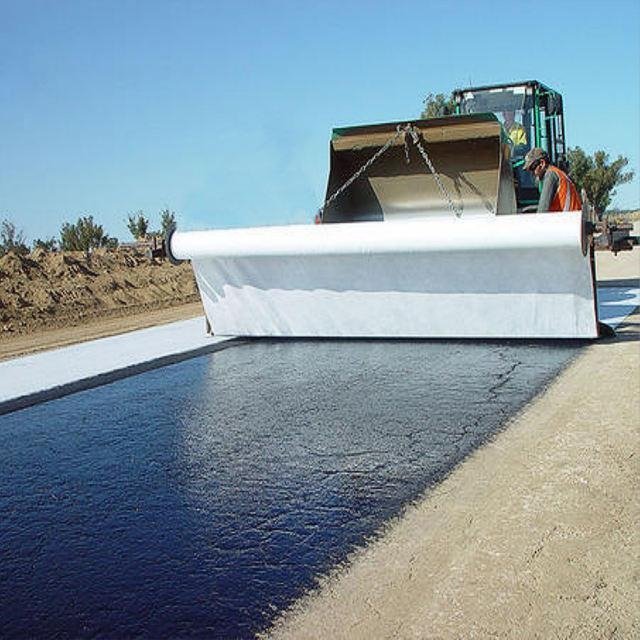
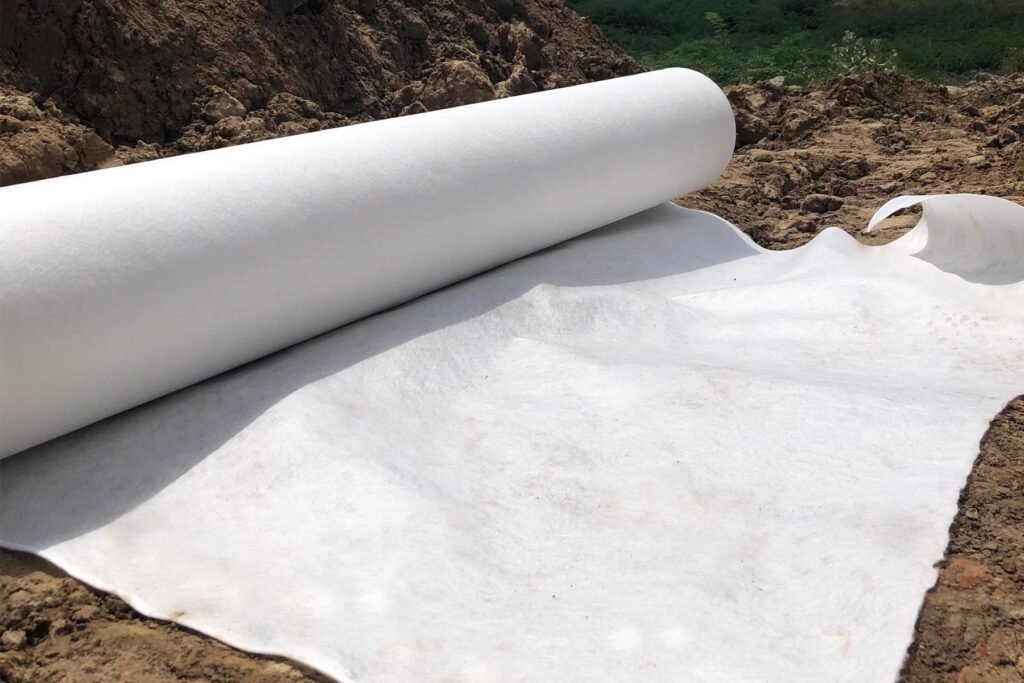
The surface should be smooth, compacted and free from sharp stones, roots, debris and standing water. For rough subgrades, a nonwoven geotextile protection layer is recommended.

2. Avoid Dragging the Liner

During installation, avoid dragging the liner across sharp surfaces. Use proper handling methods to reduce scratches and punctures.

3. Control Overlap

Adjacent sheets should have enough overlap for welding or connection. Overlap width should follow project requirements and installation standards.

4. Use Professional Welding

For permanent projects, hot wedge welding or extrusion welding is recommended. Welding parameters should be adjusted according to weather, temperature and site conditions.

5. Test the Seams

Seam testing helps confirm liner integrity. Common testing methods include air pressure testing, vacuum box testing and visual inspection.

6. Use Protective Cover When Needed

If the liner will be exposed to mechanical damage, soil cover, geotextile cushion or other protection should be used.

7. Avoid Installation in Bad Weather

Strong wind, rain or extreme temperatures can affect liner deployment and welding quality. Try to install under suitable site conditions.

How Much Does 20 Mil HDPE Liner Cost?

The cost of 20 mil HDPE liner depends on raw material, roll size, order quantity, surface type, shipping method and customization requirements.

In general, 20 mil HDPE liner is more economical than thicker HDPE geomembranes because it uses less material and is easier to transport and install.

Key price factors include:

  • Raw material quality
  • Smooth or textured surface
  • Roll width and length
  • Order quantity
  • Color or custom requirements
  • Packaging method
  • Shipping destination
  • Installation accessories
  • Current resin cost

For project quotation, it is better to provide the supplier with project area, application, required thickness, roll size, destination port and installation environment.

How to Choose a Reliable 20 Mil HDPE Liner Supplier

Choosing the right supplier is just as important as choosing the right liner thickness. A reliable supplier should provide consistent product quality, practical technical support and stable delivery.

1. Check Product Quality

Ask whether the liner is made from quality HDPE resin and whether the thickness is consistent across the roll.

2. Ask for Technical Data

Product data sheets help engineers and buyers confirm tensile strength, elongation, puncture resistance, carbon black content and other key properties.

3. Confirm Customization Options

Different projects may require different roll widths, lengths, surface types, colors or packaging. A flexible manufacturer can help reduce waste and improve installation efficiency.

4. Consider Export Experience

For international buyers, export packaging, container loading and shipping documentation are important. Experienced suppliers can help reduce procurement risk.

5. Evaluate Technical Support

A professional supplier should understand project applications and provide practical recommendations, rather than only offering the lowest price.

Why Choose Tinhy Geosynthetics?

Tinhy Geosynthetics supplies HDPE geomembrane liners and complete geosynthetic solutions for global customers. Our products are used in pond lining, reservoir lining, aquaculture, agriculture, landfill, mining, wastewater treatment and civil engineering applications.

Tinhy Geosynthetics Can Provide:

  • 20 mil HDPE liner
  • 0.5 mm HDPE geomembrane
  • Smooth HDPE geomembrane
  • Textured HDPE geomembrane
  • HDPE pond liner
  • Geotextile protection layer
  • Geomembrane for reservoirs and canals
  • Customized roll width and length
  • Export packaging and container loading support
  • Project-based product recommendation

Advantages of Working with Tinhy Geosynthetics

  • Professional geosynthetics product range
  • Flexible specifications for different applications
  • Competitive pricing for bulk orders
  • Support for contractors, distributors and project owners
  • Practical technical communication
  • Reliable export service
  • Suitable solutions for ponds, reservoirs, canals and light containment projects

Whether you need a liner for a fish pond, agricultural reservoir, decorative pond, canal, landscape lake or light containment project, Tinhy Geosynthetics can help you choose a suitable and cost-effective HDPE liner solution.

Buying Checklist for 20 Mil HDPE Liner

Before purchasing, confirm the following information:

Item What to Confirm
Application Pond, reservoir, canal, aquaculture, landscaping or containment
Thickness 20 mil / 0.5 mm or other required thickness
Surface Type Smooth or textured
Project Area Total area plus overlap allowance
Subgrade Condition Smooth soil, compacted ground, gravel or rough surface
Protection Layer Whether geotextile cushion is required
Roll Size Width and length suitable for installation
Welding Method Hot wedge welding, extrusion welding or other method
Delivery Destination Port, country and shipping requirements
Documents Product data sheet, packing list and export documents

Frequently Asked Questions About 20 Mil HDPE Liner

Is 20 mil HDPE liner suitable for ponds?

Yes. 20 mil HDPE liner is commonly used for fish ponds, decorative ponds, agricultural reservoirs and landscape water features. It is cost-effective and flexible for many pond lining applications.

How thick is 20 mil HDPE liner?

20 mil is approximately 0.5 mm thick.

Is 20 mil HDPE liner waterproof?

Yes. HDPE geomembrane has very low permeability and is designed to provide waterproofing and containment when properly installed.

Can 20 mil HDPE liner be welded?

Yes. 20 mil HDPE liner can be welded using suitable equipment and proper welding parameters. Professional installation is recommended for permanent projects.

Is 20 mil HDPE liner strong enough for landfill projects?

It depends on the landfill type and design requirements. For light-duty or temporary containment, it may be used in some cases. For municipal landfills, industrial waste or hazardous waste containment, thicker HDPE liners such as 1.5 mm or 2.0 mm are usually recommended.

Should I use geotextile under 20 mil HDPE liner?

If the subgrade is rough or contains stones, a nonwoven geotextile protection layer is recommended to reduce puncture risk.

How long does 20 mil HDPE liner last?

Service life depends on raw material quality, installation, UV exposure, cover protection and project environment. In covered applications, HDPE liner can provide long-term performance.

Is 20 mil HDPE liner cheaper than 40 mil or 60 mil liner?

Yes. 20 mil liner is usually more economical because it is thinner and uses less material. However, thicker liners provide higher puncture resistance and are better for more demanding projects.

Conclusion

A 20 mil HDPE liner is a practical and cost-effective geomembrane solution for ponds, reservoirs, canals, aquaculture, landscaping and light containment projects. It offers good impermeability, flexibility, chemical resistance and easier installation compared with thicker liners.

However, liner thickness should always be selected based on project risk, subgrade condition, containment type and service life requirements. For light- to medium-duty waterproofing projects, 20 mil HDPE liner can be an excellent choice. For landfills, mining, hazardous waste or heavy-duty containment, thicker geomembranes may be more suitable.

Tinhy Geosynthetics provides 20 mil HDPE liners and other geomembrane solutions for global customers. Contact Tinhy Geosynthetics today to discuss your project and get a suitable HDPE liner recommendation.

Knowledge Base
Share:
info@tinhygeosynthetics.com Bai Jinxi
Consultation

    Get The Latest Product Prices

    Your inquiries are welcomed at any time and please feel free to contact us via email, phone calls, and online chatbox on our site.

    We will definitely give you a reply ASAP after we receive your messages.

      0/180