Resources
Company News
Industry News
Knowledge Base
Project Cases
Innovation
Team Power Fuels TINHY’s Global Geosynthetics Solutions
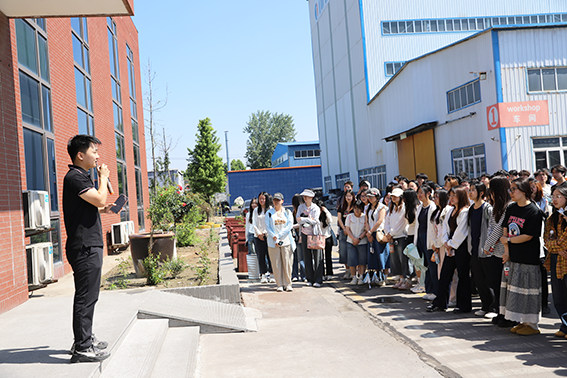
Tinhy and University of Jinan Celebrate Six Years of Industry–University Collaboration
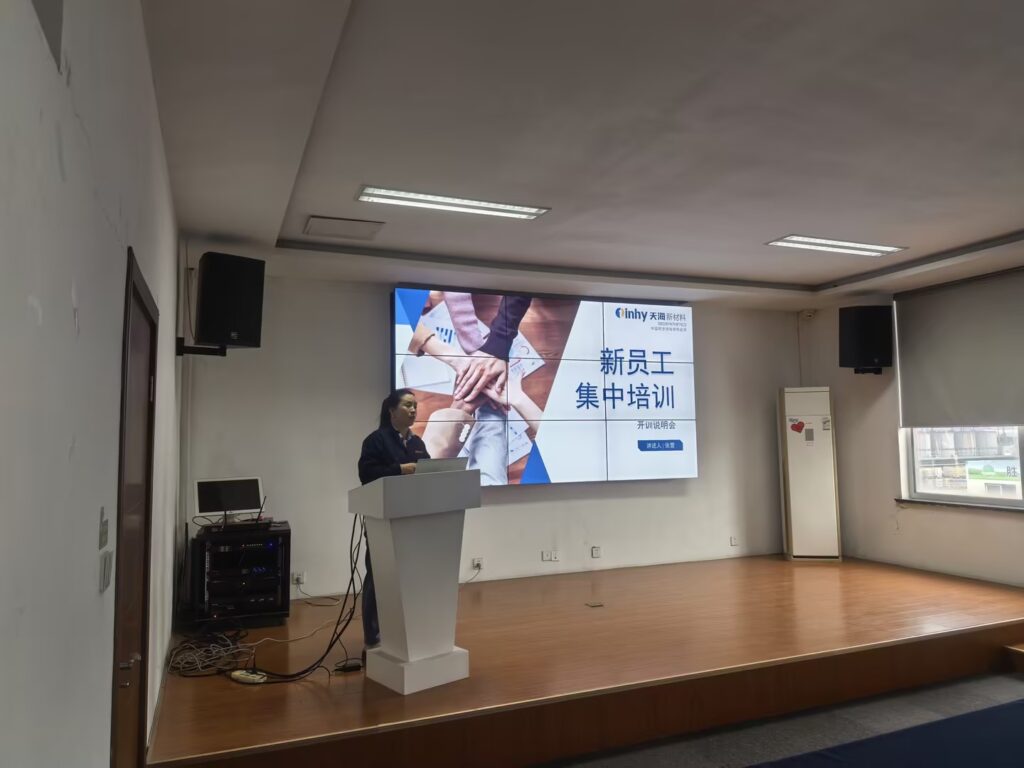
Empowering New Talent, Building the Future: Tinhy Successfully Conducts New Employee Orientation Training
Tinhy Conducts Comprehensive Emergency Drill to Strengthen Workplace Safety Defenses
Company Mid – Year Summary and Team – Building Activity Report
Is geomembrane a geotechnical engineering material?
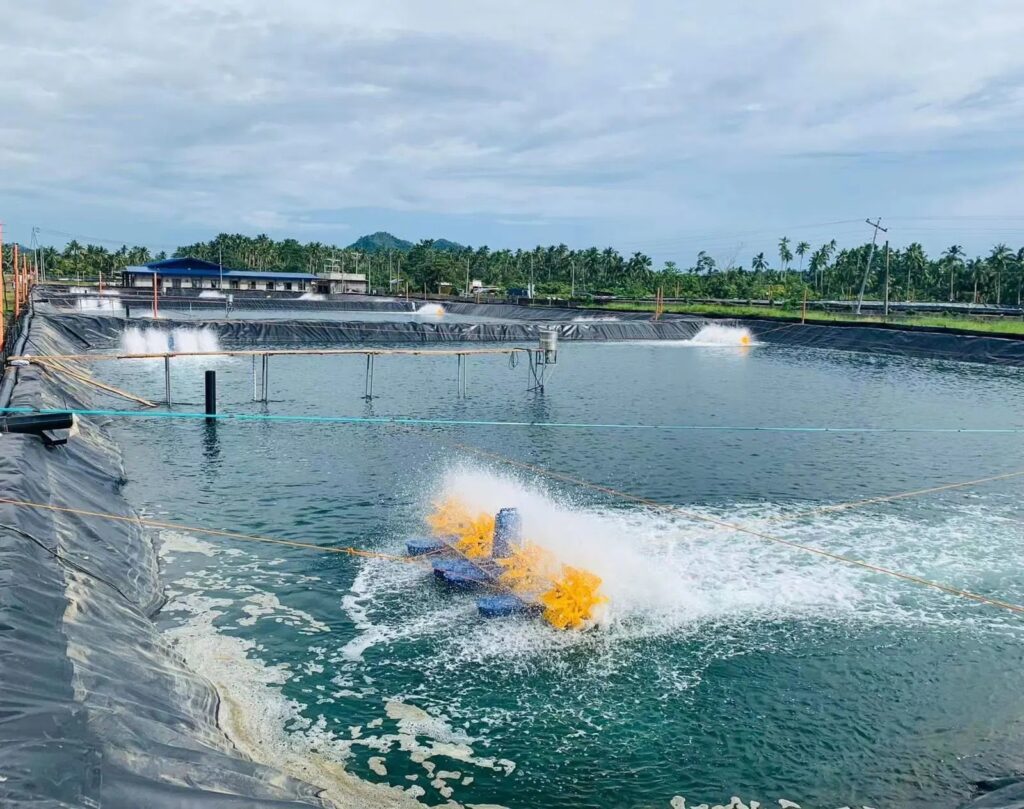
What are the application scenarios of geomembrane?
What are the functions of geotextiles?
Cómo elegir geomembrana de hdpe en proyectos de ingeniería
How to choose hdpe geomembrane in engineering projects
China’s Geotechnical Construction Materials Embrace New Opportunities
Tips for Moisture-Proof Storage of Geotextiles
Key Construction Points and Precautions for High-Density Polyethylene Geomembrane
what is pond lining material ?
What is geomembrane?
HDPE geomembrane construction plans and technical measures

What quality tests do HDPE geomembranes need to do?
Tinhy’s MDS® Drainage Solution
Installation Robots
Geocomposite Solutions for Global Infrastructure Projects | Tinhy Geosynthetics
Nonwoven Geotextile Membrane: A Practical Solution for Filtration, Drainage, Separation and Protection
How Much Does a Geomembrane Liner Cost?
20 Mil HDPE Liner: A Cost-Effective Geomembrane Solution for Ponds, Reservoirs and Light Containment
How Much Does Geotextile Cost per Square Foot?
Best HDPE Geomembrane 1.5 mm for Long-Term Containment Projects
What Is 400g/m² Geotextile? Properties, Applications and Selection Guide
Top 7 Global Geocomposite Manufacturers for Drainage, Reinforcement and Environmental Projects
Top 7 Global Pond Liner Suppliers in 2026
The 7 Best Geotextile 200 Review: 2026 Buyer’s Guide
Should HDPE or PVC be used to install geomembrane in reservoirs?
What is the price of geomembrane?
Material characteristics of three different geomembranes
Esquema de construcción de geomembrana de HDPE y medidas técnicas
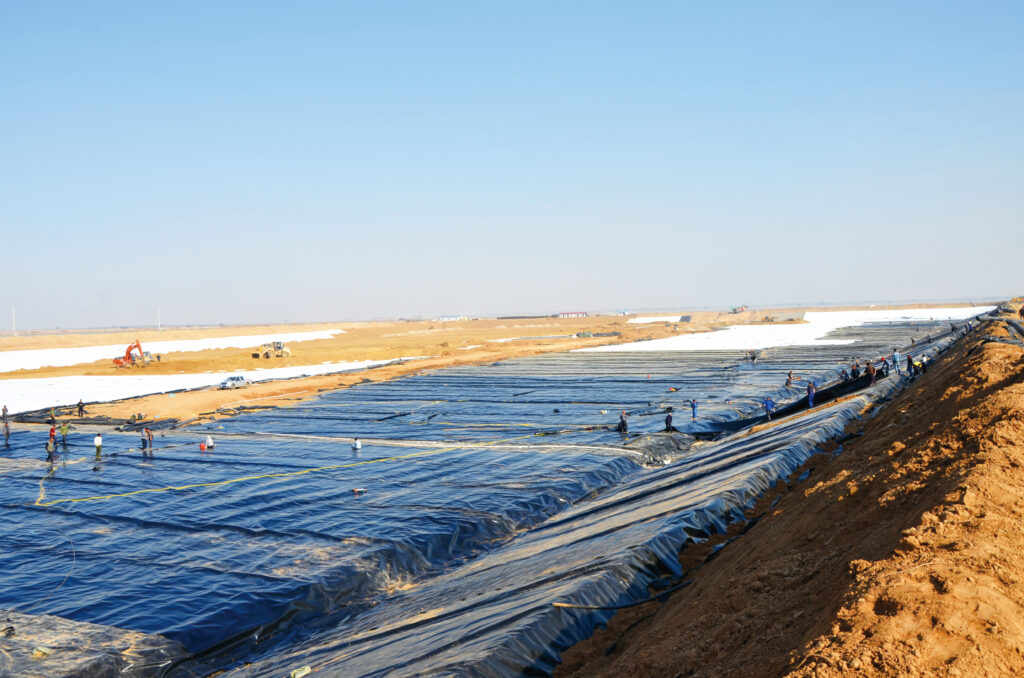
hdpe geomembrane pond liner in Congo (DRC)
How to lay and weld HDPE geomembrane?
HDPE geomembrane 0.2-4.0mm
HOME ABOUT PRODUCTS APPLICATION CONTENTUS RESOURCES
Home Resources Knowledge Base Geocomposite Solutions for Global Infrastructure Projects | Tinhy Geosynthetics

Geocomposite Solutions for Global Infrastructure Projects | Tinhy Geosynthetics

time:July 16, 2026 Views:8

Modern infrastructure projects increasingly require materials that can provide multiple functions while improving construction efficiency and reducing long-term maintenance costs. Traditional solutions often require separate layers for drainage, filtration, reinforcement and protection, increasing installation complexity and project expenses.

A geocomposite combines two or more geosynthetic materials into one engineered product to perform multiple functions within a single system.

By integrating materials such as:

  • Nonwoven geotextiles
  • Geonets
  • Geomembranes
  • Geogrids
  • Geosynthetic clay liners (GCL)

geocomposites provide efficient solutions for:

  • Drainage
  • Filtration
  • Separation
  • Reinforcement
  • Protection
  • Containment

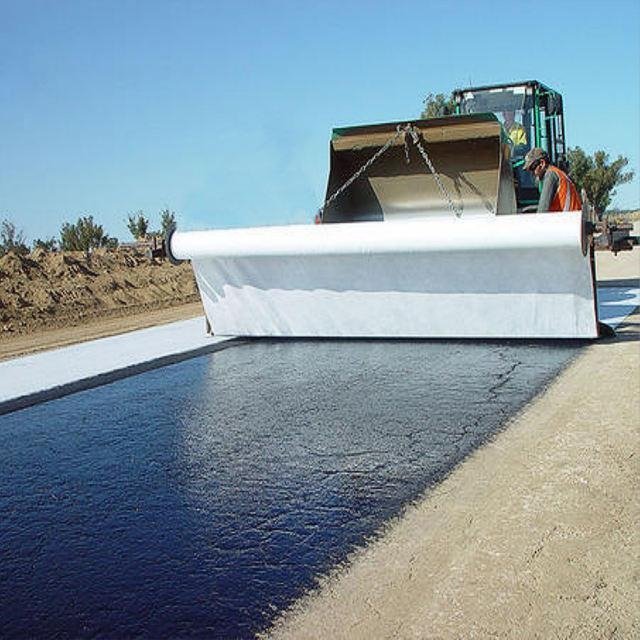
Today, geocomposites are widely used in highways, railways, landfills, mining, drainage systems, reservoirs, tunnels and environmental protection projects.

As a professional geosynthetics manufacturer, Tinhy Geosynthetics provides customized geocomposite solutions designed for different engineering requirements, helping customers achieve reliable performance, easier installation and improved lifecycle value.

What Is a Geocomposite?

A geocomposite is an engineered geosynthetic product made by combining two or more different geosynthetic materials.

Unlike traditional single-layer geosynthetics, geocomposites are designed to provide multiple functions simultaneously.

For example:

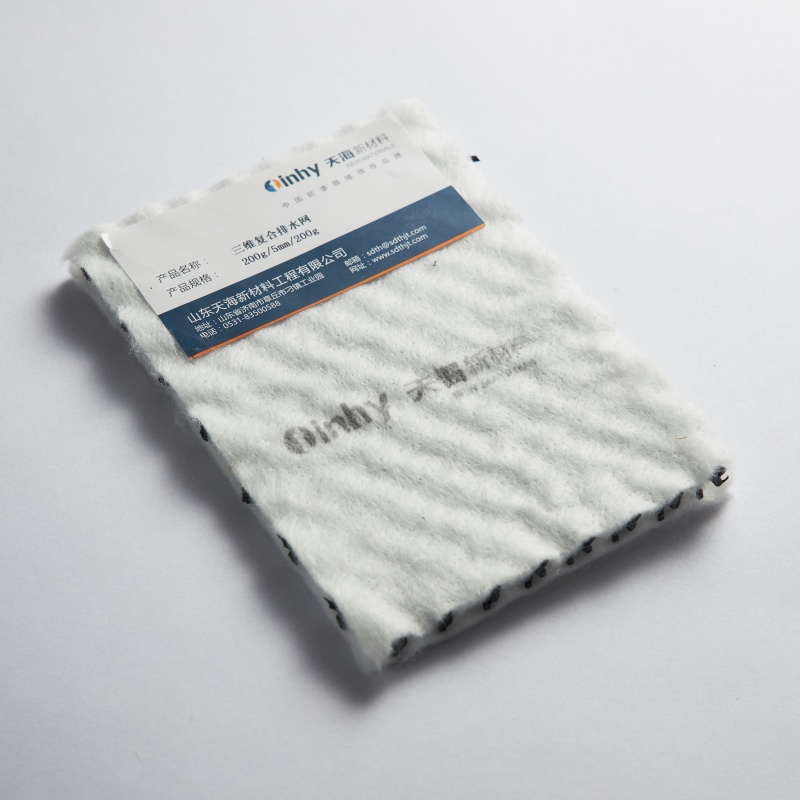
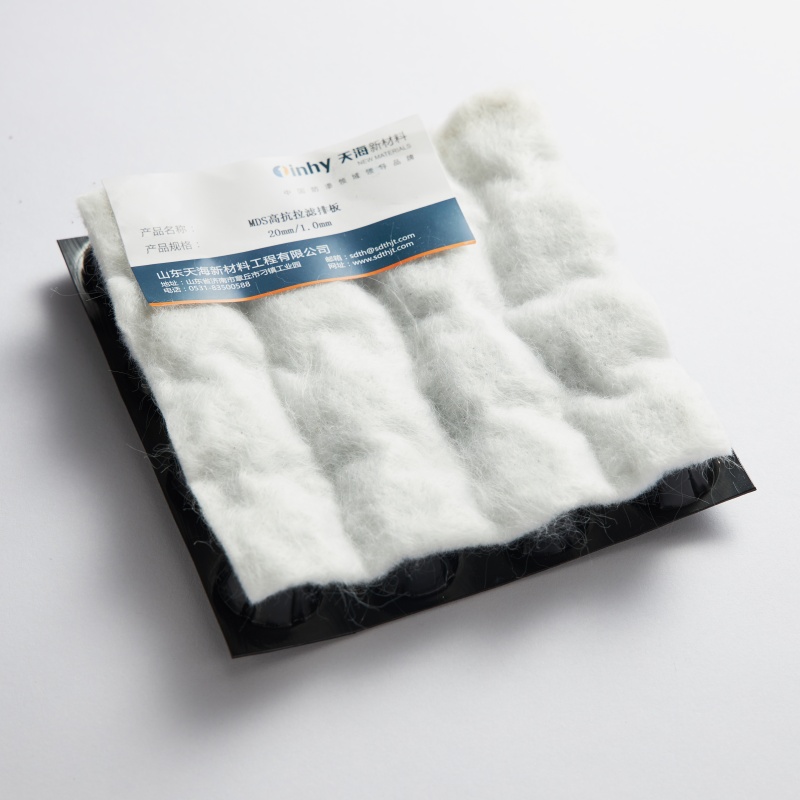
Geotextile + Geonet Composite

Provides:

  • Filtration
  • Drainage
  • Soil retention

Common applications:

  • Landfill drainage systems
  • Retaining walls
  • Road drainage

Geomembrane + Geotextile Composite

Provides:

  • Waterproofing
  • Protection
  • Separation

Common applications:

  • Reservoir lining
  • Wastewater containment
  • Landfill liners

Geogrid + Geotextile Composite

Provides:

  • Reinforcement
  • Stabilization
  • Separation

Common applications:

  • Roads
  • Embankments
  • Soft soil improvement

Why Are Geocomposites Important?

1. Multi-Function Performance

The biggest advantage of geocomposites is their ability to replace multiple traditional layers with one integrated product.

A drainage system that traditionally requires:

  • Filter layer
  • Drainage gravel
  • Protection layer

may be replaced by a geocomposite drainage system.

This reduces material usage, construction time and labor requirements.

2. Improved Drainage Efficiency

Geocomposites can provide efficient water flow pathways while preventing soil particles from blocking drainage systems.

Compared with traditional aggregate drainage layers, geocomposite drainage systems can:

  • Reduce construction thickness
  • Improve hydraulic performance
  • Reduce transportation costs
  • Simplify installation

3. Reduced Construction Cost

Although geocomposites may have a higher unit price than individual materials, they often reduce total project costs by:

  • Reducing excavation volume
  • Lowering aggregate requirements
  • Simplifying installation
  • Reducing construction time

For large infrastructure projects, these savings can significantly improve overall project economics.

4. Long-Term Durability

High-quality geocomposites are manufactured using durable polymers such as:

  • Polypropylene (PP)
  • High-density polyethylene (HDPE)
  • Polyester (PET)

They provide excellent resistance against:

  • Chemical exposure
  • Biological degradation
  • Moisture
  • Soil pressure
  • Environmental aging

Main Applications of Geocomposites

1. Landfill Engineering

Landfill systems require reliable drainage and containment performance.

Geocomposites are commonly used for:

  • Leachate collection systems
  • Gas drainage layers
  • Cover systems
  • Geomembrane protection

Advantages:

  • Improved drainage efficiency
  • Reduced gravel requirements
  • Better liner protection
  • Easier installation

2. Road and Highway Construction

Road structures often face problems caused by:

  • Poor drainage
  • Soft soil
  • Water accumulation
  • Aggregate contamination

Geocomposites help provide:

  • Separation between soil layers
  • Drainage improvement
  • Structural reinforcement

Applications include:

  • Highways
  • Parking areas
  • Airport pavements
  • Railway foundations

3. Mining Projects

Mining operations require strong containment and drainage systems.

Geocomposites are used in:

  • Heap leach pads
  • Tailings storage facilities
  • Mine wastewater ponds

They provide:

  • Chemical resistance
  • Drainage control
  • Geomembrane protection

4. Reservoirs and Water Containment

For reservoirs, canals and artificial lakes, geocomposites help improve liner system performance.

Typical structures include:

  • Geotextile protection layer
  • HDPE geomembrane
  • Drainage composite

Benefits:

  • Reduced leakage risk
  • Improved liner protection
  • Longer service life

5. Tunnel and Underground Engineering

Underground structures require effective waterproofing and drainage systems.

Geocomposites are commonly installed behind tunnel linings to:

  • Collect groundwater
  • Prevent water pressure buildup
  • Protect waterproof membranes

Common Types of Geocomposites

1. Drainage Geocomposite

Structure:

  • Geonet core
  • Nonwoven geotextile layers

Main Functions:

  • Drainage
  • Filtration
  • Soil separation

Applications:

  • Landfills
  • Foundations
  • Retaining walls

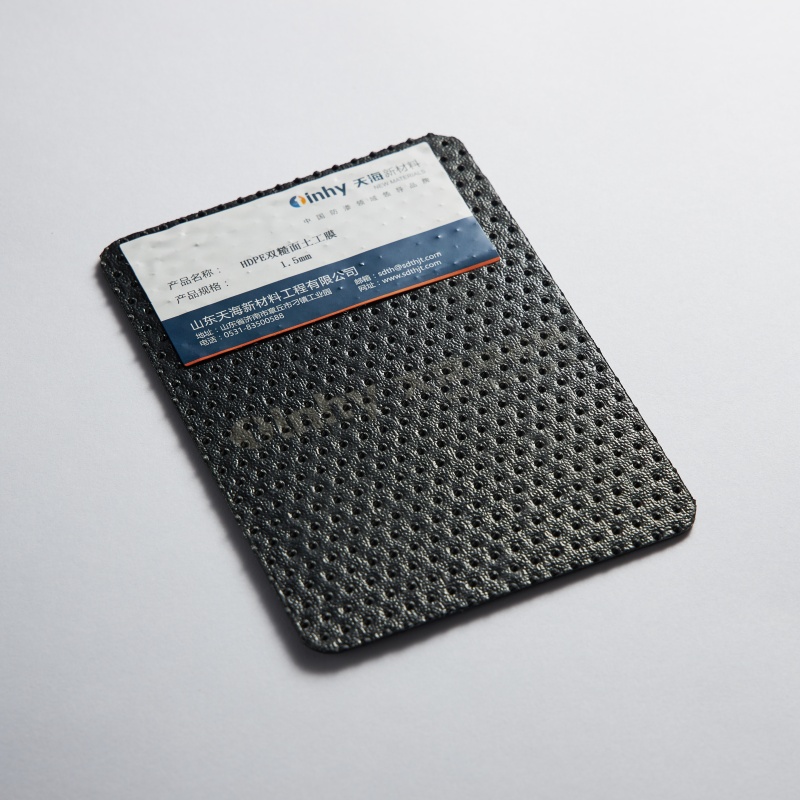
2. Geomembrane Composite

Structure:

  • HDPE geomembrane
  • Geotextile protection layer

Main Functions:

  • Waterproofing
  • Containment
  • Protection

Applications:

  • Landfills
  • Reservoirs
  • Wastewater facilities

3. Geogrid Composite

Structure:

  • Geogrid
  • Geotextile

Main Functions:

  • Reinforcement
  • Stabilization

Applications:

  • Roads
  • Embankments
  • Soft soil improvement

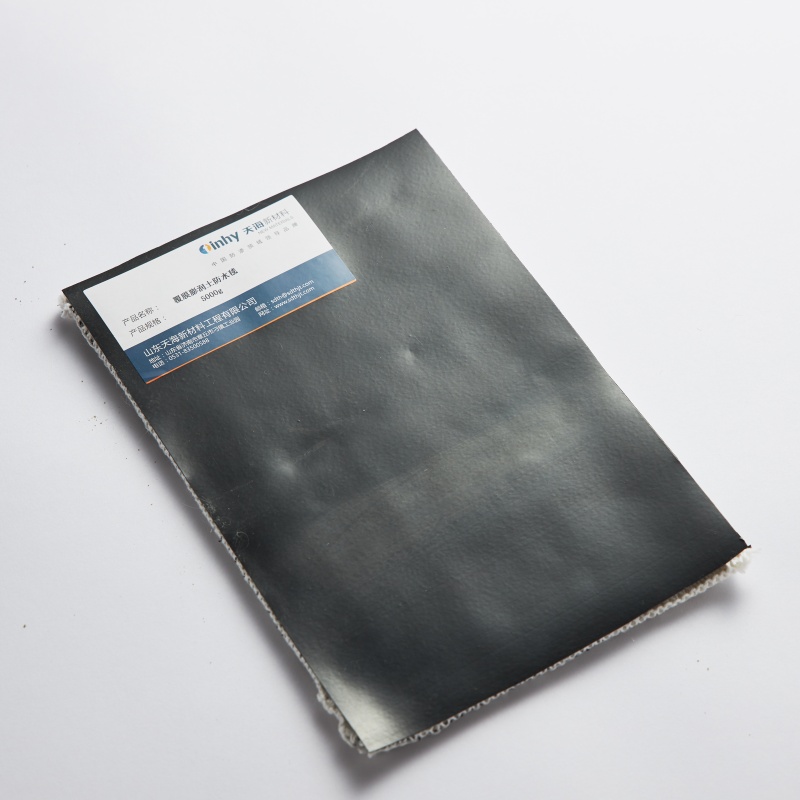
4. GCL Composite

Structure:

  • Bentonite layer
  • Geotextile layers
  • Optional polymer film

Main Functions:

  • Hydraulic barrier
  • Leakage prevention

Applications:

  • Landfills
  • Mining containment
  • Environmental protection

How to Select the Right Geocomposite?

Choosing the correct geocomposite requires considering project conditions and performance requirements.

1. Define the Main Function

First determine whether the project requires:

  • Drainage
  • Reinforcement
  • Protection
  • Filtration
  • Containment

Different functions require different structures.

2. Evaluate Hydraulic Performance

For drainage applications, important parameters include:

  • Transmissivity
  • Permittivity
  • Flow capacity
  • Soil retention capability

A suitable product should maintain drainage performance under expected pressure conditions.

3. Check Mechanical Strength

Important properties include:

  • Tensile strength
  • Burst resistance
  • Puncture resistance
  • Compression resistance

Heavy-duty applications require stronger materials.

4. Consider Chemical and Environmental Conditions

Projects involving:

  • Landfill leachate
  • Mining chemicals
  • Industrial wastewater

require materials with excellent chemical resistance.

HDPE-based geocomposites are often preferred for these applications.

5. Choose a Reliable Manufacturer

A professional geocomposite supplier should provide:

  • Technical data sheets
  • Quality certificates
  • Customized solutions
  • Production consistency
  • Engineering support

Why Choose Tinhy Geosynthetics?

Tinhy Geosynthetics specializes in manufacturing high-quality geosynthetic products for global civil engineering and environmental projects.

Our product range includes:

  • HDPE geomembranes
  • Textured geomembranes
  • Nonwoven geotextiles
  • Woven geotextiles
  • Geocomposites
  • Geosynthetic clay liners (GCL)
  • Drainage solutions

Tinhy Geocomposite Advantages

Customized Engineering Solutions

Different projects require different structures. Tinhy provides customized combinations of:

  • Geotextiles
  • Drainage layers
  • Geomembranes
  • Reinforcement materials

Reliable Material Performance

Tinhy products are designed for demanding applications including:

  • Landfills
  • Mining
  • Roads
  • Reservoirs
  • Wastewater treatment

Professional Manufacturing

Tinhy focuses on:

  • Stable production quality
  • Strict quality control
  • Customized specifications
  • International project support

Global Project Experience

Tinhy Geosynthetics supports customers worldwide with solutions for:

  • Environmental protection
  • Infrastructure construction
  • Water management
  • Mining engineering

Geocomposite Selection Checklist

Before purchasing, confirm:

Item Details
Application Landfill, road, mining, reservoir, drainage
Required Function Drainage, reinforcement, protection, containment
Material Combination Geotextile, geonet, geomembrane, geogrid
Hydraulic Requirement Flow capacity and filtration performance
Mechanical Requirement Tensile and puncture resistance
Chemical Exposure Wastewater, leachate, mining chemicals
Project Area Total installation area
Installation Method Field installation requirements
Certification Technical documents required

Frequently Asked Questions

What is a geocomposite used for?

Geocomposites are used for drainage, filtration, separation, reinforcement, protection and containment in civil engineering projects.

What is the difference between geocomposite and geotextile?

A geotextile is usually a single-layer material used for filtration or separation. A geocomposite combines multiple geosynthetic materials to provide multiple functions.

Are geocomposites better than traditional drainage systems?

For many projects, geocomposites can reduce material volume, simplify installation and improve drainage efficiency compared with traditional aggregate systems.

Can geocomposites be customized?

Yes. Manufacturers can customize material combinations, thickness, strength and dimensions according to project requirements.

What projects need geocomposites?

Common applications include:

  • Landfills
  • Mining facilities
  • Roads
  • Railways
  • Reservoirs
  • Tunnels
  • Wastewater treatment systems

Conclusion

Geocomposites provide an efficient solution for modern engineering challenges by combining drainage, filtration, reinforcement, protection and containment functions into integrated systems.

Compared with traditional construction methods, geocomposites can reduce installation complexity, improve project performance and provide long-term economic benefits.

With professional manufacturing capabilities and comprehensive geosynthetic solutions, Tinhy Geosynthetics helps engineers, contractors and project owners select reliable geocomposite products for infrastructure and environmental protection projects worldwide.

Contact Tinhy Geosynthetics today to discuss your project requirements and receive a customized geocomposite solution.

Knowledge Base
Share:
info@tinhygeosynthetics.com Bai Jinxi
Consultation

    Get The Latest Product Prices

    Your inquiries are welcomed at any time and please feel free to contact us via email, phone calls, and online chatbox on our site.

    We will definitely give you a reply ASAP after we receive your messages.

      0/180