Resources
Company News
Industry News
Knowledge Base
Project Cases
Innovation
Team Power Fuels TINHY’s Global Geosynthetics Solutions
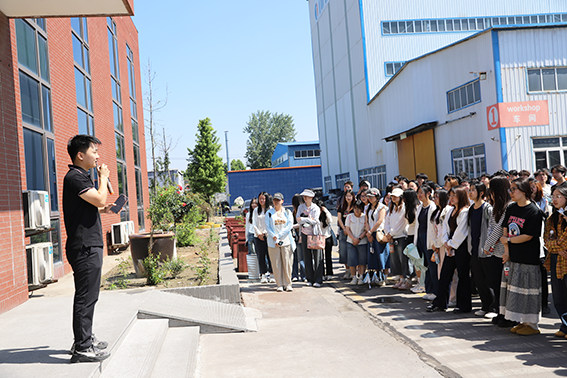
Tinhy and University of Jinan Celebrate Six Years of Industry–University Collaboration
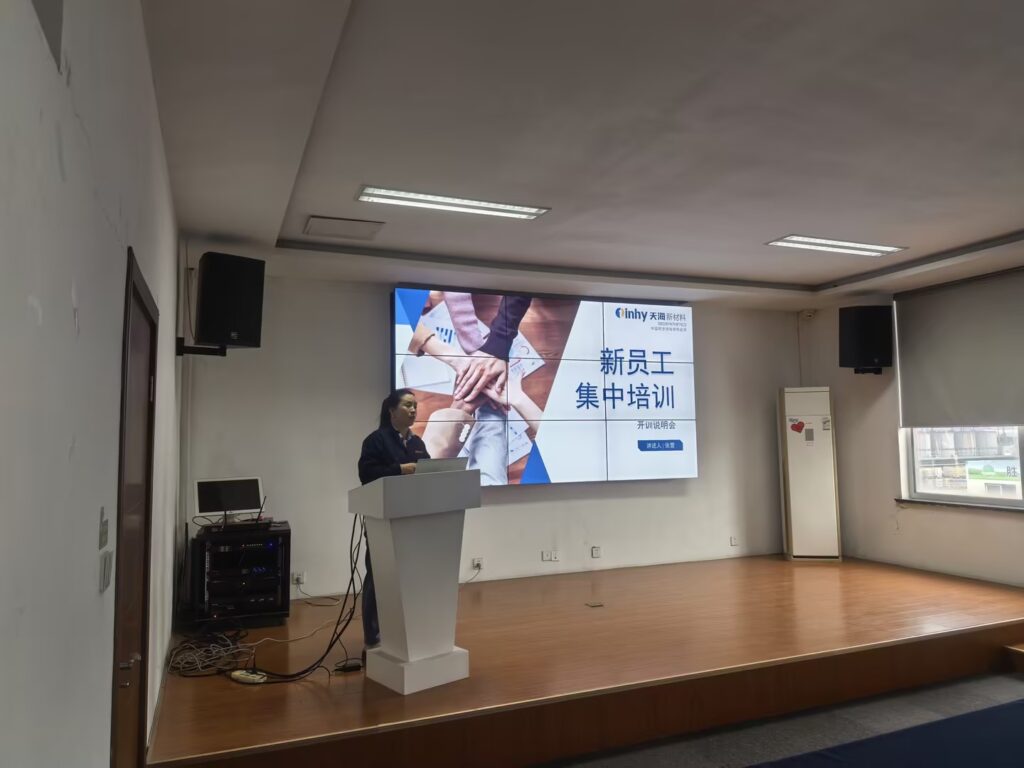
Empowering New Talent, Building the Future: Tinhy Successfully Conducts New Employee Orientation Training
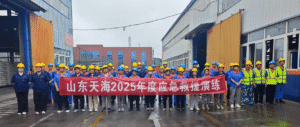
Tinhy Conducts Comprehensive Emergency Drill to Strengthen Workplace Safety Defenses
Company Mid – Year Summary and Team – Building Activity Report
Is geomembrane a geotechnical engineering material?
What are the application scenarios of geomembrane?
What are the functions of geotextiles?
Cómo elegir geomembrana de hdpe en proyectos de ingeniería
How to choose hdpe geomembrane in engineering projects
China’s Geotechnical Construction Materials Embrace New Opportunities
Tips for Moisture-Proof Storage of Geotextiles
Key Construction Points and Precautions for High-Density Polyethylene Geomembrane
what is pond lining material ?
What is geomembrane?
HDPE geomembrane construction plans and technical measures
What quality tests do HDPE geomembranes need to do?
Tinhy’s MDS® Drainage Solution
Installation Robots
Best Geomembrane for Mining: How to Choose the Right Liner for Long-Term Containment Performance
Soil Stabilization Geotextile: 7 Proven Benefits for Stronger and Longer-Lasting Infrastructure
Geomembrane Cost Per Square Foot: The Complete 2026 Buyer’s Guide for Cost-Effective Containment Projects
Geomembrane in Road Construction: 7 Proven Benefits for Building Longer-Lasting Roads
Geocomposite Solutions for Global Infrastructure Projects | Tinhy Geosynthetics
Nonwoven Geotextile Membrane: A Practical Solution for Filtration, Drainage, Separation and Protection
How Much Does a Geomembrane Liner Cost?
20 Mil HDPE Liner: A Cost-Effective Geomembrane Solution for Ponds, Reservoirs and Light Containment
How Much Does Geotextile Cost per Square Foot?
Best HDPE Geomembrane 1.5 mm for Long-Term Containment Projects
Should HDPE or PVC be used to install geomembrane in reservoirs?
What is the price of geomembrane?
Material characteristics of three different geomembranes
Esquema de construcción de geomembrana de HDPE y medidas técnicas
hdpe geomembrane pond liner in Congo (DRC)
How to lay and weld HDPE geomembrane?
HDPE geomembrane 0.2-4.0mm
HOME ABOUT PRODUCTS APPLICATION CONTENTUS RESOURCES
Home Resources Knowledge Base Soil Stabilization Geotextile: 7 Proven Benefits for Stronger and Longer-Lasting Infrastructure

Soil Stabilization Geotextile: 7 Proven Benefits for Stronger and Longer-Lasting Infrastructure

time:July 21, 2026 Views:17

Introduction

Soil stabilization geotextile has become one of the most effective geosynthetic solutions for improving weak foundations in transportation and civil engineering projects. Whether constructing highways, railways, embankments, industrial yards, or temporary access roads, engineers often face unstable soils with low bearing capacity, excessive settlement, and poor drainage.

Traditional ground improvement methods such as soil replacement, lime stabilization, or deep compaction can be expensive, labor-intensive, and environmentally disruptive. As infrastructure projects demand faster construction and longer service life, geotextile reinforcement has become a more practical and economical alternative.

At Tinhy Geosynthetics, we have over 20 years of experience manufacturing woven and nonwoven geotextiles for infrastructure projects in more than 40 countries. Our soil stabilization geotextiles are designed to improve foundation stability, reduce construction costs, and extend pavement life under challenging site conditions.

In this guide, we explain how soil stabilization geotextiles work, their key engineering advantages, common applications, and how to select the right product for your project.

What Is a Soil Stabilization Geotextile?

A soil stabilization geotextile is a high-strength geosynthetic fabric installed between weak subgrade soils and aggregate layers to improve the performance of the pavement structure.

Depending on the project, stabilization geotextiles may be manufactured as:

  • Woven polypropylene geotextiles
  • Woven polyester geotextiles
  • High-strength composite geotextiles

Unlike ordinary construction fabrics, stabilization geotextiles are engineered to perform several functions simultaneously, including:

  • Separation
  • Reinforcement
  • Filtration
  • Drainage
  • Confinement of aggregates

These combined functions help maintain a stable road foundation while reducing long-term maintenance requirements.

How Does Soil Stabilization Geotextile Work?

The effectiveness of a stabilization geotextile comes from its ability to reinforce the interface between weak soil and aggregate.

Without a geotextile, heavy traffic causes aggregate to sink into soft soil while fine particles migrate upward into the base course. Over time, the pavement loses its structural integrity.

By introducing a woven geotextile between these layers, the material:

  • Prevents intermixing of soils
  • Distributes loads more evenly
  • Restricts lateral movement of aggregates
  • Maintains drainage performance
  • Improves overall pavement stability

This mechanism significantly increases the load-bearing capacity of weak foundations.

1. Increases Load-Bearing Capacity

One of the primary benefits of soil stabilization geotextiles is their ability to improve load distribution.

The woven fabric develops tensile forces when subjected to traffic loads, creating a membrane effect that spreads stress over a larger area.

This reduces pressure on the underlying soil and minimizes localized deformation.

As a result, roads can support heavier vehicles while maintaining structural stability.

2. Prevents Mixing Between Soil and Aggregate

Road structures rely on distinct material layers.

When aggregate mixes with soft subgrade soil, drainage decreases and bearing capacity rapidly declines.

A soil stabilization geotextile acts as a permanent separator, preserving the integrity of each construction layer.

Benefits include:

  • Stable aggregate thickness
  • Improved drainage
  • Reduced rutting
  • Better long-term pavement performance

This separation function is especially important in soft clay and silty soils.

3. Reduces Construction Costs

Ground improvement often represents a significant portion of project budgets.

By improving subgrade performance, geotextiles allow engineers to optimize pavement design.

Potential savings include:

  • Reduced aggregate consumption
  • Less excavation
  • Lower transportation costs
  • Reduced equipment operation
  • Shorter construction schedules

Although geotextiles add a material cost, they frequently lower the overall construction cost through improved efficiency.

4. Accelerates Project Construction

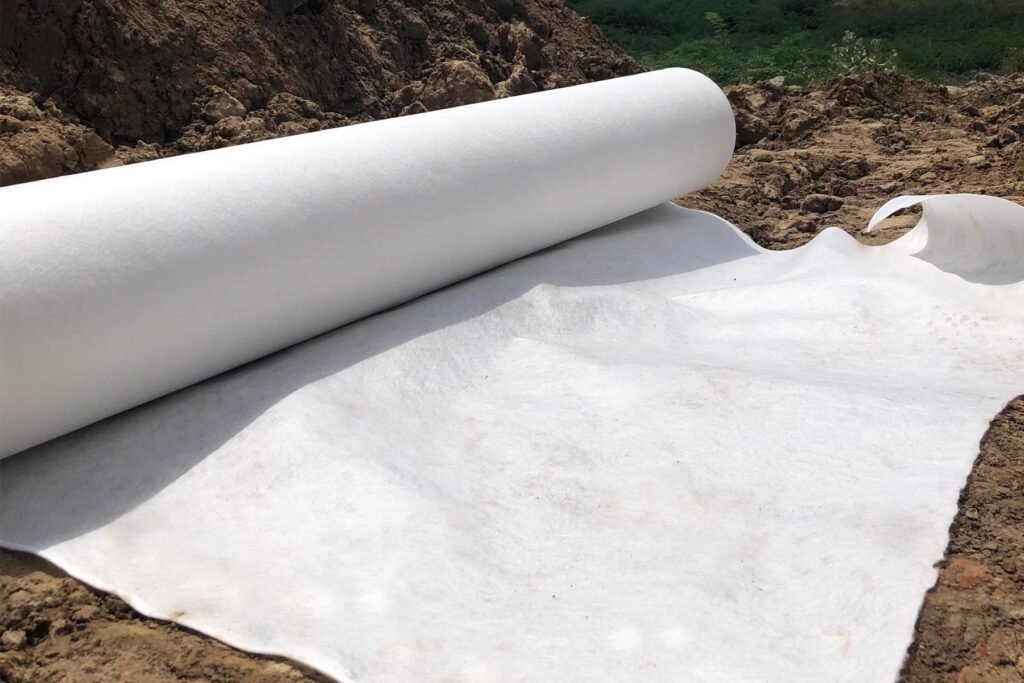
Unlike chemical stabilization methods that require curing time, geotextiles provide immediate reinforcement after installation.

Contractors can:

  • Prepare the subgrade
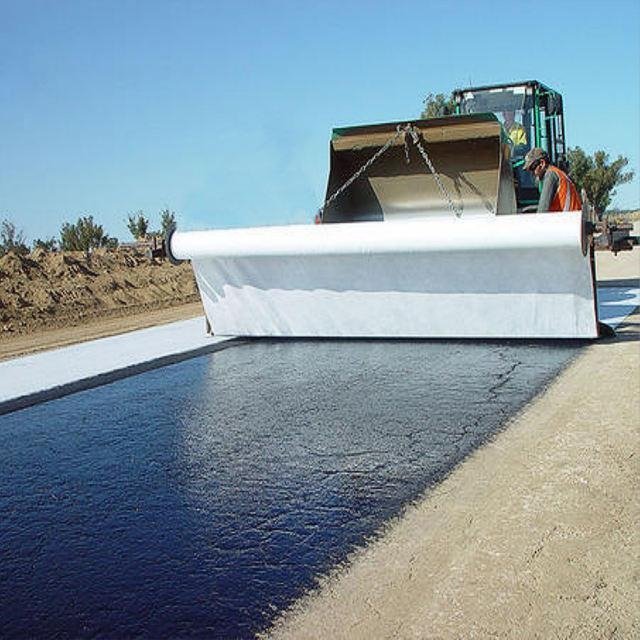
  • Unroll the geotextile
  • Place aggregate
  • Begin compaction immediately

This simple installation process helps reduce project delays, particularly in regions with limited construction seasons or unpredictable weather.

5. Improves Drainage While Maintaining Soil Stability

Proper drainage is essential for long-term pavement performance.

High-quality stabilization geotextiles allow water to pass while retaining fine soil particles.

This prevents:

  • Water accumulation
  • Pumping of fine soils
  • Loss of aggregate support
  • Subgrade softening

The result is a stronger and more durable pavement structure.

6. Delivers Long-Term Durability

Modern woven geotextiles are manufactured from high-performance polypropylene or polyester fibers with excellent resistance to:

  • Biological degradation
  • Chemicals
  • Moisture
  • Soil microorganisms
  • UV exposure during construction

Because they do not rot or corrode, geotextiles maintain their engineering performance for decades when properly installed.

This makes them suitable for permanent infrastructure projects.

7. Supports Sustainable Infrastructure Development

Sustainability has become an essential objective for infrastructure owners.

By reducing the need for imported aggregate, minimizing excavation, and extending pavement service life, soil stabilization geotextiles help lower the environmental footprint of construction projects.

Additional environmental benefits include:

  • Reduced natural resource consumption
  • Lower carbon emissions from material transport
  • Less construction waste
  • Extended infrastructure lifespan

These advantages contribute to greener and more sustainable civil engineering practices.

Common Applications of Soil Stabilization Geotextiles

Because of their versatility, stabilization geotextiles are used across numerous industries.

Roads and Highways

Improve pavement stability on weak subgrades and reduce long-term maintenance.

Railways

Separate ballast from subgrade while maintaining drainage and track geometry.

Industrial Yards

Support heavy equipment and repeated traffic loads.

Temporary Access Roads

Provide stable working platforms on soft ground.

Airport Pavements

Increase foundation stability under high aircraft loads.

Embankments and Slopes

Improve soil reinforcement and reduce erosion.

Landfills

Protect geomembranes while improving drainage and foundation stability.

How to Choose the Right Soil Stabilization Geotextile

Selecting the right geotextile depends on several engineering factors.

Evaluate Soil Conditions

Soft clay, silt, peat, and saturated soils generally require higher tensile strength.

Consider Traffic Loads

Projects carrying heavy trucks or industrial equipment typically require woven high-strength geotextiles.

Review Drainage Requirements

Proper filtration properties are essential for preventing clogging while allowing water to pass.

Verify Mechanical Properties

Important specifications include:

  • Tensile strength
  • Elongation
  • Puncture resistance
  • Apparent opening size (AOS)
  • Permittivity

These values should match the project design requirements.

Why Choose Tinhy Geosynthetics?

At Tinhy Geosynthetics, we provide engineered geotextile solutions that combine quality, durability, and performance.

Our advantages include:

  • More than 20 years of manufacturing experience
  • Advanced automated production lines
  • Strict in-house quality control
  • ISO 9001, ISO 14001, and ISO 45001 certified manufacturing
  • Complete range of woven and nonwoven geotextiles
  • Customized product specifications
  • Professional technical support
  • Export experience to over 40 countries

Whether your project involves highways, railways, mining, ports, or industrial infrastructure, Tinhy delivers reliable geosynthetic solutions tailored to your engineering requirements.

Frequently Asked Questions

What is a soil stabilization geotextile?

A soil stabilization geotextile is a high-strength geosynthetic fabric used to reinforce weak soils, separate aggregate from subgrade, and improve pavement performance.

What type of geotextile is best for soil stabilization?

Woven polypropylene geotextiles are commonly preferred because they provide high tensile strength, low elongation, and excellent long-term durability.

Can geotextiles reduce aggregate thickness?

Yes. By improving load distribution and reinforcing the subgrade, geotextiles often allow engineers to optimize aggregate thickness without compromising performance.

Are soil stabilization geotextiles suitable for wet ground?

Yes. They perform particularly well in saturated or soft soils by maintaining separation while allowing water to drain.

How long do stabilization geotextiles last?

High-quality geotextiles can provide decades of reliable service when properly selected and installed in permanent infrastructure projects.

Conclusion

Soil stabilization geotextile has become an indispensable material in modern civil engineering because it improves load-bearing capacity, maintains separation between soil and aggregate, enhances drainage, accelerates construction, and extends infrastructure service life. Compared with traditional ground improvement methods, geotextiles offer a more economical, efficient, and environmentally responsible solution for weak soil conditions.

At Tinhy Geosynthetics, we are committed to supplying high-performance woven and nonwoven geotextiles that meet the demanding requirements of transportation, infrastructure, mining, and environmental projects worldwide. Backed by advanced manufacturing, strict quality control, and experienced technical support, we help customers build stronger foundations and achieve long-term project success.

Knowledge Base
Share:
info@tinhygeosynthetics.com Bai Jinxi
Consultation

    Get The Latest Product Prices

    Your inquiries are welcomed at any time and please feel free to contact us via email, phone calls, and online chatbox on our site.

    We will definitely give you a reply ASAP after we receive your messages.

      0/180