Resources
Company News
Industry News
Knowledge Base
Project Cases
Innovation
Team Power Fuels TINHY’s Global Geosynthetics Solutions
Tinhy and University of Jinan Celebrate Six Years of Industry–University Collaboration
Empowering New Talent, Building the Future: Tinhy Successfully Conducts New Employee Orientation Training
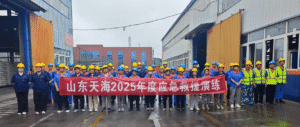
Tinhy Conducts Comprehensive Emergency Drill to Strengthen Workplace Safety Defenses
Company Mid – Year Summary and Team – Building Activity Report
Is geomembrane a geotechnical engineering material?
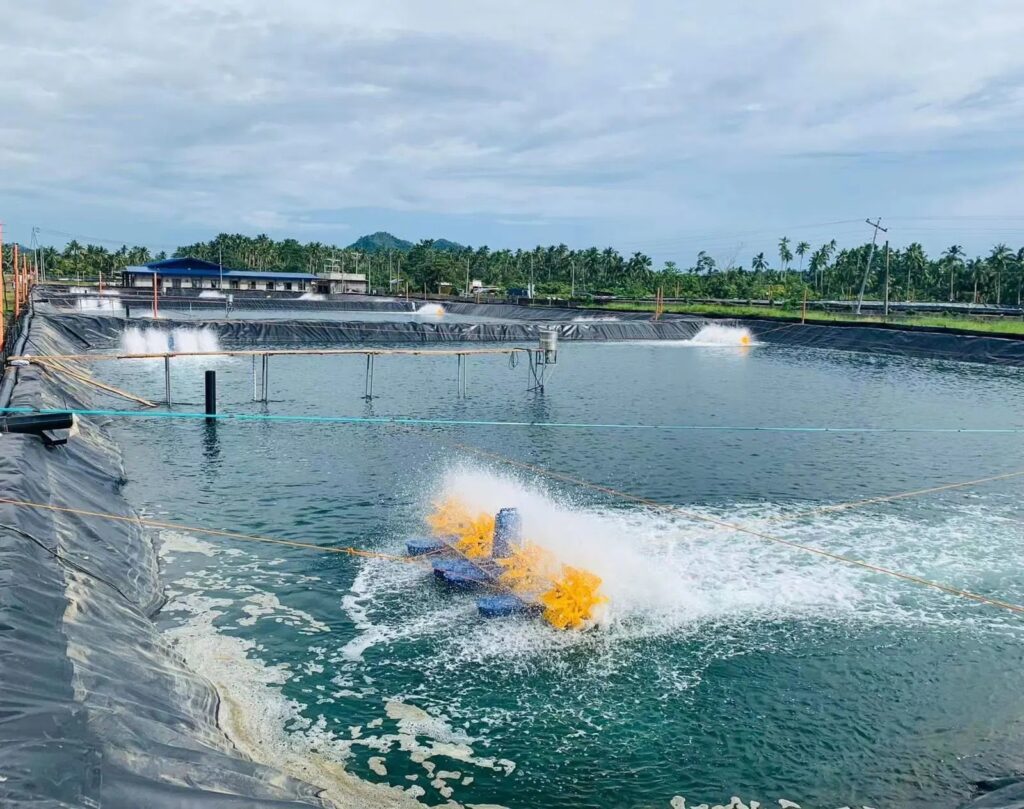
What are the application scenarios of geomembrane?
What are the functions of geotextiles?
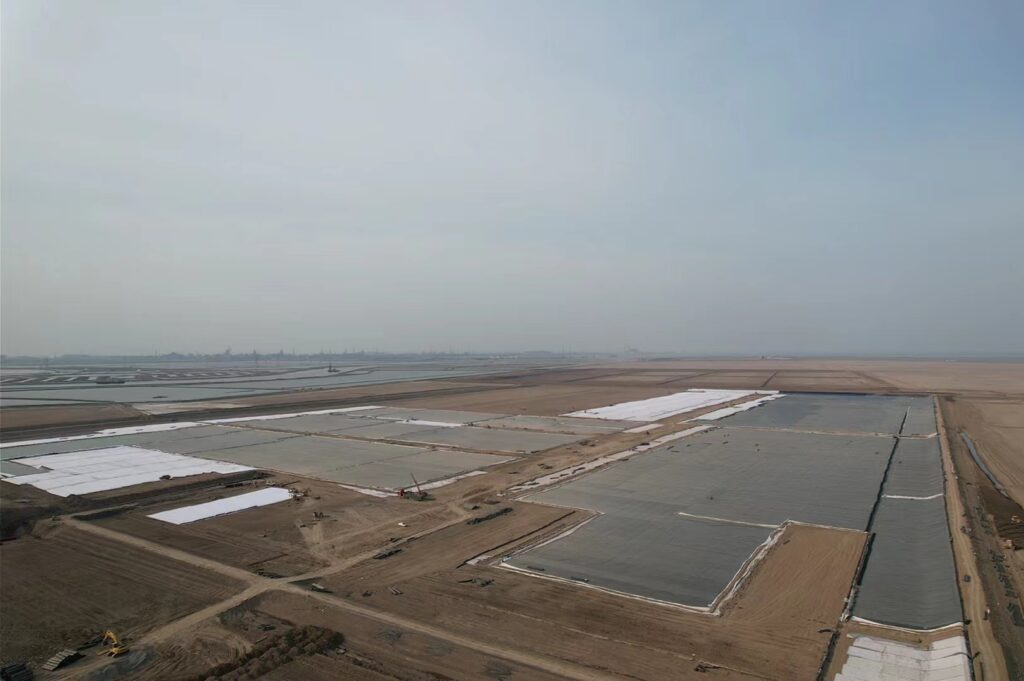
Cómo elegir geomembrana de hdpe en proyectos de ingeniería
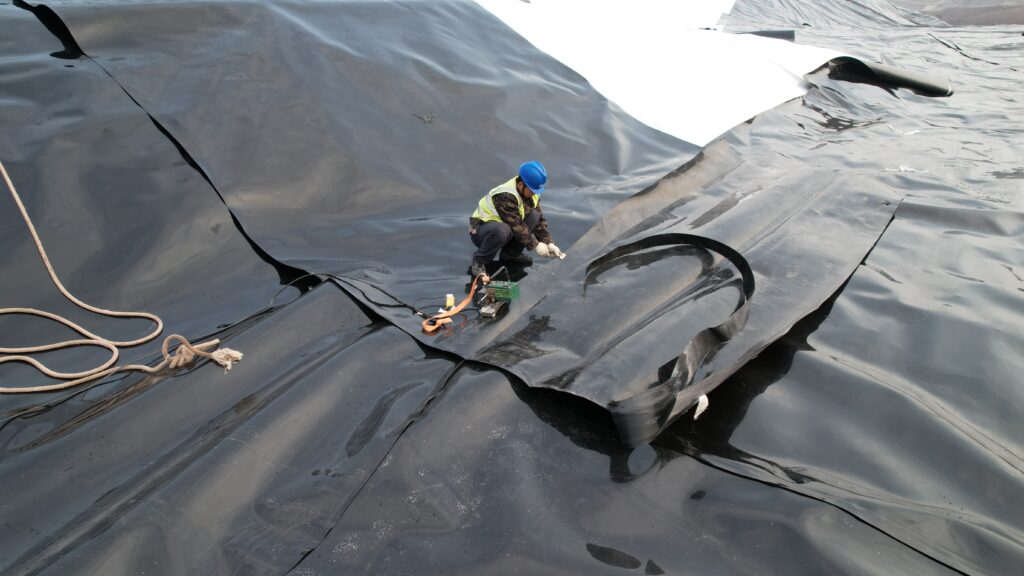
How to choose hdpe geomembrane in engineering projects
China’s Geotechnical Construction Materials Embrace New Opportunities
Tips for Moisture-Proof Storage of Geotextiles
Key Construction Points and Precautions for High-Density Polyethylene Geomembrane
what is pond lining material ?
What is geomembrane?
HDPE geomembrane construction plans and technical measures
What quality tests do HDPE geomembranes need to do?
Tinhy’s MDS® Drainage Solution
Installation Robots
PVC Dam Liners: The Complete Guide to Choosing the Right Waterproof Liner for Reservoirs and Irrigation Dams
Geotextile Landscape Fabric: The Complete Guide to Choosing the Right Material for Landscaping Projects
Best Geomembrane for Mining: How to Choose the Right Liner for Long-Term Containment Performance
Soil Stabilization Geotextile: 7 Proven Benefits for Stronger and Longer-Lasting Infrastructure
Geomembrane Cost Per Square Foot: The Complete 2026 Buyer’s Guide for Cost-Effective Containment Projects
Geomembrane in Road Construction: 7 Proven Benefits for Building Longer-Lasting Roads
Geocomposite Solutions for Global Infrastructure Projects | Tinhy Geosynthetics
Nonwoven Geotextile Membrane: A Practical Solution for Filtration, Drainage, Separation and Protection
How Much Does a Geomembrane Liner Cost?
20 Mil HDPE Liner: A Cost-Effective Geomembrane Solution for Ponds, Reservoirs and Light Containment
Should HDPE or PVC be used to install geomembrane in reservoirs?
What is the price of geomembrane?
Material characteristics of three different geomembranes
Esquema de construcción de geomembrana de HDPE y medidas técnicas
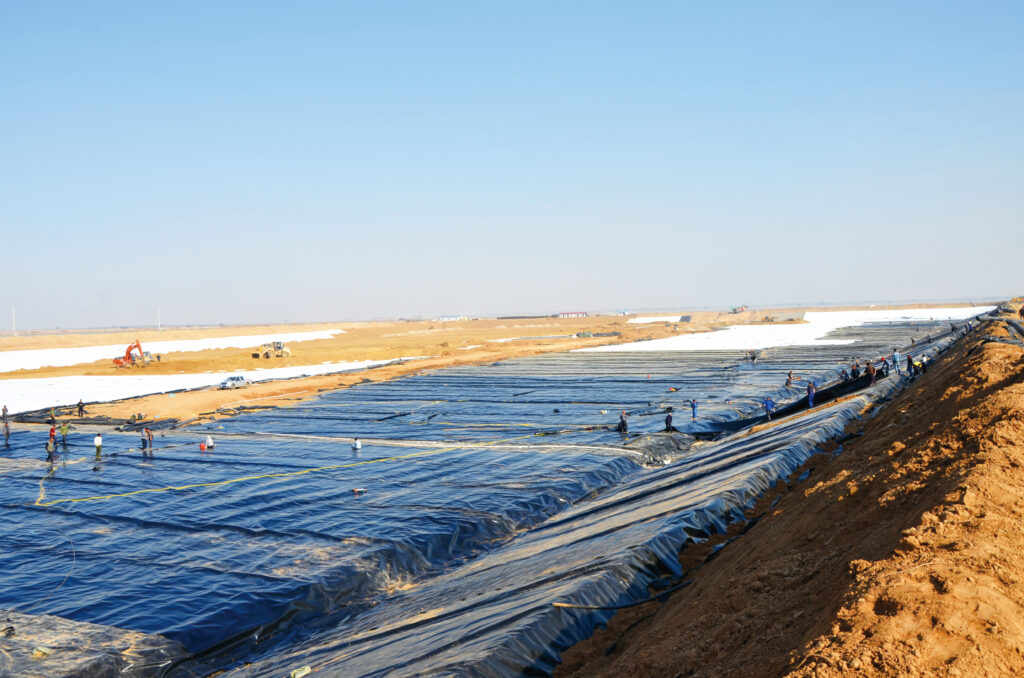
hdpe geomembrane pond liner in Congo (DRC)
How to lay and weld HDPE geomembrane?
HDPE geomembrane 0.2-4.0mm
HOME ABOUT PRODUCTS APPLICATION CONTENTUS RESOURCES
Home Resources Knowledge Base PVC Dam Liners: The Complete Guide to Choosing the Right Waterproof Liner for Reservoirs and Irrigation Dams

PVC Dam Liners: The Complete Guide to Choosing the Right Waterproof Liner for Reservoirs and Irrigation Dams

time:July 24, 2026 Views:7

Introduction

PVC dam liners are one of the most widely used geomembrane solutions for water containment projects due to their flexibility, excellent waterproof performance, and ease of installation. From agricultural reservoirs and irrigation dams to landscape lakes, fish ponds, and municipal water storage systems, PVC liners provide an effective barrier that minimizes seepage and conserves valuable water resources.

As water scarcity and environmental protection become increasingly important worldwide, selecting the right dam liner has become a critical decision for engineers, contractors, and project owners. A properly designed liner system not only reduces water loss but also extends the service life of reservoirs while lowering long-term maintenance costs.

At Tinhy Geosynthetics, we have over 20 years of experience manufacturing premium geomembranes for water conservancy, environmental protection, mining, agriculture, and infrastructure projects across more than 40 countries. Our PVC geomembranes are engineered to deliver dependable waterproofing performance under a wide range of environmental conditions.

This guide explains how PVC dam liners work, their key advantages, typical applications, selection criteria, and how to determine whether PVC or HDPE is the better choice for your project.

What Are PVC Dam Liners?

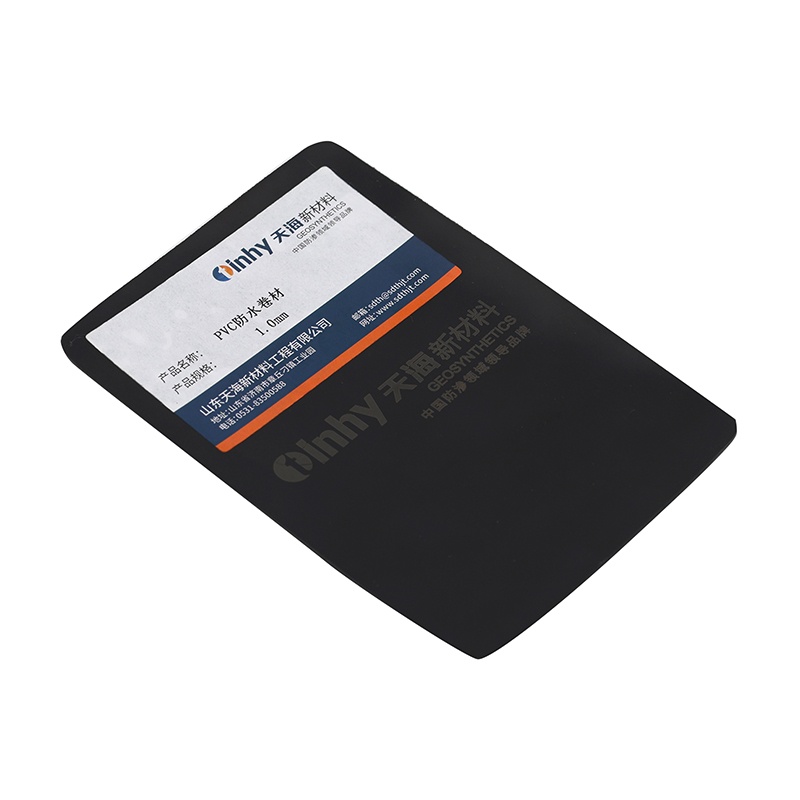
PVC (Polyvinyl Chloride) dam liners are flexible geomembranes manufactured from high-quality PVC resin blended with plasticizers, UV stabilizers, antioxidants, and other performance-enhancing additives.

Unlike rigid geomembranes, PVC liners easily conform to irregular subgrades and complex reservoir shapes without creating excessive stress during installation.

Because of their flexibility and excellent weldability, PVC liners are commonly selected for projects where installation speed and adaptability are priorities.

Typical thicknesses include:

  • 0.5 mm
  • 0.75 mm
  • 1.0 mm
  • 1.5 mm
  • 2.0 mm

The appropriate thickness depends on water depth, foundation conditions, expected service life, and project requirements.

How Do PVC Dam Liners Work?

PVC geomembranes create a continuous impermeable barrier between stored water and the surrounding soil.

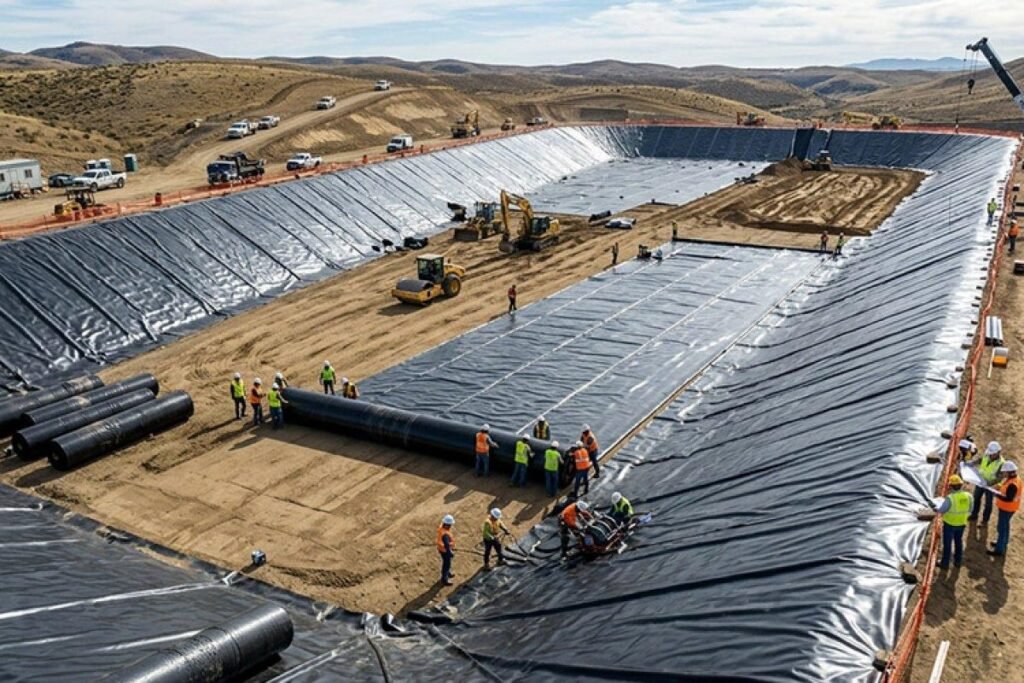
After installation, adjacent sheets are thermally welded together to form watertight seams. This continuous membrane effectively prevents seepage through the reservoir floor and side slopes.

A complete lining system generally includes:

  • Prepared subgrade
  • Protective geotextile (if required)
  • PVC geomembrane
  • Anchor trench
  • Protective cover layer (when necessary)

When properly installed, the system minimizes water loss while protecting surrounding soil from erosion and seepage.

Key Benefits of PVC Dam Liners

1. Excellent Flexibility

One of the greatest advantages of PVC geomembranes is their outstanding flexibility.

Unlike more rigid geomembranes, PVC liners easily adapt to uneven foundations, curved embankments, and complex reservoir geometries.

This flexibility minimizes installation stress and reduces the likelihood of damage caused by minor ground movement.

For projects with irregular terrain, PVC liners are often easier to install than stiffer geomembrane materials.

2. Reliable Waterproof Performance

Preventing water loss is the primary function of every dam liner.

PVC geomembranes provide excellent impermeability, significantly reducing seepage through reservoir bottoms and side slopes.

This helps:

  • Improve water conservation
  • Increase irrigation efficiency
  • Reduce groundwater contamination
  • Maintain stable reservoir water levels

For agricultural water storage systems, minimizing seepage directly improves water availability throughout the growing season.

3. Easy Installation

PVC liners are lightweight and flexible, making them easier to transport, position, and install than many rigid geomembranes.

Installation advantages include:

  • Easy handling
  • Rapid deployment
  • Excellent field weldability
  • Adaptability to curved surfaces
  • Reduced installation time

These characteristics help shorten construction schedules while lowering labor costs.

4. Strong UV and Weather Resistance

Modern PVC geomembranes incorporate UV stabilizers that improve resistance to sunlight during outdoor exposure.

Although PVC generally performs best when covered with soil or water, high-quality formulations provide dependable weather resistance for many exposed water containment applications.

This makes PVC suitable for reservoirs located in regions with strong solar radiation.

5. Good Chemical Resistance

PVC liners demonstrate good resistance to many naturally occurring substances found in agricultural and municipal water storage applications.

Typical applications include:

  • Irrigation reservoirs
  • Freshwater ponds
  • Landscape lakes
  • Fire water reservoirs
  • Stormwater retention ponds

For highly aggressive industrial chemicals, engineers may instead select specialized HDPE geomembranes.

6. Long Service Life

When manufactured using premium raw materials and installed correctly, PVC geomembranes can provide reliable waterproof performance for many years.

Proper subgrade preparation, seam welding, and routine inspection all contribute to maximizing liner longevity.

Using protective geotextiles beneath the liner further reduces the risk of puncture damage from rocks or coarse soils.

7. Cost-Effective Waterproof Solution

PVC dam liners offer an excellent balance between performance and installation cost.

Their flexibility reduces labor requirements, while their reliable waterproofing performance lowers long-term maintenance expenses.

For many small and medium-sized reservoirs, PVC geomembranes represent one of the most economical containment solutions available.

Common Applications of PVC Dam Liners

Because of their versatility, PVC geomembranes are used in a wide variety of water containment projects.

Agricultural Irrigation Reservoirs

PVC liners help farmers conserve irrigation water while reducing seepage losses.

Farm Ponds

They provide dependable waterproofing for livestock watering ponds and agricultural water storage.

Fish Farming and Aquaculture

PVC geomembranes help maintain stable water quality while simplifying pond cleaning and management.

Landscape Lakes

Municipal parks, golf courses, and residential developments frequently use PVC liners to create attractive artificial lakes with minimal water loss.

Fire Protection Reservoirs

Emergency water storage systems require dependable waterproofing to ensure water availability when needed.

Stormwater Retention Ponds

PVC liners help control seepage while improving environmental protection in urban drainage systems.

PVC Dam Liners vs. HDPE Dam Liners

Both PVC and HDPE geomembranes are widely used for water containment, but they offer different performance characteristics. Understanding these differences will help you choose the most suitable liner for your reservoir or dam project.

Property PVC Dam Liner HDPE Dam Liner
Flexibility Excellent Moderate
Conformability Excellent for irregular surfaces Better for flat surfaces
Installation Easy and fast Requires experienced welding
UV Resistance Good Excellent
Chemical Resistance Good Excellent
Tensile Strength Good Very High
Crack Resistance Excellent Excellent
Service Life 15–30 years* 30–50+ years*
Typical Applications Irrigation ponds, landscape lakes, fish ponds Large reservoirs, mining, landfills, industrial containment

*Actual service life depends on installation quality, environmental conditions, and maintenance.

When Should You Choose PVC?

PVC dam liners are an excellent choice when your project requires:

  • Complex reservoir shapes
  • Uneven or rocky foundations
  • Fast installation
  • Moderate project budgets
  • Agricultural or landscape water storage

When Is HDPE the Better Option?

HDPE geomembranes are generally recommended for:

  • Large-scale reservoirs
  • Industrial wastewater containment
  • Mining applications
  • High-temperature environments
  • Long-term infrastructure projects
  • Projects requiring exceptional chemical resistance

At Tinhy Geosynthetics, we manufacture both PVC and HDPE geomembranes, allowing our technical team to recommend the most suitable solution based on your project requirements rather than promoting a single material.

How to Choose the Right PVC Dam Liner

Selecting the appropriate PVC liner involves more than simply choosing a thickness. Engineers should evaluate several key factors before finalizing specifications.

1. Determine the Water Storage Purpose

Different reservoirs have different operating conditions.

Examples include:

  • Irrigation water storage
  • Drinking water reservoirs
  • Landscape ponds
  • Aquaculture ponds
  • Fire protection reservoirs
  • Stormwater management

Each application may require different mechanical and environmental performance.

2. Select the Appropriate Thickness

Thickness directly influences puncture resistance and durability.

General recommendations include:

Project Type Recommended Thickness
Garden ponds 0.5–0.75 mm
Fish ponds 0.75–1.0 mm
Irrigation reservoirs 1.0–1.5 mm
Municipal reservoirs 1.5 mm or above

Projects built on rocky foundations may require thicker liners combined with protective geotextiles.

3. Evaluate UV Exposure

Reservoirs located in regions with intense sunlight require PVC geomembranes formulated with high-quality UV stabilizers.

If the liner will remain exposed for long periods, selecting UV-resistant materials becomes especially important.

4. Consider Foundation Conditions

A clean, properly prepared subgrade significantly improves liner performance.

Before installation:

  • Remove sharp stones
  • Eliminate tree roots
  • Compact loose soil
  • Fill voids and depressions

For coarse or rocky soils, installing a nonwoven geotextile beneath the PVC liner provides additional puncture protection.

5. Verify Product Quality

When selecting a supplier, request documentation such as:

  • Material specifications
  • Factory quality inspection reports
  • Physical and mechanical test data
  • Production traceability
  • Relevant certifications

Working with an experienced manufacturer helps ensure consistent product quality and reliable project performance.

Installation Best Practices

Proper installation is just as important as selecting the right geomembrane.

Recommended installation procedures include:

  1. Prepare and level the subgrade.
  2. Install a protective geotextile where necessary.
  3. Carefully unroll the PVC liner without excessive tension.
  4. Thermally weld adjacent panels according to project specifications.
  5. Inspect all seams using appropriate quality control methods.
  6. Anchor the liner securely around the perimeter.
  7. Slowly fill the reservoir while monitoring liner performance.

Following these best practices helps maximize the waterproof performance and service life of the lining system.

Common Mistakes to Avoid

Many premature liner failures result from avoidable installation or design mistakes.

Common errors include:

  • Choosing a liner that is too thin for site conditions
  • Installing directly over sharp rocks without protection
  • Ignoring proper seam testing
  • Using low-quality recycled materials for permanent projects
  • Leaving the liner exposed longer than recommended during construction
  • Selecting PVC where aggressive industrial chemicals require HDPE instead

Avoiding these issues significantly reduces long-term maintenance costs.

Why Choose Tinhy Geosynthetics?

At Tinhy Geosynthetics, we combine advanced manufacturing technology with decades of engineering experience to provide dependable geomembrane solutions for water containment projects around the world.

Our advantages include:

  • More than 20 years of manufacturing experience
  • Over 20 advanced automated production lines
  • ISO 9001, ISO 14001, and ISO 45001 certified manufacturing
  • Complete range of PVC, HDPE, LLDPE, and composite geomembranes
  • Strict in-house quality control and laboratory testing
  • Customized roll sizes and OEM manufacturing
  • Professional technical consultation and product selection support
  • Export experience in more than 40 countries

Whether your project involves irrigation reservoirs, municipal water storage, aquaculture ponds, or environmental protection, Tinhy provides reliable geomembrane solutions tailored to your engineering needs.

Frequently Asked Questions

What are PVC dam liners used for?

PVC dam liners are primarily used for irrigation reservoirs, fish ponds, landscape lakes, agricultural water storage, stormwater retention ponds, and other water containment systems.

Are PVC dam liners waterproof?

Yes. PVC geomembranes create a continuous impermeable barrier that effectively minimizes water seepage when installed correctly.

Is PVC better than HDPE for reservoirs?

It depends on the project. PVC offers greater flexibility and easier installation, while HDPE provides superior chemical resistance and longer service life for demanding applications.

Do PVC liners require geotextile protection?

For rocky or uneven foundations, installing a nonwoven geotextile beneath the PVC liner is strongly recommended to reduce the risk of puncture damage.

How long do PVC dam liners last?

High-quality PVC geomembranes can provide reliable performance for many years when manufactured with premium materials, properly installed, and maintained according to project requirements.

Conclusion

PVC dam liners provide a flexible, reliable, and cost-effective solution for a wide range of water containment projects, including irrigation reservoirs, fish ponds, landscape lakes, and municipal storage systems. Their excellent flexibility, dependable waterproof performance, and ease of installation make them an ideal choice for projects with irregular terrain and moderate operating conditions.

However, selecting the right liner requires careful consideration of site conditions, reservoir size, UV exposure, foundation preparation, and long-term performance requirements. By working with an experienced manufacturer and choosing high-quality materials, project owners can significantly reduce seepage, extend service life, and improve the overall efficiency of their water management systems.

At Tinhy Geosynthetics, we are committed to delivering high-performance geomembrane solutions backed by advanced manufacturing, rigorous quality control, and professional technical support. Whether you need PVC geomembranes for agricultural reservoirs or HDPE liners for large-scale water infrastructure, our team is ready to help you build durable, efficient, and sustainable containment systems.

Knowledge Base
Share:
info@tinhygeosynthetics.com Bai Jinxi
Consultation

    Get The Latest Product Prices

    Your inquiries are welcomed at any time and please feel free to contact us via email, phone calls, and online chatbox on our site.

    We will definitely give you a reply ASAP after we receive your messages.

      0/180