Resources
Company News
Industry News
Knowledge Base
Project Cases
Innovation
Team Power Fuels TINHY’s Global Geosynthetics Solutions
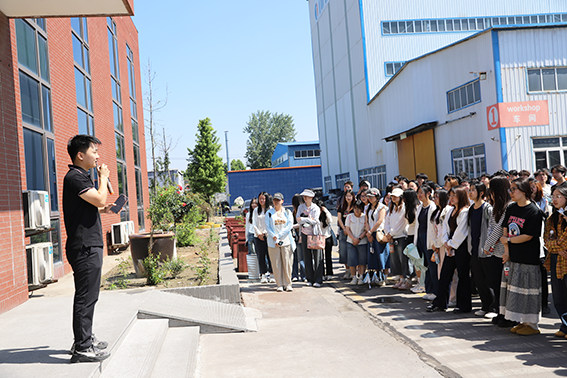
Tinhy and University of Jinan Celebrate Six Years of Industry–University Collaboration
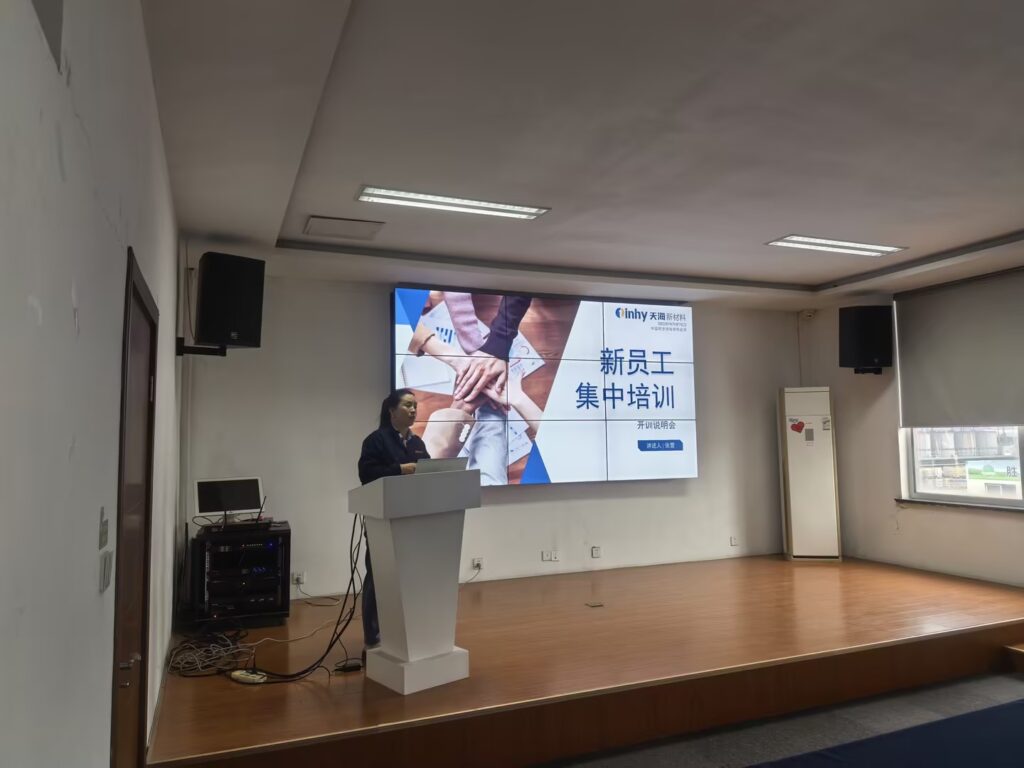
Empowering New Talent, Building the Future: Tinhy Successfully Conducts New Employee Orientation Training
Tinhy Conducts Comprehensive Emergency Drill to Strengthen Workplace Safety Defenses
Company Mid – Year Summary and Team – Building Activity Report
Is geomembrane a geotechnical engineering material?
What are the application scenarios of geomembrane?
What are the functions of geotextiles?
Cómo elegir geomembrana de hdpe en proyectos de ingeniería
How to choose hdpe geomembrane in engineering projects
China’s Geotechnical Construction Materials Embrace New Opportunities
Tips for Moisture-Proof Storage of Geotextiles
Key Construction Points and Precautions for High-Density Polyethylene Geomembrane
what is pond lining material ?
What is geomembrane?
HDPE geomembrane construction plans and technical measures
What quality tests do HDPE geomembranes need to do?
Tinhy’s MDS® Drainage Solution
Installation Robots
4 oz Non Woven Geotextile: 7 Powerful Benefits, Applications and Buying Guide
40 mil LLDPE Liner: 7 Powerful Applications, Benefits and Selection Guide
Pond Liner Cost Per Square Foot: 7 Powerful Factors That Affect Price and Selection
LDPE Sheet 500 Micron Price: Ultimate Guide to Cost, Applications and Smart Buying
Non Woven Geotextile Landscape Fabric: 8 Powerful Benefits and Complete Selection Guide
Geotextile 120g m²: Complete Guide to Applications, Benefits and Selection
HDPE Landfill Liner: Complete Guide to Selection, Installation and Benefits
2mm HDPE Geomembrane Review: Technical Specifications, Applications, and Top Supplier Guide
The 10 Best 30 mil Geomembrane Liners in 2026: Complete Manufacturer Review & Buying Guide
Geotextile 150g M2: The Complete Guide to Applications, Benefits, and Selection
Should HDPE or PVC be used to install geomembrane in reservoirs?
What is the price of geomembrane?
Material characteristics of three different geomembranes
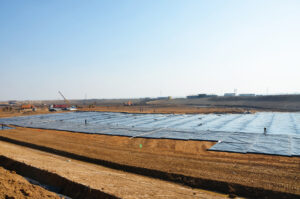
Esquema de construcción de geomembrana de HDPE y medidas técnicas
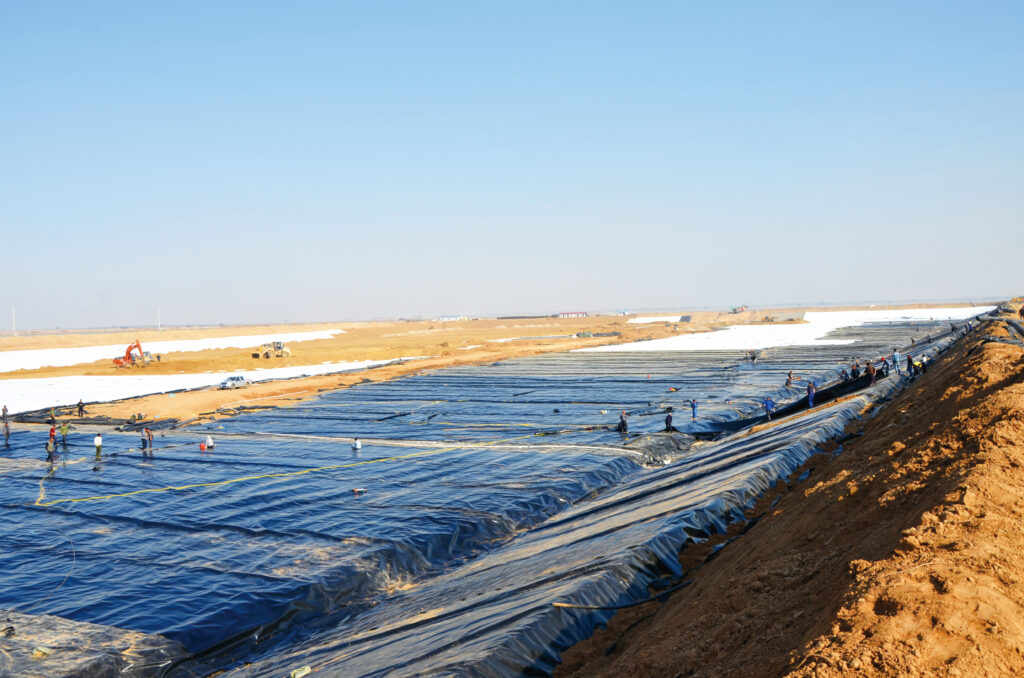
hdpe geomembrane pond liner in Congo (DRC)
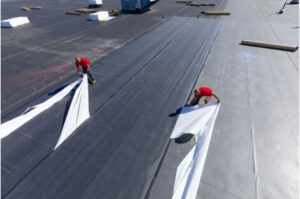
How to lay and weld HDPE geomembrane?
HDPE geomembrane 0.2-4.0mm
HOME ABOUT PRODUCTS APPLICATION CONTENTUS RESOURCES
Home Resources Knowledge Base 4 oz Non Woven Geotextile: 7 Powerful Benefits, Applications and Buying Guide

4 oz Non Woven Geotextile: 7 Powerful Benefits, Applications and Buying Guide

time:August 06, 2026 Views:9

When engineers and contractors select geotextile materials for drainage, filtration, separation, and soil stabilization projects, 4 oz non woven geotextile is one of the most commonly specified grades.

This geotextile classification represents a medium-weight needle-punched non woven fabric designed to provide a balanced combination of:

  • Water permeability
  • Soil filtration capability
  • Separation performance
  • Installation flexibility
  • Cost efficiency

The term “4 oz” refers to the fabric weight per square yard. In international engineering specifications, this grade is approximately equivalent to 135 g/m², while many markets also associate it with 120 g/m² non woven geotextile depending on regional measurement standards.

Manufactured mainly from polypropylene (PP) or polyester (PET) fibers, 4 oz non woven geotextile creates a three-dimensional fiber structure that allows water to pass while preventing soil particle migration.

At Tinhy Geosynthetics, we manufacture high-quality non woven geotextiles for global civil engineering, environmental protection, transportation, and water management projects. Our products are designed to provide reliable filtration, drainage, and protection performance under demanding site conditions.

This guide explains what 4 oz non woven geotextile is, its advantages, technical characteristics, applications, and how to select the right supplier.

What Is 4 oz Non Woven Geotextile?

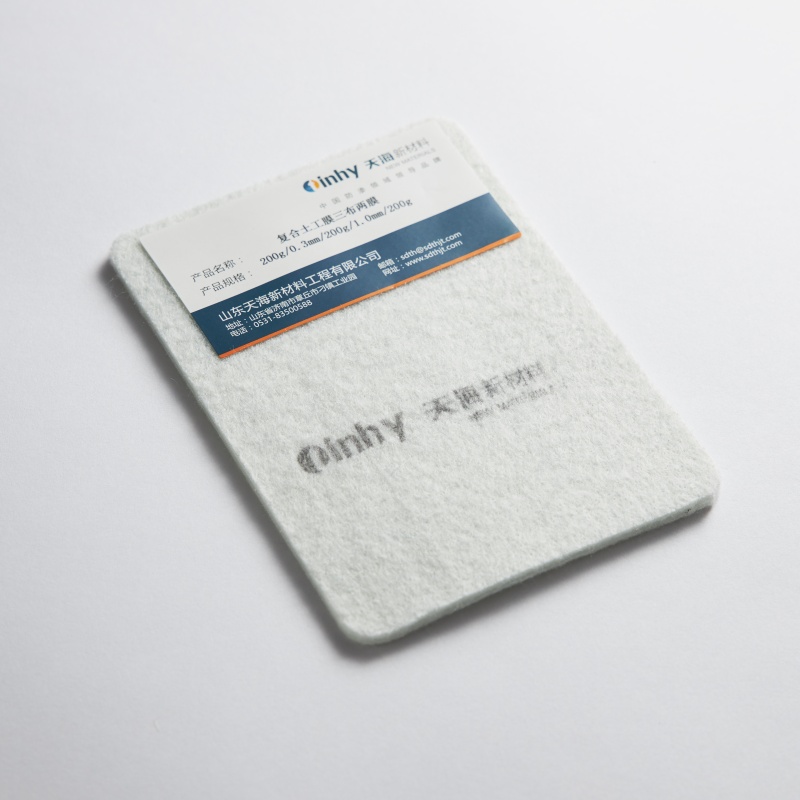
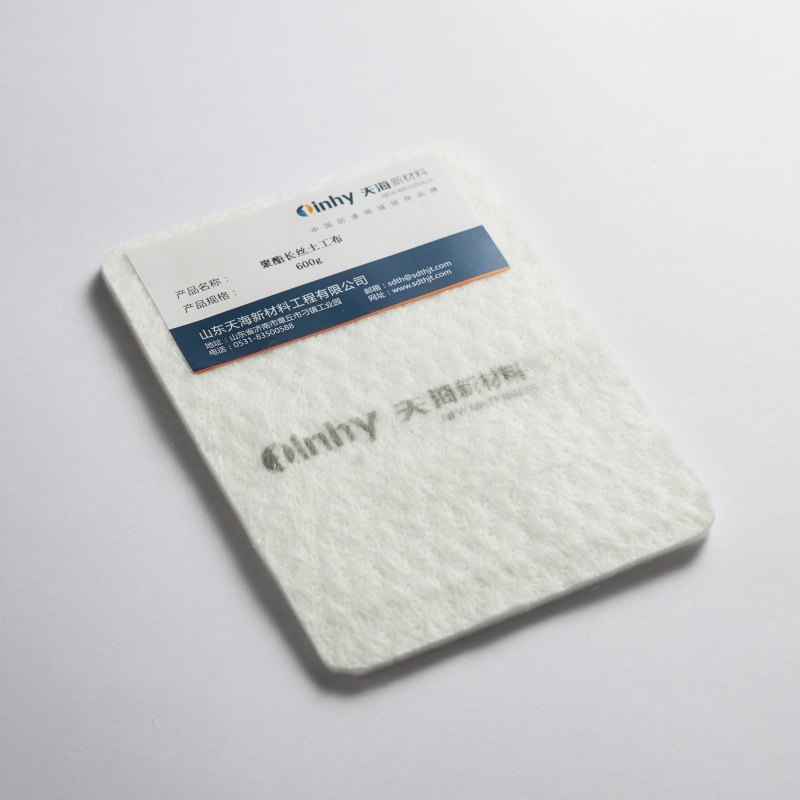
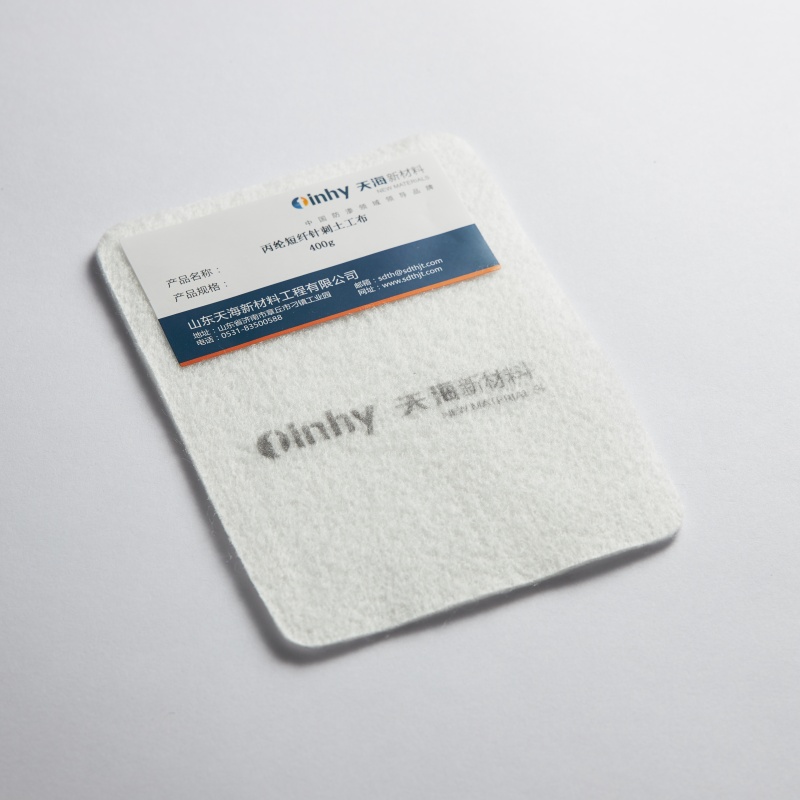
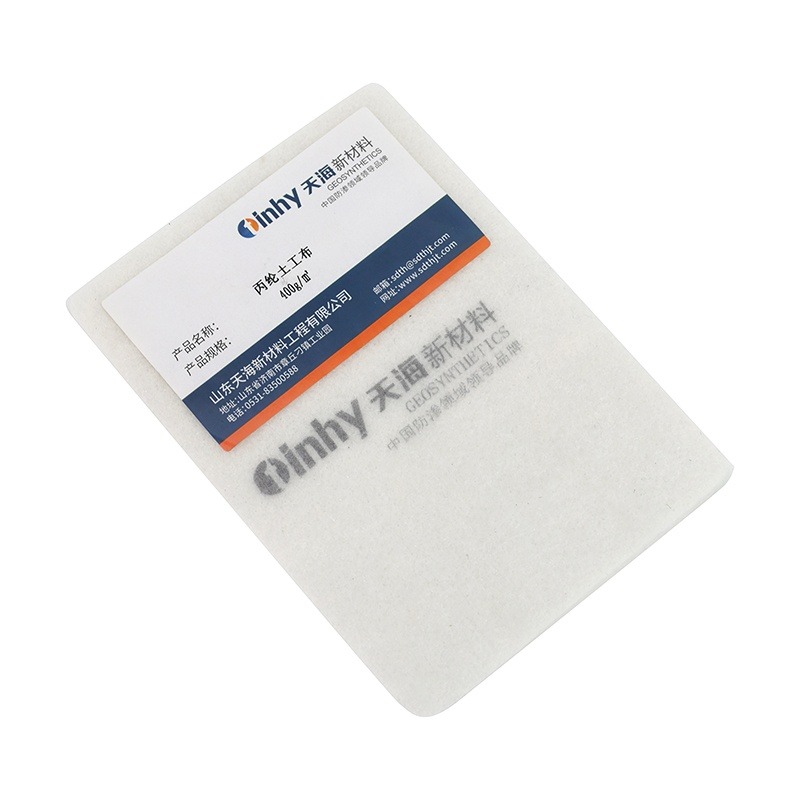
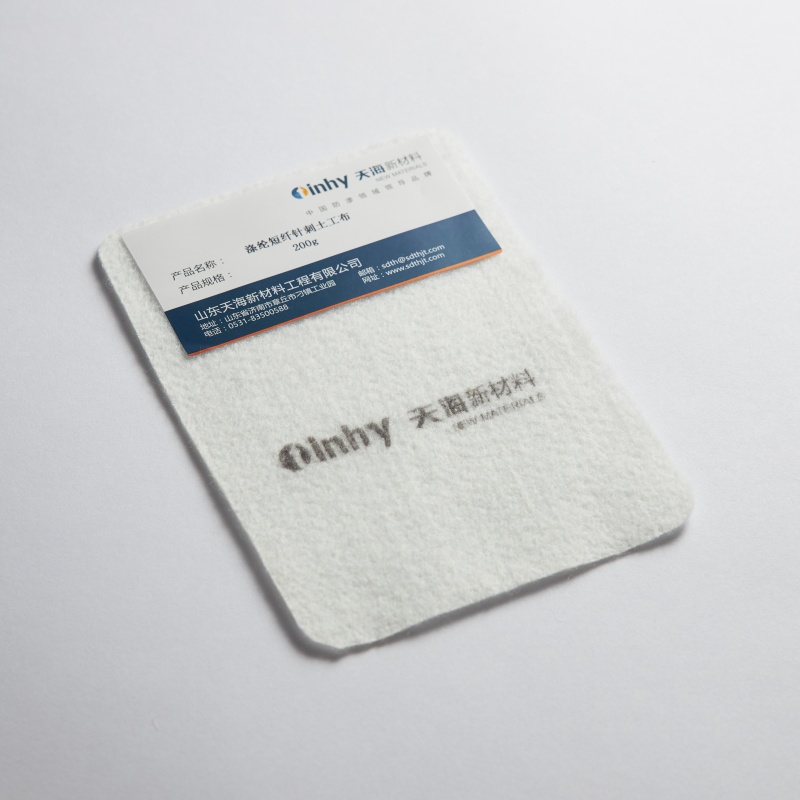
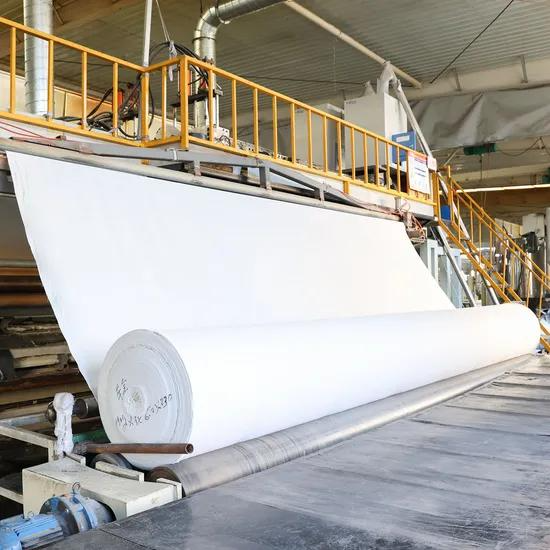
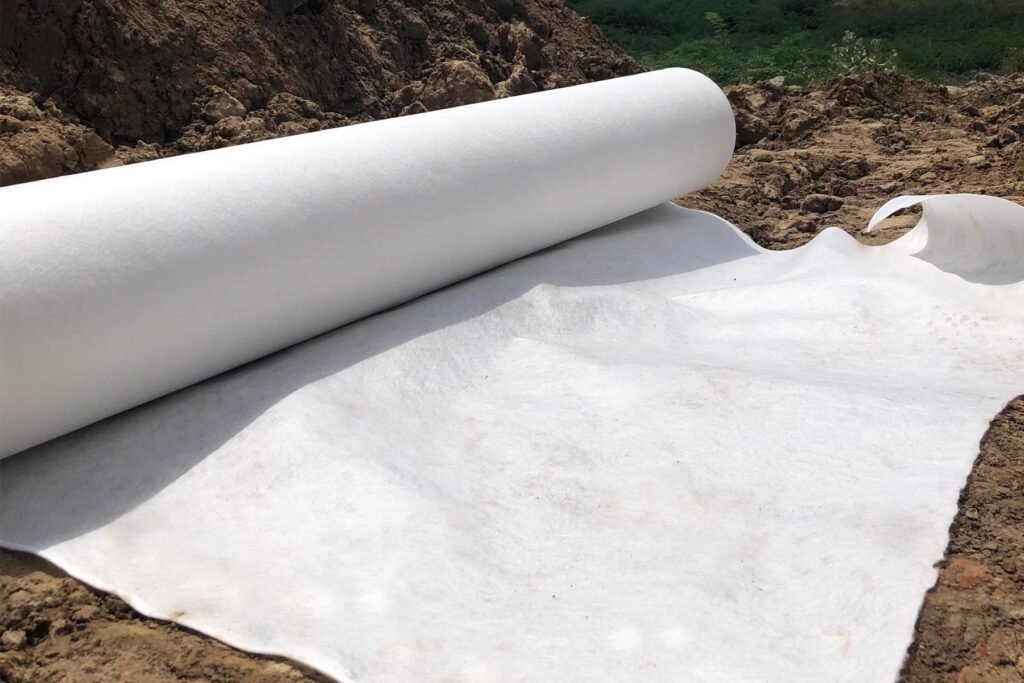
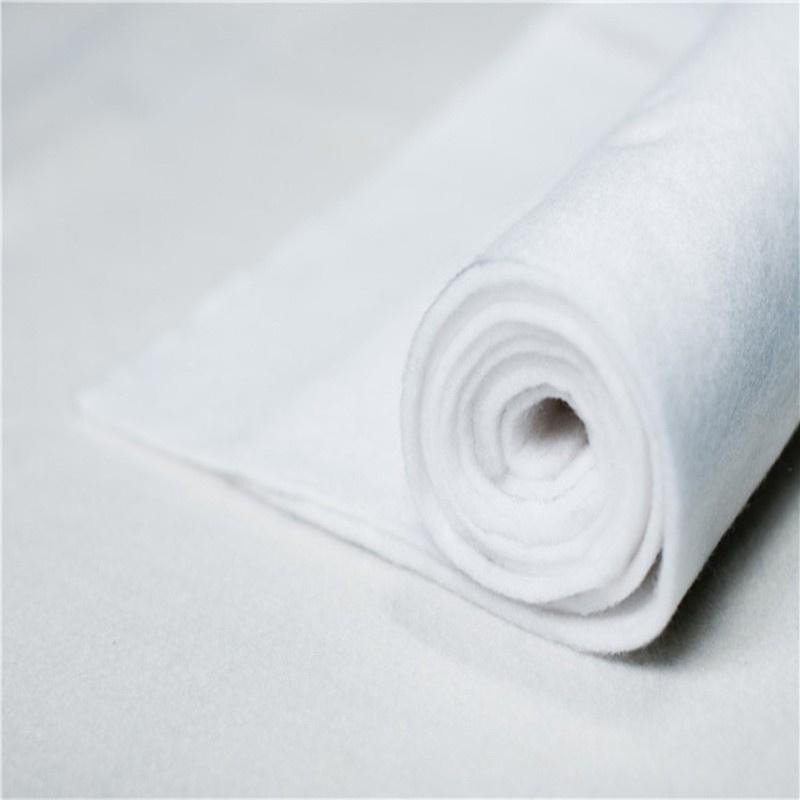
A 4 oz non woven geotextile is a synthetic geotextile fabric produced by bonding randomly arranged polymer fibers through a needle-punching process.

Unlike woven geotextiles, which are manufactured by weaving individual yarns together, non woven geotextiles have a felt-like structure with interconnected pores.

The main raw materials include:

Polypropylene (PP) Non Woven Geotextile

Polypropylene is the most widely used material because it provides:

  • Excellent chemical resistance
  • Lightweight structure
  • Good durability
  • Cost-effective performance

Polyester (PET) Non Woven Geotextile

Polyester geotextiles provide:

  • Higher tensile strength
  • Better creep resistance
  • Good performance under heavy loads

The “4 oz” specification indicates the fabric weight:

4 oz/yd² ≈ 135 g/m²

Depending on production standards, similar products may also be marketed as:

  • 120 gsm non woven geotextile
  • 125 gsm geotextile
  • 150 gsm geotextile

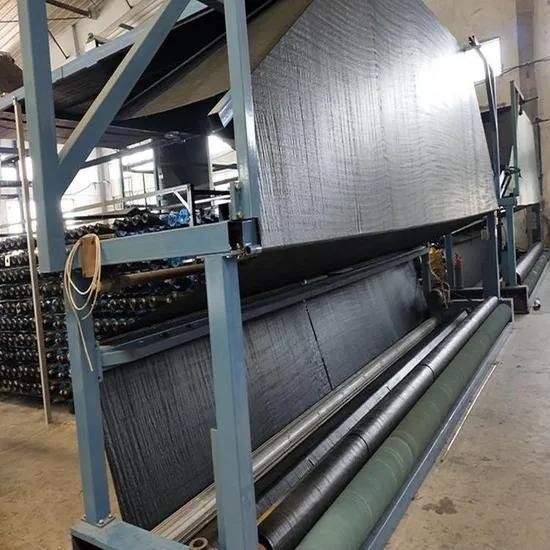
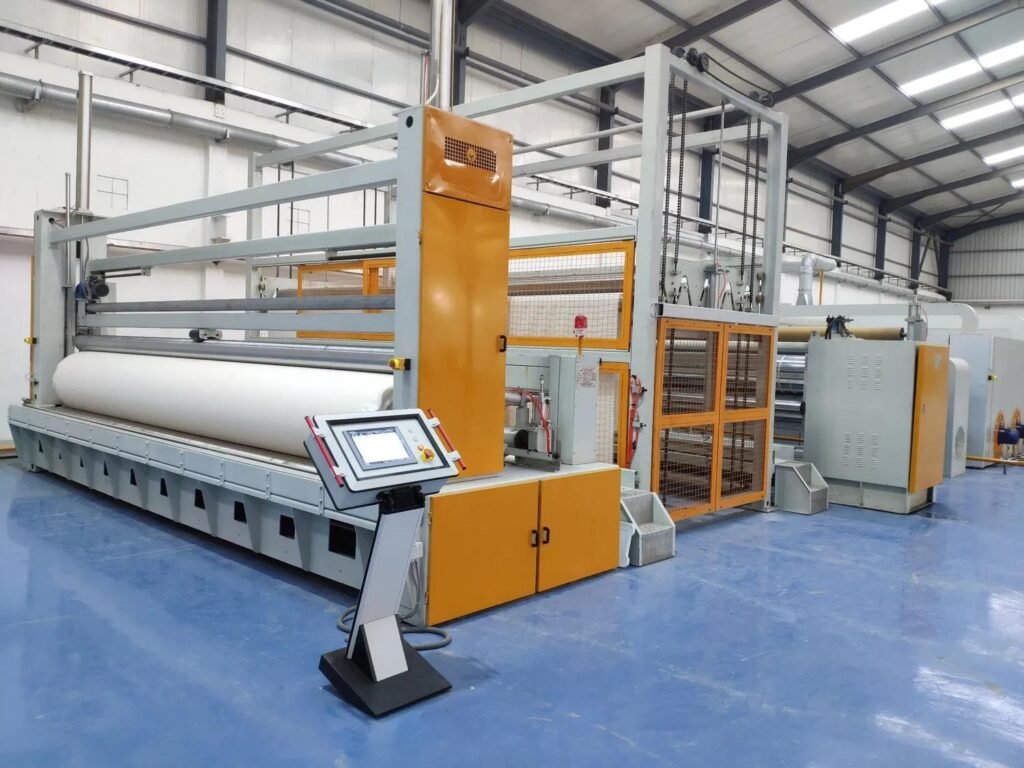
How Is 4 oz Non Woven Geotextile Manufactured?

1. Fiber Preparation

Manufacturers first process polypropylene or polyester resin into continuous or staple fibers.

During this stage, additives may be introduced, including:

  • UV stabilizers
  • Antioxidants
  • Carbon black

These additives improve outdoor durability.

2. Fiber Web Formation

The fibers are distributed randomly through carding or air-laying technology to create a loose fiber web.

The random arrangement creates the characteristic non woven structure.

3. Needle Punching Process

Thousands of barbed needles repeatedly penetrate the fiber web.

This mechanical process entangles fibers together without chemical adhesives.

The result is:

  • Flexible fabric
  • High permeability
  • Good puncture resistance

4. Final Treatment

Some products receive thermal treatment to improve:

  • Dimensional stability
  • Surface smoothness
  • Handling performance

The final product becomes a strong but flexible geotextile suitable for construction applications.

Technical Properties of 4 oz Non Woven Geotextile

A typical 4 oz non woven geotextile provides balanced engineering performance.

Weight and Thickness

Typical specifications:

Property Value
Weight Approx. 135 g/m²
Thickness About 1.5–2.0 mm
Material PP or PET
Structure Needle punched non woven

Tensile Strength

The fiber network provides moderate tensile strength suitable for:

  • Drainage systems
  • Soil separation
  • Protection layers

The high elongation allows the fabric to adapt to uneven ground movement without sudden failure.

Hydraulic Performance

One of the biggest advantages of non woven geotextile is its excellent permeability.

The open fiber structure allows:

  • Water flow
  • Soil filtration
  • Pressure release

while preventing fine soil particles from migrating.

Puncture Resistance

During construction, geotextiles often contact:

  • Gravel
  • Rocks
  • Concrete surfaces

The needle-punched structure provides good puncture resistance and improves protection performance.

7 Powerful Benefits of 4 oz Non Woven Geotextile

1. Excellent Filtration Performance

The primary function of 4 oz non woven geotextile is filtration.

It allows water to pass through while retaining surrounding soil particles.

This prevents:

  • Soil erosion
  • Drainage clogging
  • Aggregate contamination

It is widely used around drainage pipes and aggregate layers.

2. Effective Drainage Capability

The interconnected pores provide excellent water movement.

Applications include:

  • French drains
  • Highway drainage systems
  • Retaining wall drainage

By controlling groundwater movement, the fabric reduces hydrostatic pressure and improves structural stability.

3. Reliable Soil Separation

Different soil layers often have different particle sizes.

Without separation, mixing may occur and reduce engineering performance.

4 oz non woven geotextile separates:

  • Soil from gravel
  • Subgrade from aggregate
  • Foundation layers

This helps maintain long-term structural integrity.

4. Good Protection Performance

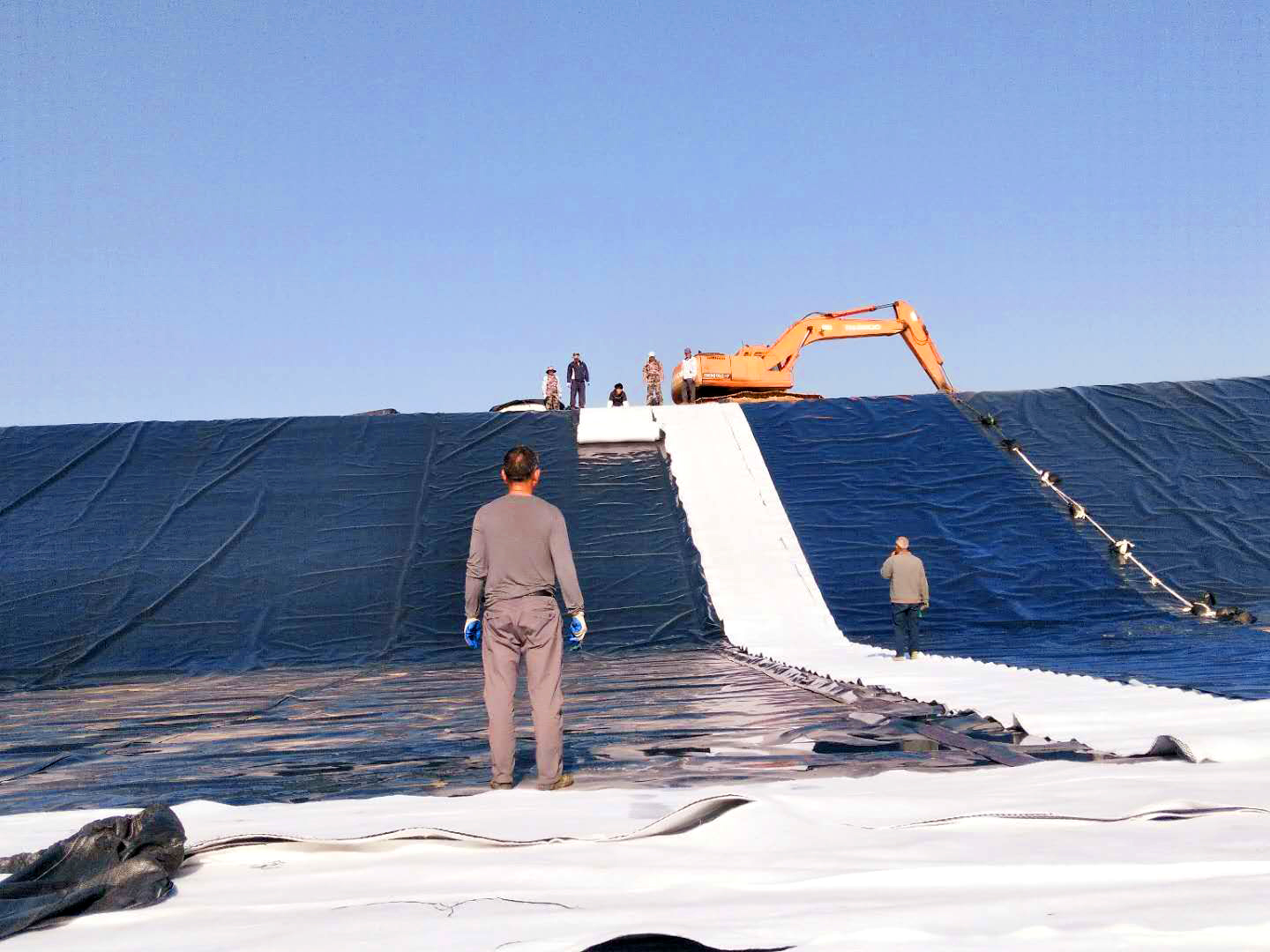
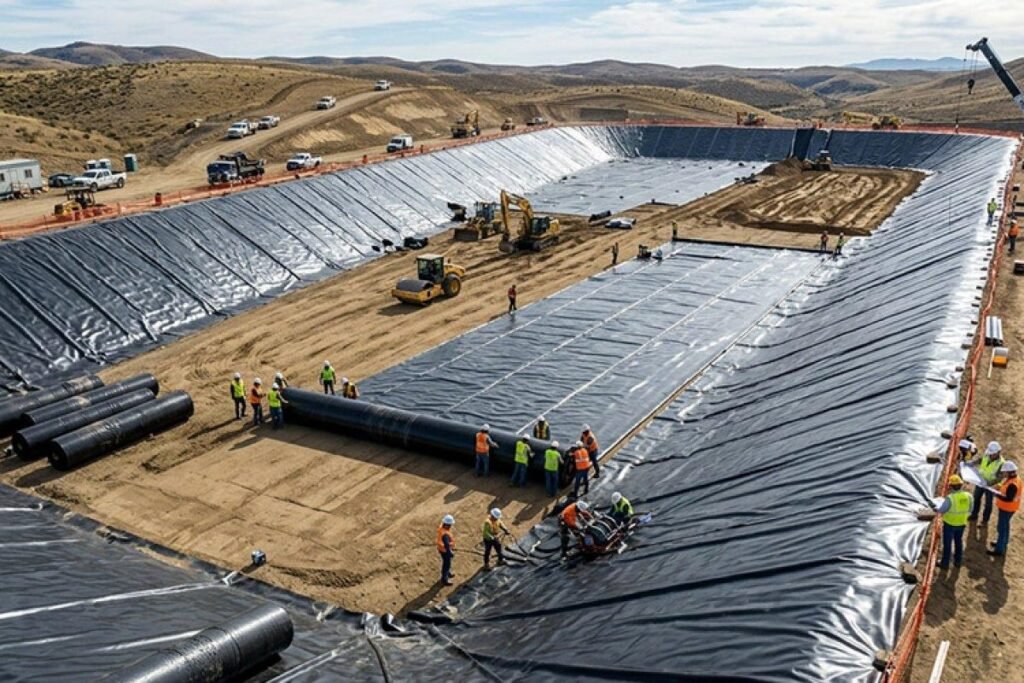
When installed above or below geomembranes, non woven geotextile works as a protective cushion.

It prevents damage caused by:

  • Sharp stones
  • Construction equipment
  • Aggregate pressure

Common applications include:

  • Landfill liner systems
  • Pond liner protection
  • Reservoir waterproofing projects

5. Flexible Installation

Compared with rigid materials, non woven geotextile is:

  • Lightweight
  • Easy to cut
  • Easy to overlap
  • Simple to install

This reduces construction difficulty and labor costs.

6. Cost-Effective Engineering Solution

4 oz non woven geotextile provides a good balance between:

  • Performance
  • Material cost
  • Installation efficiency

For many medium-duty applications, it delivers sufficient strength without unnecessary expenses.

7. Long-Term Durability

High-quality polypropylene geotextiles resist:

  • Biological degradation
  • Chemical exposure
  • Moisture damage

With proper installation, they can provide reliable performance for many years.

Main Applications of 4 oz Non Woven Geotextile

1. Drainage Systems

This is one of the most common applications.

Used in:

  • French drains
  • Roadside drainage
  • Underground drainage systems

The geotextile prevents soil from entering drainage aggregates.

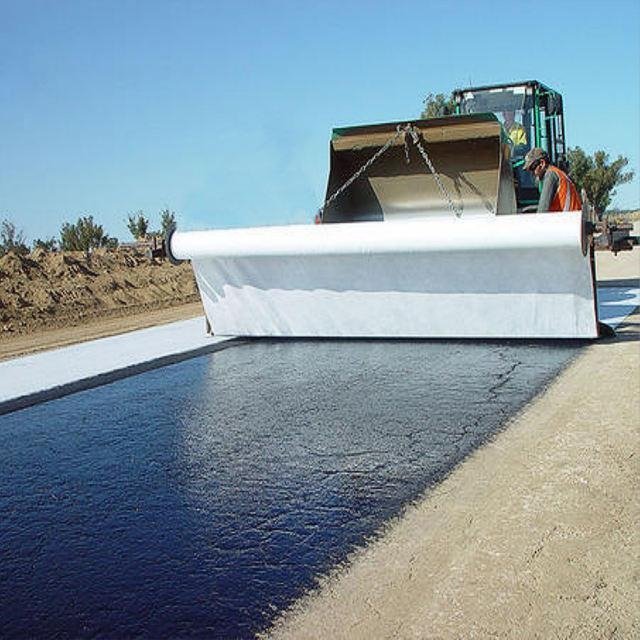
2. Road Construction

In highway and pavement projects, 4 oz geotextile helps:

  • Separate soil layers
  • Improve drainage
  • Reduce deformation

It is commonly installed between subgrade soil and aggregate layers.

3. Retaining Walls

Behind retaining walls, geotextile provides:

  • Filtration
  • Drainage
  • Soil stabilization

It helps reduce water pressure behind the wall.

4. Landscaping Projects

Landscape applications include:

  • Garden drainage
  • Walkways
  • Decorative ponds
  • Outdoor construction

The fabric improves soil stability while maintaining water movement.

5. Pond and Reservoir Liner Protection

When combined with geomembranes, 4 oz non woven geotextile protects waterproof liners.

Typical applications:

  • HDPE pond liners
  • Reservoir liners
  • Irrigation ponds

6. Landfill and Environmental Engineering

Environmental projects use non woven geotextiles for:

  • Geomembrane protection
  • Drainage layers
  • Filtration systems

4 oz Non Woven Geotextile vs Woven Geotextile

Feature Non Woven Geotextile Woven Geotextile
Structure Random fibers Woven yarns
Filtration Excellent Moderate
Drainage Excellent Lower
Tensile Strength Moderate Higher
Flexibility Excellent Moderate
Separation Good Excellent

Choose non woven geotextile when drainage and filtration are the main requirements.

Choose woven geotextile when high tensile reinforcement is required.

How to Choose a Reliable 4 oz Non Woven Geotextile Supplier?

1. Check Raw Materials

A professional manufacturer should use:

  • High-quality PP/PET resin
  • Stable fiber production
  • Proper UV protection

2. Verify Manufacturing Capability

Important factors include:

  • Production capacity
  • Thickness control
  • Weight consistency
  • Laboratory testing

3. Request Technical Data

Buyers should check:

  • Weight
  • Tensile strength
  • Elongation
  • CBR puncture resistance
  • Permittivity

4. Choose an Experienced Manufacturer

A reliable supplier can provide:

  • Product customization
  • Engineering recommendations
  • Export experience
  • Technical support

Why Choose Tinhy Geosynthetics?

Tinhy Geosynthetics has specialized in geosynthetic manufacturing since 2002.

Our product range includes:

  • Non woven geotextile
  • Woven geotextile
  • HDPE geomembrane
  • LLDPE liner
  • Geosynthetic clay liner
  • Drainage composite

Manufacturing Advantages

Tinhy provides:

  • Advanced production lines
  • Strict quality inspection
  • Customized specifications
  • Global project experience

Our geotextiles are widely used in:

  • Transportation infrastructure
  • Water conservation projects
  • Mining engineering
  • Environmental protection systems

FAQ

Is 4 oz non woven geotextile the same as 120 gsm?

They are similar weight categories, but exact conversion depends on regional standards. 4 oz/yd² is approximately 135 g/m².

What is 4 oz geotextile used for?

It is mainly used for drainage, filtration, separation, protection, and erosion control.

Is non woven geotextile waterproof?

No. Non woven geotextile is permeable and allows water flow. Its purpose is filtration and protection, not waterproofing.

Can 4 oz geotextile be used under HDPE liner?

Yes. It is commonly used as a protective layer beneath geomembranes.

Conclusion

4 oz non woven geotextile is a versatile and cost-effective geosynthetic material widely used in drainage, filtration, separation, and protection applications.

Its needle-punched fiber structure provides excellent permeability, flexibility, and soil retention performance, making it suitable for roads, drainage systems, retaining walls, ponds, reservoirs, and environmental projects.

For reliable long-term performance, selecting a professional manufacturer with stable production capability and strict quality control is essential.

With advanced manufacturing technology and global engineering experience, Tinhy Geosynthetics provides high-quality non woven geotextile solutions designed to meet diverse civil engineering requirements worldwide.

Knowledge Base
Share:
info@tinhygeosynthetics.com Bai Jinxi
Consultation

    Get The Latest Product Prices

    Your inquiries are welcomed at any time and please feel free to contact us via email, phone calls, and online chatbox on our site.

    We will definitely give you a reply ASAP after we receive your messages.

      0/180