Resources
Company News
Industry News
Knowledge Base
Project Cases
Innovation
Team Power Fuels TINHY’s Global Geosynthetics Solutions
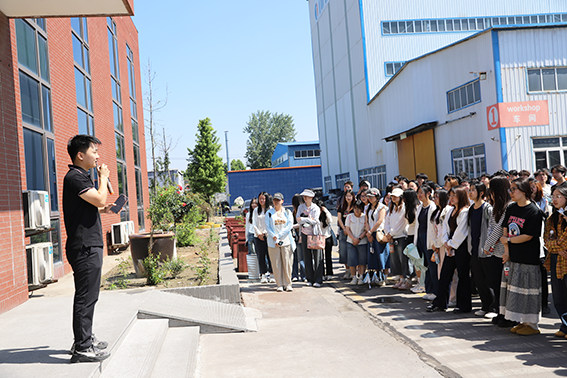
Tinhy and University of Jinan Celebrate Six Years of Industry–University Collaboration
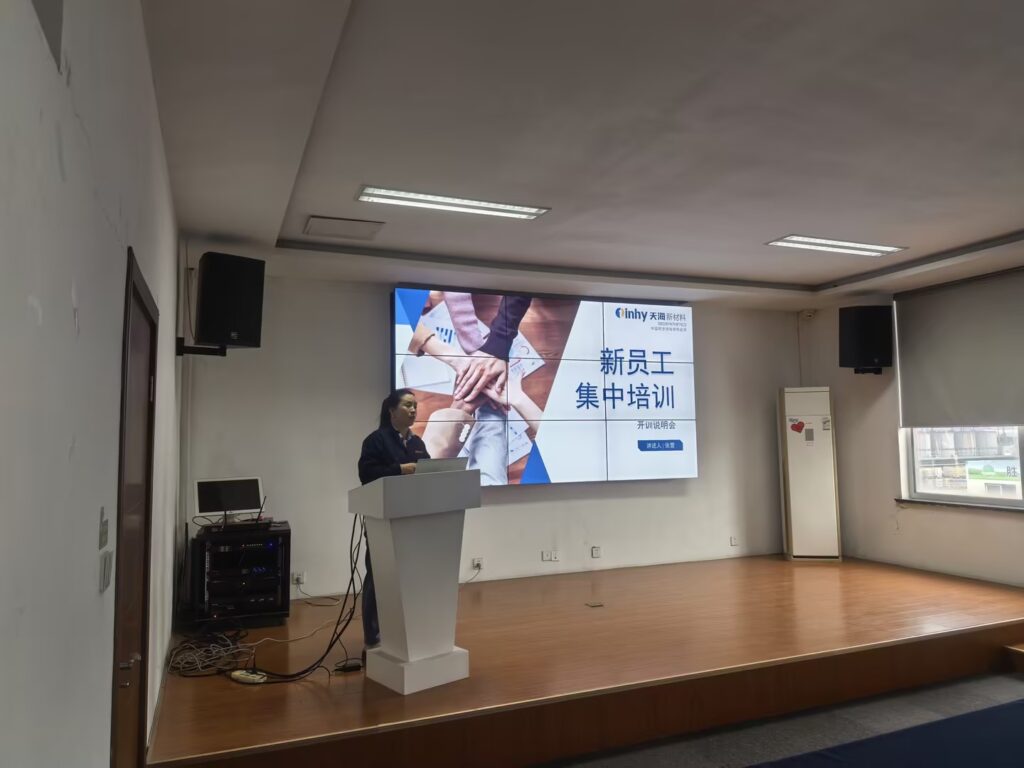
Empowering New Talent, Building the Future: Tinhy Successfully Conducts New Employee Orientation Training
Tinhy Conducts Comprehensive Emergency Drill to Strengthen Workplace Safety Defenses
Company Mid – Year Summary and Team – Building Activity Report
Is geomembrane a geotechnical engineering material?
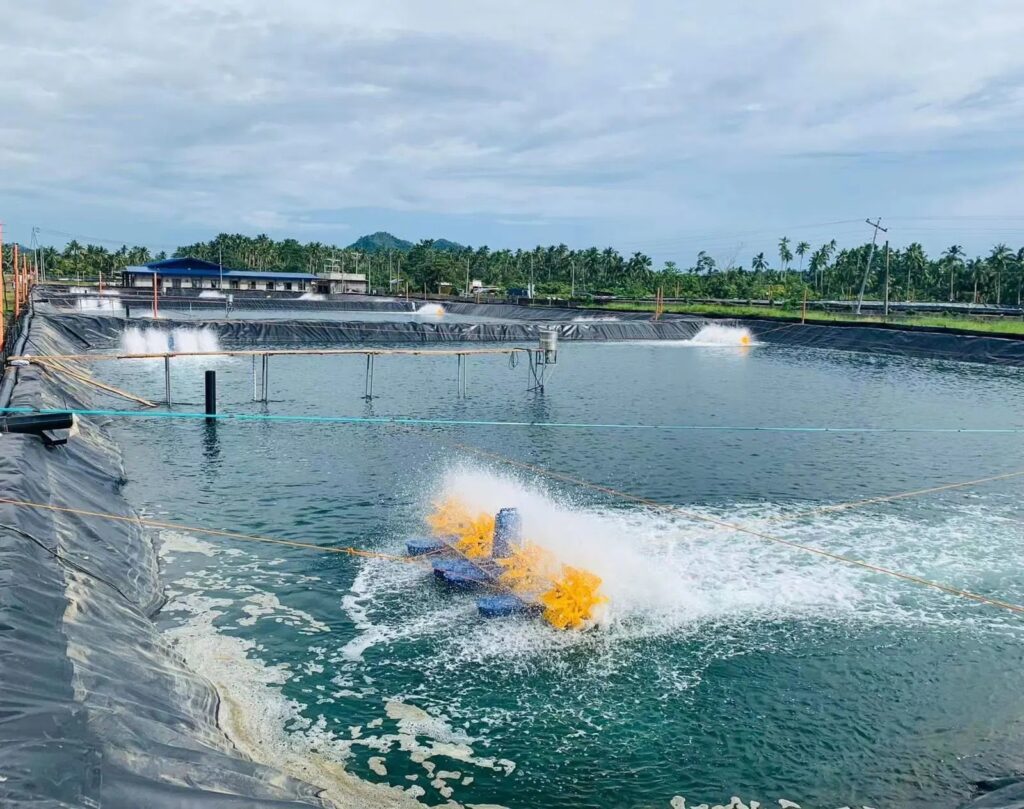
What are the application scenarios of geomembrane?
What are the functions of geotextiles?
Cómo elegir geomembrana de hdpe en proyectos de ingeniería
How to choose hdpe geomembrane in engineering projects
China’s Geotechnical Construction Materials Embrace New Opportunities
Tips for Moisture-Proof Storage of Geotextiles
Key Construction Points and Precautions for High-Density Polyethylene Geomembrane
what is pond lining material ?
What is geomembrane?
HDPE geomembrane construction plans and technical measures
What quality tests do HDPE geomembranes need to do?
Tinhy’s MDS® Drainage Solution
Installation Robots
Textured HDPE Geomembrane: 8 Powerful Benefits and Applications for Slope & Containment Projects
4 oz Non Woven Geotextile: 7 Powerful Benefits, Applications and Buying Guide
40 mil LLDPE Liner: 7 Powerful Applications, Benefits and Selection Guide
Pond Liner Cost Per Square Foot: 7 Powerful Factors That Affect Price and Selection
LDPE Sheet 500 Micron Price: Ultimate Guide to Cost, Applications and Smart Buying
Non Woven Geotextile Landscape Fabric: 8 Powerful Benefits and Complete Selection Guide
Geotextile 120g m²: Complete Guide to Applications, Benefits and Selection
HDPE Landfill Liner: Complete Guide to Selection, Installation and Benefits
2mm HDPE Geomembrane Review: Technical Specifications, Applications, and Top Supplier Guide
The 10 Best 30 mil Geomembrane Liners in 2026: Complete Manufacturer Review & Buying Guide
Should HDPE or PVC be used to install geomembrane in reservoirs?
What is the price of geomembrane?
Material characteristics of three different geomembranes
Esquema de construcción de geomembrana de HDPE y medidas técnicas
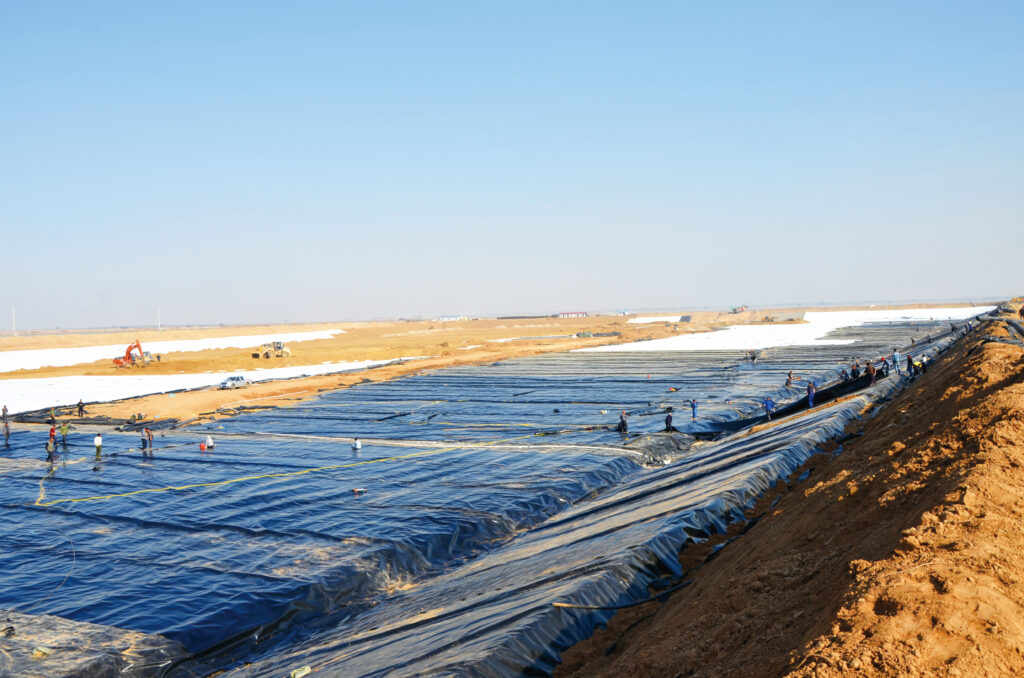
hdpe geomembrane pond liner in Congo (DRC)
How to lay and weld HDPE geomembrane?
HDPE geomembrane 0.2-4.0mm
HOME ABOUT PRODUCTS APPLICATION CONTENTUS RESOURCES
Home Resources Knowledge Base Textured HDPE Geomembrane: 8 Powerful Benefits and Applications for Slope & Containment Projects

Textured HDPE Geomembrane: 8 Powerful Benefits and Applications for Slope & Containment Projects

time:August 07, 2026 Views:5

In modern geotechnical and environmental engineering projects, selecting the right geomembrane is critical for preventing leakage, improving structural stability, and ensuring long-term containment performance.

Among different types of geomembranes, Textured HDPE Geomembrane has become one of the most widely used solutions for projects requiring high interface friction and superior slope stability.

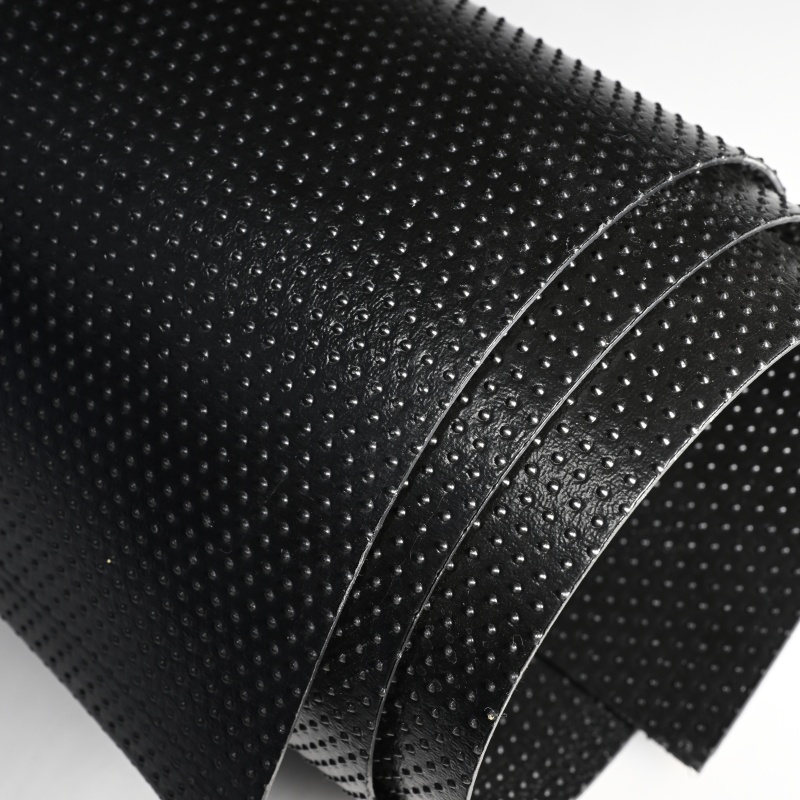
Unlike smooth HDPE geomembranes, textured HDPE geomembranes feature a specially engineered rough surface on one or both sides. This textured surface significantly increases friction between the geomembrane and surrounding materials, including:

  • Soil
  • Geotextiles
  • Geosynthetic clay liners (GCL)
  • Drainage composites

As a result, textured HDPE geomembranes are especially suitable for:

  • Landfill liner systems
  • Mining heap leach pads
  • Tailings dams
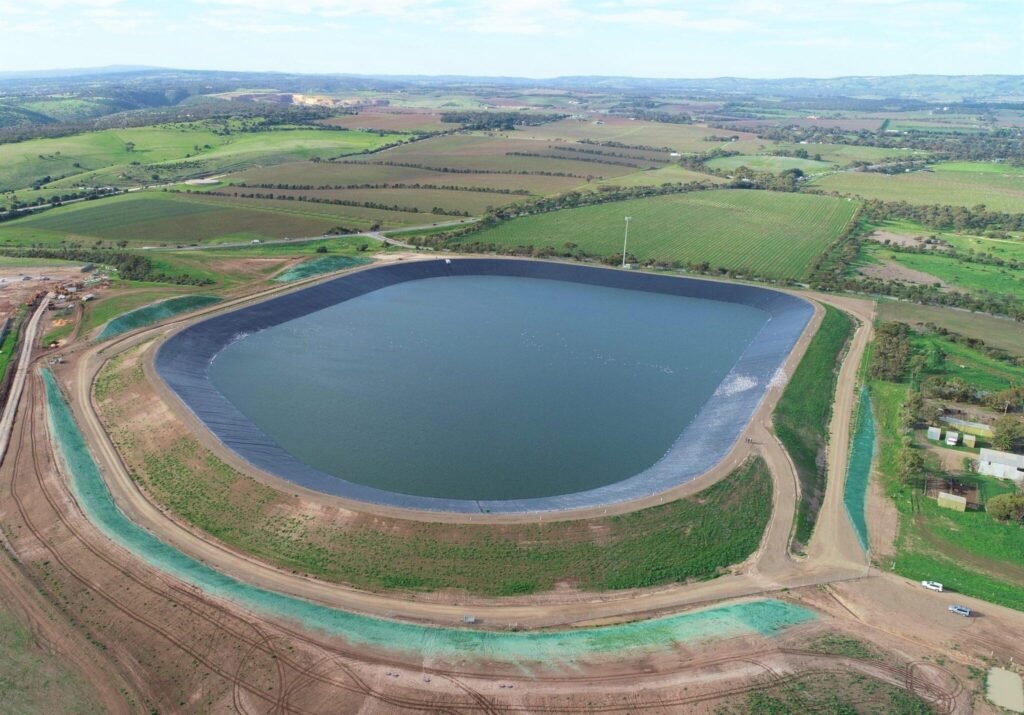
  • Reservoirs
  • Steep slope containment projects

At Tinhy Geosynthetics, we manufacture high-quality textured HDPE geomembranes with advanced extrusion technology, strict quality control, and customized solutions for global engineering projects.

This article explains what textured HDPE geomembrane is, its advantages, applications, and how to select the right product.

What Is Textured HDPE Geomembrane?

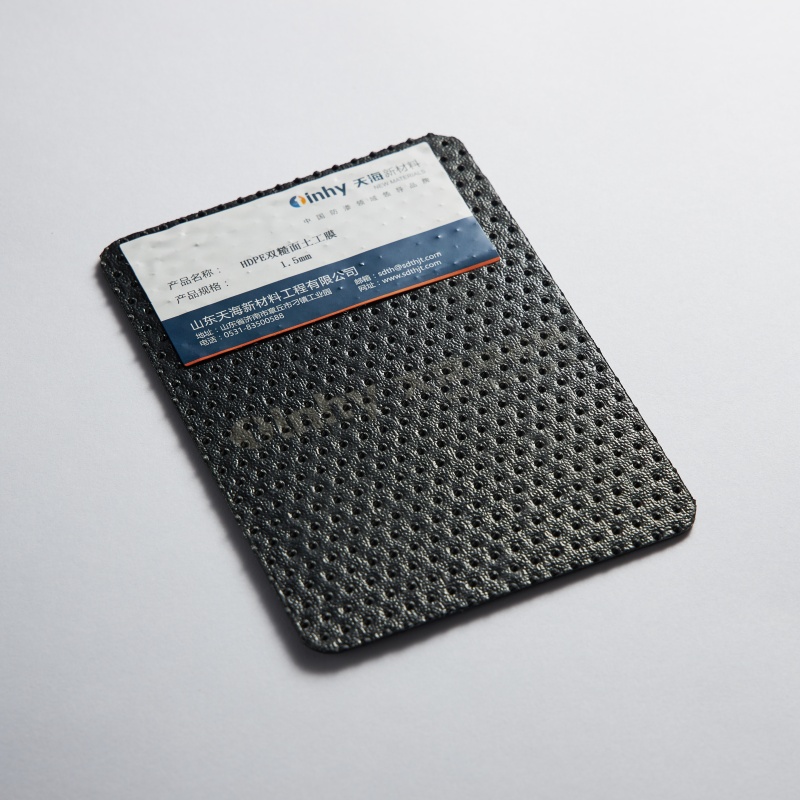
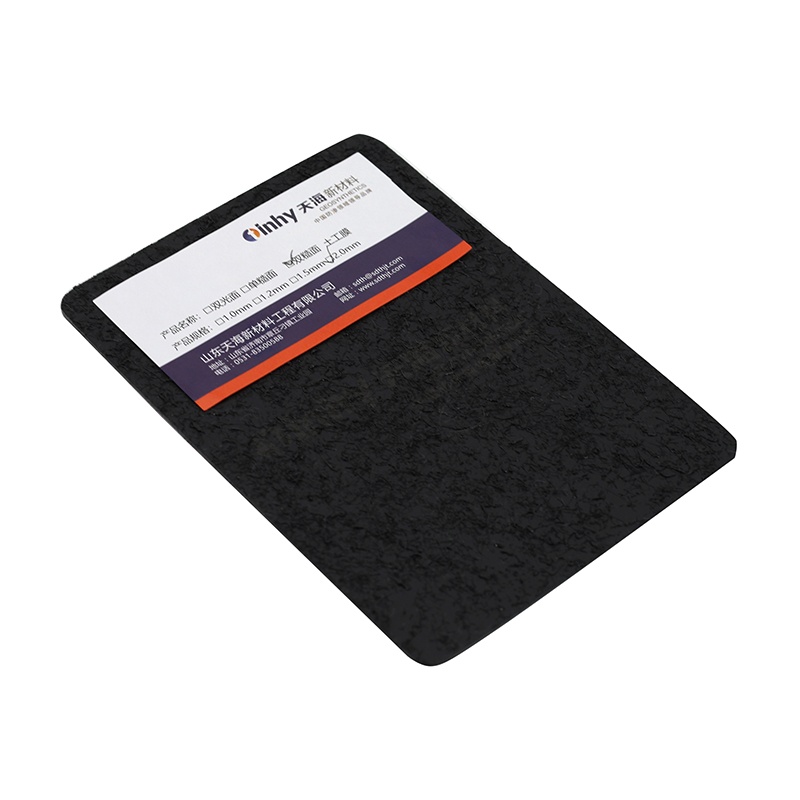
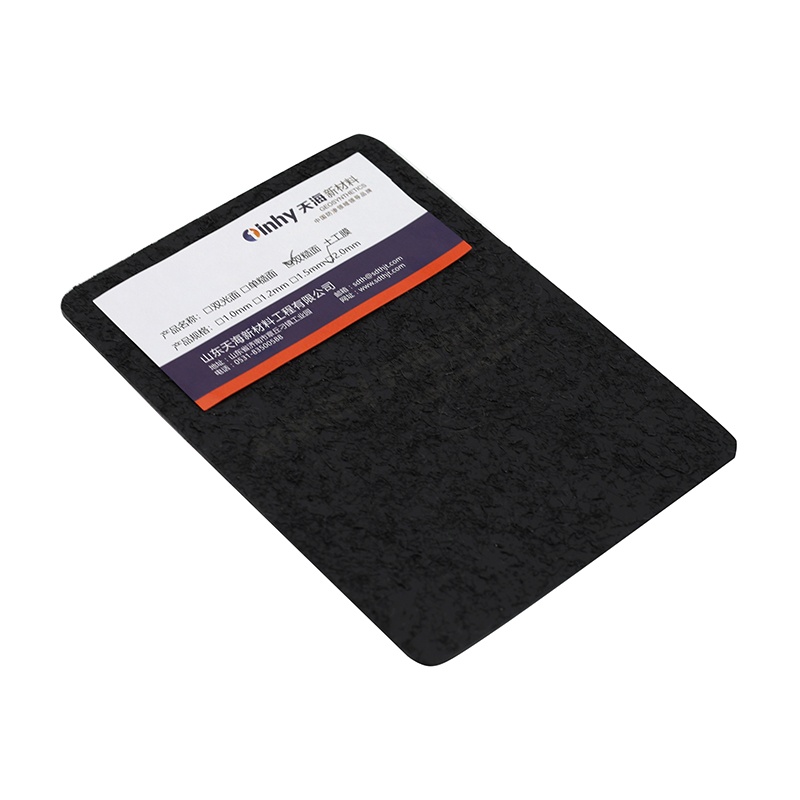
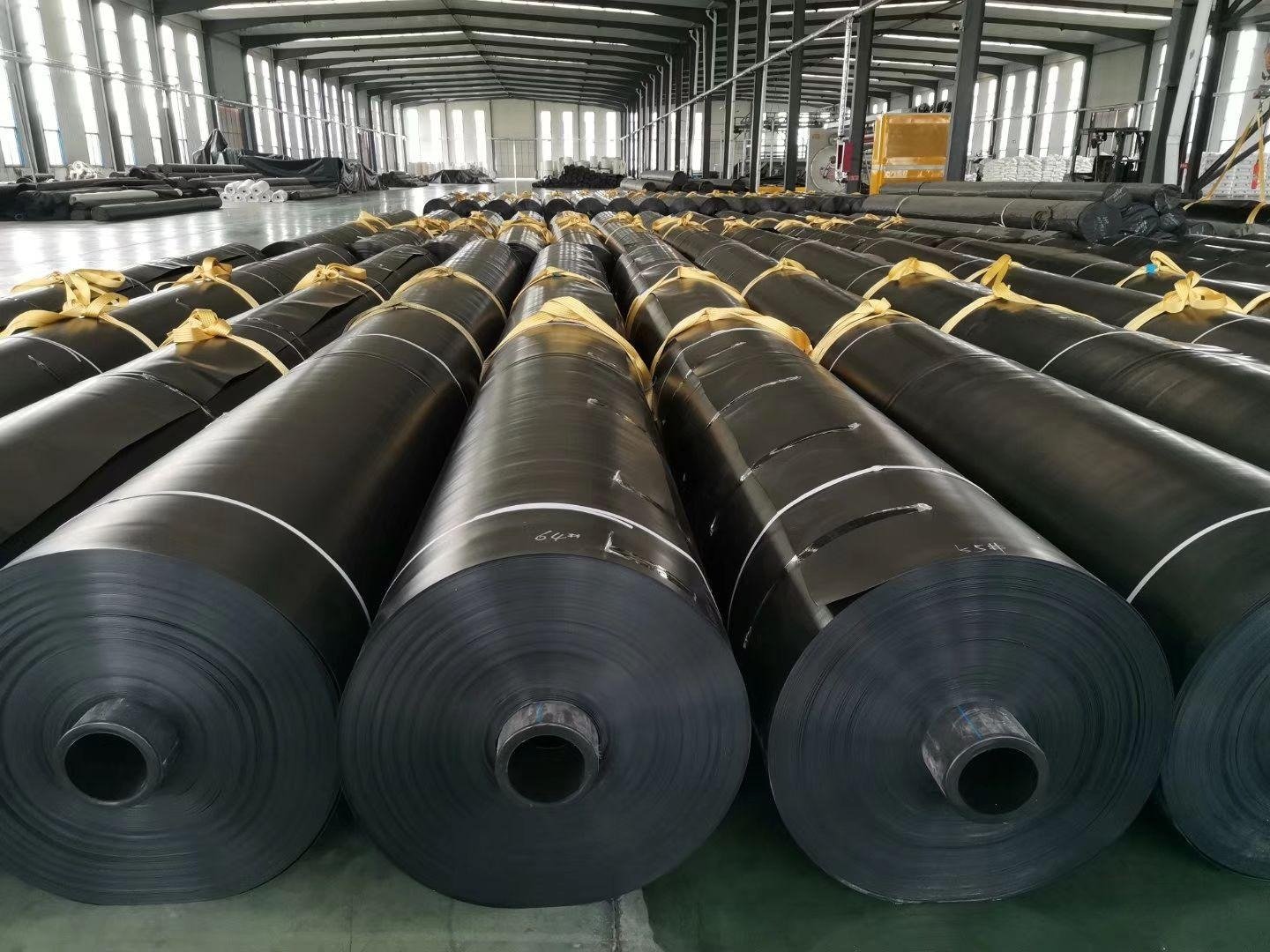
Textured HDPE geomembrane is a high-density polyethylene liner with a specially modified rough surface designed to improve interface shear strength.

The surface texture can be manufactured as:

  • Single-sided textured HDPE geomembrane
  • Double-sided textured HDPE geomembrane

The rough surface creates stronger mechanical interaction between the liner and adjacent materials, reducing sliding risks on inclined surfaces.

Compared with smooth HDPE geomembranes, textured HDPE provides:

  • Higher friction coefficient
  • Better slope stability
  • Improved load transfer
  • Enhanced interface performance

The core material remains high-density polyethylene (HDPE), which provides:

  • Extremely low permeability
  • Chemical resistance
  • UV resistance
  • Long service life

How Is Textured HDPE Geomembrane Manufactured?

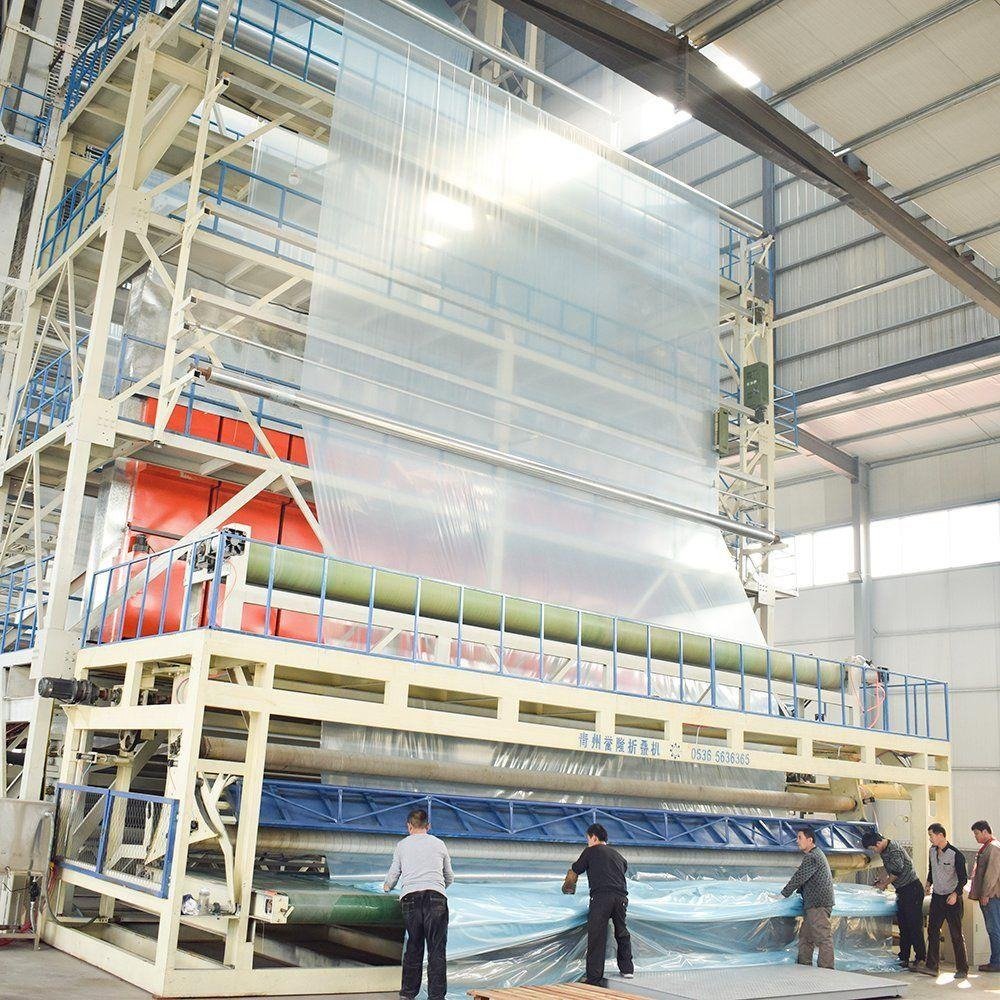
Textured HDPE geomembrane is produced through advanced extrusion technology.

The main manufacturing process includes:

1. Virgin HDPE Resin Preparation

High-quality HDPE resin is mixed with:

  • Carbon black
  • Antioxidants
  • UV stabilizers

These additives improve resistance against:

  • Sunlight exposure
  • Oxidation
  • Environmental aging

2. Extrusion Process

The HDPE material is melted and formed into continuous geomembrane sheets.

During production, surface texture is created through specialized extrusion methods to achieve the required roughness.

3. Surface Texturing

The surface is engineered to create controlled roughness.

Different texture types include:

  • Spike texture
  • Structured texture
  • Co-extruded textured surface

The final texture design depends on project requirements such as:

  • Slope angle
  • Soil conditions
  • Interface materials

8 Powerful Benefits of Textured HDPE Geomembrane

1. Superior Slope Stability

The biggest advantage of textured HDPE geomembrane is its enhanced friction performance.

The rough surface increases the interface friction angle between:

  • Geomembrane and soil
  • Geomembrane and geotextile
  • Geomembrane and drainage layers

This reduces:

  • Sliding risk
  • Liner displacement
  • Slope failure possibility

Therefore, textured HDPE is widely used in steep landfill slopes and mining containment systems.

2. Excellent Impermeability Performance

Like smooth HDPE geomembranes, textured HDPE provides outstanding waterproofing performance.

Its extremely low permeability prevents:

  • Leachate leakage
  • Chemical migration
  • Groundwater contamination

This makes it suitable for environmental containment applications.

3. Outstanding Chemical Resistance

HDPE is naturally resistant to many aggressive substances, including:

  • Acids
  • Alkalis
  • Salts
  • Industrial chemicals
  • Wastewater components

This makes textured HDPE geomembrane ideal for:

  • Mining facilities
  • Landfills
  • Waste treatment projects

4. High Stress Crack Resistance

Long-term projects require materials that can withstand continuous loading.

Textured HDPE geomembranes provide excellent:

  • Environmental stress crack resistance
  • Long-term durability
  • Structural stability

This reduces the risk of:

  • Cracking
  • Leakage
  • Premature replacement

5. Strong Mechanical Properties

Textured HDPE geomembranes offer:

  • High tensile strength
  • Excellent puncture resistance
  • Good deformation capability

These properties allow the liner to withstand:

  • Construction activities
  • Heavy loads
  • Ground settlement

6. UV and Aging Resistance

HDPE geomembranes contain carbon black and antioxidant additives that improve outdoor durability.

They can resist:

  • UV radiation
  • Temperature changes
  • Weather exposure

This is important for exposed applications such as:

  • Reservoir liners
  • Mining ponds
  • Temporary containment areas

7. Easy Welding and Installation

Although the surface is textured, the welding areas remain smooth for reliable joining.

Installation advantages include:

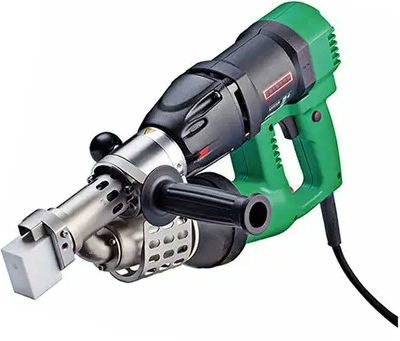
  • Hot wedge welding compatibility
  • Strong seam performance
  • Large-area installation efficiency

Proper welding creates a continuous waterproof barrier.

8. Customizable Engineering Solution

Professional manufacturers can customize textured HDPE geomembranes according to project requirements.

Customization options include:

  • Thickness
  • Roll width
  • Surface texture type
  • Color
  • Additive formulation

Common thickness options:

  • 1.0 mm
  • 1.5 mm
  • 2.0 mm
  • 2.5 mm
  • 3.0 mm

Textured HDPE Geomembrane Applications

1. Landfill Liner Systems

Landfills require reliable containment systems to prevent leachate pollution.

Textured HDPE geomembranes are commonly used in:

  • Side slopes
  • Bottom liners
  • Final covers

Advantages:

  • High friction on slopes
  • Chemical resistance
  • Long-term containment

2. Mining Heap Leach Pads

Mining operations often involve aggressive chemicals and steep slopes.

Textured HDPE geomembrane provides:

  • Chemical resistance
  • Improved ore pile stability
  • Reduced liner movement

Applications include:

  • Gold heap leach pads
  • Copper mining facilities
  • Tailings containment

3. Reservoir and Water Conservation Projects

Textured HDPE geomembranes are used in:

  • Reservoirs
  • Dams
  • Irrigation ponds
  • Canal systems

They prevent:

  • Water loss
  • Soil erosion
  • Seepage problems

4. Tailings Storage Facilities

Mining tailings dams require high-performance containment systems.

Textured HDPE geomembranes help improve:

  • Interface stability
  • Leakage prevention
  • Environmental protection

5. Steep Slope Protection Projects

For projects involving inclined surfaces, textured geomembranes provide better stability.

Typical applications:

  • Highway slopes
  • Embankments
  • Retaining structures

Textured HDPE Geomembrane vs Smooth HDPE Geomembrane

Feature Textured HDPE Smooth HDPE
Surface Rough texture Smooth
Friction Higher Lower
Slope Applications Excellent Limited
Flat Areas Good Excellent
Welding Excellent Excellent
Chemical Resistance Excellent Excellent
Cost Higher Lower

Choose Textured HDPE When:

  • The project has steep slopes
  • Interface friction is critical
  • Sliding risk exists

Choose Smooth HDPE When:

  • The liner is installed on flat surfaces
  • Lower material cost is preferred

Many large projects combine both:

  • Smooth HDPE for flat areas
  • Textured HDPE for slopes

How to Select a Reliable Textured HDPE Geomembrane Supplier?

1. Check Raw Material Quality

Reliable manufacturers should use:

  • Virgin HDPE resin
  • High-quality additives
  • Stable production formulas

2. Verify Technical Standards

Important specifications include:

  • Thickness
  • Tensile strength
  • Elongation
  • Carbon black content
  • Stress crack resistance

3. Evaluate Manufacturing Capability

Professional factories should have:

  • Advanced extrusion lines
  • Laboratory testing facilities
  • Quality inspection systems

4. Choose Technical Support

A qualified supplier should provide:

  • Material recommendations
  • Installation guidance
  • Project solutions

Why Choose Tinhy Geosynthetics?

Tinhy Geosynthetics is a professional manufacturer specializing in geosynthetic products since 2002.

Our product range includes:

  • Textured HDPE geomembrane
  • Smooth HDPE geomembrane
  • LLDPE liner
  • Non woven geotextile
  • Geosynthetic clay liner
  • Drainage composite

Our Advantages

Advanced Manufacturing

  • Modern production lines
  • Strict quality control
  • Customized solutions

Engineering Experience

Our products are widely applied in:

  • Mining projects
  • Landfills
  • Reservoirs
  • Wastewater treatment
  • Infrastructure projects

Quality Assurance

Tinhy provides:

  • Complete technical documents
  • Factory testing reports
  • Professional project support

FAQ

What is textured HDPE geomembrane used for?

It is mainly used for landfills, mining containment, reservoirs, dams, and steep slope applications where high friction is required.

What is the difference between textured and smooth HDPE geomembrane?

Textured HDPE has a rough surface that improves friction and slope stability, while smooth HDPE is mainly used for flat areas.

Is textured HDPE geomembrane waterproof?

Yes. It provides the same excellent impermeability as smooth HDPE geomembrane.

What thickness is recommended for textured HDPE geomembrane?

Thickness depends on project conditions. Common options range from 1.5 mm to 3.0 mm for heavy-duty applications.

Conclusion

Textured HDPE geomembrane is a high-performance geosynthetic solution designed for projects requiring superior friction, reliable waterproofing, and long-term durability.

Its unique textured surface provides excellent slope stability, making it an ideal choice for landfills, mining facilities, reservoirs, and other demanding containment projects.

Choosing the correct geomembrane thickness, texture type, and professional supplier is essential for achieving long-lasting engineering performance.

With advanced manufacturing technology, strict quality control, and global project experience, Tinhy Geosynthetics provides customized textured HDPE geomembrane solutions for customers worldwide.

Knowledge Base
Share:
info@tinhygeosynthetics.com Bai Jinxi
Consultation

    Get The Latest Product Prices

    Your inquiries are welcomed at any time and please feel free to contact us via email, phone calls, and online chatbox on our site.

    We will definitely give you a reply ASAP after we receive your messages.

      0/180