Resources
Company News
Industry News
Knowledge Base
Project Cases
Innovation
Team Power Fuels TINHY’s Global Geosynthetics Solutions
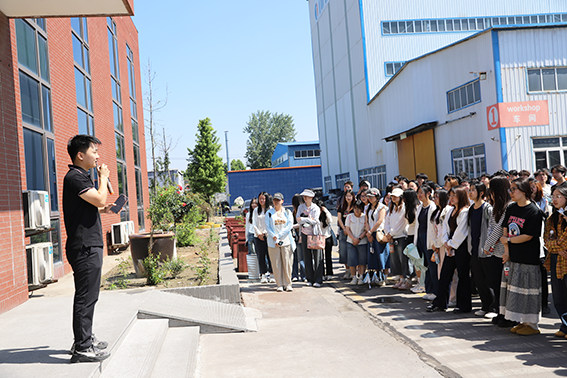
Tinhy and University of Jinan Celebrate Six Years of Industry–University Collaboration
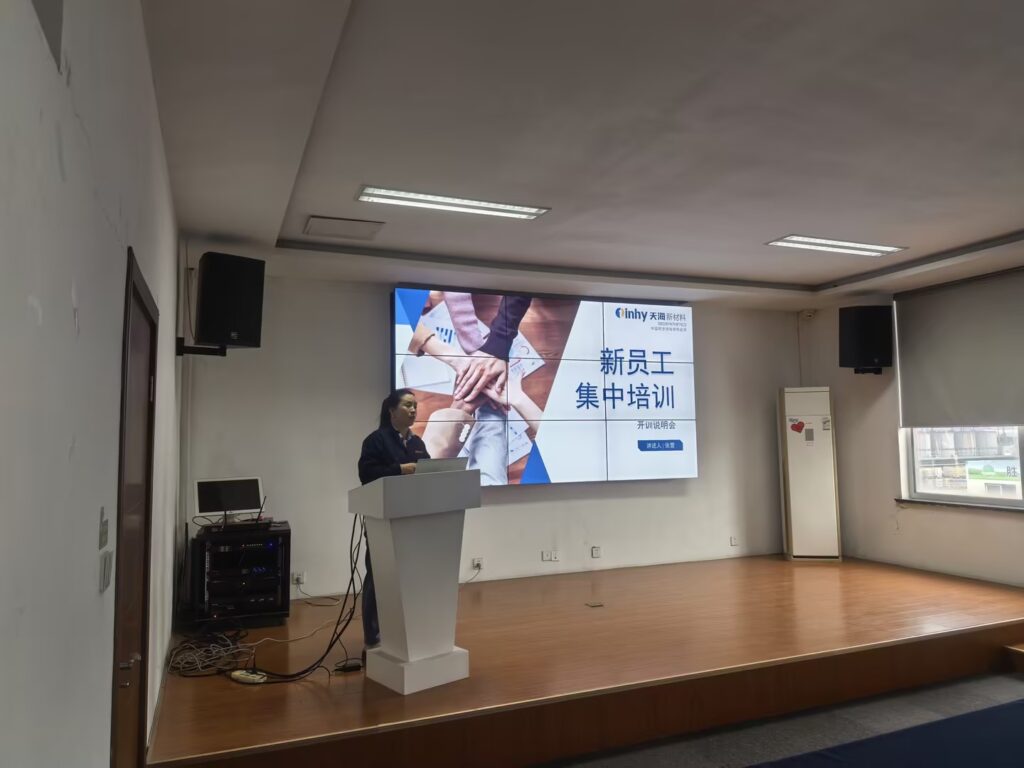
Empowering New Talent, Building the Future: Tinhy Successfully Conducts New Employee Orientation Training
Tinhy Conducts Comprehensive Emergency Drill to Strengthen Workplace Safety Defenses
Company Mid – Year Summary and Team – Building Activity Report
Is geomembrane a geotechnical engineering material?
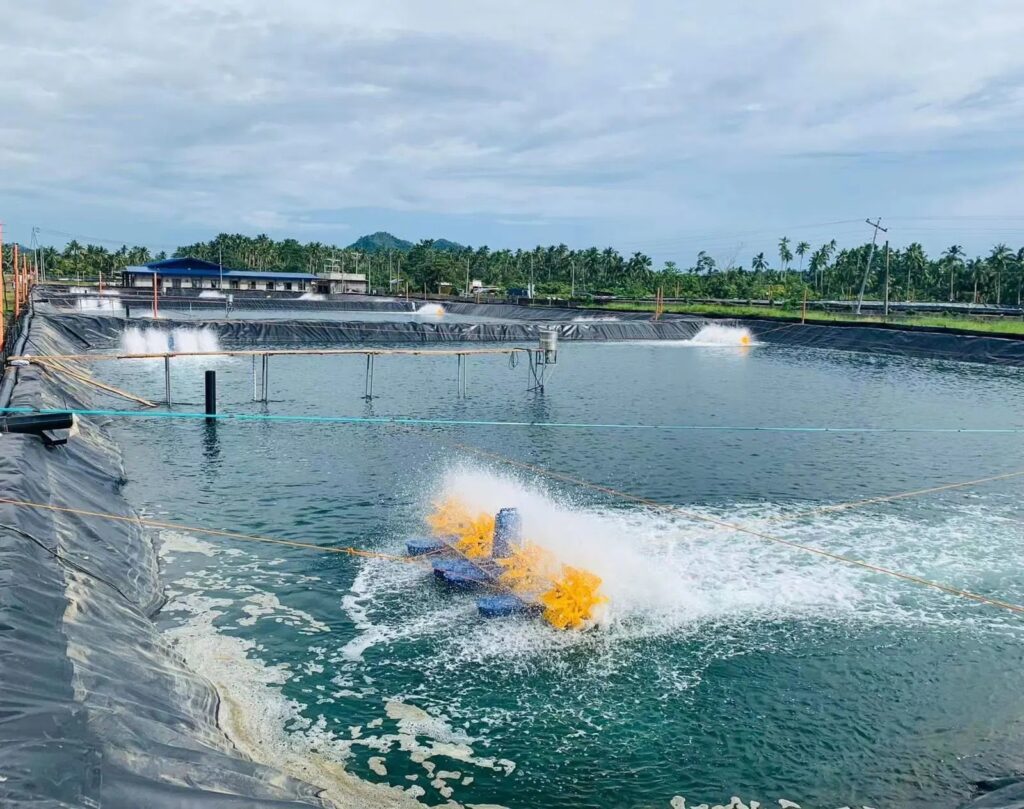
What are the application scenarios of geomembrane?
What are the functions of geotextiles?
Cómo elegir geomembrana de hdpe en proyectos de ingeniería
How to choose hdpe geomembrane in engineering projects
China’s Geotechnical Construction Materials Embrace New Opportunities
Tips for Moisture-Proof Storage of Geotextiles
Key Construction Points and Precautions for High-Density Polyethylene Geomembrane
what is pond lining material ?
What is geomembrane?
HDPE geomembrane construction plans and technical measures
What quality tests do HDPE geomembranes need to do?
Tinhy’s MDS® Drainage Solution
Installation Robots
6 HDPE Pond Liner Suppliers: Products, Quality & Buying Guide
10 Geomembrane Options: Types, Manufacturers & Buying Guide
6 LLDPE Geomembrane Manufacturers: Products, Quality & Buying Guide
7 Best Geotextile Manufacturers: Products, Quality & Buying Guide
Woven Geotextile Fabric Price: Cost Guide & Buying Factors
The 10 Best Film Geotextiles Review: Types, Specifications & Buying Guide
The 10 Best 500 Micron Geomembrane Options: Properties, Applications & Buying Guide
The 10 Best Film Geotextiles Review: Types, Performance & Buying Guide
Geotextile Installation: Step-by-Step Guide for Construction Projects
The 7 Best Non Woven Filter Fabric: Properties, Applications & Buying Guide
Should HDPE or PVC be used to install geomembrane in reservoirs?
What is the price of geomembrane?
Material characteristics of three different geomembranes
Esquema de construcción de geomembrana de HDPE y medidas técnicas
hdpe geomembrane pond liner in Congo (DRC)
How to lay and weld HDPE geomembrane?
HDPE geomembrane 0.2-4.0mm
HOME ABOUT PRODUCTS APPLICATION CONTENTUS RESOURCES
Home Resources Knowledge Base 6 HDPE Pond Liner Suppliers: Products, Quality & Buying Guide

6 HDPE Pond Liner Suppliers: Products, Quality & Buying Guide
time:September 22, 2026 Views:8

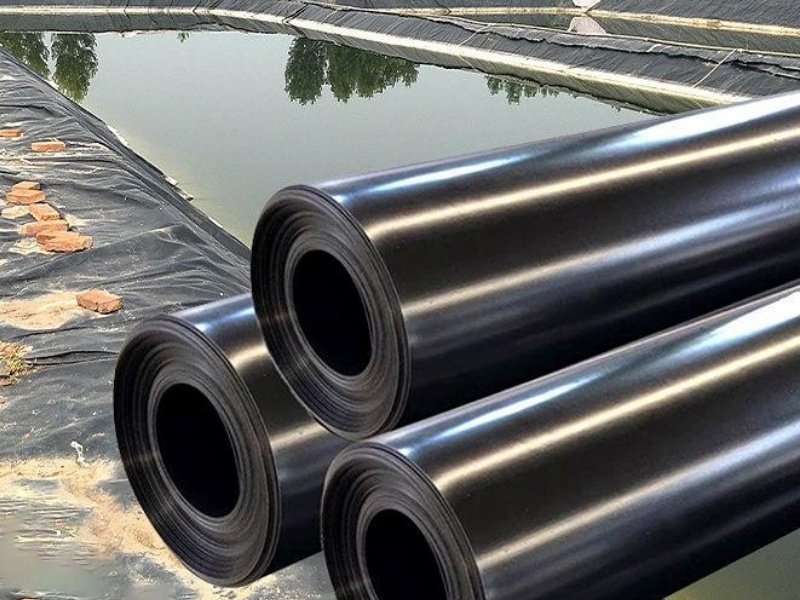
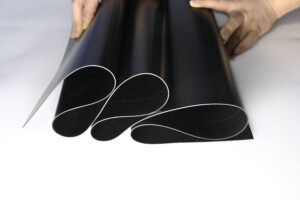
HDPE pond liners are geomembrane barriers designed to reduce water seepage and provide controlled containment for ponds, reservoirs, aquaculture facilities, irrigation systems, and other water-management projects.

When selecting an HDPE pond liner, the manufacturer matters, but it is only one part of the decision. Buyers should also consider liner thickness, surface type, raw material, mechanical properties, chemical compatibility, UV and oxidation resistance, welding requirements, testing standards, roll dimensions, and technical support.

This guide reviews 6 HDPE pond liner suppliers and manufacturers that offer polyethylene geomembrane products for water containment and related applications. The comparison focuses on product range, technical capabilities, quality control, certifications, and suitability for different project requirements rather than presenting an independent ranking.

Table of Contents

1. Why Choose an HDPE Pond Liner?

HDPE geomembranes are widely used as low-permeability barriers in water containment systems.

Compared with many traditional pond-lining materials, HDPE geomembranes provide a combination of:

  • Low permeability
  • High tensile and tear resistance
  • Good puncture resistance
  • Chemical resistance
  • UV and weather resistance
  • Flexible roll installation
  • Heat-weldable seams
  • Multiple thickness and surface options

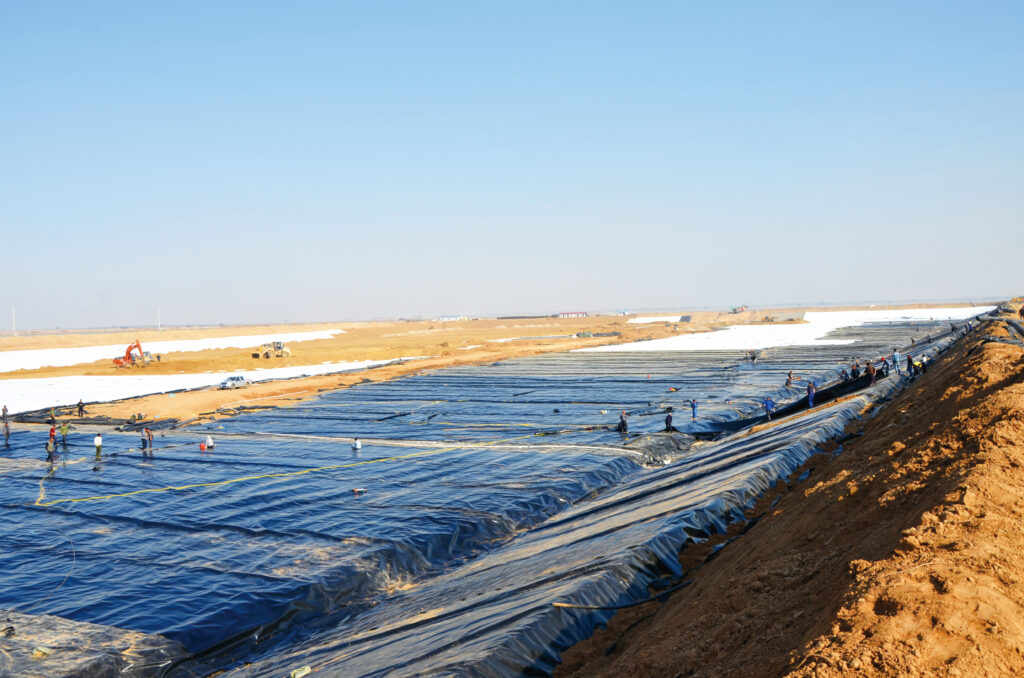
HDPE geomembranes are used in applications including aquaculture ponds, irrigation reservoirs, water storage ponds, wastewater ponds, mining process-water ponds, and other containment structures.

For example, Solmax lists GSE HD geomembranes for agriculture, aquaculture, potable and service water reservoirs, wastewater, mining, and other containment applications.

Layfield also lists HDPE geomembranes for irrigation ponds, canals, ditches, water reservoirs, mining process water, tailings, and liquid containment.

The key point is that pond liner selection should be based on the actual project conditions rather than simply choosing the thickest or most expensive liner.

2. What to Look for in an HDPE Pond Liner Supplier

Before requesting a quotation, compare suppliers using several technical and commercial criteria.

2.1 Product Specifications

Check whether the supplier can provide the required:

  • Thickness
  • Roll width
  • Roll length
  • Smooth or textured surface
  • Color
  • Material formulation
  • Tensile properties
  • Tear resistance
  • Puncture resistance
  • Stress-crack resistance
  • Oxidative induction time (OIT)

For pond projects, smooth geomembranes are commonly used where the lining surface does not require additional interface friction. Textured geomembranes can be considered where increased interface friction is required, such as on slopes.

Naue, for example, describes smooth Carbofol grades for flatter liner applications and structured BF/TF grades where interface shear stability is required.

2.2 Testing and Standards

A reliable supplier should be able to provide technical documentation showing how the geomembrane is tested.

Commonly referenced standards include:

  • ASTM D5199 — geomembrane thickness
  • ASTM D6693 — tensile properties
  • ASTM D4833 — puncture resistance
  • ASTM D1004 — tear resistance
  • ASTM D5397 — stress-crack resistance
  • ASTM D5885 / D8117 — oxidative induction time
  • ASTM D7238 — UV exposure
  • GRI GM13 — HDPE geomembrane specification

The exact standards required should be determined by the project specification and local regulations.

For example, Solmax states that its GSE HD series meets or exceeds GRI GM13 requirements.

2.3 Manufacturing Capability

For large pond and reservoir projects, manufacturing capability can affect:

  • Available roll dimensions
  • Production scheduling
  • Batch consistency
  • Custom specifications
  • Delivery planning
  • Replacement material availability

Rather than relying only on a supplier’s stated annual production volume, buyers should request current factory information, product data sheets, test reports, and production specifications.

2.4 Technical and Installation Support

A pond liner is only part of the complete lining system.

The supplier should be able to provide information regarding:

  • Subgrade preparation
  • Geotextile protection
  • Panel layout
  • Welding procedures
  • Trial welding
  • Seam testing
  • Repairs
  • QA/QC documentation

This is particularly important for large reservoirs, aquaculture ponds, and projects with difficult slopes or irregular geometry.

3. 6 HDPE Pond Liner Suppliers to Consider

The following manufacturers and suppliers represent different approaches to HDPE geomembrane production and containment solutions. They are presented as suppliers to consider, not as an independent ranking.

3.1 The Project Material Co., Ltd. (BPM Geosynthetics) — China

The Project Material Co., Ltd., commonly known as BPM Geosynthetics, is a Chinese geosynthetics manufacturer offering geomembranes and other geosynthetic products.

Its product portfolio includes HDPE geomembranes for water containment and other applications, with options including smooth and textured surfaces and different thickness specifications.

The company also focuses on OEM and customized geosynthetic supply.

Suitable for:

  • Aquaculture ponds
  • Irrigation reservoirs
  • Water containment
  • Wastewater ponds
  • Customized liner projects

What to verify before purchasing:

  • Current production capacity
  • Product thickness range
  • Applicable testing standards
  • Available roll dimensions
  • Project-specific test reports
  • Welding and installation support

For international buyers, these documents are more useful than relying solely on general supplier rankings.

3.2 Solmax — Canada / Global

Solmax is a global geosynthetics manufacturer with operations in numerous countries. Its current portfolio includes GSE geomembranes, which cover HDPE and other geomembrane technologies.

Solmax’s GSE HD geomembranes are positioned for demanding containment applications including agriculture, aquaculture, water reservoirs, wastewater, mining, and environmental projects.

The company also acquired GSE and other major geosynthetics businesses as part of its expansion.

Product characteristics

GSE geomembrane products include:

  • HDPE geomembranes
  • Smooth and textured configurations
  • High-performance HDPE options
  • Conductive/leak-location systems
  • LLDPE geomembranes

Suitable for:

  • Large reservoirs
  • Aquaculture
  • Agriculture
  • Mining
  • Wastewater containment
  • Landfill systems

3.3 AGRU — Austria / International

AGRU is an international manufacturer of polymer products and geosynthetic systems.

Its geomembrane portfolio includes polyethylene liner products designed for containment and environmental applications.

When evaluating AGRU or a similar supplier, buyers should compare the specific product grade rather than treating all HDPE geomembranes as technically identical.

Important comparison points include:

  • Thickness
  • Surface configuration
  • Tensile properties
  • Puncture resistance
  • OIT
  • Stress-crack resistance
  • Chemical compatibility
  • Welding characteristics

Suitable for:

  • Water containment
  • Reservoirs
  • Environmental containment
  • Industrial applications
  • Engineered lining systems

3.4 Naue — Germany

Naue offers the Carbofol® HDPE geomembrane range.

According to Naue, Carbofol is an HDPE liner used for landfill sealing, mining containment, groundwater protection, and water conveyance. Its product range includes smooth and structured surfaces.

The manufacturer states that structured BF/TF versions are designed for applications where higher interface friction is required.

Naue also publishes detailed product information covering:

  • Thickness
  • Roll width
  • Tensile properties
  • Tear resistance
  • Puncture resistance
  • OIT
  • UV resistance
  • Stress-crack resistance
  • Manufacturing and quality assurance

Suitable for:

  • Water conveyance
  • Reservoir projects
  • Mining ponds
  • Landfill containment
  • Groundwater protection

For water projects, buyers should select the specific Carbofol grade according to the project’s design and regulatory requirements rather than assuming every grade is intended for the same application.

3.5 Layfield Group — Canada

Layfield manufactures HDPE geomembranes and other flexible containment products.

Its HDPE geomembrane range is described as suitable for containment applications including irrigation ponds, canals, ditches, water reservoirs, mining process water, tailings, and liquid containment.

One of its products, Enviro Liner® 6000, combines blended LLDPE and HDPE resins with UV/antioxidant stabilization. Layfield states that the product is available in smooth and textured formats and in thicknesses from 20 to 80 mil.

Its current technical specification also identifies Enviro Liner 6000 as NSF 61 compliant and provides thickness-specific mechanical and durability data.

Suitable for:

  • Irrigation ponds
  • Water reservoirs
  • Aquaculture-related containment
  • Long-term exposed applications
  • Critical containment projects

3.6 Tinhy Geosynthetics — China

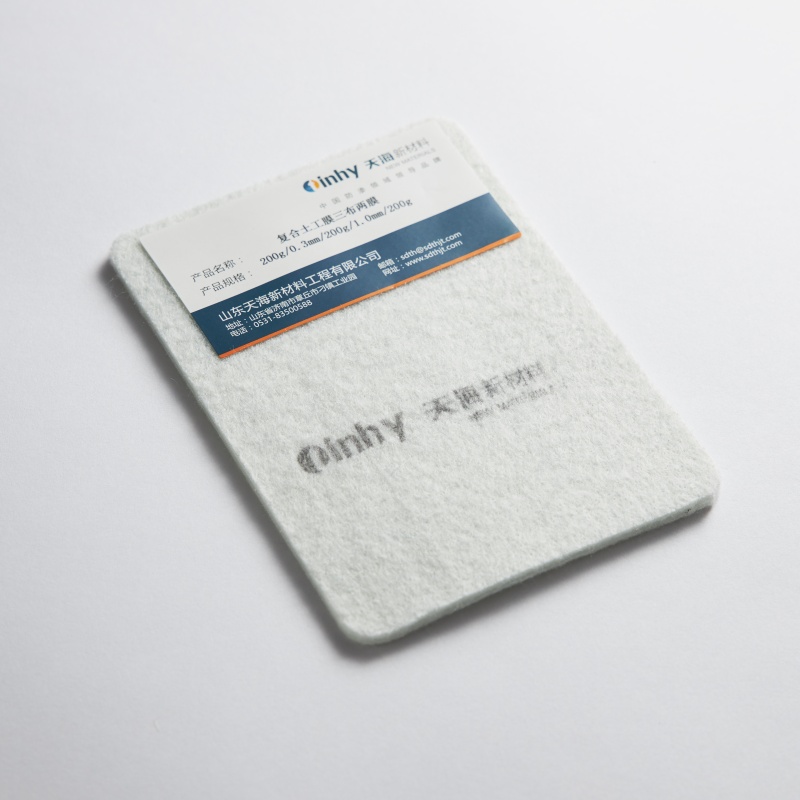
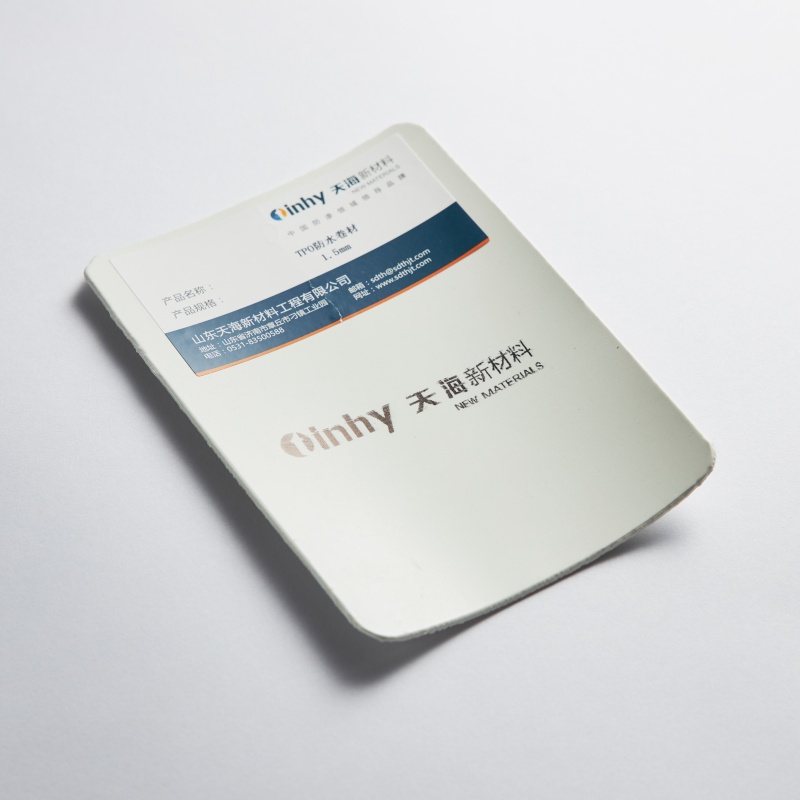
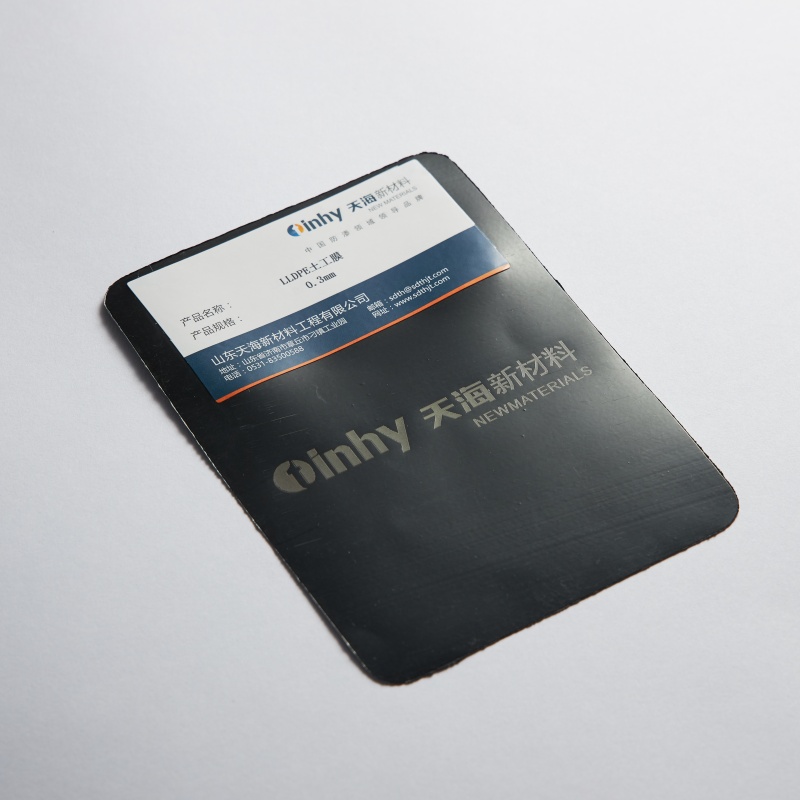
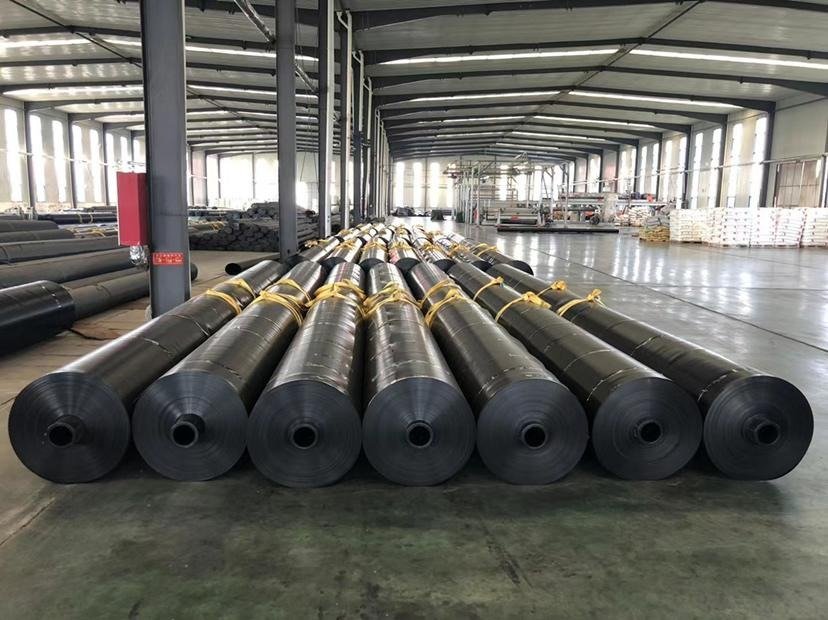
Tinhy Geosynthetics manufactures HDPE and LLDPE geomembranes as part of its broader geosynthetic product portfolio.

Its current smooth HDPE geomembrane range covers approximately 0.5–3.0 mm, with roll widths of approximately 5.8–10 m, depending on product configuration. The product documentation references ASTM, ISO, EN, GB/T, GOST, and DIN testing methods and GRI GM13 specifications.

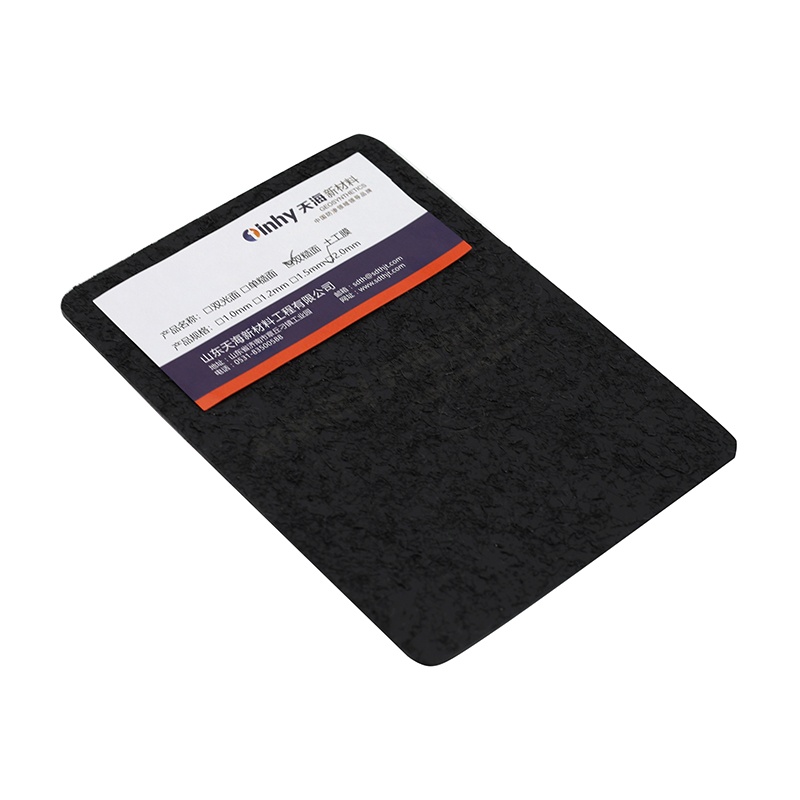
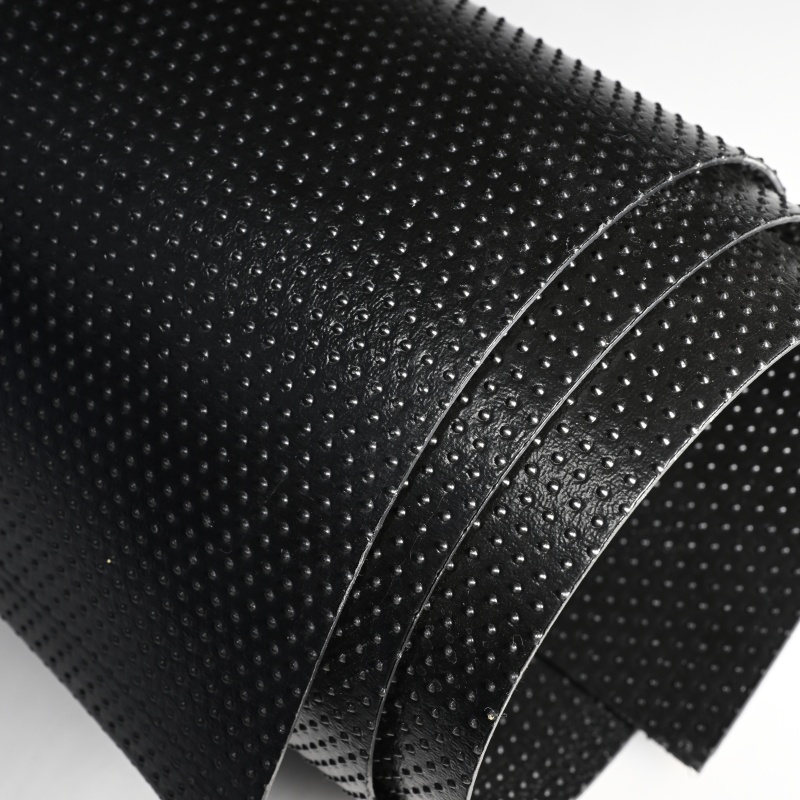
Tinhy’s textured HDPE geomembranes are also available in multiple thicknesses and configurations, with current listed roll widths of approximately 5.8–8 m and roll lengths of 50–150 m depending on specification.

Product options

  • Smooth HDPE geomembrane
  • Textured HDPE geomembrane
  • Different thicknesses
  • Different roll dimensions
  • Project-specific specifications

Suitable for:

  • Aquaculture ponds
  • Irrigation reservoirs
  • Agricultural water storage
  • Landfill systems
  • Mining containment
  • Industrial containment

For buyers evaluating Tinhy, the most useful documents are the current technical data sheet, test reports, product specifications, and project requirements.

4. HDPE Pond Liner Supplier Comparison

Supplier Main Material / Product Surface Options Typical Strength
BPM Geosynthetics HDPE geomembrane Smooth / textured OEM and customized supply
Solmax GSE HD geomembrane Smooth / textured Large global geosynthetics portfolio
AGRU Polymer geomembranes Product-dependent Engineered polymer solutions
Naue Carbofol HDPE Smooth / structured Detailed technical specifications
Layfield HDPE / Enviro Liner Smooth / textured Flexible containment solutions
Tinhy Geosynthetics HDPE / LLDPE Smooth / textured Multiple specifications and roll configurations

Note: Product availability, dimensions, certifications, and technical properties vary by product grade and project. Always request the current technical data sheet before specifying a liner.

5. How to Choose the Right HDPE Pond Liner

5.1 Select the Thickness

Do not select liner thickness only according to the pond type.

Consider:

  • Subgrade conditions
  • Expected loads
  • Puncture risk
  • Construction traffic
  • Water depth
  • Settlement
  • Exposure
  • Required service conditions
  • Project specifications

Tinhy’s current HDPE geomembrane range extends from 0.5 to 3.0 mm, with mechanical properties varying according to thickness.

A larger or more demanding project may require a thicker liner, but the final specification should be determined by engineering requirements.

5.2 Choose Smooth or Textured

Smooth HDPE geomembrane

Smooth liners are commonly used where the interface between the liner and adjacent layers does not require high friction.

Typical situations include:

  • Pond bottoms
  • Reservoir floors
  • Flat containment areas
  • Water storage systems

Textured HDPE geomembrane

Textured geomembranes can provide increased interface friction.

They can be considered for:

  • Sloped pond sides
  • Reservoir embankments
  • Mining slopes
  • Tailings facilities
  • Multilayer lining systems

The appropriate surface structure should be determined through project-specific interface shear considerations.

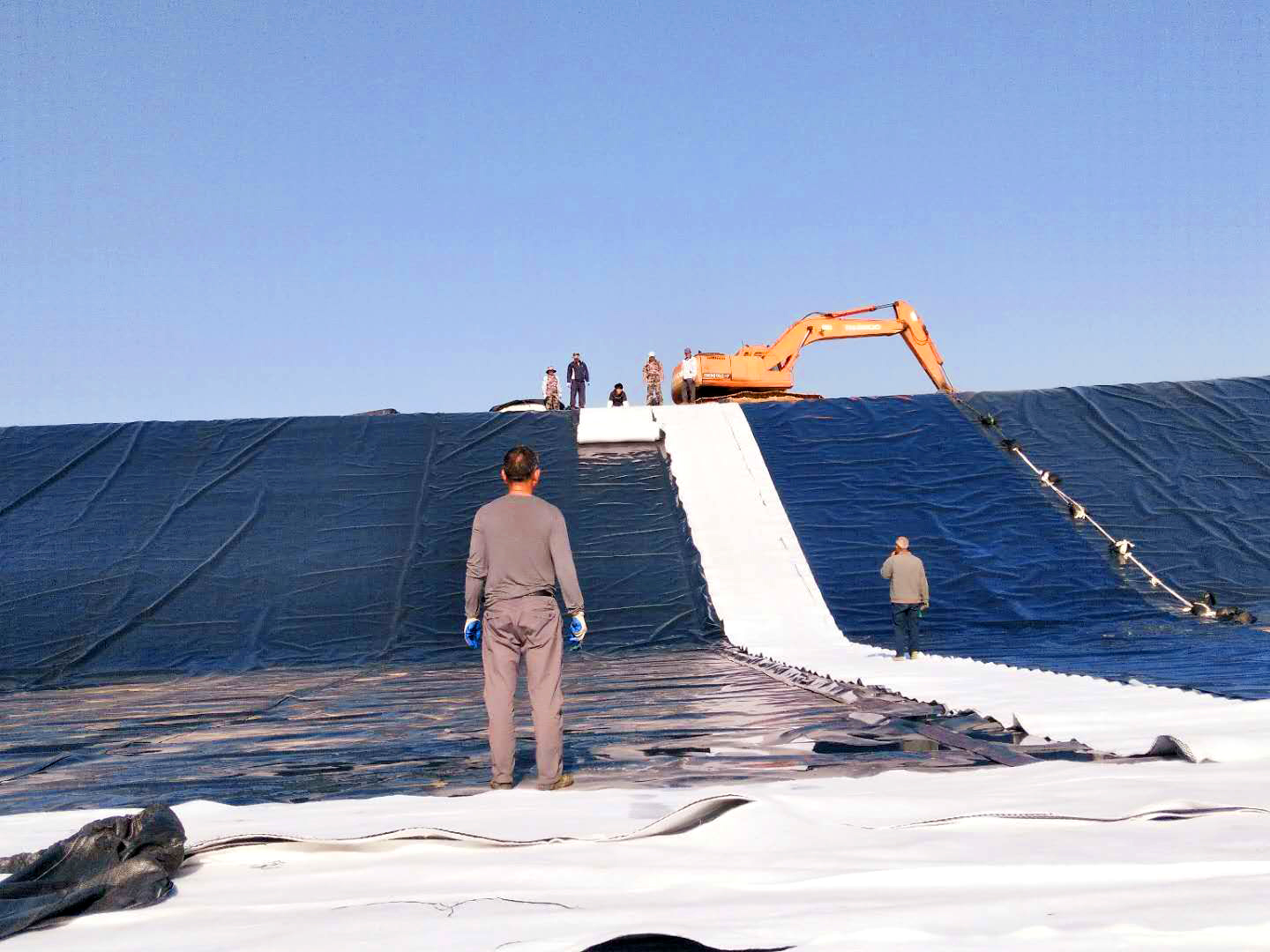
5.3 Consider Geotextile Protection

HDPE geomembranes can be damaged by sharp stones, construction debris, roots, or uneven subgrades.

A geotextile protection layer may therefore be incorporated into the lining system.

A typical structure may include:

Prepared subgrade → geotextile protection → HDPE geomembrane → water

The exact system depends on the engineering design.

5.4 Check Chemical Compatibility

Water does not always mean a chemically simple environment.

For example, aquaculture and agricultural projects may involve:

  • Saline water
  • Fertilizers
  • Cleaning chemicals
  • Organic matter
  • Wastewater
  • Process water

For industrial or mining ponds, the chemical environment can be significantly more demanding.

Ask the supplier for chemical compatibility information whenever the contained liquid is outside normal freshwater conditions.

5.5 Review Welding Requirements

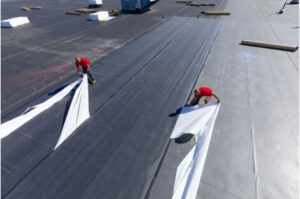
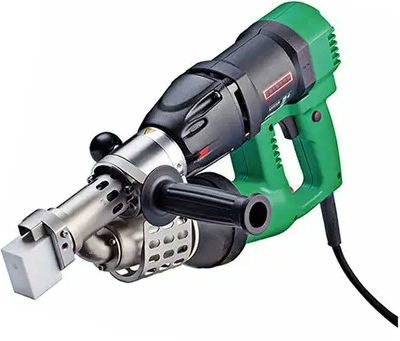
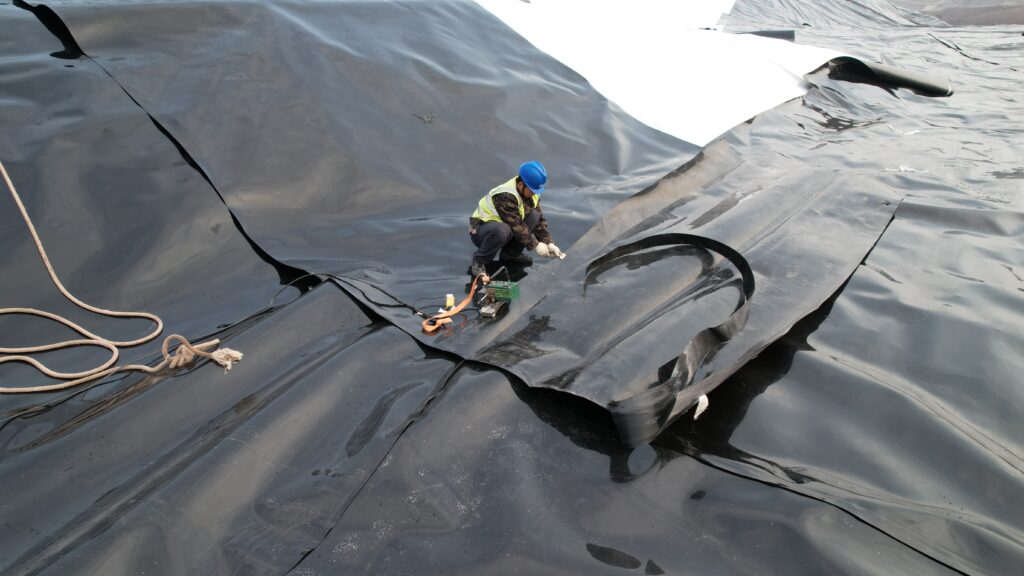
HDPE pond liners are normally joined in the field using thermal welding methods.

Before installation, the project should define:

  • Welding equipment
  • Trial weld procedures
  • Seam acceptance criteria
  • Non-destructive testing
  • Destructive testing
  • Repair procedures
  • Weld documentation

The quality of the finished pond depends on both the geomembrane and the installation process.

6. Common HDPE Pond Liner Buying Mistakes

Mistake 1: Choosing by price alone

The cheapest liner may not have the required thickness, mechanical properties, documentation, or technical support.

Mistake 2: Choosing thickness without checking the subgrade

A thick geomembrane does not eliminate the risk created by sharp stones or poor foundation preparation.

Mistake 3: Ignoring surface type

Smooth and textured geomembranes serve different interface requirements.

Mistake 4: Comparing products without checking test methods

A numerical value is meaningful only when the test method, specimen condition, thickness, and specification are also understood.

Mistake 5: Ignoring welding quality

A good geomembrane can still fail if seams are poorly welded or insufficiently tested.

Mistake 6: Buying without complete documentation

Request:

  • Technical data sheet
  • Certificate of analysis
  • Test reports
  • Quality certificates
  • Roll identification
  • Packing list
  • Relevant compliance documents

7. Questions to Ask an HDPE Pond Liner Supplier

Before placing an order, ask:

  1. What HDPE resin and formulation are used?
  2. What thicknesses are available?
  3. Are smooth and textured surfaces available?
  4. What roll widths and lengths can you provide?
  5. Which ASTM or other standards are used for testing?
  6. Can you provide current third-party test reports?
  7. What are the tensile, tear, and puncture values for the selected thickness?
  8. What are the OIT and stress-crack resistance specifications?
  9. Can you provide chemical compatibility information?
  10. Can you provide welding and installation guidance?
  11. Can the product be customized according to project specifications?
  12. What documentation will be supplied with each production batch?

These questions make supplier comparisons much more meaningful than simply comparing quoted prices.

8. FAQ About HDPE Pond Liners

What is an HDPE pond liner?

An HDPE pond liner is a high-density polyethylene geomembrane used as a low-permeability barrier to reduce seepage and contain water or other liquids.

What thickness is best for a pond liner?

There is no single thickness that is best for every pond. Thickness should be selected according to subgrade conditions, loading, puncture risk, water depth, installation conditions, exposure, and project specifications.

Is smooth or textured HDPE better for ponds?

Neither is universally better. Smooth geomembranes are commonly used on flatter areas, while textured geomembranes may be appropriate where increased interface friction is required.

Do I need geotextile under an HDPE pond liner?

A geotextile protection layer may be recommended when the subgrade contains stones, irregularities, roots, or other features that could damage the geomembrane.

Can HDPE pond liners be welded?

Yes. HDPE geomembrane panels can be thermally welded using suitable field welding equipment and procedures.

How do I choose an HDPE pond liner supplier?

Compare the supplier’s product specifications, testing, manufacturing capability, certifications, roll dimensions, customization options, technical support, and ability to provide project-specific documentation.

9. Conclusion

Choosing an HDPE pond liner supplier should be based on more than company size or quoted price.

The most important factors are the right material, thickness, surface configuration, testing, manufacturing consistency, installation requirements, and technical documentation.

Suppliers such as BPM Geosynthetics, Solmax, AGRU, Naue, Layfield, and Tinhy offer different product portfolios and manufacturing approaches. Buyers should compare the specific product grade against the project’s engineering requirements rather than relying on a generic “best supplier” ranking.

Tinhy Geosynthetics provides smooth and textured HDPE geomembranes in multiple thicknesses and roll configurations, with technical specifications referencing ASTM, ISO, EN, GB/T, GOST, DIN, and GRI GM13 requirements.

For an aquaculture pond, irrigation reservoir, agricultural water-storage project, or other containment system, the best procurement process is to define the design requirements first, then request product data, test reports, samples, and a project-specific quotation from qualified manufacturers.

Knowledge Base
Share:
info@tinhygeosynthetics.com Bai Jinxi
Consultation

    Get The Latest Product Prices

    Your inquiries are welcomed at any time and please feel free to contact us via email, phone calls, and online chatbox on our site.

    We will definitely give you a reply ASAP after we receive your messages.

      0/180