Resources
Company News
Industry News
Knowledge Base
Project Cases
Innovation
Tinhy and University of Jinan Celebrate Six Years of Industry–University Collaboration
Empowering New Talent, Building the Future: Tinhy Successfully Conducts New Employee Orientation Training
Tinhy Conducts Comprehensive Emergency Drill to Strengthen Workplace Safety Defenses
Company Mid – Year Summary and Team – Building Activity Report
Is geomembrane a geotechnical engineering material?
What are the application scenarios of geomembrane?
What are the functions of geotextiles?
Cómo elegir geomembrana de hdpe en proyectos de ingeniería
How to choose hdpe geomembrane in engineering projects
¿Qué ancho elegir para geomembrana?
China’s Geotechnical Construction Materials Embrace New Opportunities
Tips for Moisture-Proof Storage of Geotextiles
Key Construction Points and Precautions for High-Density Polyethylene Geomembrane
what is pond lining material ?
What is geomembrane?
HDPE geomembrane construction plans and technical measures
What quality tests do HDPE geomembranes need to do?
Tinhy’s MDS® Drainage Solution
Installation Robots
1.5 mm HDPE Liner: Uses, Benefits and Installation Guide
HDPE Liner Suppliers: How to Choose the Right Partner for Your Project
40 Mil HDPE Liner: A Practical Guide to Applications, Benefits, and Selection
30 Mil HDPE Liner: A Practical Guide for Containment, Pond, and Industrial Applications
Geofabric Suppliers: 9 Essential Factors to Choose the Right Partner for Your Project
Geotextile 150 GSM: Applications, Benefits, and How to Choose the Right Geotextile Fabric
Best Geomembrane for Mining: A Complete Guide to Choosing the Right Liner for Mining Projects
HDPE Geomembrane Sheet: The Complete Guide to Waterproofing, Containment, and Environmental Protection
What Is a Geosynthetic Clay Liner? Benefits, Applications, and Why Engineers Choose Film-Coated GCLs
What Is Nonwoven Fabric Geotextile? The Ultimate Guide to Filtration, Drainage, and Infrastructure Protection
Should HDPE or PVC be used to install geomembrane in reservoirs?
What is the price of geomembrane?
Material characteristics of three different geomembranes
Esquema de construcción de geomembrana de HDPE y medidas técnicas
hdpe geomembrane pond liner in Congo (DRC)
How to lay and weld HDPE geomembrane?
HDPE geomembrane 0.2-4.0mm
HOME ABOUT PRODUCTS APPLICATION CONTENTUS RESOURCES
Home Resources Knowledge Base 1.5 mm HDPE Liner: Uses, Benefits and Installation Guide

1.5 mm HDPE Liner: Uses, Benefits and Installation Guide

time:June 23, 2026 Views:6

When a project requires reliable containment, chemical resistance, and long-term durability, a 1.5 mm HDPE liner is often one of the most practical geomembrane solutions available. Used across landfills, mining operations, aquaculture ponds, wastewater treatment facilities, agricultural reservoirs, and industrial containment systems, this thickness offers a strong balance between performance, installation efficiency, and cost.

HDPE, or high-density polyethylene, is widely recognized for its excellent resistance to moisture, chemicals, UV exposure, and environmental stress cracking. A 1.5 mm HDPE liner, also commonly referred to as a 60 mil HDPE geomembrane, is thick enough for many demanding containment applications while remaining flexible enough for efficient transport, deployment, welding, and field installation.

This guide explains what a 1.5 mm HDPE liner is, where it is used, why it is preferred, and what buyers should consider before selecting a geomembrane supplier.

What Is a 1.5 mm HDPE Liner?

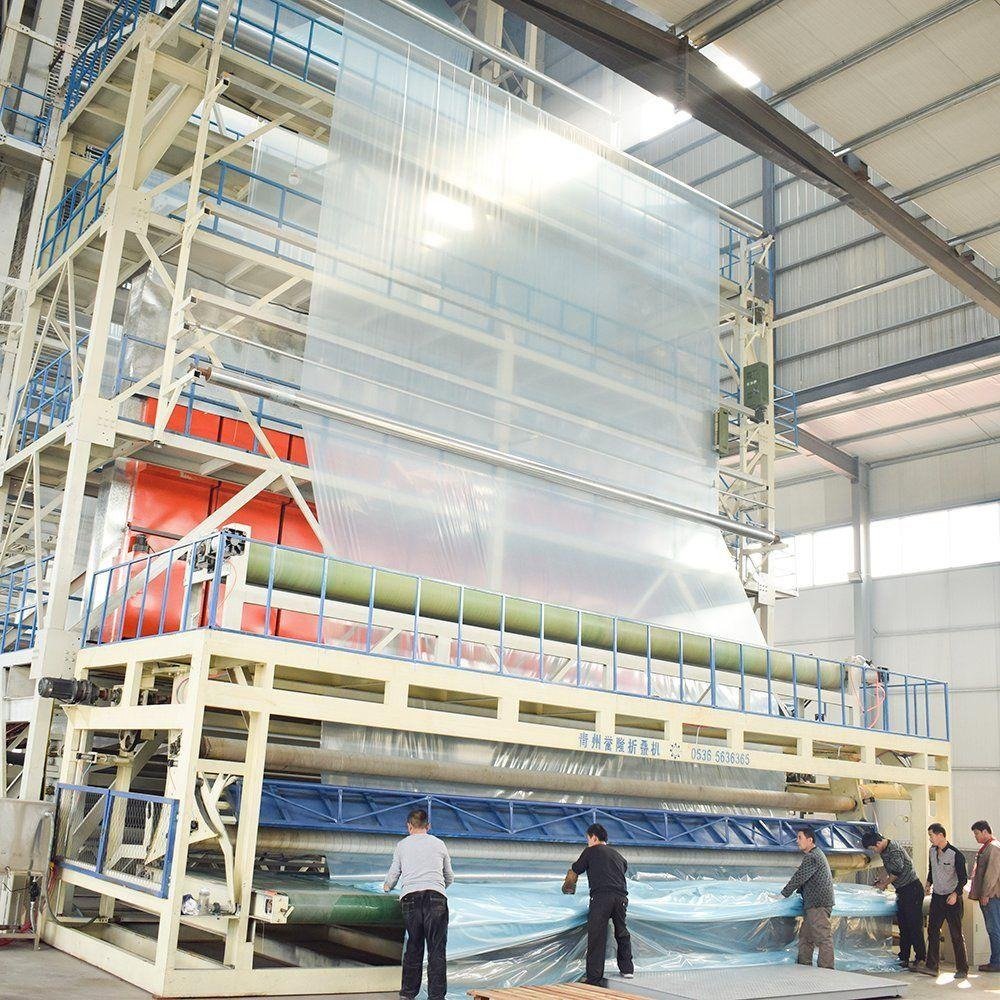
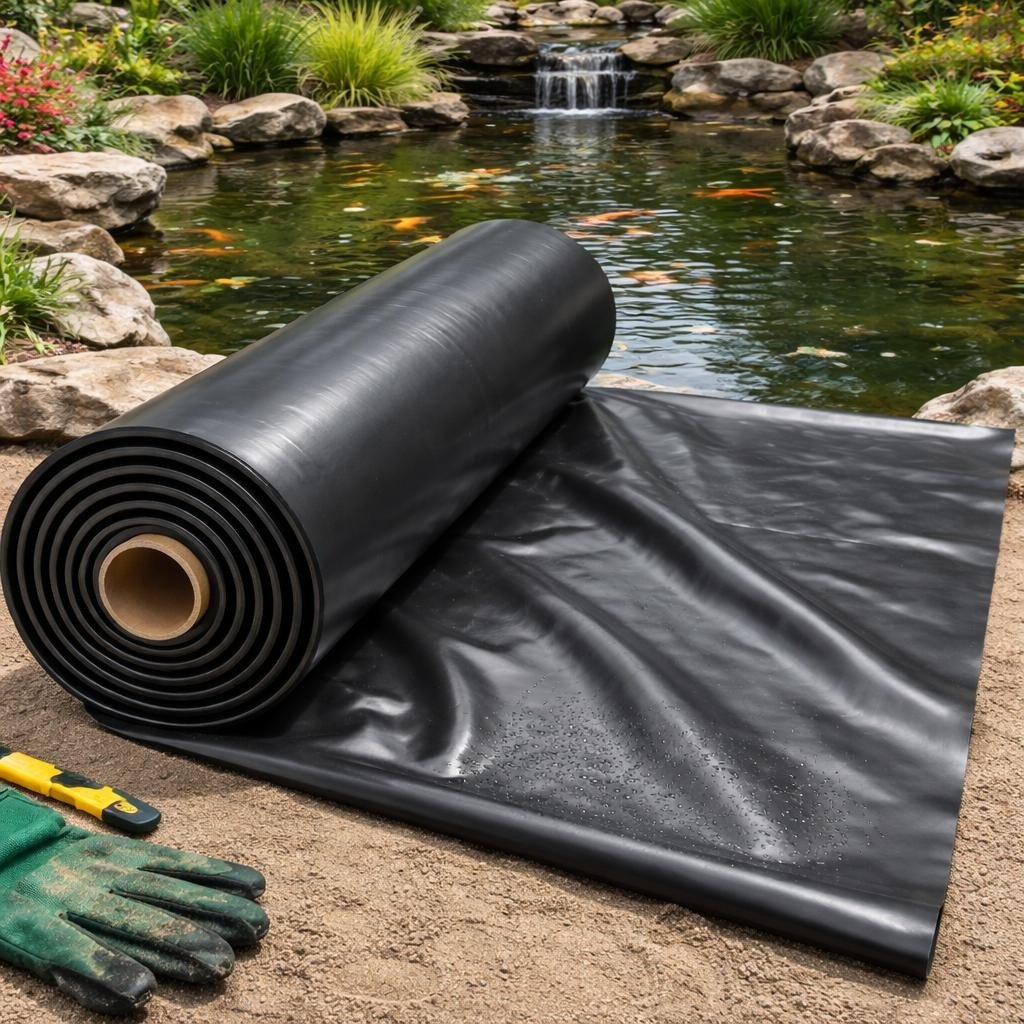
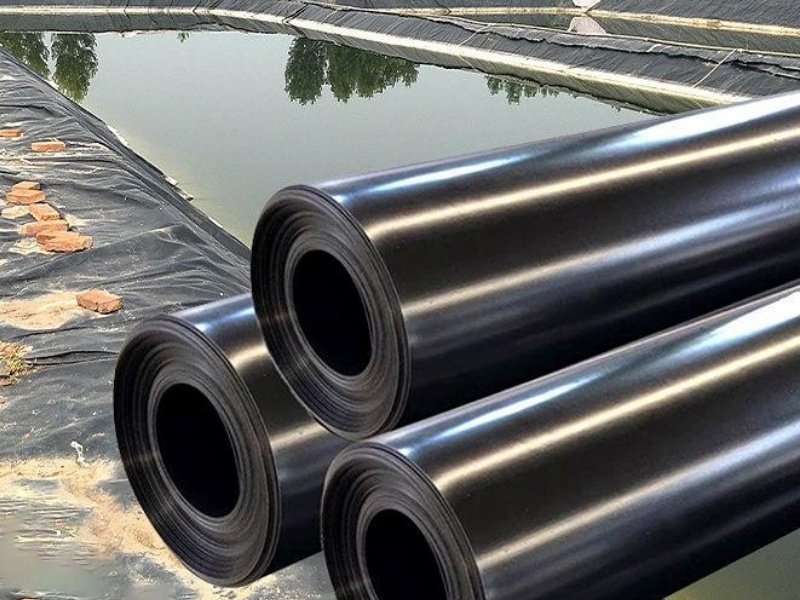
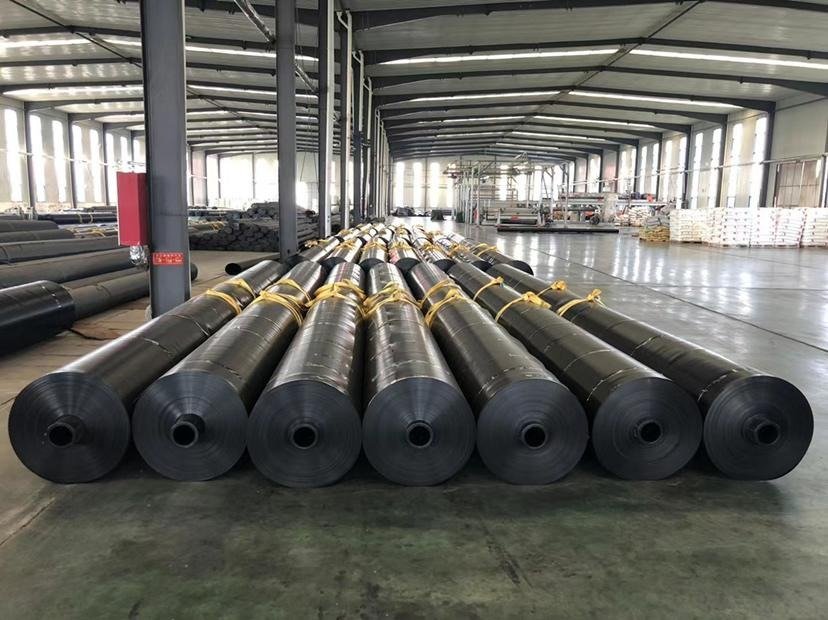
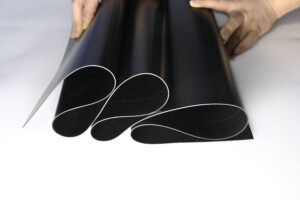
A 1.5 mm HDPE liner is an impermeable synthetic geomembrane made from high-density polyethylene resin. It is manufactured in sheets or rolls and installed as a barrier to prevent the movement of liquids, gases, chemicals, or contaminants through soil and other substrates.

The “1.5 mm” measurement refers to the thickness of the liner. In imperial units, this is approximately 60 mil. While HDPE geomembranes are available in a variety of thicknesses, including 0.5 mm, 0.75 mm, 1.0 mm, 1.5 mm, 2.0 mm, and above, the 1.5 mm HDPE liner is one of the most commonly specified options for medium-to-heavy-duty projects.

Its relatively high density gives HDPE superior stiffness and chemical resistance compared with many other geomembrane materials. At the same time, its smooth or textured surface options allow it to be adapted to different site conditions.

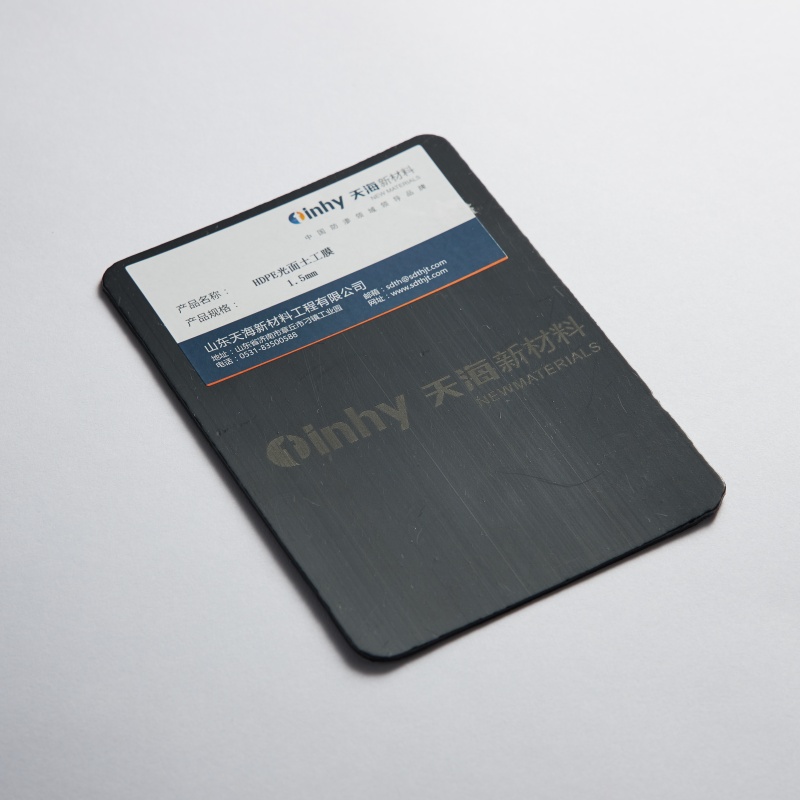
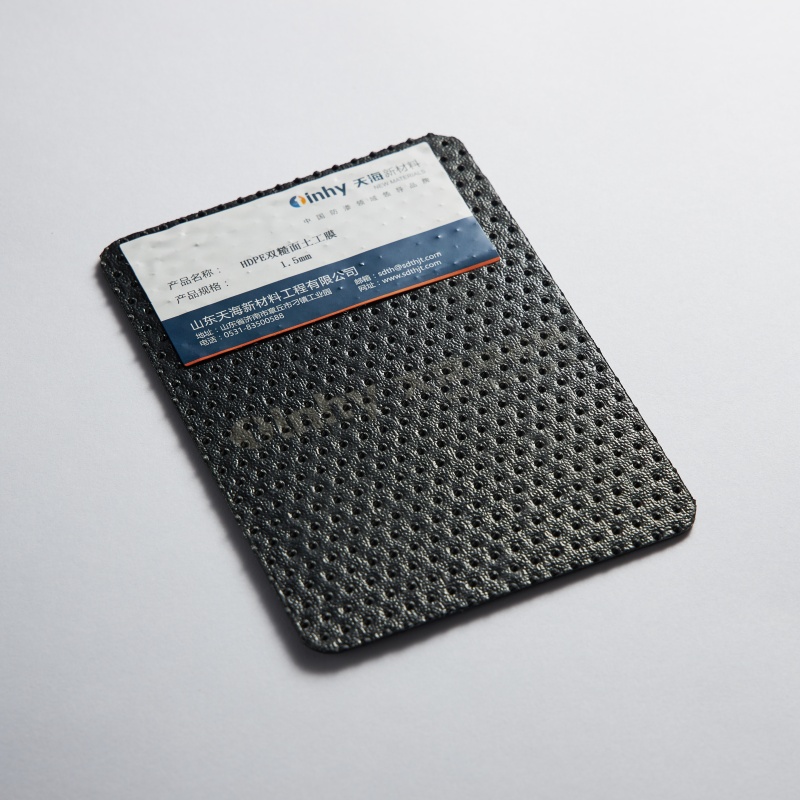
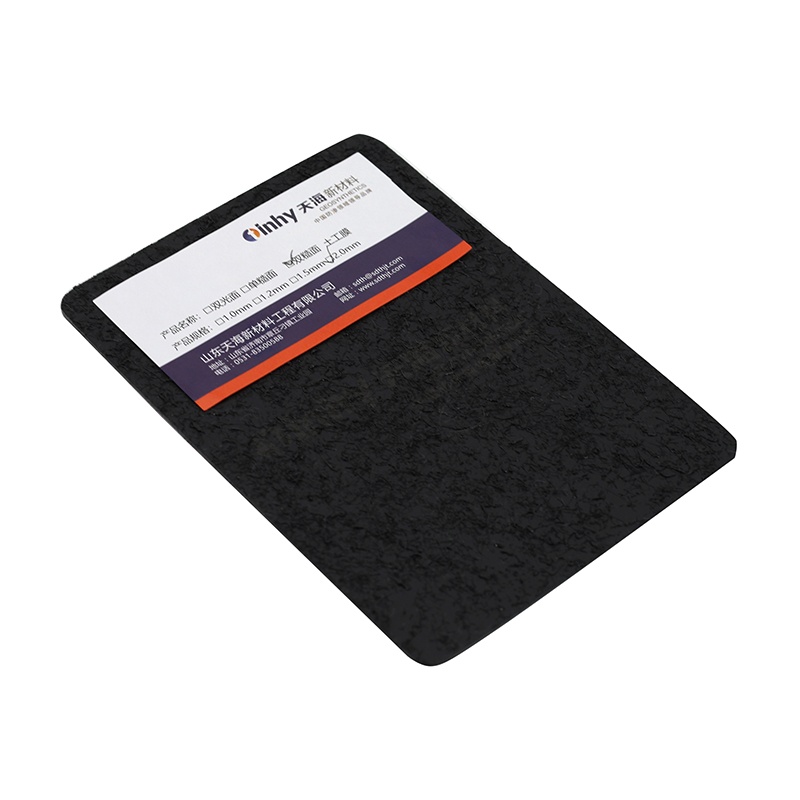
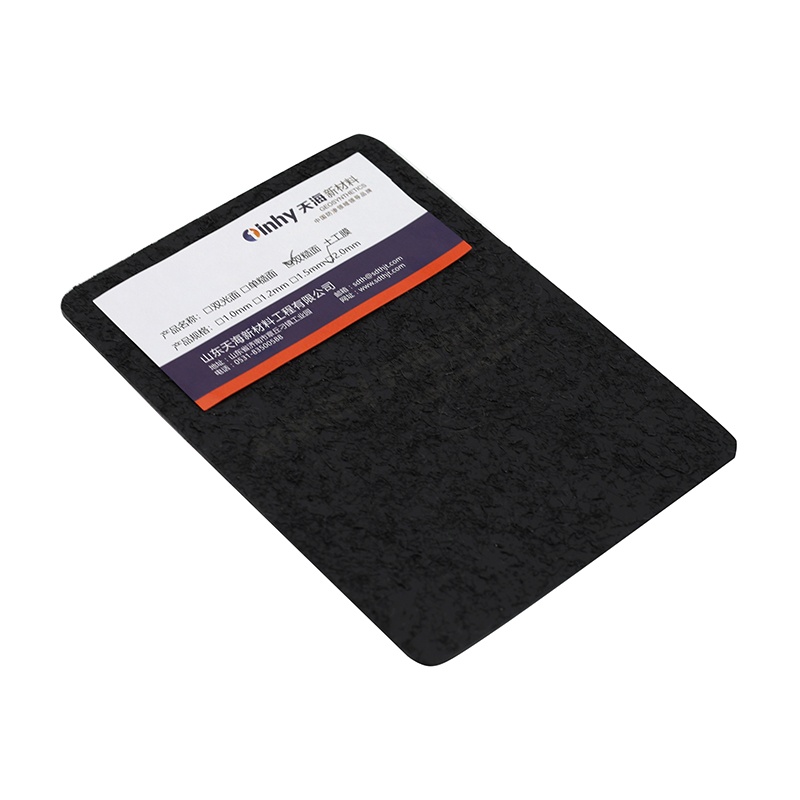
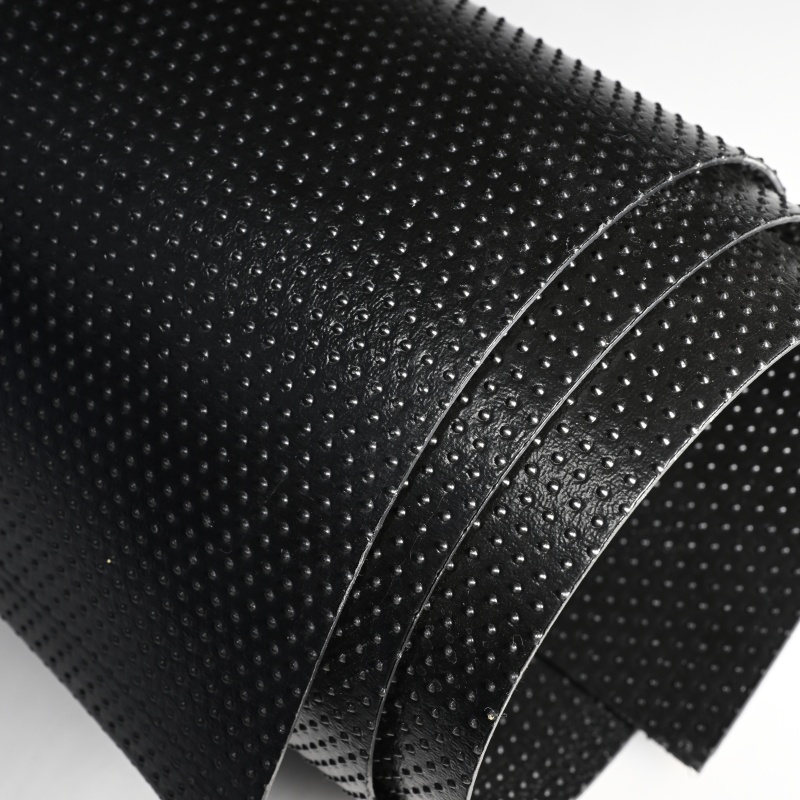
A smooth 1.5 mm HDPE liner is usually selected for flat areas, pond bottoms, or applications where easy cleaning is important. A textured HDPE liner is often used on slopes, embankments, and landfill sidewalls because the textured surface improves friction and helps reduce the risk of liner slippage.

Main Advantages of a 1.5 mm HDPE Liner

The popularity of the 1.5 mm HDPE liner comes from its ability to provide dependable containment without unnecessarily increasing project cost. It delivers several important benefits.

Excellent Chemical Resistance

HDPE is highly resistant to a wide range of chemicals, including acids, alkalis, salts, hydrocarbons, leachate, and many industrial liquids. This makes a 1.5 mm HDPE liner suitable for facilities where contaminated water or chemical solutions must be contained safely.

For example, mining projects may use HDPE liners in heap leach pads, tailings ponds, and process-water ponds. Wastewater treatment facilities may use them in settling ponds, sludge lagoons, and effluent storage areas. Their chemical resistance helps protect surrounding soil and groundwater from pollution.

However, the compatibility of the liner should always be evaluated against the specific chemicals, temperatures, concentrations, and exposure durations involved in the project. A supplier should be able to provide chemical compatibility data when needed.

Strong Waterproofing Performance

The fundamental role of a geomembrane is to act as a barrier. A properly installed 1.5 mm HDPE liner provides extremely low permeability, which helps prevent seepage and liquid loss.

This is especially important in water storage and environmental protection projects. Agricultural reservoirs, irrigation ponds, firewater ponds, decorative lakes, and aquaculture systems can lose substantial amounts of water through soil infiltration if they are not lined properly. Installing an HDPE liner helps preserve water resources, reduce refill costs, and improve operational control.

For contaminated liquids, the liner also functions as a protective layer between the stored material and the natural ground.

UV and Weather Resistance

Outdoor installations are often exposed to intense sunlight, rain, temperature changes, and wind. HDPE geomembranes are designed to tolerate long-term UV exposure, making them suitable for exposed ponds, landfill covers, reservoirs, and mining applications.

A quality 1.5 mm HDPE liner typically contains carbon black and stabilizing additives that help protect the polymer from degradation caused by sunlight. Carbon black also contributes to the familiar black appearance of many HDPE geomembranes.

This weather resistance is a major reason why HDPE is favored for long-term outdoor containment. Still, field conditions matter. Extreme heat, unusual chemical exposure, mechanical damage, and poor installation can all reduce service life. Good design and installation practices remain essential.

High Tensile Strength and Puncture Resistance

A 1.5 mm HDPE liner provides a much stronger physical barrier than thinner geomembranes. It has good tensile strength, tear resistance, and puncture resistance, allowing it to handle many demanding site conditions.

The liner may be exposed to sharp stones, uneven subgrade, equipment movement, settlement, and hydraulic pressure. Although no geomembrane is completely immune to damage, the increased thickness of 1.5 mm HDPE gives it more resilience than lightweight liner products.

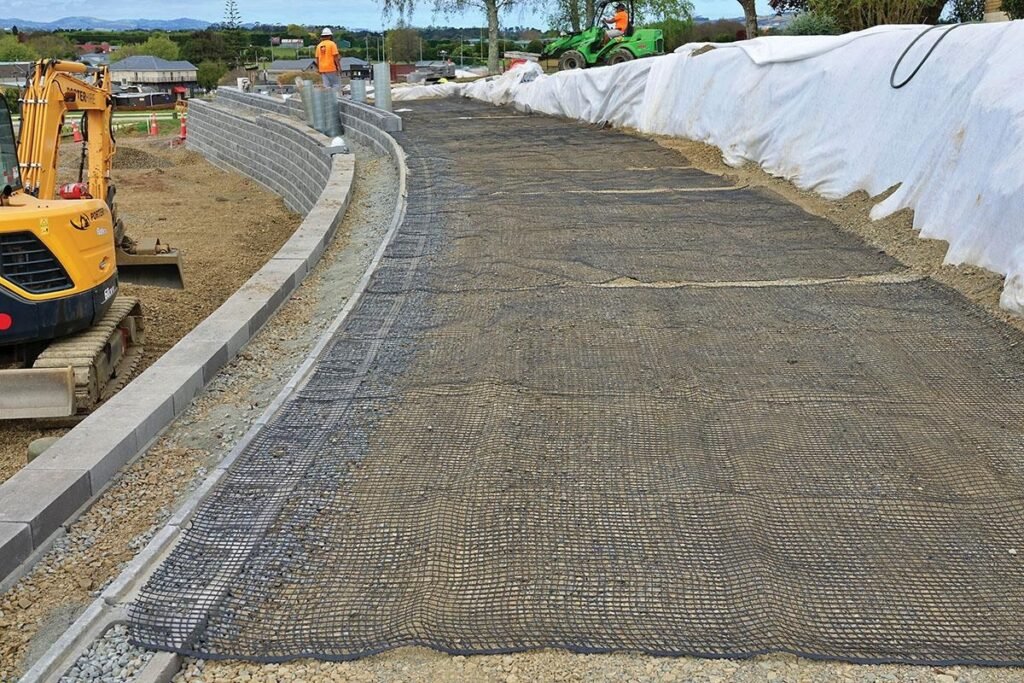
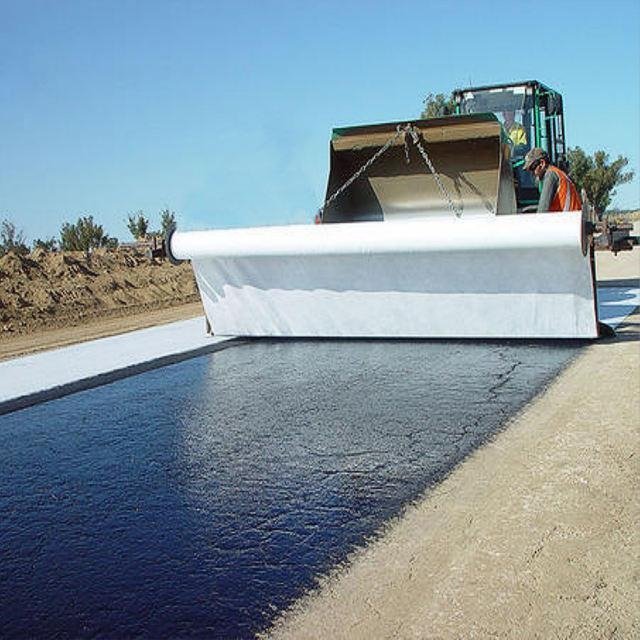
For sites with particularly rough soils, angular rock, or heavy construction traffic, the liner should usually be protected with nonwoven geotextile. The geotextile cushion helps prevent stones or irregular substrate surfaces from puncturing the geomembrane.

Cost-Effective Long-Term Solution

A thicker liner naturally costs more than a thin liner, but the 1.5 mm HDPE liner is often considered a cost-effective middle ground. It is robust enough for many industrial and environmental applications without reaching the material and installation cost of a 2.0 mm or thicker system.

The best liner choice is not necessarily the cheapest option at the time of purchase. A low-cost liner that tears, degrades early, or requires frequent repair can become much more expensive over the life of the project. Choosing an appropriate liner thickness from the beginning can reduce leakage risks, maintenance demands, and replacement costs.

Common Applications of 1.5 mm HDPE Liner

A 1.5 mm HDPE liner can be used in a wide range of containment and waterproofing projects.

Landfill and Waste Management

Landfills are one of the most demanding geomembrane applications. Liners are used to isolate waste and leachate from the underlying soil and groundwater. Depending on local regulations and engineering requirements, a 1.5 mm HDPE liner may be used in landfill base lining systems, leachate collection areas, capping systems, or secondary containment zones.

Because landfill projects often require strict quality control, the liner welding, seam testing, subgrade preparation, and installation documentation are just as important as the liner material itself.

Mining and Heap Leaching

Mining operations use geomembranes in applications such as heap leach pads, tailings ponds, evaporation ponds, process-water containment, and chemical storage areas. These applications may involve acidic or alkaline solutions, elevated temperatures, and substantial mechanical stress.

The chemical resistance and strength of a 1.5 mm HDPE liner make it a common choice for mining containment. In more aggressive environments, engineers may specify a thicker geomembrane, a textured surface, or additional protective layers.

Aquaculture and Fish Ponds

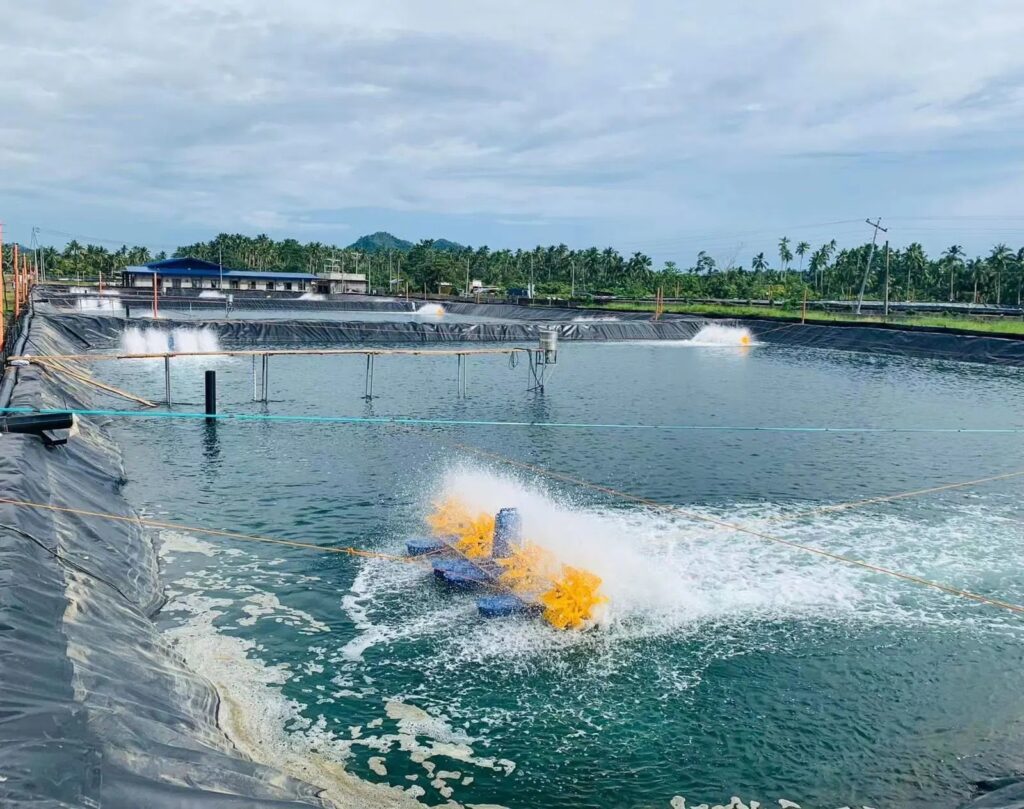
Fish farms, shrimp ponds, and aquaculture facilities benefit from HDPE liners because they reduce water seepage, help maintain cleaner pond conditions, and allow operators to manage water levels more effectively.

A smooth 1.5 mm HDPE liner is often preferred for pond bottoms because it is easier to clean and less likely to trap sediment. It can also help reduce contact between pond water and soil-borne contaminants.

For aquaculture use, the liner should be manufactured from virgin resin and should not contain harmful recycled materials or additives that could affect water quality.

Agricultural Water Storage

Farm ponds, irrigation reservoirs, rainwater harvesting systems, and water tanks all require efficient water retention. A 1.5 mm HDPE liner can significantly reduce water loss through seepage and help farmers maintain a more reliable water supply during dry periods.

It is particularly useful in areas with sandy soil, porous ground, or limited water availability. In addition to reducing seepage, the liner can simplify cleaning and sediment management compared with an unlined pond.

Wastewater Treatment and Industrial Ponds

Wastewater treatment plants, factories, chemical facilities, and food-processing operations often need lined ponds for wastewater, sludge, runoff, or emergency containment. A 1.5 mm HDPE liner provides a durable barrier that helps protect the surrounding environment.

The correct liner selection should account for fluid chemistry, operating temperature, sunlight exposure, pond geometry, and expected service life. Industrial projects may also require secondary containment systems to provide an additional layer of protection.

Smooth vs. Textured 1.5 mm HDPE Liner

One of the most important choices is whether to use a smooth or textured geomembrane.

A smooth 1.5 mm HDPE liner is generally suitable for flat surfaces, pond floors, tanks, channels, and areas where low friction is not a concern. It is easier to clean and is commonly used in water containment projects.

A textured 1.5 mm HDPE liner has a roughened surface that increases interface friction. It is often selected for slopes, sidewalls, landfill cells, heap leach pads, and embankments. The texture improves stability between the geomembrane and adjacent soil, geotextile, or drainage layer.

Some projects use both types. For example, a reservoir may use smooth liner on the bottom and textured liner on the side slopes. The final selection should be based on slope angle, soil characteristics, loading conditions, and engineering design requirements.

Installation Considerations

Even the best 1.5 mm HDPE liner cannot perform properly if it is installed poorly. Site preparation and seam quality are critical.

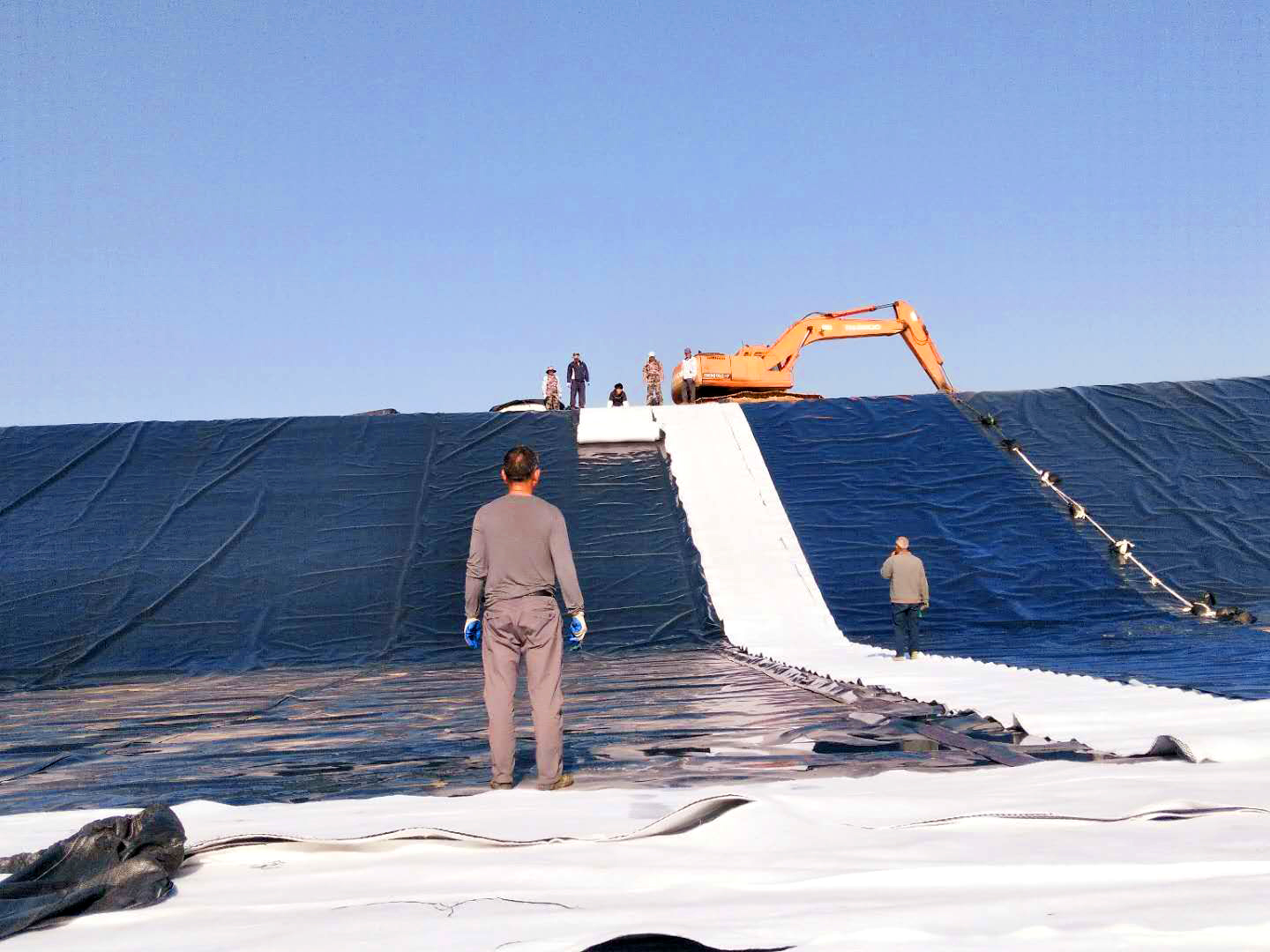
The subgrade should be smooth, compacted, and free from sharp rocks, roots, construction debris, and standing water. Where necessary, a geotextile protection layer should be installed beneath the liner.

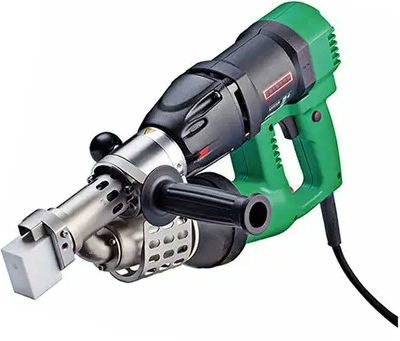
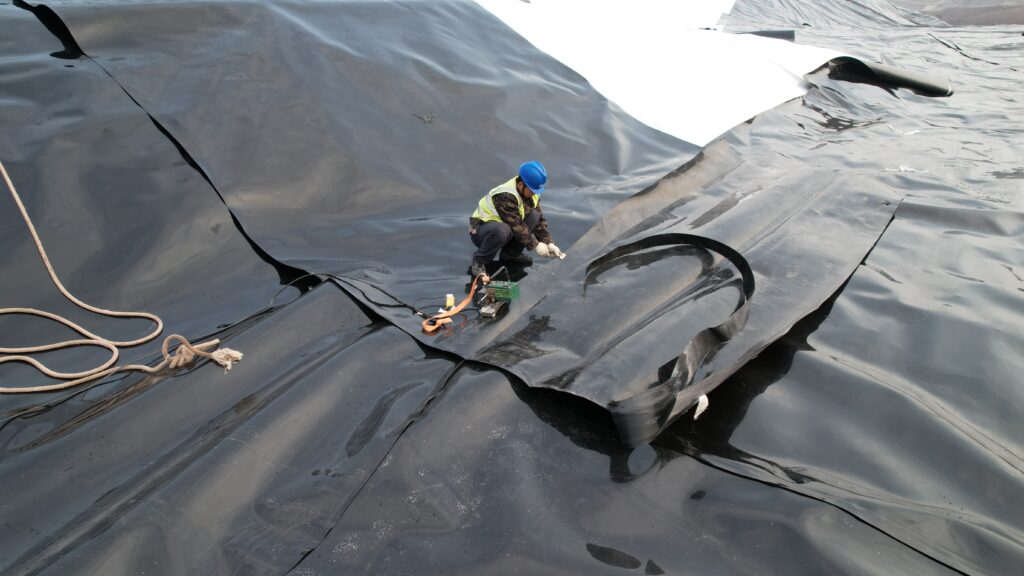
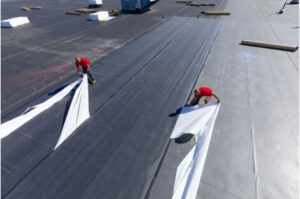
HDPE sheets are usually joined by thermal welding, including hot-wedge welding or extrusion welding. Proper welding creates strong, continuous seams that maintain the integrity of the containment system. During installation, seams should be tested using approved non-destructive and destructive methods, such as air-pressure tests, vacuum-box tests, and peel or shear testing.

Anchoring is also important. At the edges of a pond or containment cell, the liner is commonly secured in anchor trenches to prevent movement caused by wind, water pressure, or settlement.

Professional installation teams should work according to project specifications, weather conditions, welding procedures, and quality assurance plans. Poor welding, contaminated seam surfaces, or installation during unsuitable weather can lead to leaks and expensive repairs.

How to Choose a 1.5 mm HDPE Liner Supplier

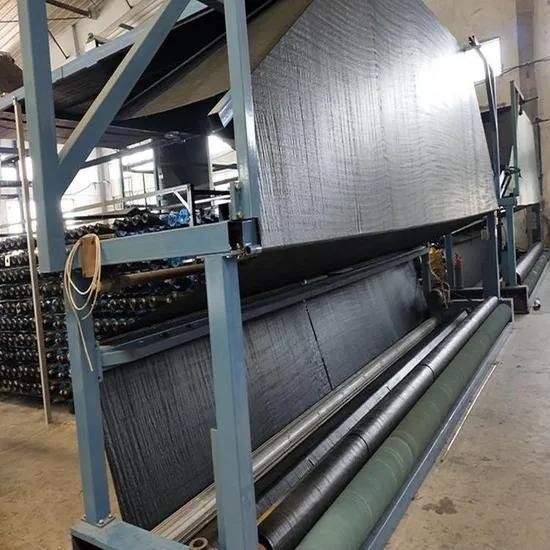
When sourcing a 1.5 mm HDPE liner, buyers should look beyond the quoted price. Material quality, manufacturing consistency, technical documentation, and installation support all matter.

Ask whether the geomembrane is made from virgin HDPE resin. Virgin material generally provides more reliable long-term properties than products containing excessive recycled content. Also ask for technical data sheets, quality certificates, roll dimensions, thickness tolerances, and relevant testing standards.

A trustworthy supplier should be able to explain whether the product is suitable for your intended application and provide recommendations on smooth versus textured surfaces, geotextile protection, welding methods, and roll layout.

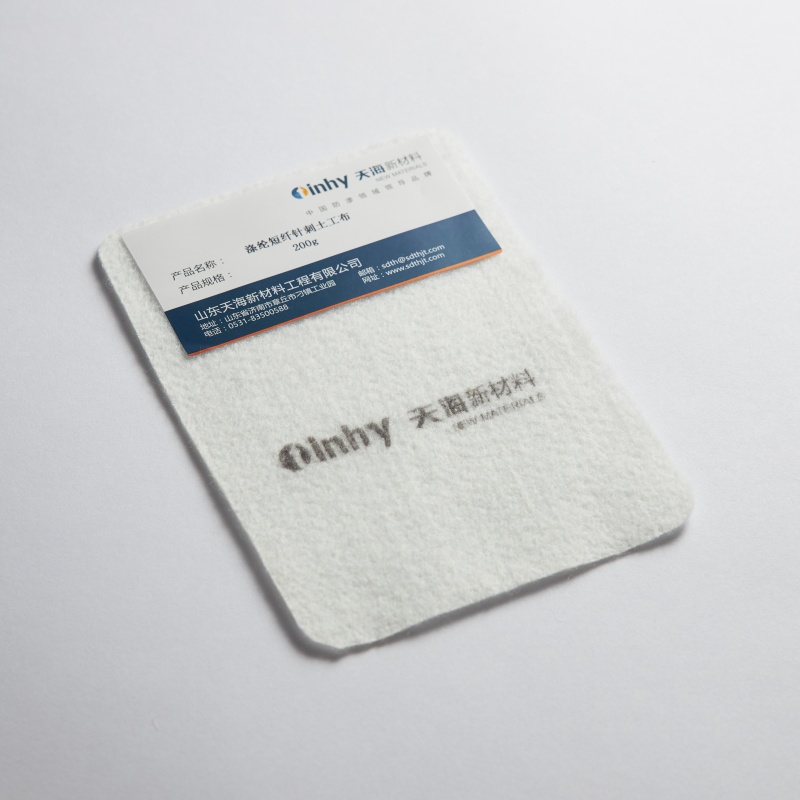
For large projects, it is useful to request samples before placing an order. Samples can help confirm thickness, surface finish, flexibility, and overall material quality.

Conclusion

A 1.5 mm HDPE liner is a versatile and dependable geomembrane option for projects that require strong waterproofing, chemical resistance, UV stability, and long-term environmental protection. Its balance of durability and cost makes it suitable for landfills, mining sites, fish ponds, agricultural reservoirs, wastewater systems, and industrial containment areas.

The success of a geomembrane system depends on more than thickness alone. Proper material selection, surface type, subgrade preparation, protective geotextiles, skilled welding, and thorough quality control all contribute to reliable performance. By selecting a quality 1.5 mm HDPE liner and matching it carefully to site conditions, project owners can reduce leakage risks and build a containment system designed to last.

Knowledge Base
Share:
info@tinhygeosynthetics.com Bai Jinxi
Consultation

    Get The Latest Product Prices

    Your inquiries are welcomed at any time and please feel free to contact us via email, phone calls, and online chatbox on our site.

    We will definitely give you a reply ASAP after we receive your messages.

      0/180