Resources
Company News
Industry News
Knowledge Base
Project Cases
Innovation
Tinhy and University of Jinan Celebrate Six Years of Industry–University Collaboration
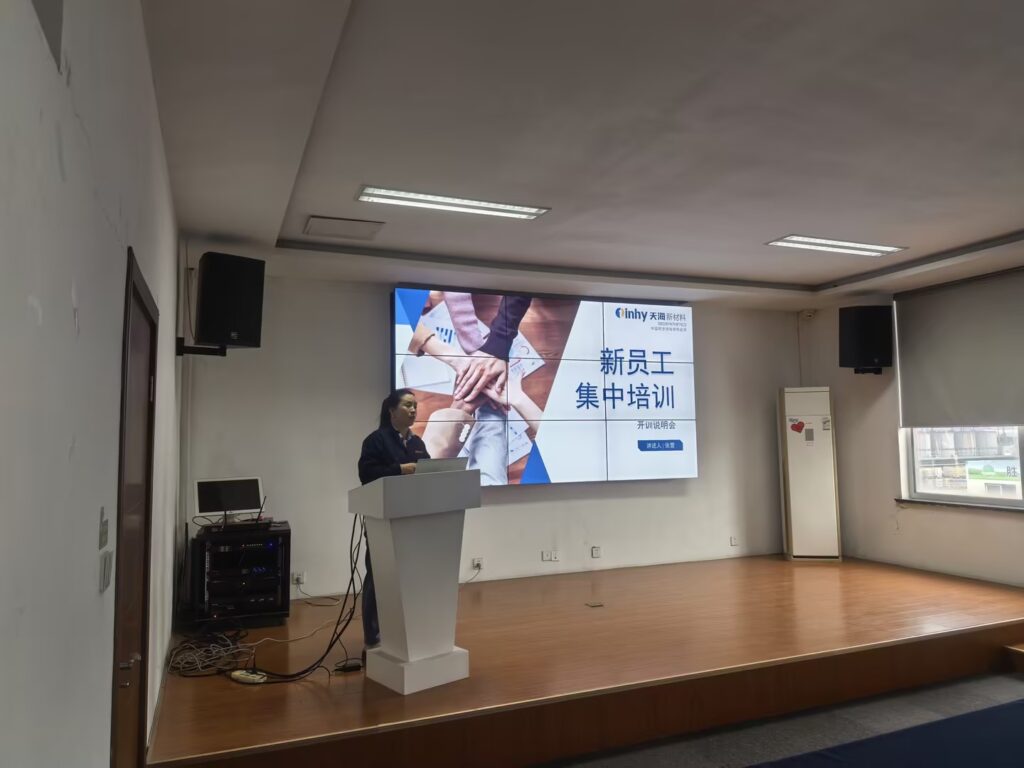
Empowering New Talent, Building the Future: Tinhy Successfully Conducts New Employee Orientation Training
Tinhy Conducts Comprehensive Emergency Drill to Strengthen Workplace Safety Defenses
Company Mid – Year Summary and Team – Building Activity Report
Is geomembrane a geotechnical engineering material?
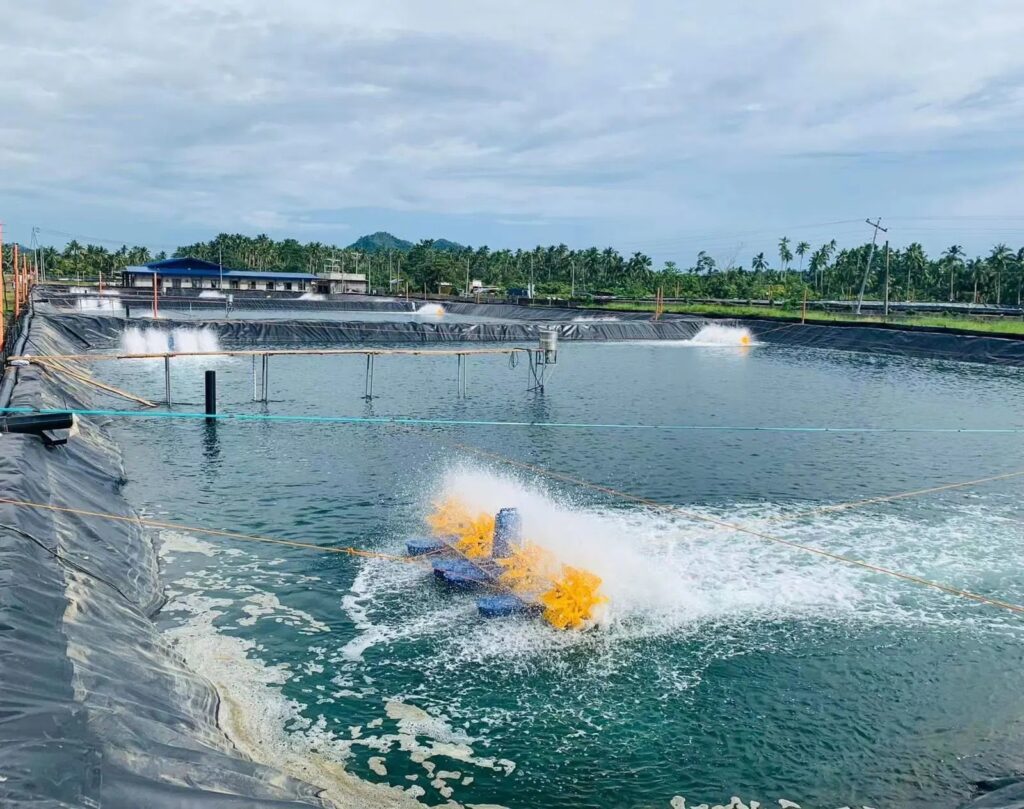
What are the application scenarios of geomembrane?
What are the functions of geotextiles?
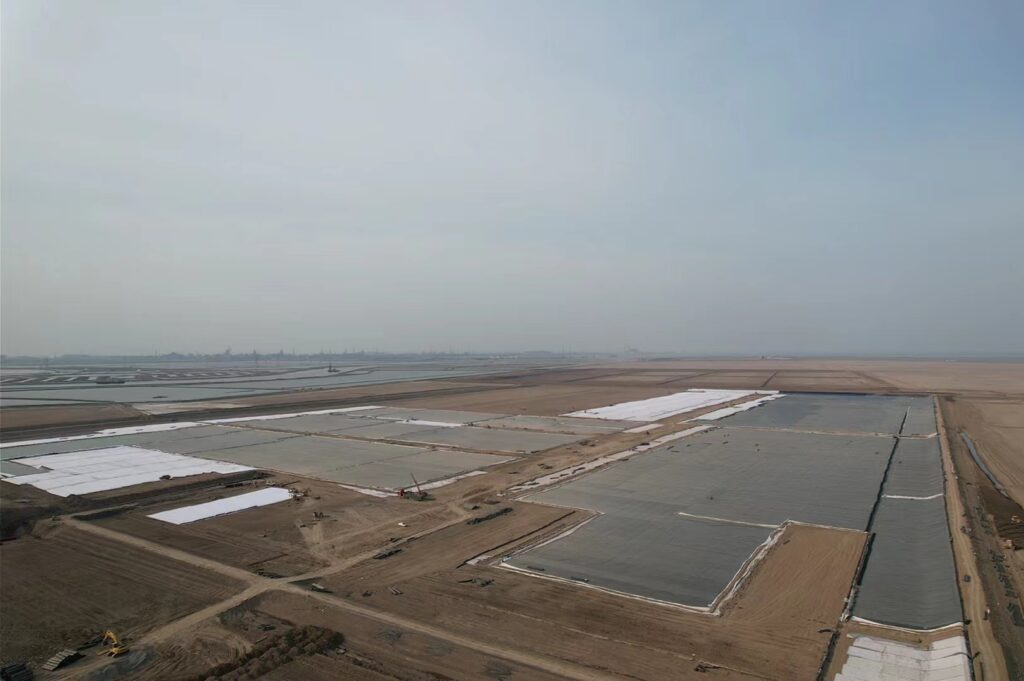
Cómo elegir geomembrana de hdpe en proyectos de ingeniería
How to choose hdpe geomembrane in engineering projects
¿Qué ancho elegir para geomembrana?
China’s Geotechnical Construction Materials Embrace New Opportunities
Tips for Moisture-Proof Storage of Geotextiles
Key Construction Points and Precautions for High-Density Polyethylene Geomembrane
what is pond lining material ?
What is geomembrane?
HDPE geomembrane construction plans and technical measures
What quality tests do HDPE geomembranes need to do?
Tinhy’s MDS® Drainage Solution
Installation Robots
HDPE Liner Suppliers: How to Choose the Right Partner for Your Project
40 Mil HDPE Liner: A Practical Guide to Applications, Benefits, and Selection
30 Mil HDPE Liner: A Practical Guide for Containment, Pond, and Industrial Applications
Geofabric Suppliers: 9 Essential Factors to Choose the Right Partner for Your Project
Geotextile 150 GSM: Applications, Benefits, and How to Choose the Right Geotextile Fabric
Best Geomembrane for Mining: A Complete Guide to Choosing the Right Liner for Mining Projects
HDPE Geomembrane Sheet: The Complete Guide to Waterproofing, Containment, and Environmental Protection
What Is a Geosynthetic Clay Liner? Benefits, Applications, and Why Engineers Choose Film-Coated GCLs
What Is Nonwoven Fabric Geotextile? The Ultimate Guide to Filtration, Drainage, and Infrastructure Protection
HDPE Textured Liner: Why It Is the Best Choice for Slope Stability and Environmental Containment
Should HDPE or PVC be used to install geomembrane in reservoirs?
What is the price of geomembrane?
Material characteristics of three different geomembranes
Esquema de construcción de geomembrana de HDPE y medidas técnicas
hdpe geomembrane pond liner in Congo (DRC)
How to lay and weld HDPE geomembrane?
HDPE geomembrane 0.2-4.0mm
HOME ABOUT PRODUCTS APPLICATION CONTENTUS RESOURCES
Home Resources Knowledge Base HDPE Liner Suppliers: How to Choose the Right Partner for Your Project

HDPE Liner Suppliers: How to Choose the Right Partner for Your Project

time:June 22, 2026 Views:5

Choosing the right HDPE liner suppliers is an important step for projects involving water containment, landfill protection, mining, aquaculture, wastewater treatment, agriculture, and industrial chemical storage. HDPE liners are designed to prevent seepage, protect soil and groundwater, and create long-lasting containment barriers in demanding environments.

However, HDPE liners are not all manufactured to the same standard. Differences in raw materials, thickness control, UV resistance, welding performance, and technical support can significantly affect the service life of a geomembrane system. For this reason, buyers should look beyond the initial quotation and evaluate suppliers based on product quality, project experience, and long-term reliability.

This guide explains what HDPE liners are, where they are used, and how to select dependable HDPE liner suppliers for your project.

What Is an HDPE Liner?

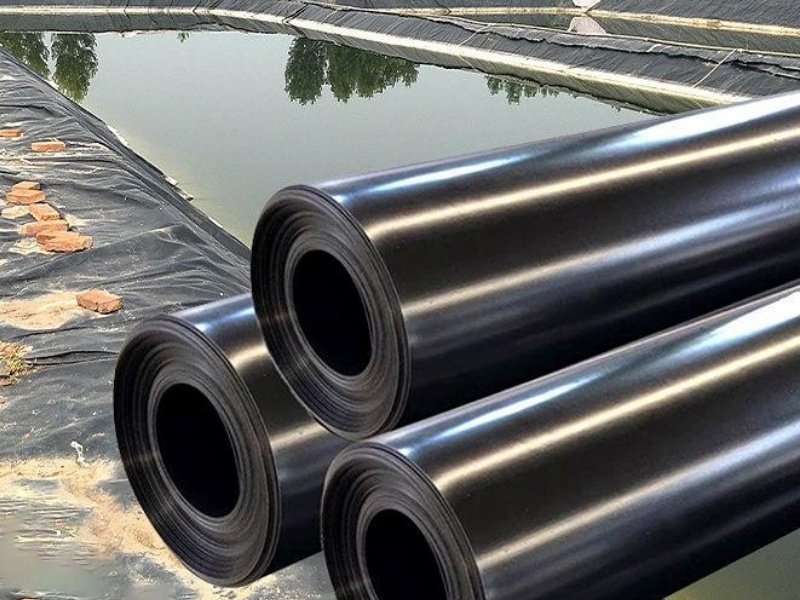
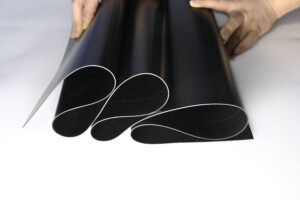
An HDPE liner is a type of geomembrane made from high-density polyethylene. It is an impermeable plastic sheet that acts as a barrier between liquids, gases, soil, and surrounding structures.

HDPE geomembranes are widely chosen because they offer excellent chemical resistance, low permeability, strong tensile performance, and good resistance to UV exposure. They are available in different thicknesses, surface finishes, roll sizes, and colors depending on the project requirements.

Common HDPE liner thicknesses include:

  • 0.5 mm HDPE liner
  • 0.75 mm HDPE liner
  • 1.0 mm HDPE liner
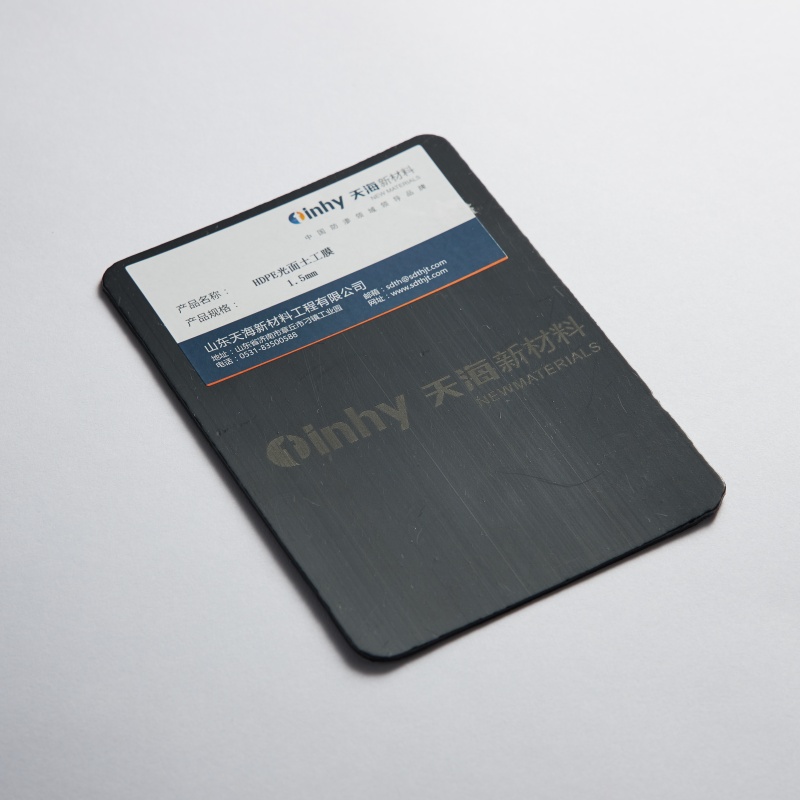
  • 1.5 mm HDPE liner
  • 2.0 mm HDPE liner
  • 2.5 mm HDPE liner
  • 3.0 mm HDPE liner

Thin liners are often used for ponds, irrigation reservoirs, and agricultural applications. Thicker geomembranes are generally used for landfill lining, mining projects, wastewater lagoons, chemical containment, and other high-risk applications.

Main Applications of HDPE Geomembranes

Reliable HDPE liner suppliers should understand that every project has different performance requirements. The correct liner thickness, texture, and installation method depend on the intended use.

Landfill and Waste Containment

HDPE liners are commonly used at the base and sides of landfills to prevent leachate from contaminating soil and groundwater. These applications require durable geomembranes with strong puncture resistance, chemical resistance, and seam performance.

Landfill liner projects often use 1.5 mm, 2.0 mm, or thicker HDPE geomembranes. The liner must be professionally welded and tested to ensure that the containment system remains secure over time.

Mining and Heap Leach Pads

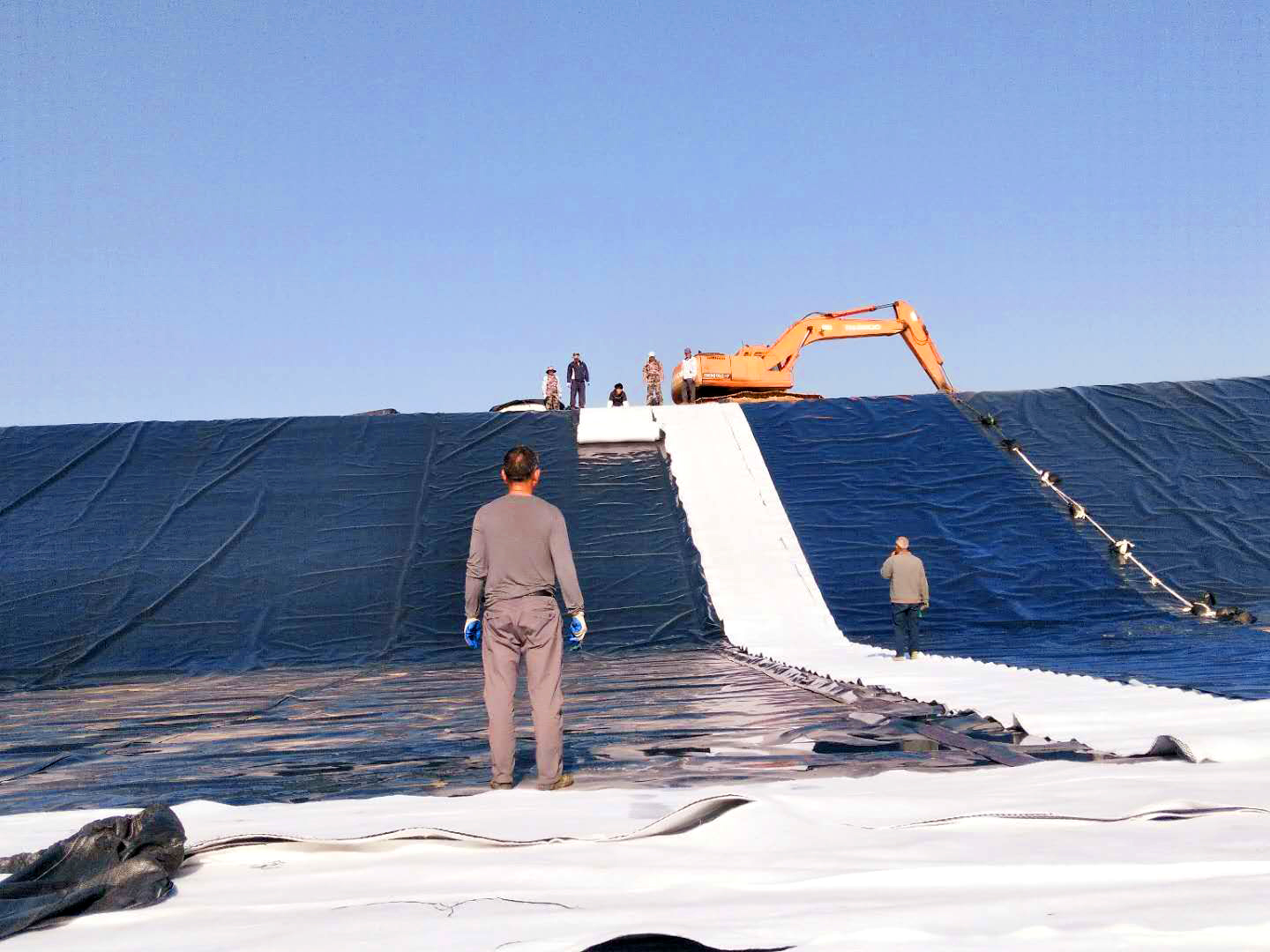
Mining sites use HDPE geomembranes for heap leach pads, tailings ponds, solution ponds, and process-water containment. These environments may involve acidic or alkaline liquids, abrasive materials, steep slopes, and long-term exposure to sunlight.

For mining projects, textured HDPE liners are often preferred because they provide higher friction between the liner and adjacent materials. A qualified HDPE liner manufacturer should be able to recommend suitable products based on slope angle, soil conditions, and chemical exposure.

Fish Ponds and Aquaculture

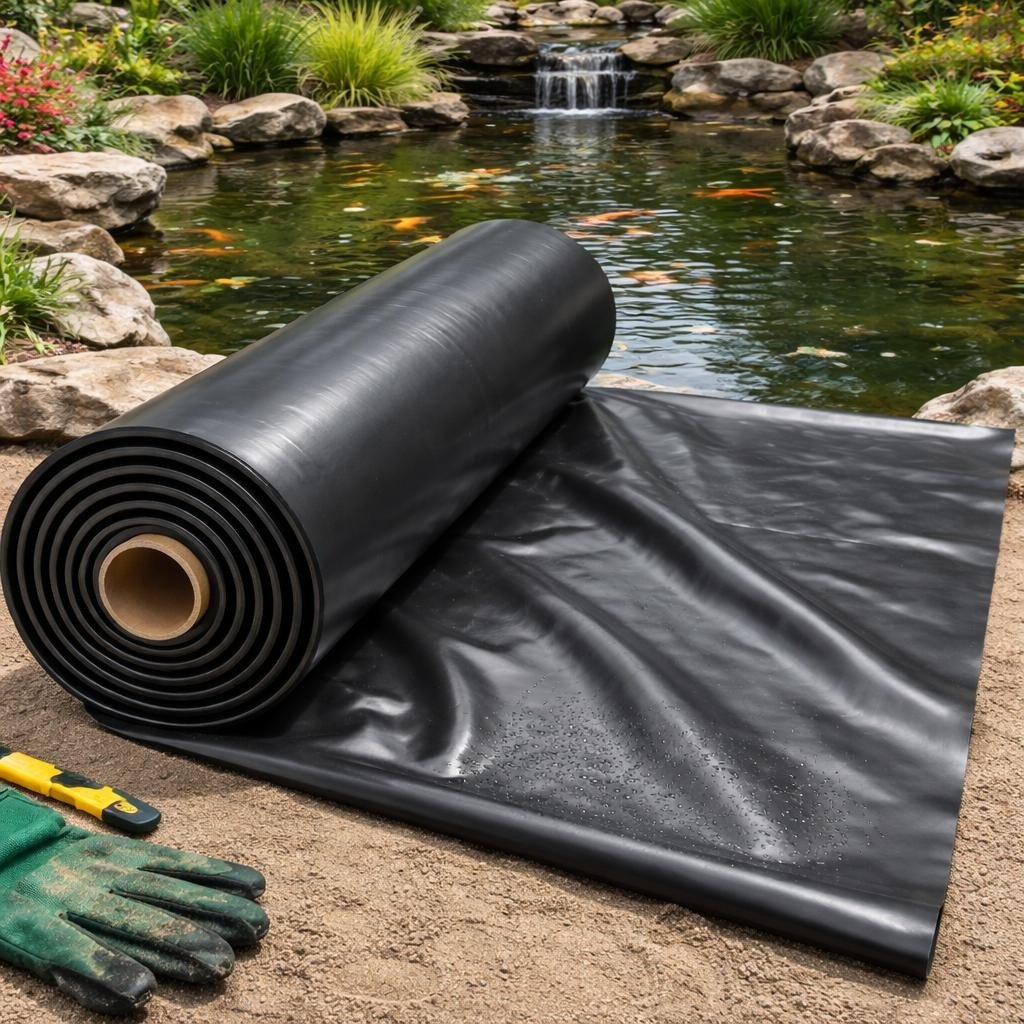
HDPE pond liners are widely used in fish farms, shrimp farms, and aquaculture facilities. They help prevent water loss, improve water management, reduce soil contamination, and make pond cleaning easier.

For aquaculture projects, buyers usually need a liner that is non-toxic, UV-resistant, puncture-resistant, and easy to install. The correct thickness depends on pond depth, bottom conditions, expected service life, and whether equipment will enter the pond.

Water Reservoirs and Irrigation Ponds

Agricultural irrigation ponds and water reservoirs can lose large amounts of water through soil seepage. Installing an HDPE liner helps retain water, improve irrigation efficiency, and reduce long-term water costs.

HDPE liners are also used for rainwater harvesting systems, firewater reservoirs, canal lining, and farm water storage. Since these applications are frequently exposed to outdoor conditions, UV resistance is a key selection factor.

Wastewater and Chemical Containment

Factories, wastewater treatment plants, chemical storage facilities, and industrial parks often use HDPE liners for wastewater ponds, evaporation ponds, sludge ponds, and emergency containment areas.

In these cases, it is essential to tell the supplier what liquid or chemical will be stored. Good HDPE liner suppliers should assess chemical compatibility before recommending a liner type and thickness.

What to Look for in HDPE Liner Suppliers

Selecting a supplier should involve more than comparing price per square meter. The following factors can help identify a dependable HDPE geomembrane supplier.

1. Virgin Raw Material

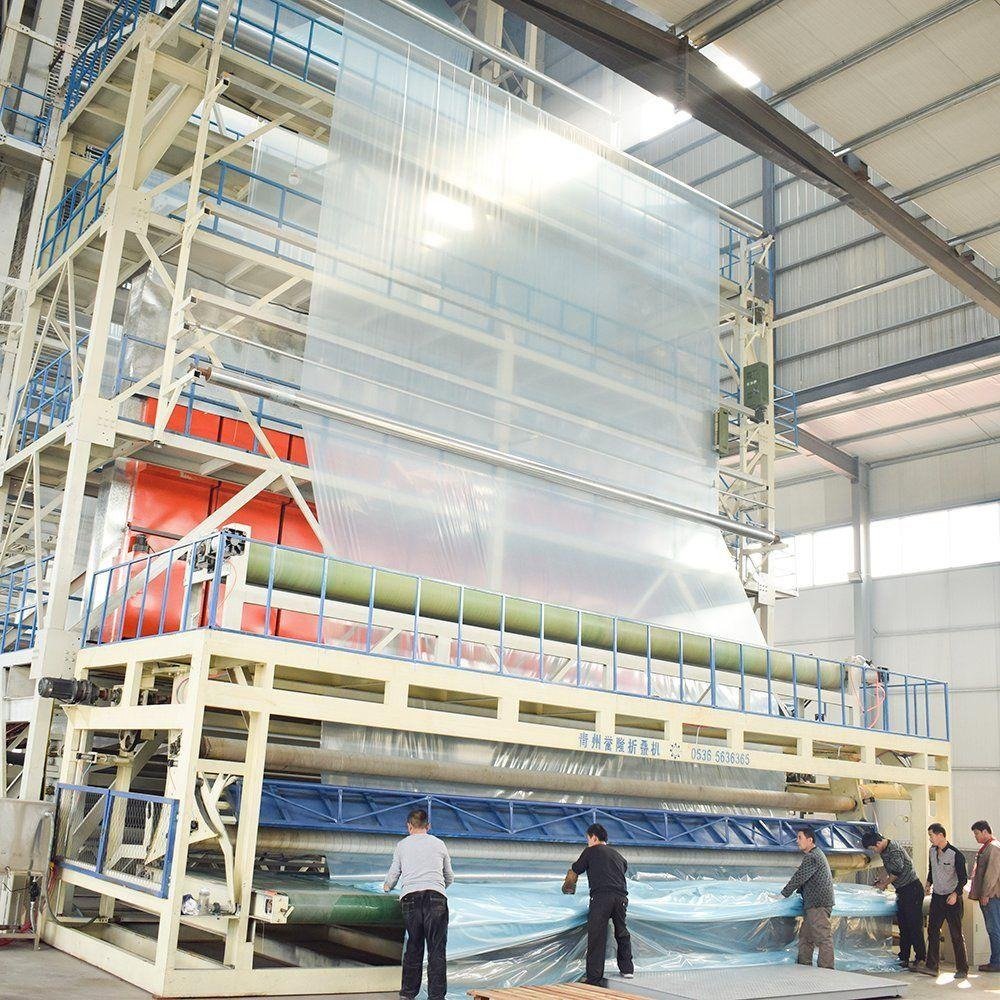
High-quality HDPE liners are typically produced from virgin polyethylene resin. Virgin material offers better consistency, strength, chemical resistance, and durability than heavily recycled material.

Ask potential suppliers whether they use virgin HDPE resin and whether their products contain carbon black. Carbon black improves resistance to UV degradation, making the liner more suitable for long-term outdoor exposure.

For demanding applications such as landfills, mining, and chemical containment, material quality should never be compromised simply to reduce the purchase price.

2. Consistent Thickness and Physical Properties

Thickness is one of the most important indicators of liner performance. However, the liner should also maintain consistent thickness across the whole roll.

Uneven material may create weak areas that are more vulnerable to puncture, tearing, stress cracking, or welding defects. Reputable HDPE liner suppliers should have internal quality-control procedures to test thickness, density, tensile strength, elongation, tear resistance, puncture resistance, and carbon black distribution.

Before ordering, request a technical data sheet and product test report. This allows you to compare different suppliers using real specifications rather than marketing claims.

3. Smooth and Textured Liner Options

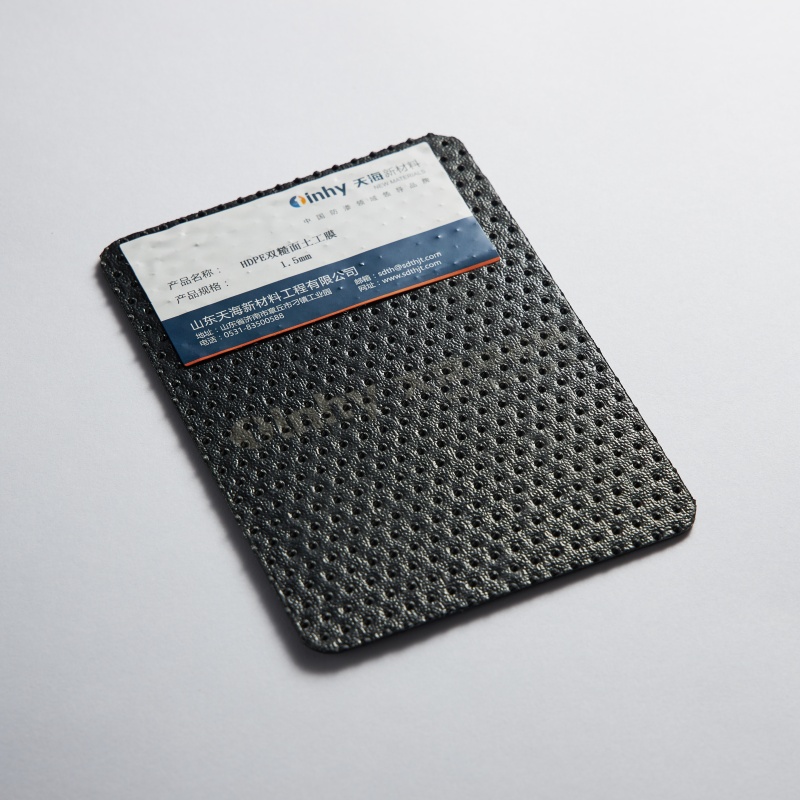
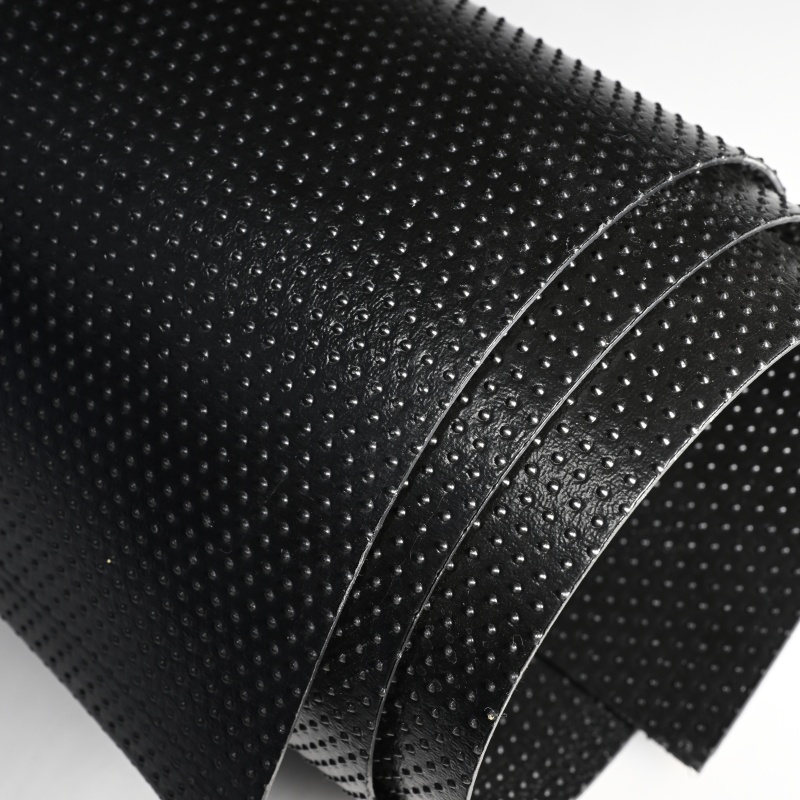
Smooth HDPE geomembranes are commonly used for flat pond bottoms, reservoir floors, and general containment areas. Textured liners are designed to provide greater interface friction and are often used on slopes.

Ask whether the supplier can provide:

  • Smooth HDPE geomembrane
  • Single-sided textured HDPE liner
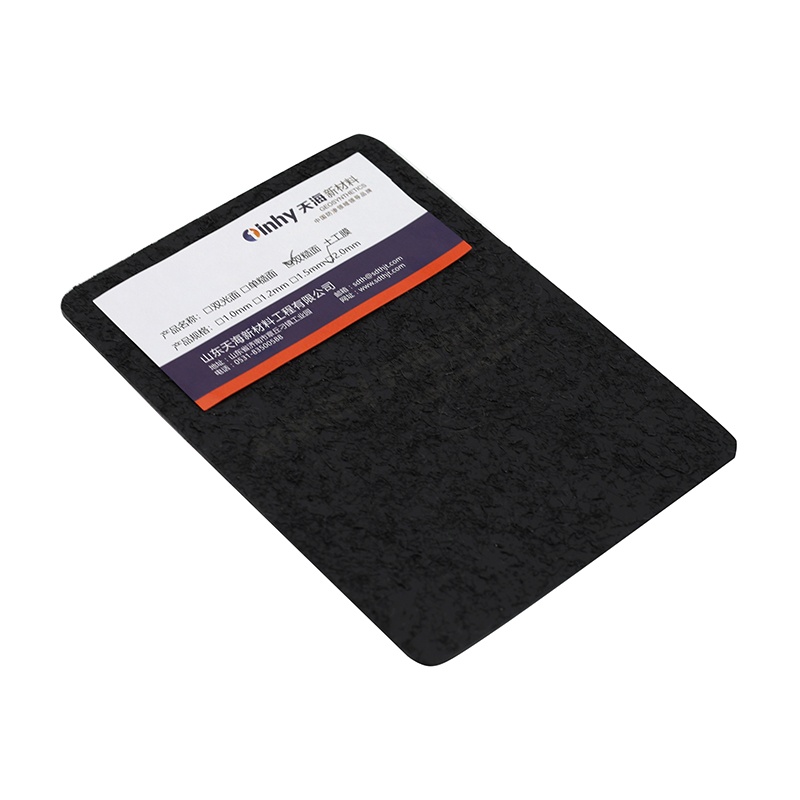
  • Double-sided textured HDPE liner
  • Custom thicknesses
  • Custom roll widths and lengths
  • Geotextile and geomembrane combinations

A supplier with a broader product range is more likely to provide a liner suited to your actual project rather than offering a generic product.

4. Welding and Installation Support

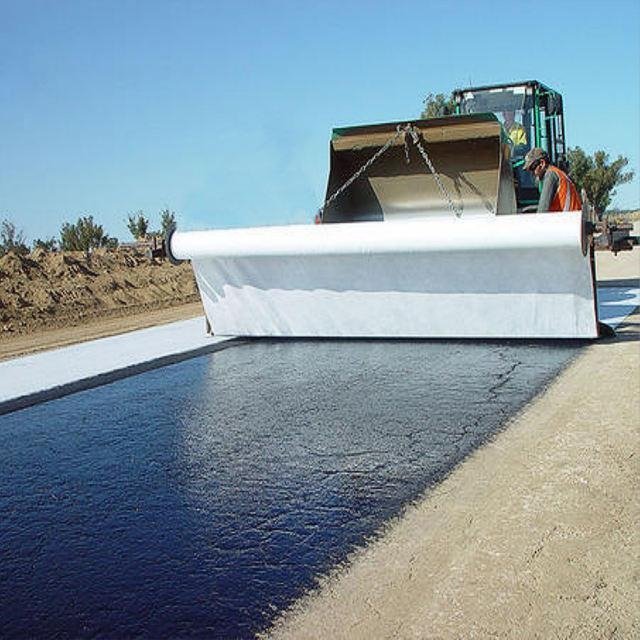
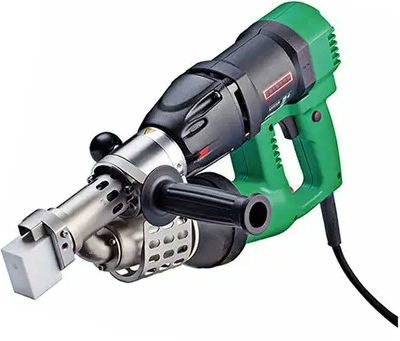
Even the best liner material can fail if installation and welding are poor. HDPE liners are usually joined using hot wedge welding or extrusion welding. The quality of these seams is critical because seams are often the most sensitive parts of a geomembrane containment system.

Experienced HDPE liner suppliers may provide installation manuals, welding equipment recommendations, remote technical support, or onsite installation services. For large engineering projects, ask whether they can support seam testing methods such as air-pressure testing, vacuum box testing, spark testing, or destructive peel-and-shear testing.

5. Certifications and Testing Standards

For infrastructure and environmental projects, it is important to verify that the product meets applicable technical standards. Depending on the project location and requirements, buyers may request products tested according to ASTM methods, ISO quality systems, GRI-GM13 standards, or local environmental regulations.

A professional supplier should be able to provide clear product documentation and explain how its HDPE geomembrane is tested. Transparency is a strong sign that the supplier understands quality management.

6. Production Capacity and Delivery Time

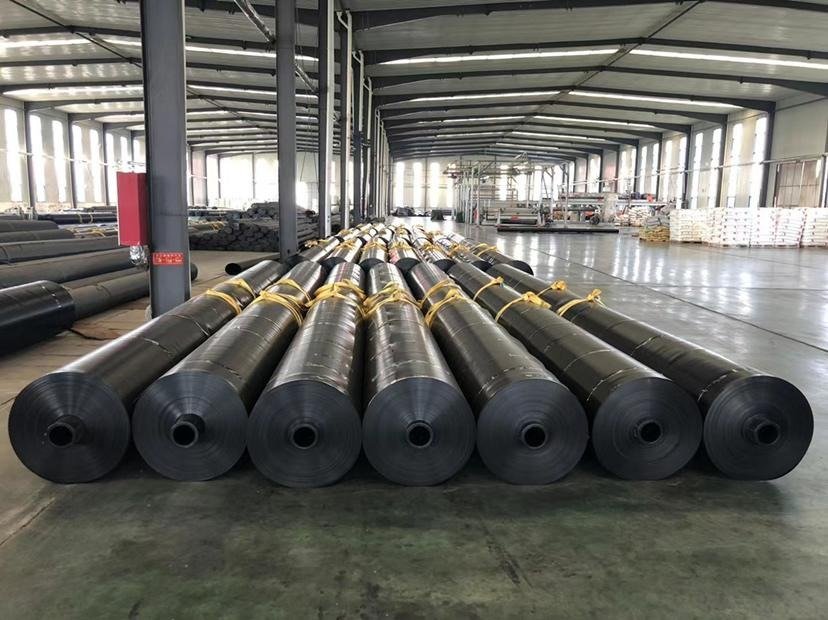
Large projects can require thousands of square meters of HDPE liner. Before confirming an order, ask about the supplier’s production capacity, available stock, roll dimensions, estimated lead time, packaging method, and export delivery arrangements.

Reliable suppliers should provide realistic delivery schedules. They should also package liner rolls carefully to protect them from damage during loading, transportation, and unloading.

For international buyers, export experience is particularly valuable. Experienced HDPE liner suppliers can prepare the necessary commercial documents, packing lists, product test reports, certificates of origin, and shipping paperwork.

How to Compare HDPE Liner Quotations

When comparing quotations, make sure the products are genuinely equivalent. A lower-priced offer may use thinner material, recycled resin, weaker UV protection, or inconsistent manufacturing quality.

Compare the following points before making a decision:

Comparison Item What to Check
Material Virgin HDPE resin or recycled content
Thickness Nominal and minimum thickness
Surface Smooth, single-textured, or double-textured
UV Resistance Carbon black content and outdoor durability
Testing Technical data sheets and quality reports
Roll Size Width, length, weight, and transport convenience
Installation Welding guidance and technical support
Delivery Production time, shipping options, and export documents

The cheapest HDPE liner is not always the most economical choice. A higher-quality liner may reduce leakage risk, maintenance cost, installation problems, and future replacement expenses.

Questions to Ask an HDPE Liner Manufacturer

Before placing a bulk order, ask your supplier these questions:

  1. What HDPE liner thickness do you recommend for my project?
  2. Is smooth or textured geomembrane more suitable?
  3. Is the liner made from virgin HDPE resin?
  4. Can you provide a technical data sheet and test report?
  5. Does the material have UV resistance for outdoor use?
  6. Is it suitable for the liquids or chemicals being contained?
  7. What welding method is recommended?
  8. Can you provide installation support?
  9. What is the production lead time?
  10. Can you send a sample before mass production?

Conclusion

The right HDPE liner suppliers do more than provide plastic geomembrane rolls. They provide technical guidance, consistent production quality, reliable delivery, and support for successful installation.

Whether you need an HDPE pond liner, landfill geomembrane, mining liner, irrigation reservoir liner, or wastewater containment liner, focus on long-term value rather than price alone. By selecting a supplier with proven raw materials, stable quality control, suitable certifications, and responsive service, you can build a containment system that protects your investment and the surrounding environment.

Knowledge Base
Share:
info@tinhygeosynthetics.com Bai Jinxi
Consultation

    Get The Latest Product Prices

    Your inquiries are welcomed at any time and please feel free to contact us via email, phone calls, and online chatbox on our site.

    We will definitely give you a reply ASAP after we receive your messages.

      0/180