Resources
Company News
Industry News
Knowledge Base
Project Cases
Innovation
Tinhy and University of Jinan Celebrate Six Years of Industry–University Collaboration
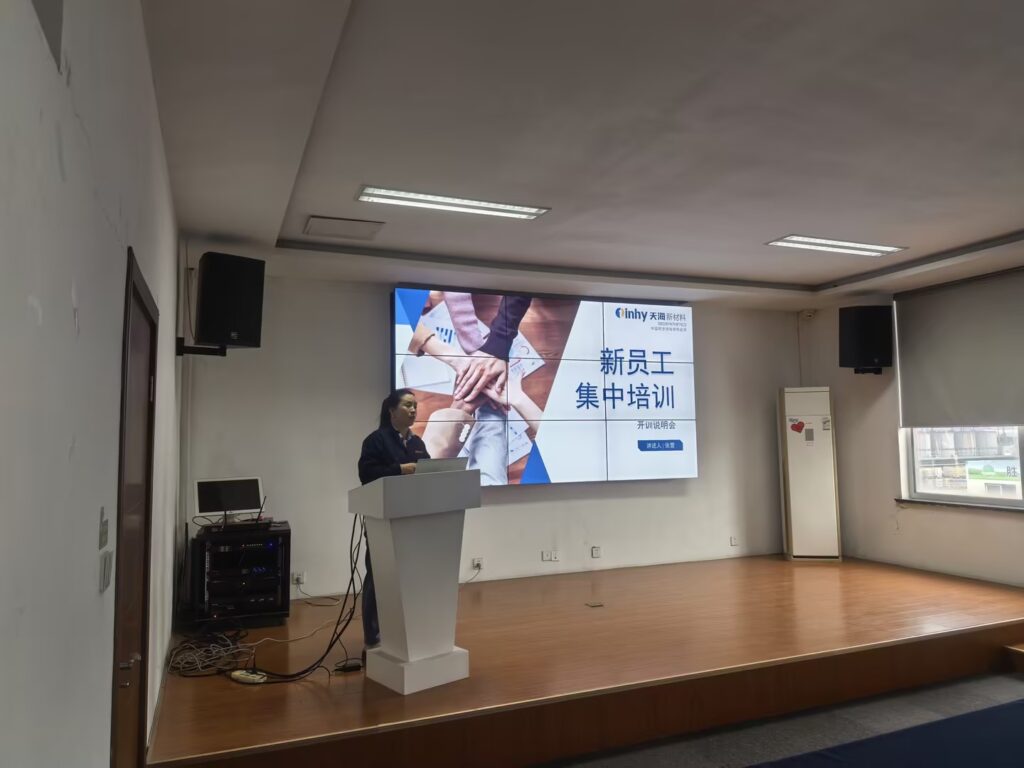
Empowering New Talent, Building the Future: Tinhy Successfully Conducts New Employee Orientation Training
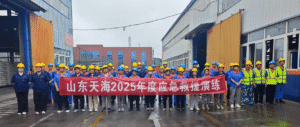
Tinhy Conducts Comprehensive Emergency Drill to Strengthen Workplace Safety Defenses
Company Mid – Year Summary and Team – Building Activity Report
Is geomembrane a geotechnical engineering material?
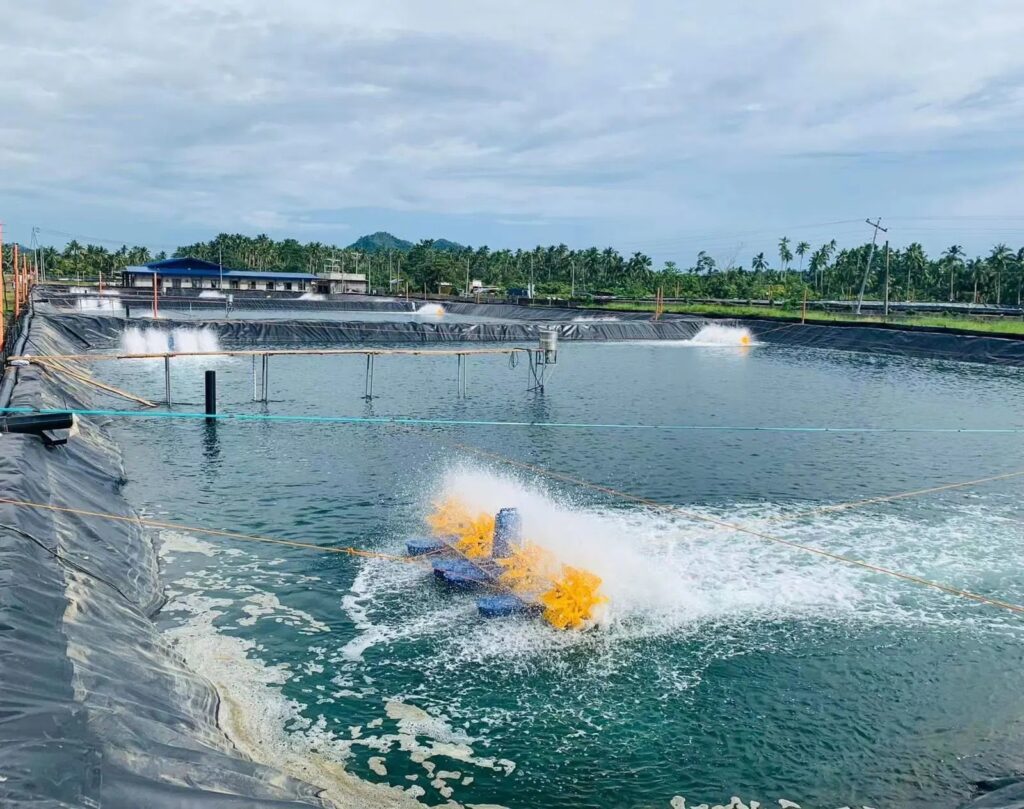
What are the application scenarios of geomembrane?
What are the functions of geotextiles?
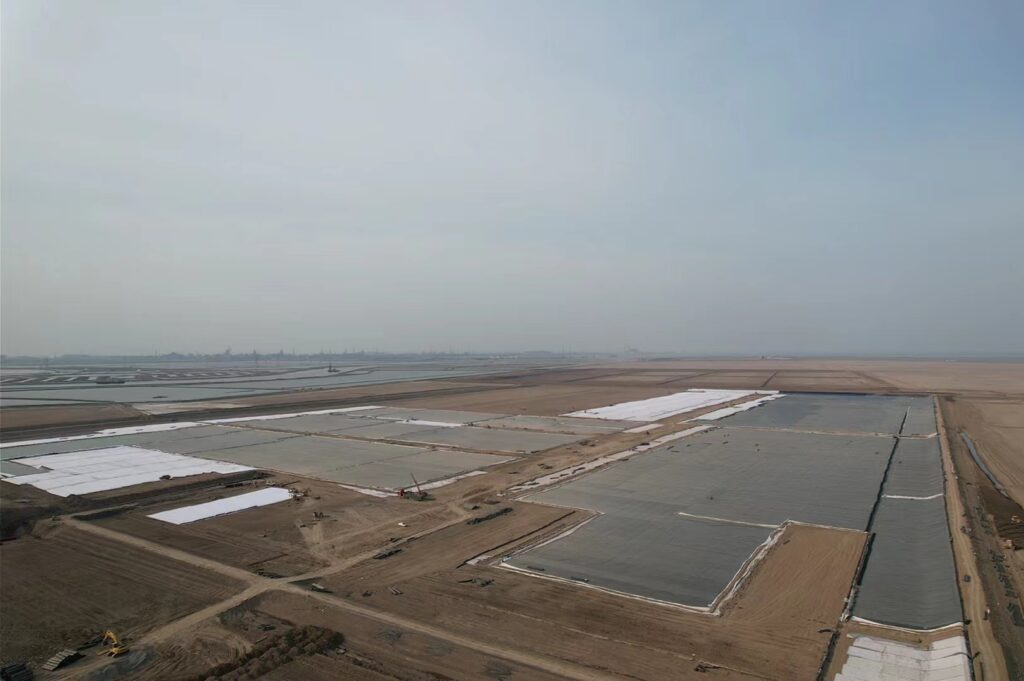
Cómo elegir geomembrana de hdpe en proyectos de ingeniería
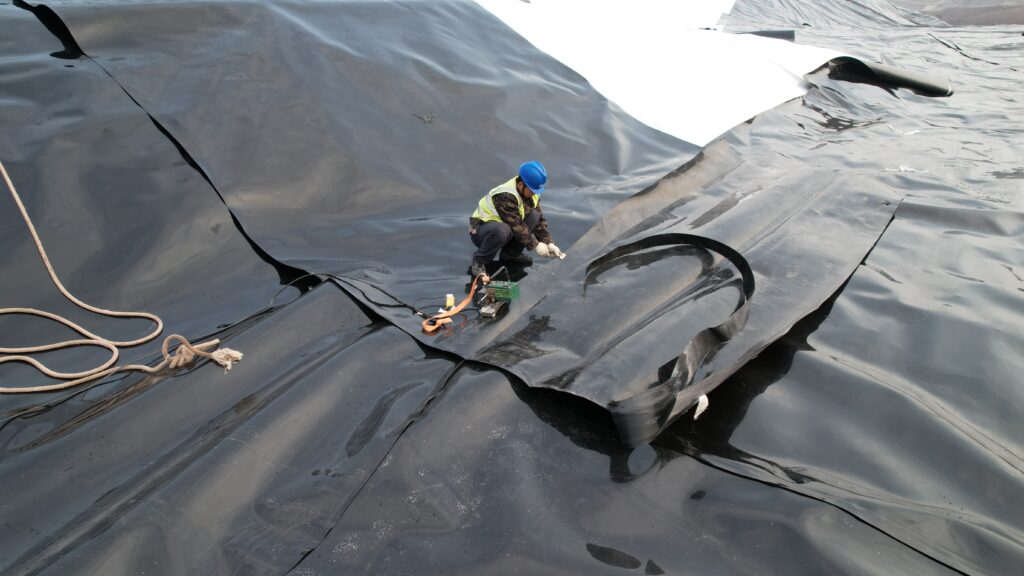
How to choose hdpe geomembrane in engineering projects
¿Qué ancho elegir para geomembrana?
China’s Geotechnical Construction Materials Embrace New Opportunities
Tips for Moisture-Proof Storage of Geotextiles
Key Construction Points and Precautions for High-Density Polyethylene Geomembrane
what is pond lining material ?
What is geomembrane?
HDPE geomembrane construction plans and technical measures
What quality tests do HDPE geomembranes need to do?
Tinhy’s MDS® Drainage Solution
Installation Robots
40 Mil HDPE Liner: A Practical Guide to Applications, Benefits, and Selection
30 Mil HDPE Liner: A Practical Guide for Containment, Pond, and Industrial Applications
Geofabric Suppliers: 9 Essential Factors to Choose the Right Partner for Your Project
Geotextile 150 GSM: Applications, Benefits, and How to Choose the Right Geotextile Fabric
Best Geomembrane for Mining: A Complete Guide to Choosing the Right Liner for Mining Projects
HDPE Geomembrane Sheet: The Complete Guide to Waterproofing, Containment, and Environmental Protection
What Is a Geosynthetic Clay Liner? Benefits, Applications, and Why Engineers Choose Film-Coated GCLs
What Is Nonwoven Fabric Geotextile? The Ultimate Guide to Filtration, Drainage, and Infrastructure Protection
HDPE Textured Liner: Why It Is the Best Choice for Slope Stability and Environmental Containment
HDPE Smooth Liner: 10 Powerful Reasons It Remains the Best Choice for Modern Containment Projects
Should HDPE or PVC be used to install geomembrane in reservoirs?
What is the price of geomembrane?
Material characteristics of three different geomembranes
Esquema de construcción de geomembrana de HDPE y medidas técnicas
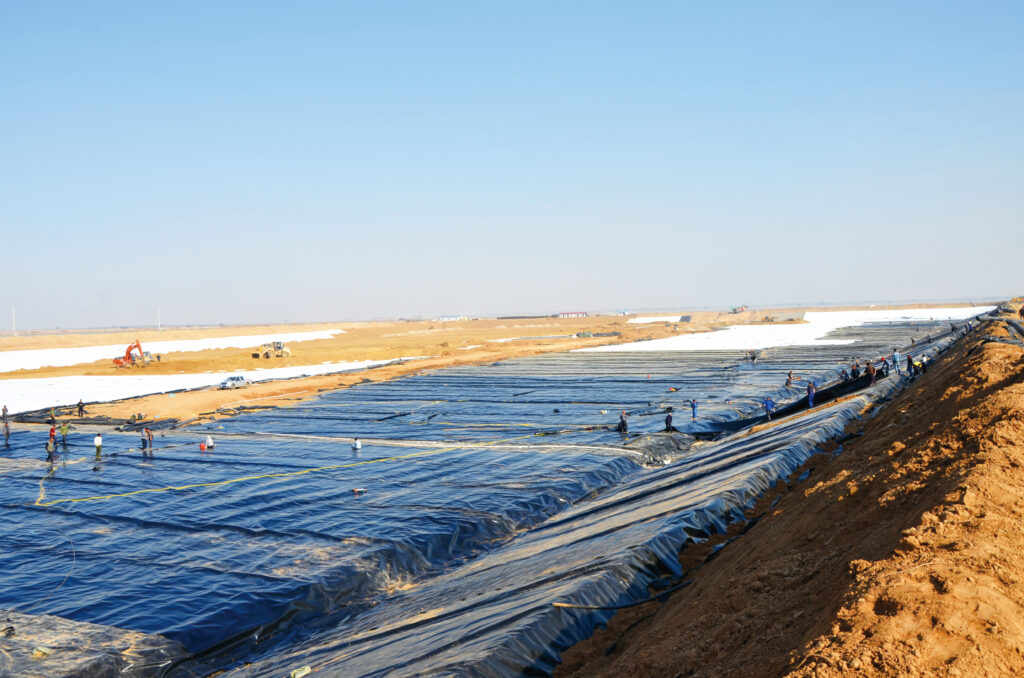
hdpe geomembrane pond liner in Congo (DRC)
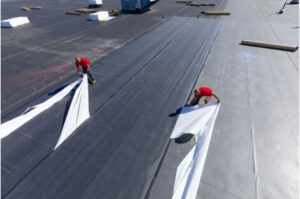
How to lay and weld HDPE geomembrane?
HDPE geomembrane 0.2-4.0mm
HOME ABOUT PRODUCTS APPLICATION CONTENTUS RESOURCES
Home Resources Knowledge Base 40 Mil HDPE Liner: A Practical Guide to Applications, Benefits, and Selection

40 Mil HDPE Liner: A Practical Guide to Applications, Benefits, and Selection

time:June 18, 2026 Views:10

When it comes to reliable containment solutions, the 40 mil HDPE liner is one of the most widely used geomembrane products across agriculture, aquaculture, mining, waste management, water storage, and industrial containment projects. It offers a strong balance between durability, flexibility, chemical resistance, and cost-effectiveness, making it a preferred choice for projects that require dependable protection against seepage, leakage, and environmental contamination.

Whether you are building a pond, lining a reservoir, protecting a landfill cell, or constructing an industrial wastewater containment system, choosing the right liner thickness is critical. A 40 mil HDPE liner, which is approximately 0.040 inches or about 1.0 mm thick, is commonly selected for medium-duty to heavy-duty lining applications where long service life and strong puncture resistance are required.

This blog explains what a 40 mil HDPE liner is, where it is used, why it is popular, and how to select the right liner for your project.

What Is a 40 Mil HDPE Liner?

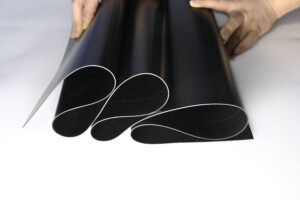
A 40 mil HDPE liner is a geomembrane made from high-density polyethylene, commonly known as HDPE. The term “40 mil” refers to the liner thickness. One mil equals one-thousandth of an inch, so 40 mil means the liner is 0.040 inches thick.

HDPE is a thermoplastic material known for its excellent chemical resistance, high tensile strength, UV resistance, and long-term durability. These properties make HDPE liners suitable for outdoor and underground applications where the material must withstand harsh environmental conditions.

Compared with thinner liners, such as 20 mil or 30 mil options, a 40 mil HDPE liner provides better puncture resistance and improved mechanical strength. At the same time, it is still more flexible and easier to install than thicker liners such as 60 mil or 80 mil. This makes the 40 mil thickness a practical middle-ground option for many projects.

Why Choose a 40 Mil HDPE Liner?

The main reason project owners choose a 40 mil HDPE liner is its balance of performance and affordability. It is thick enough to provide dependable containment, yet it is not as heavy or costly as thicker geomembranes.

One of the biggest advantages of HDPE is its low permeability. This means liquids cannot easily pass through the liner. In applications such as wastewater ponds, irrigation reservoirs, fish ponds, and landfill containment systems, low permeability is essential for preventing water loss and protecting soil and groundwater.

A 40 mil HDPE liner also offers strong resistance to many chemicals, including acids, alkalis, salts, hydrocarbons, and various industrial liquids. This makes it suitable for industrial wastewater treatment facilities, chemical storage ponds, mining leach pads, and other containment systems where chemical exposure may occur.

Another important benefit is UV resistance. Many liners are installed outdoors and exposed to sunlight for years. HDPE liners are formulated to resist degradation caused by ultraviolet radiation, helping them maintain strength and performance over time.

Common Applications of 40 Mil HDPE Liner

The 40 mil HDPE liner is used in a wide range of containment and environmental protection projects. Because of its strength and versatility, it can be applied in both small and large-scale installations.

1. Pond Liners

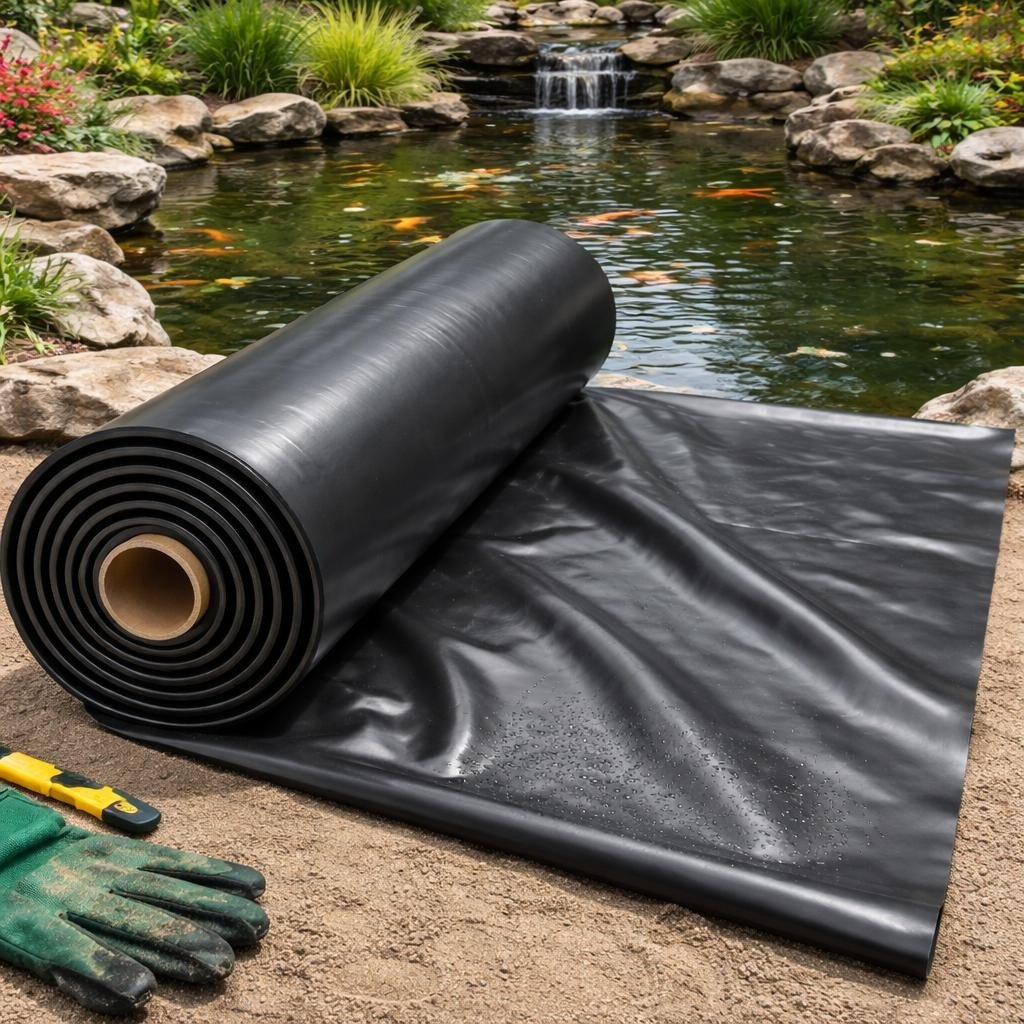
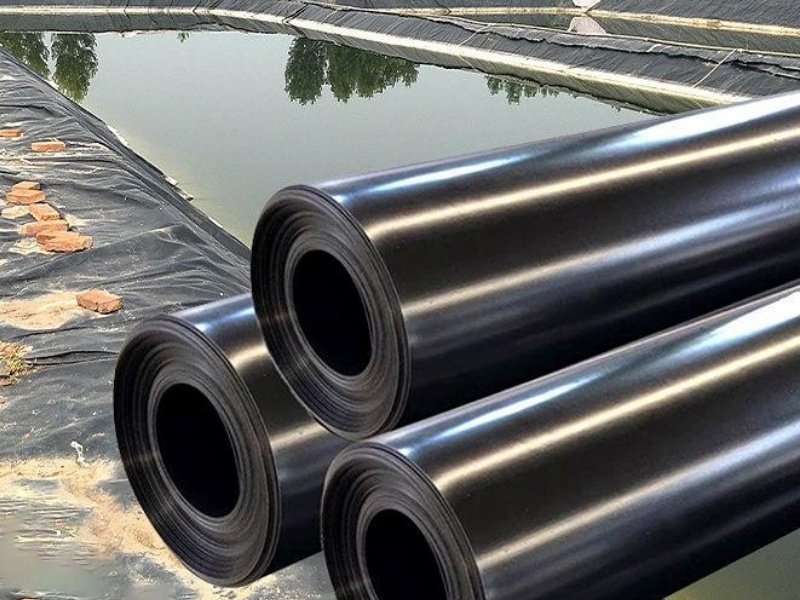
One of the most common uses of a 40 mil HDPE liner is pond lining. It can be used for farm ponds, fish ponds, decorative ponds, irrigation ponds, and stormwater retention ponds. By forming a waterproof barrier, the liner helps prevent seepage and water loss.

For agricultural and aquaculture projects, water retention is especially important. A properly installed HDPE liner can help maintain stable water levels, reduce maintenance costs, and protect surrounding soil from contamination.

2. Aquaculture and Fish Farming

In aquaculture, water quality is directly related to productivity and profitability. A 40 mil HDPE liner creates a clean and controlled environment for fish or shrimp farming. It prevents soil erosion, reduces turbidity, and limits the interaction between pond water and native soil.

HDPE is also relatively easy to clean, which is beneficial for maintaining hygiene in aquaculture systems. Its smooth surface helps reduce the buildup of organic matter and makes pond management more efficient.

3. Wastewater Treatment

Industrial and municipal wastewater treatment facilities often require reliable containment systems. A 40 mil HDPE liner can be used in wastewater lagoons, evaporation ponds, sludge ponds, and treatment basins.

Because wastewater may contain chemicals, organic pollutants, or other contaminants, the liner must resist chemical attack and prevent leakage. HDPE’s chemical resistance makes it a strong choice for these demanding environments.

4. Landfill and Waste Containment

Landfills and waste storage areas require liners to prevent leachate from entering soil and groundwater. While some landfill projects may require thicker liners depending on regulations and design requirements, a 40 mil HDPE liner can be suitable for certain waste containment, temporary containment, secondary containment, or non-hazardous waste applications.

In these projects, liner quality, welding performance, and installation procedures are just as important as material selection.

5. Mining Applications

Mining operations often use geomembranes for heap leach pads, tailings ponds, process water ponds, and evaporation ponds. A 40 mil HDPE liner can provide a protective barrier against process solutions and prevent seepage into the surrounding environment.

Mining sites are often exposed to rough terrain, heavy loads, and aggressive chemicals. For this reason, proper subgrade preparation, protective geotextile layers, and professional installation are highly recommended.

6. Secondary Containment

Secondary containment systems are designed to capture leaks or spills from tanks, drums, pipelines, or chemical storage areas. A 40 mil HDPE liner is commonly used as a barrier in containment berms and lined containment areas.

For industries that store fuel, chemicals, fertilizers, or wastewater, secondary containment helps reduce environmental risk and support compliance with safety and environmental standards.

40 Mil HDPE Liner vs. Other Thicknesses

Choosing the right liner thickness depends on project conditions, site preparation, expected loads, chemical exposure, and service life requirements.

A 20 mil liner may be more flexible and easier to handle, but it is less puncture-resistant and may not be suitable for demanding applications. A 30 mil liner offers moderate protection, but it may still be too thin for projects with rough soil, sharp stones, or heavy-duty use.

A 40 mil HDPE liner offers better protection and longer service life than thinner liners. It is often considered a practical option for projects that need reliable containment without moving to a heavier and more expensive 60 mil or 80 mil liner.

Thicker liners, such as 60 mil and 80 mil HDPE, provide greater puncture resistance and mechanical strength. However, they are also heavier, less flexible, and may require more specialized installation equipment. For many medium-duty applications, 40 mil is a cost-effective and reliable choice.

Smooth vs. Textured 40 Mil HDPE Liner

A 40 mil HDPE liner can be manufactured with a smooth or textured surface.

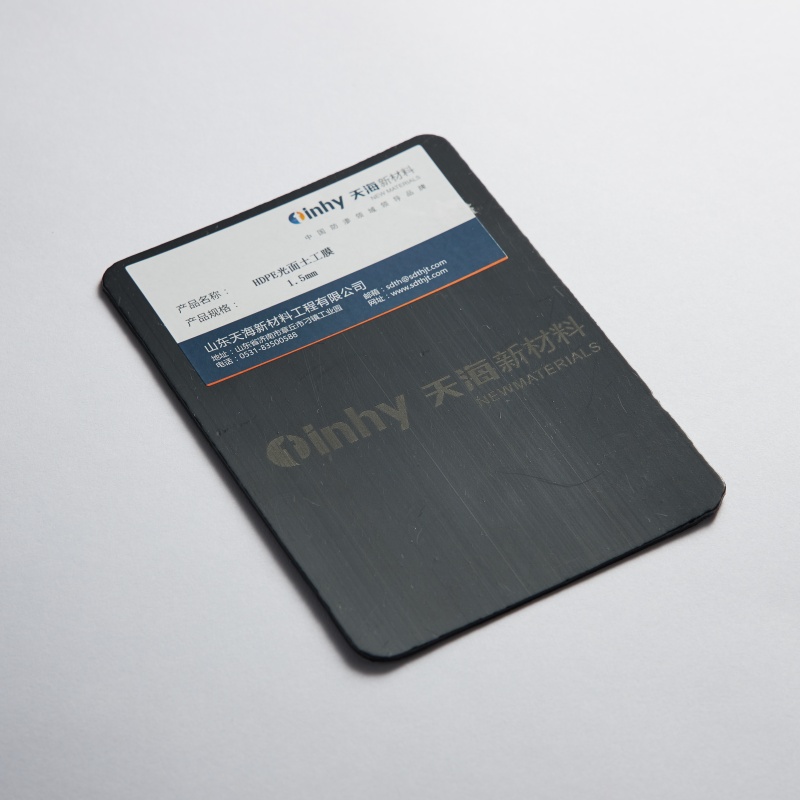
Smooth HDPE liner is commonly used in ponds, reservoirs, wastewater lagoons, and applications where ease of welding and cleaning is important. It has a flat surface and is generally easier to install on flat or gently sloped areas.

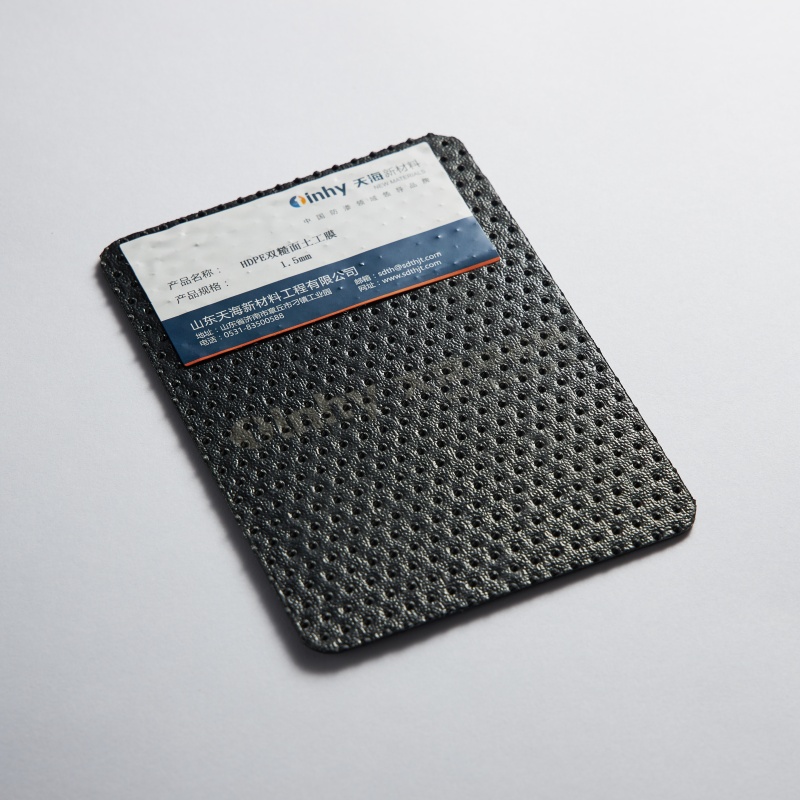
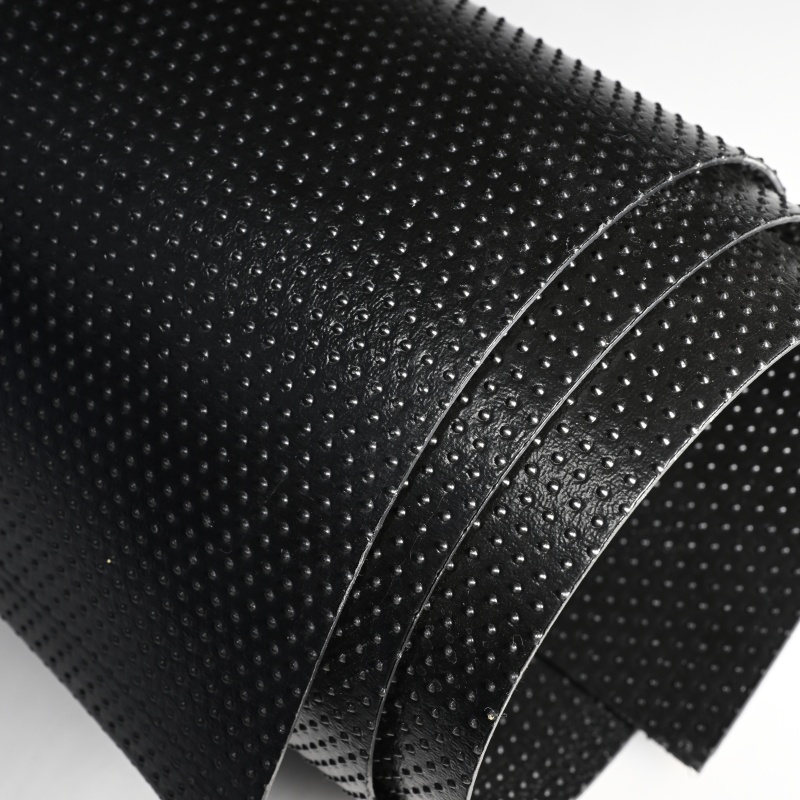
Textured HDPE liner has a rough surface that increases friction between the liner and surrounding materials. This is especially useful for slopes, landfill cells, mining pads, and applications where slope stability is a concern.

The choice between smooth and textured liner depends on project design. If the liner will be installed on steep slopes, textured HDPE may provide better stability. If the project involves a flat pond or water storage basin, smooth HDPE may be more suitable.

Installation Considerations

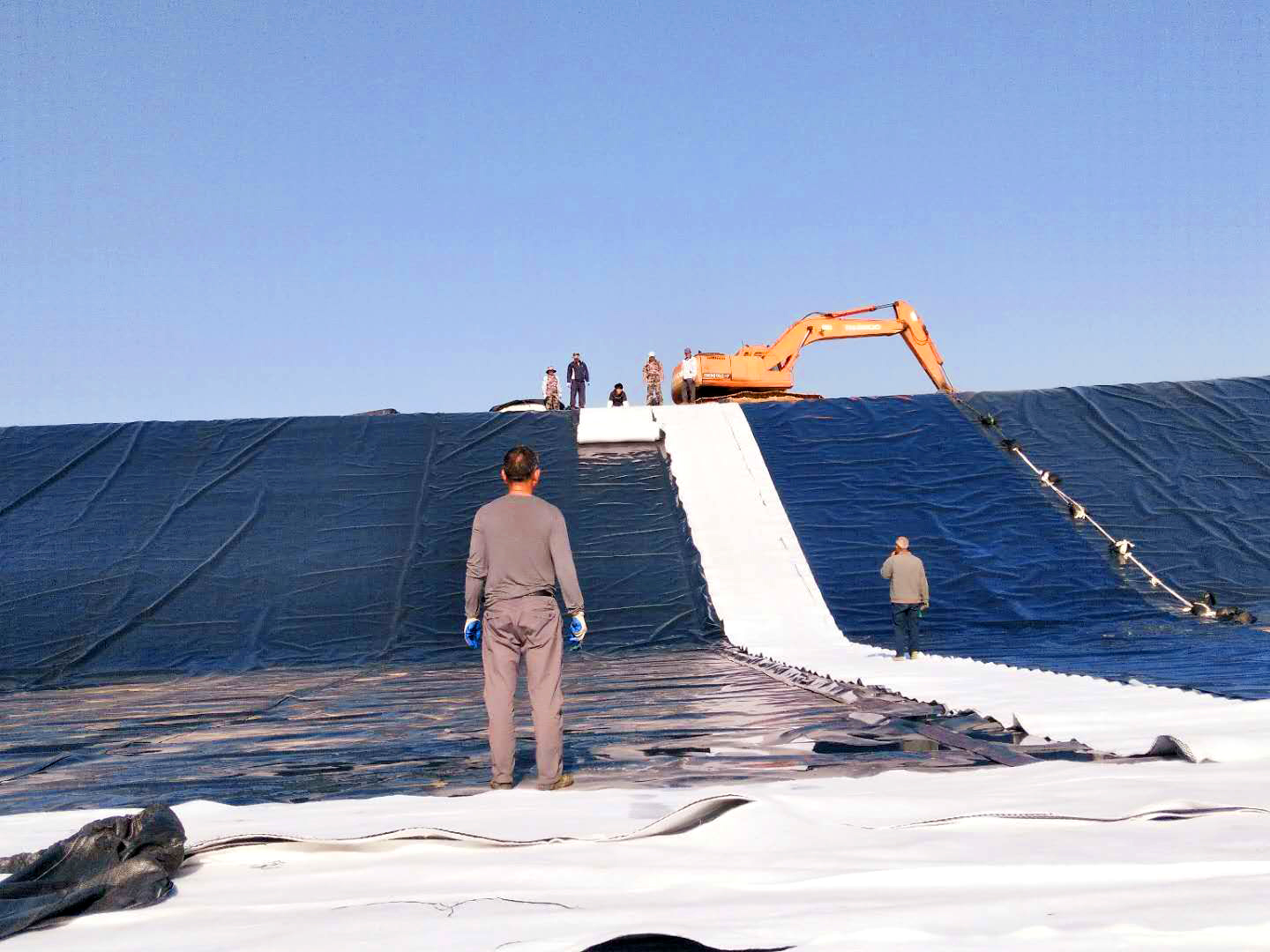
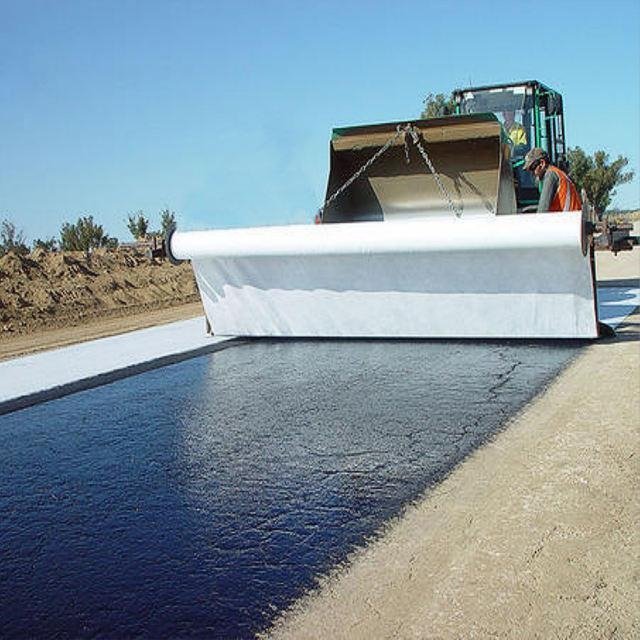
Even the best 40 mil HDPE liner will not perform properly if it is installed incorrectly. Site preparation is one of the most important steps. The subgrade should be smooth, compacted, and free from sharp rocks, roots, debris, or other objects that could damage the liner.

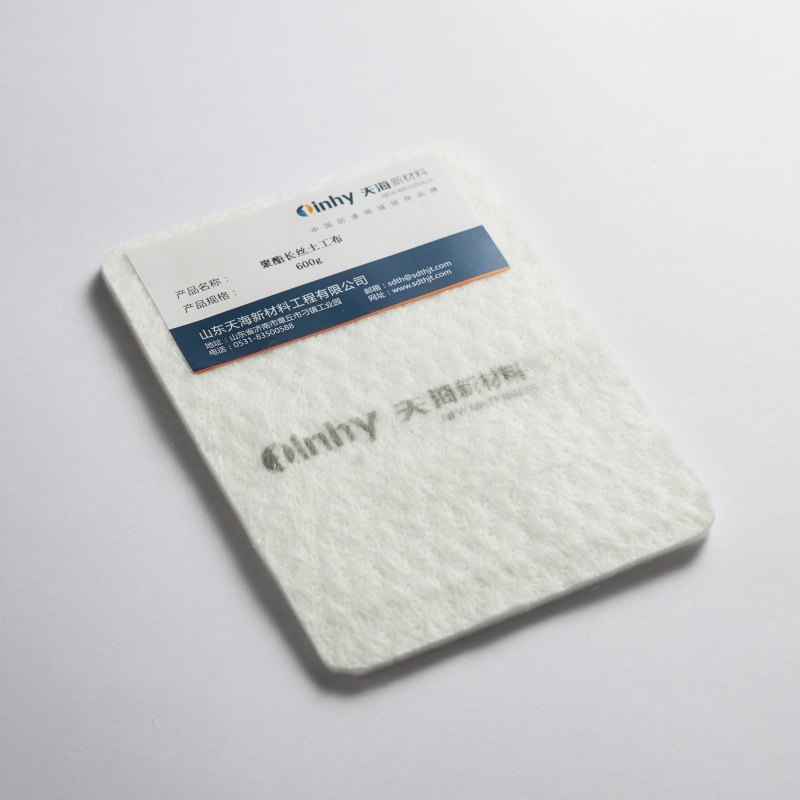
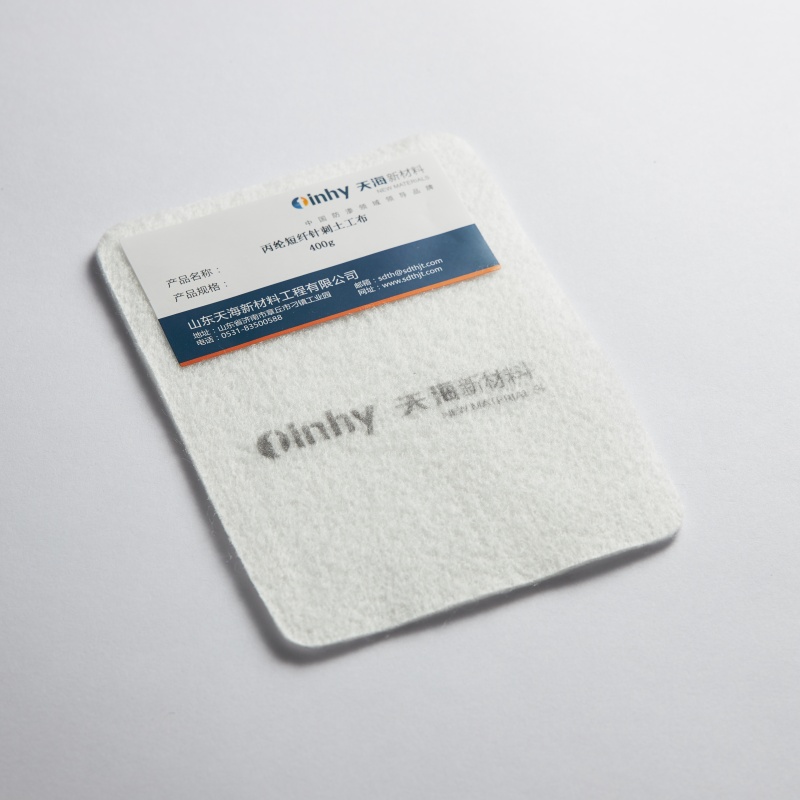
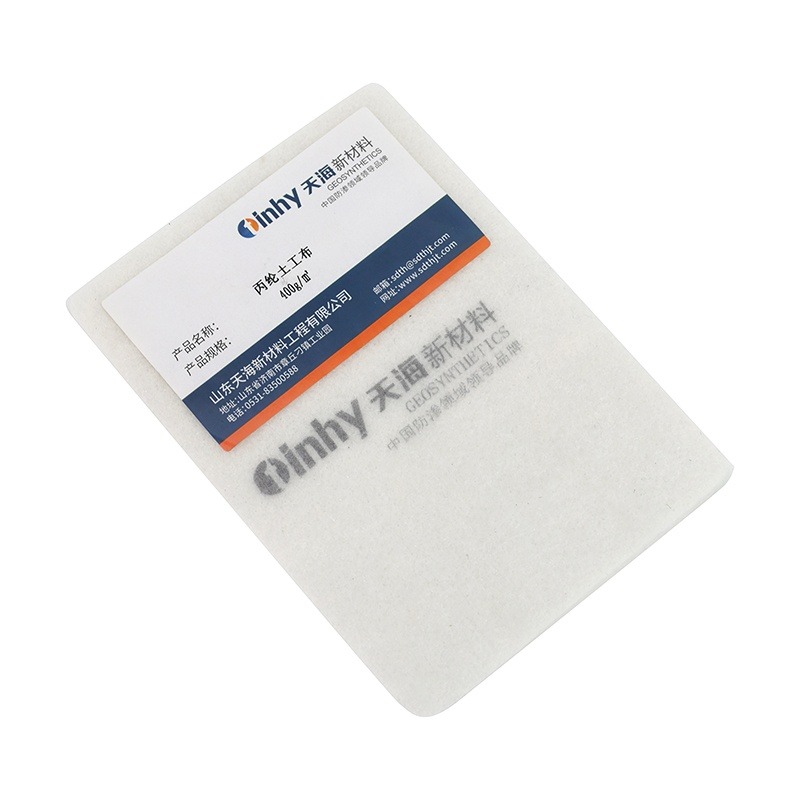
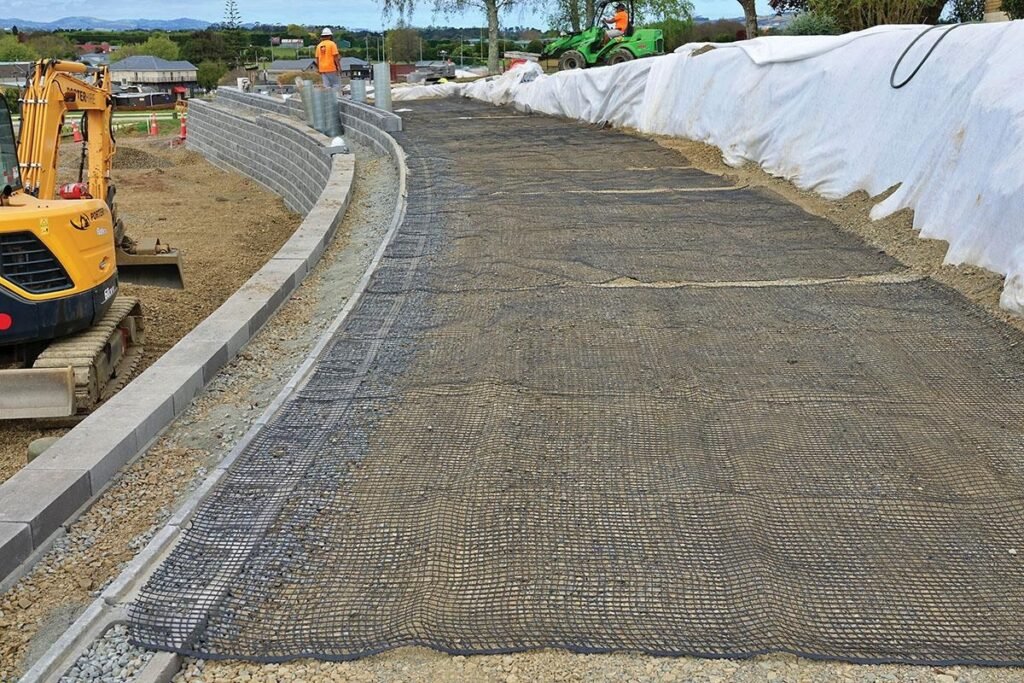
In some projects, a geotextile underlayment is installed beneath the HDPE liner to provide extra puncture protection. This is especially useful when the soil is rough or when heavy loads are expected.

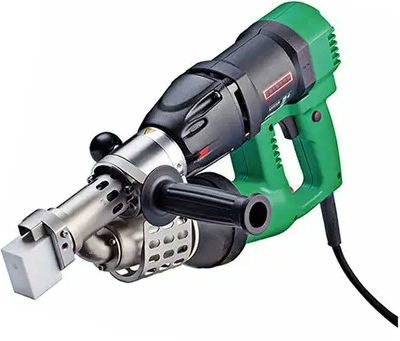
HDPE liners are usually joined by thermal welding. Professional welding helps create strong seams that are essential for leak prevention. After welding, seams should be tested to confirm their integrity. Common testing methods include air pressure testing, vacuum box testing, and spark testing, depending on the project type and liner system.

During installation, it is also important to allow for thermal expansion and contraction. HDPE expands in heat and contracts in cold conditions. Proper placement and anchoring can help prevent wrinkles, stress, and movement after installation.

How Long Does a 40 Mil HDPE Liner Last?

The service life of a 40 mil HDPE liner depends on material quality, UV exposure, chemical exposure, installation quality, operating conditions, and maintenance. In many applications, HDPE liners can provide many years of reliable service when properly selected and installed.

Buried liners usually last longer than exposed liners because they are protected from direct sunlight and weathering. Exposed liners can also perform well, especially when they are made with high-quality resin and UV-stabilized formulations.

Regular inspection is recommended for projects where the liner is exposed or where mechanical damage may occur. Checking for tears, punctures, seam issues, and surface wear can help extend the liner’s service life.

How to Choose a Reliable 40 Mil HDPE Liner Supplier

Selecting a reliable supplier is just as important as choosing the correct liner thickness. A good supplier should provide consistent product quality, technical support, and clear product specifications.

When evaluating a supplier, consider the following factors:

First, check the raw material quality. High-quality HDPE resin helps ensure better strength, flexibility, and chemical resistance.

Second, ask for technical data sheets. A professional supplier should provide information such as thickness, density, tensile strength, elongation, puncture resistance, tear resistance, carbon black content, and UV resistance.

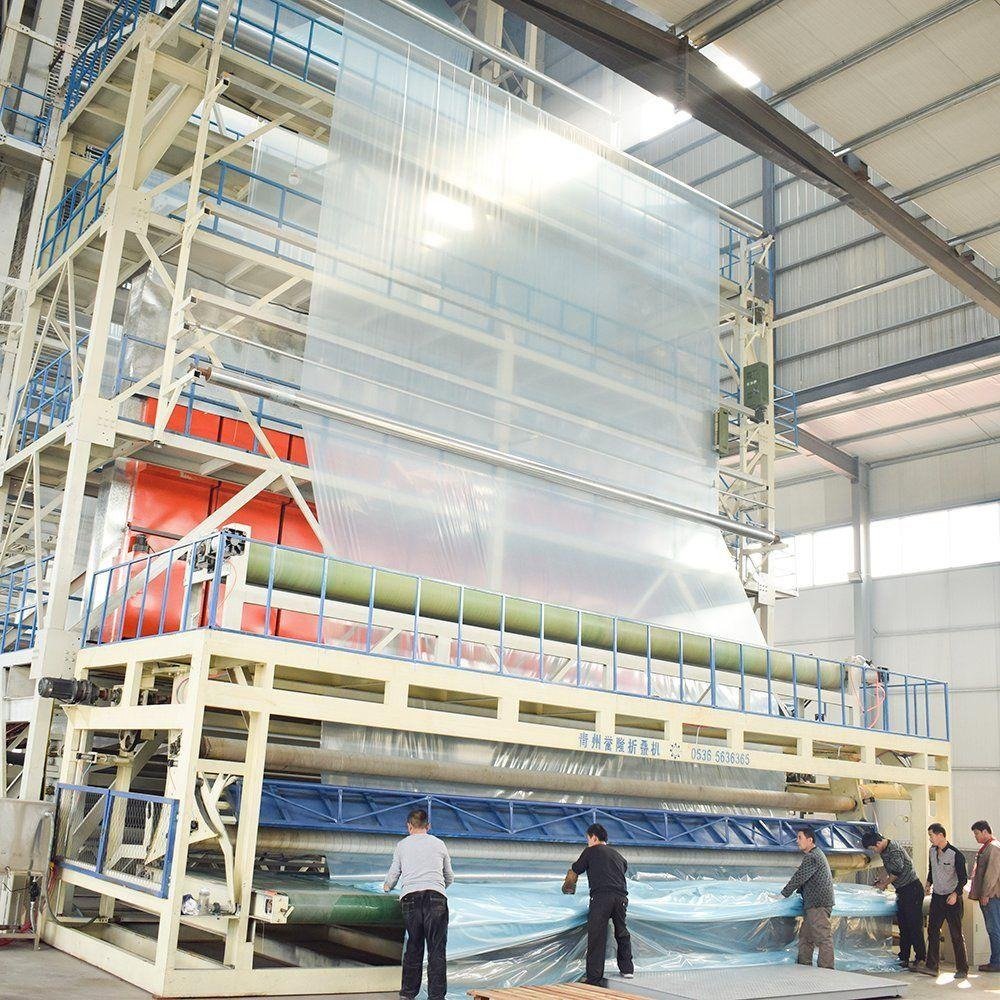
Third, consider manufacturing standards. Liners produced under strict quality control are more likely to perform consistently in real projects.

Fourth, ask about roll size and customization. The right roll dimensions can reduce the number of seams, improve installation efficiency, and lower labor costs.

Finally, consider installation support. Some suppliers can offer welding guidance, installation recommendations, or project-specific advice.

Final Thoughts

A 40 mil HDPE liner is a durable, versatile, and cost-effective geomembrane solution for many containment applications. It provides strong resistance to seepage, chemicals, UV exposure, and mechanical stress, making it suitable for ponds, reservoirs, aquaculture farms, wastewater treatment facilities, mining projects, landfill systems, and secondary containment areas.

Compared with thinner liners, a 40 mil HDPE liner offers improved strength and puncture resistance. Compared with thicker liners, it is easier to handle and more economical. This balance makes it one of the most practical choices for many medium-duty and heavy-duty lining projects.

However, choosing the right liner is only part of the process. Proper site preparation, professional welding, seam testing, and routine inspection are essential for long-term performance. By working with an experienced supplier and selecting a high-quality 40 mil HDPE liner, project owners can reduce leakage risks, protect the environment, and improve the reliability of their containment systems.

If your project requires a dependable waterproof barrier, a 40 mil HDPE liner may be the ideal solution. It combines strength, durability, chemical resistance, and cost efficiency in one proven geomembrane product.

Knowledge Base
Share:
info@tinhygeosynthetics.com Bai Jinxi
Consultation

    Get The Latest Product Prices

    Your inquiries are welcomed at any time and please feel free to contact us via email, phone calls, and online chatbox on our site.

    We will definitely give you a reply ASAP after we receive your messages.

      0/180