Resources
Company News
Industry News
Knowledge Base
Project Cases
Innovation
Team Power Fuels TINHY’s Global Geosynthetics Solutions
Tinhy and University of Jinan Celebrate Six Years of Industry–University Collaboration
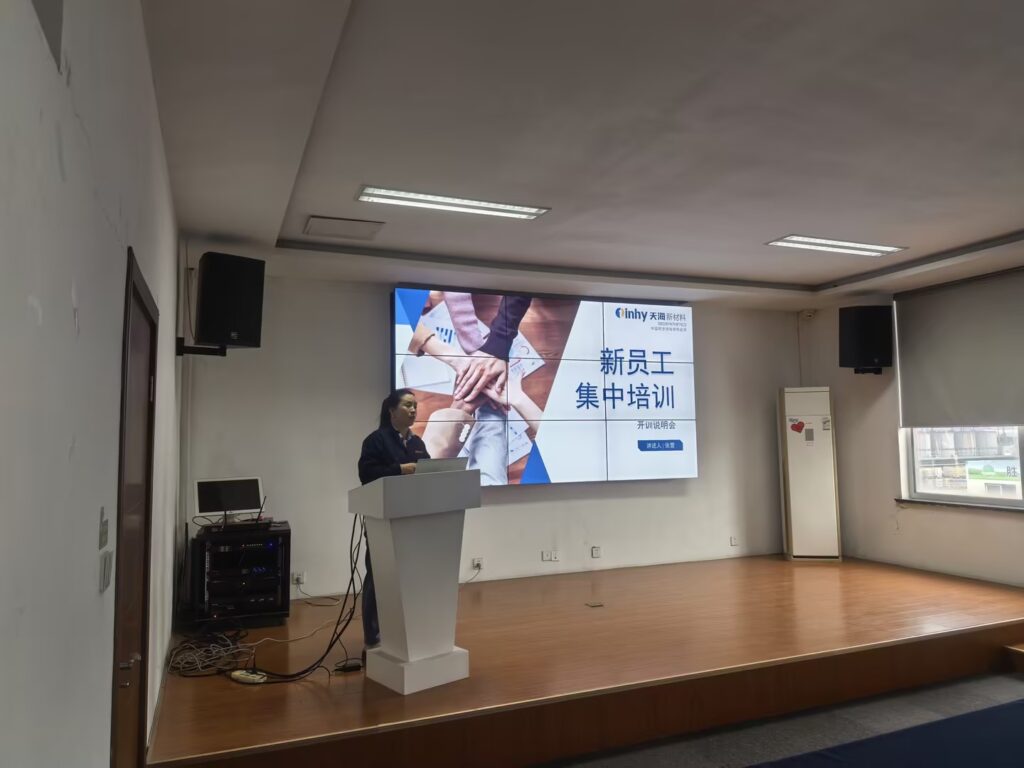
Empowering New Talent, Building the Future: Tinhy Successfully Conducts New Employee Orientation Training
Tinhy Conducts Comprehensive Emergency Drill to Strengthen Workplace Safety Defenses
Company Mid – Year Summary and Team – Building Activity Report
Is geomembrane a geotechnical engineering material?
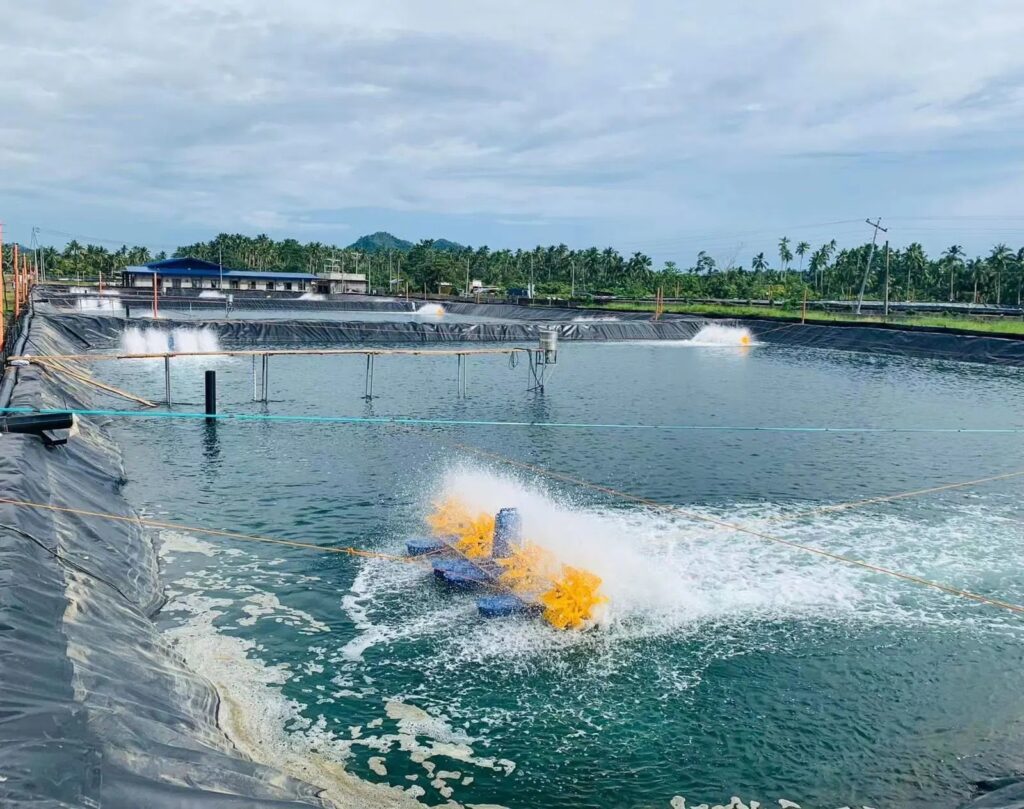
What are the application scenarios of geomembrane?
What are the functions of geotextiles?
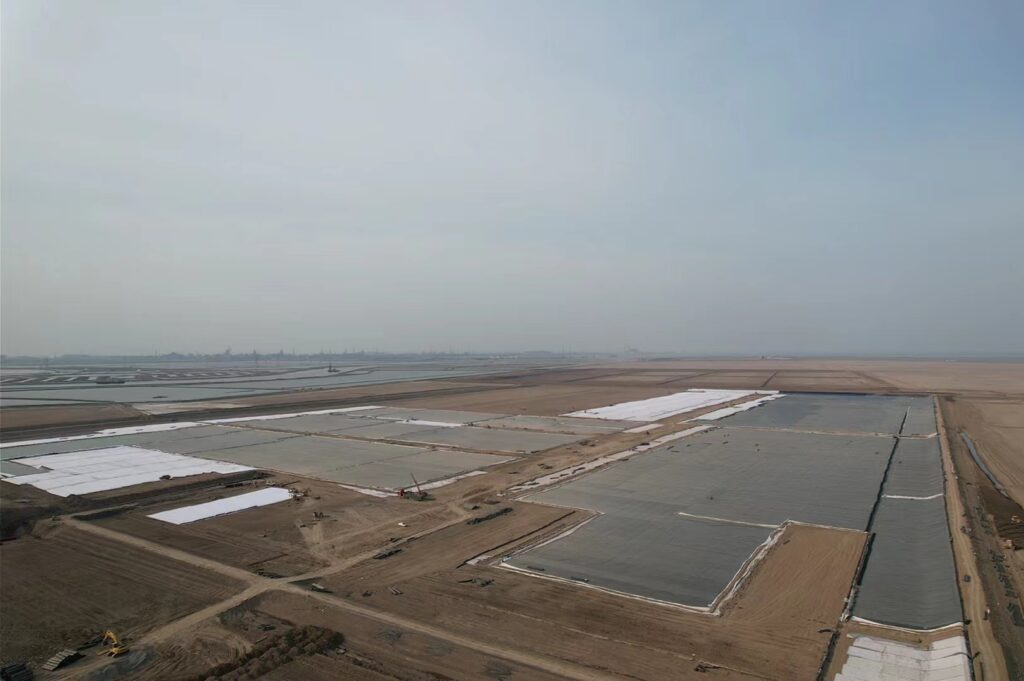
Cómo elegir geomembrana de hdpe en proyectos de ingeniería
How to choose hdpe geomembrane in engineering projects
China’s Geotechnical Construction Materials Embrace New Opportunities
Tips for Moisture-Proof Storage of Geotextiles
Key Construction Points and Precautions for High-Density Polyethylene Geomembrane
what is pond lining material ?
What is geomembrane?
HDPE geomembrane construction plans and technical measures
What quality tests do HDPE geomembranes need to do?
Tinhy’s MDS® Drainage Solution
Installation Robots
The 10 Best Film Geotextiles Review: Types, Performance & Buying Guide
Geotextile Installation: Step-by-Step Guide for Construction Projects
The 7 Best Non Woven Filter Fabric: Properties, Applications & Buying Guide
HDPE Liner Installation: A Step-by-Step Guide for Geomembrane Projects
The 10 Best Geotextile 200g Review: Properties, Applications & Buying Guide
The 8 Best Black Pond Liners Review: Materials, Performance & Selection Guide
How to Choose the Right HDPE Liner for Tailings Dams
The 7 Best Reservoir Liner Materials for Water Containment Projects
Top 8 HDPE Pond Liner Manufacturers in the World
Geogrid vs Geotextile: Differences, Applications & How to Choose
Should HDPE or PVC be used to install geomembrane in reservoirs?
What is the price of geomembrane?
Material characteristics of three different geomembranes
Esquema de construcción de geomembrana de HDPE y medidas técnicas
hdpe geomembrane pond liner in Congo (DRC)
How to lay and weld HDPE geomembrane?
HDPE geomembrane 0.2-4.0mm
HOME ABOUT PRODUCTS APPLICATION CONTENTUS RESOURCES
Home Resources Knowledge Base The 10 Best Film Geotextiles Review: Types, Performance & Buying Guide

The 10 Best Film Geotextiles Review: Types, Performance & Buying Guide

time:September 14, 2026 Views:3

Film geotextiles are widely used in modern civil engineering, infrastructure, drainage, environmental protection, and soil stabilization projects. Depending on their material, manufacturing process, weight, and structure, geotextiles can provide separation, filtration, drainage, reinforcement, protection, and erosion-control functions.

For engineers, contractors, distributors, and project buyers, choosing the right geotextile is not simply a matter of selecting the highest GSM or tensile strength. The correct product should match the soil conditions, hydraulic requirements, loading conditions, installation environment, and intended function.

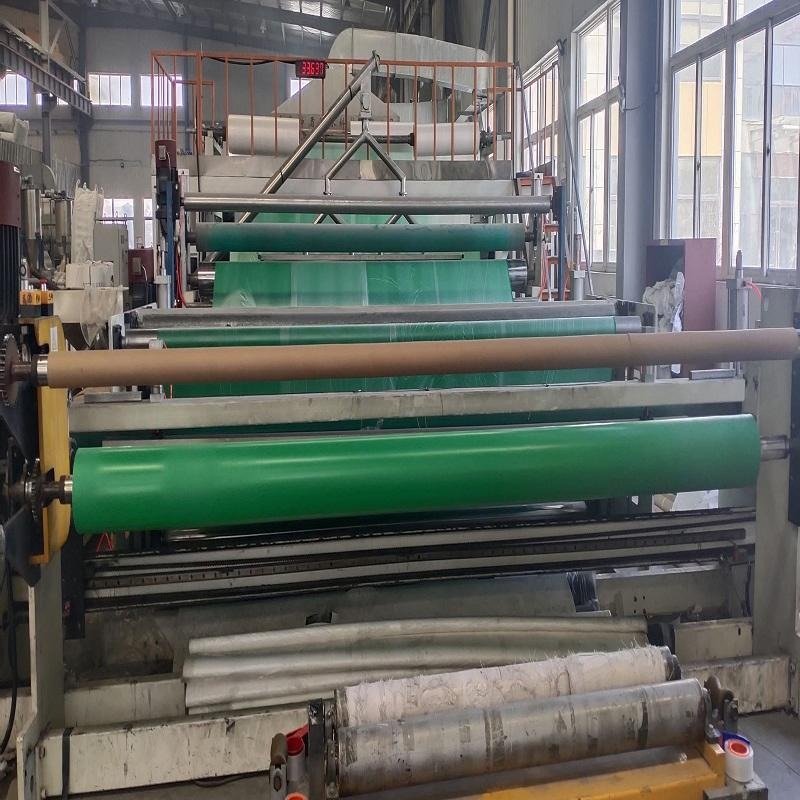
At Tinhy Geosynthetics, we manufacture and supply a wide range of geotextile products, including PP and PET woven geotextiles, nonwoven needle-punched geotextiles, and other geosynthetic solutions for international infrastructure and environmental projects.

This guide reviews 10 commonly selected film geotextile options and explains their key characteristics, advantages, and typical uses.

What Is a Film Geotextile?

The term film geotextile is sometimes used in the market to describe synthetic geotextile fabrics used as permeable engineering layers. In practice, most geotextiles are manufactured from synthetic fibers such as polypropylene (PP) or polyester (PET).

Unlike an impermeable geomembrane, a geotextile is generally designed to allow water to pass through while controlling soil and aggregate movement.

Depending on its structure, a geotextile can perform several functions:

  • Separation
  • Filtration
  • Drainage
  • Reinforcement
  • Protection
  • Cushioning
  • Erosion control
  • Soil stabilization

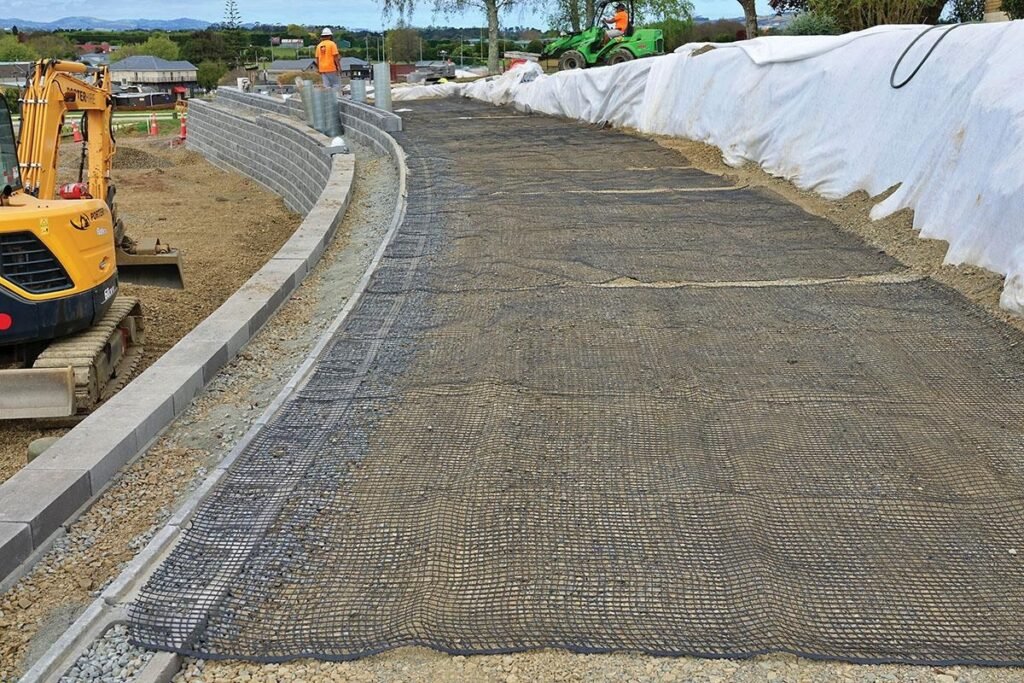
For example, nonwoven geotextiles are commonly selected for filtration, drainage, and geomembrane protection, while woven geotextiles are often preferred where higher tensile strength and soil stabilization are required.

How We Evaluate the Best Film Geotextiles

There is no single geotextile that is the best choice for every project.

For this review, we focus on the following technical factors:

1. Material

The most common materials are:

  • Polypropylene (PP)
  • Polyester (PET)

PP offers good chemical resistance, low moisture absorption, and cost efficiency. PET can provide high mechanical performance and is often considered for demanding reinforcement and stabilization applications.

2. Manufacturing Structure

Geotextiles can generally be divided into:

  • Nonwoven needle-punched geotextile
  • Woven geotextile
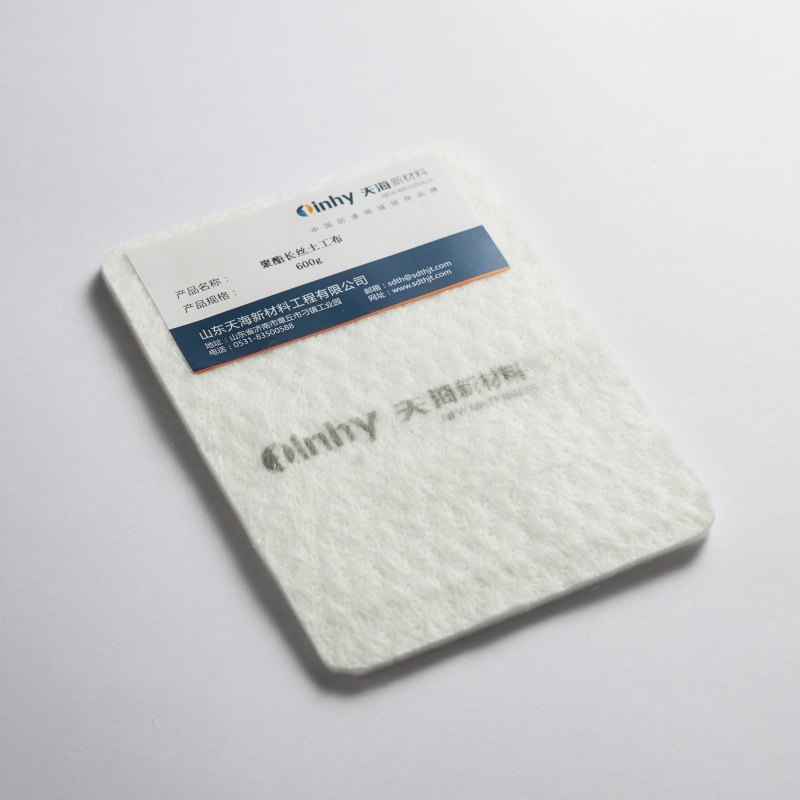
  • Filament nonwoven geotextile
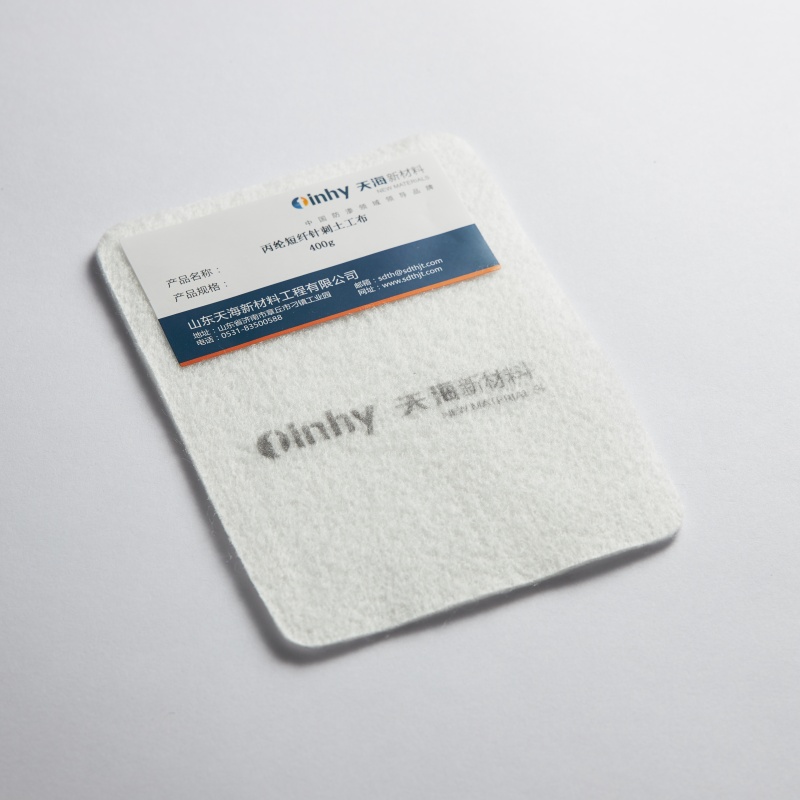
  • Staple fiber nonwoven geotextile

The manufacturing structure has a major influence on permeability, tensile strength, flexibility, puncture resistance, and installation performance.

3. Mass per Unit Area

GSM, or grams per square meter, is one of the most commonly specified geotextile parameters.

Typical specifications include:

  • 100–150 g/m²
  • 150–200 g/m²
  • 200–300 g/m²
  • 300–500 g/m²
  • 500 g/m² and above

However, higher GSM does not automatically mean better performance. The product should be selected according to the actual project requirements.

4. Mechanical Performance

Important mechanical properties include:

  • Tensile strength
  • Tear resistance
  • Puncture resistance
  • CBR puncture resistance
  • Elongation

These properties are particularly important when the geotextile will experience construction loads, aggregate placement, traffic loads, or soil movement.

5. Hydraulic Performance

For filtration and drainage applications, hydraulic properties are equally important.

Key parameters include:

  • Apparent Opening Size (AOS)
  • Permittivity
  • Water flow rate
  • Soil retention characteristics

A properly selected geotextile should allow sufficient water flow while preventing excessive migration of fine soil particles.

The 10 Best Film Geotextile Options

1. PP Nonwoven Needle-Punched Geotextile

Best for: Filtration, drainage, separation, and protection

PP nonwoven needle-punched geotextile is one of the most versatile geotextile solutions.

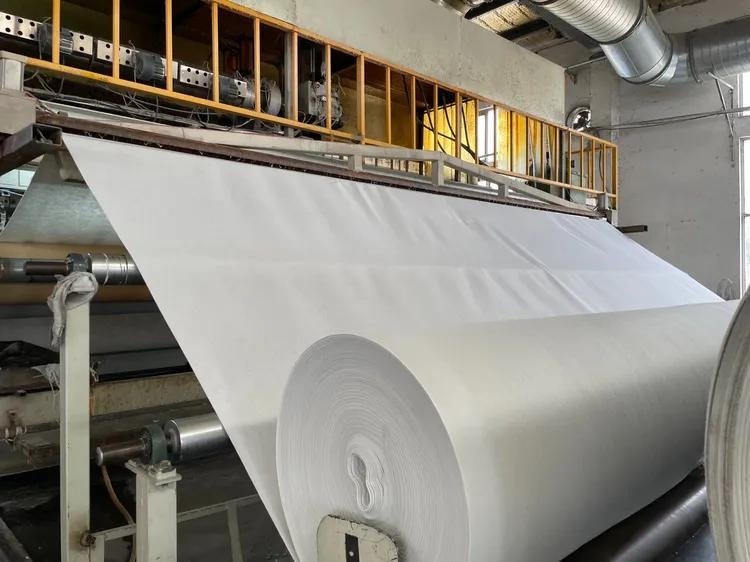
It is manufactured from polypropylene fibers that are mechanically entangled through needle punching. The resulting three-dimensional structure provides good permeability, flexibility, and resistance to puncture.

Key advantages

  • Good water permeability
  • Excellent flexibility
  • Good filtration performance
  • Good puncture resistance
  • Easy installation
  • Cost-effective

PP nonwoven geotextiles are commonly used in:

  • Drainage systems
  • Road construction
  • Retaining walls
  • Landfill systems
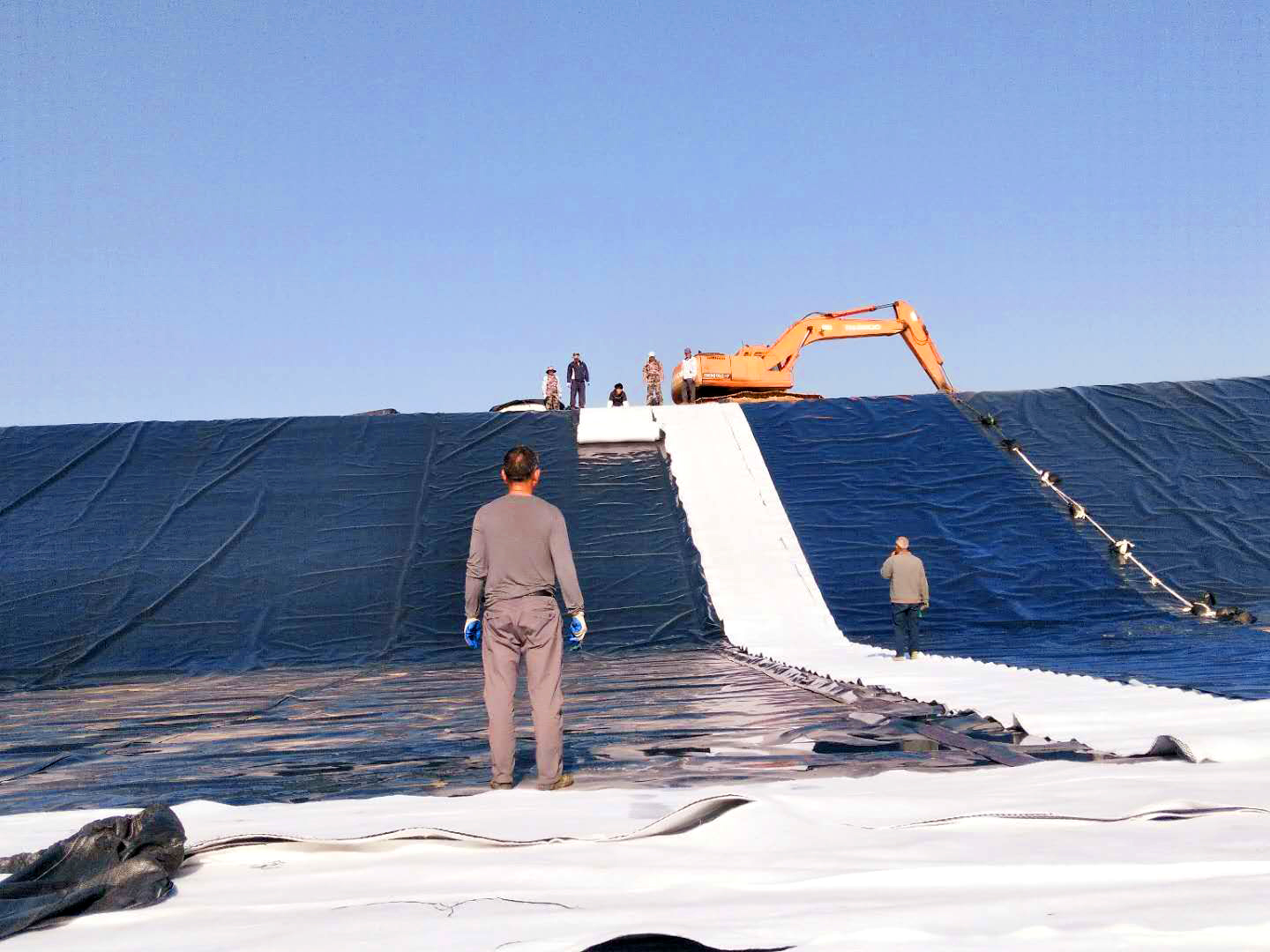
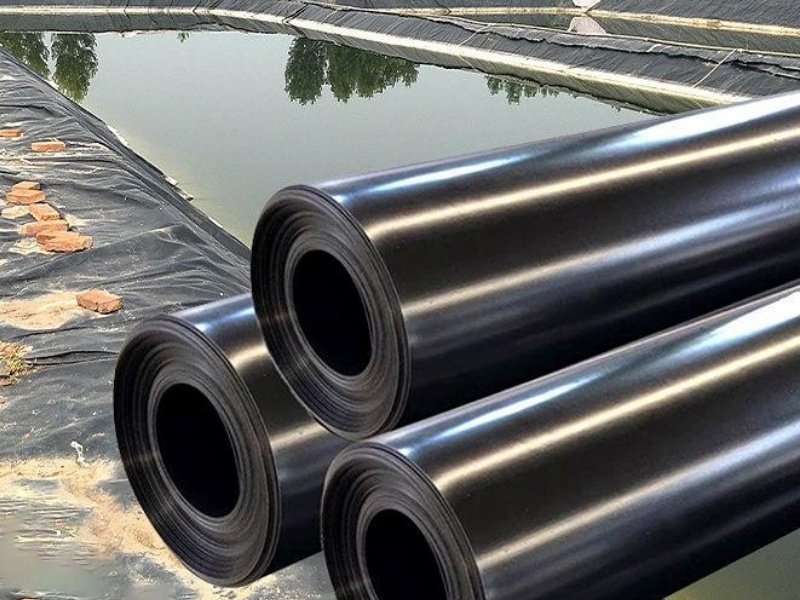
  • Pond and reservoir liner protection
  • Foundation drainage
  • Erosion-control systems

Tinhy Recommendation: PP nonwoven needle-punched geotextile is a practical general-purpose option when filtration, drainage, and protection are the primary requirements.

2. PET Nonwoven Geotextile

Best for: High mechanical performance and demanding applications

PET nonwoven geotextiles are manufactured from polyester fibers and can provide strong mechanical properties together with good filtration performance.

Compared with PP products, PET can be selected where higher mechanical requirements are important.

Typical considerations include:

  • High tensile strength
  • Good dimensional stability
  • Good puncture resistance
  • Effective filtration
  • Long-term buried performance

PET nonwoven geotextiles can be considered for demanding drainage, filtration, soil protection, and geosynthetic composite systems.

3. PP Woven Geotextile

Best for: Separation, stabilization, and reinforcement

Woven PP geotextiles are produced by interlacing polypropylene yarns or tapes.

Their woven structure provides relatively high tensile strength and dimensional stability, making them suitable for projects where soil stabilization and load distribution are important.

Typical applications include:

  • Roads
  • Highways
  • Parking areas
  • Working platforms
  • Railway construction
  • Embankments
  • Heavy-duty soil separation

Compared with nonwoven geotextiles, woven products are generally selected when mechanical strength is more important than high through-plane filtration.

Tinhy supplies PP woven geotextiles with different weights and widths to meet project-specific requirements.

4. PET Woven Geotextile

Best for: High-strength reinforcement and stabilization

PET woven geotextiles combine the high-strength characteristics of woven structures with the mechanical performance of polyester.

They can be considered for applications requiring:

  • High tensile strength
  • Low deformation
  • Long-term reinforcement
  • Soil stabilization
  • Load transfer

PET woven geotextiles are particularly useful when engineering design requires a high-strength geosynthetic layer beneath roads, embankments, or other heavily loaded structures.

5. PP Staple Fiber Nonwoven Geotextile

Best for: General filtration, drainage, and protection

Staple fiber nonwoven geotextiles are manufactured from short synthetic fibers and commonly processed through needle punching.

Their soft and flexible structure allows the fabric to conform well to uneven surfaces.

Typical applications include:

  • Drainage layers
  • Road separation
  • Geomembrane protection
  • Pond liners
  • Landfill liners
  • Retaining wall drainage
  • Landscaping

For projects where the geotextile must conform closely to the subgrade or provide cushioning between materials, staple fiber nonwoven geotextile can be an effective solution.

6. PET Filament Nonwoven Geotextile

Best for: High-strength filtration and protection

PET filament nonwoven geotextiles use continuous polyester filaments to form a stable nonwoven structure.

This type of geotextile can combine:

  • High tensile performance
  • Good puncture resistance
  • Good filtration
  • Good dimensional stability
  • Long-term durability

PET filament nonwoven products are suitable for projects where both hydraulic performance and mechanical strength need to be considered.

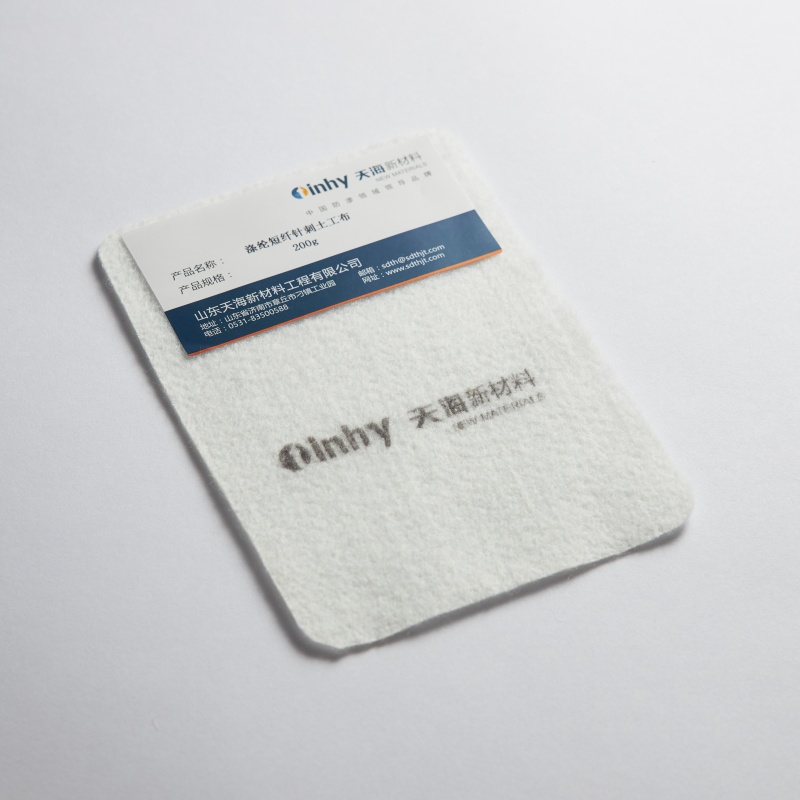
7. 200 g/m² Geotextile

Best for: General drainage and medium-duty separation

The 200 g/m² specification is widely used for projects that require a balance between weight, permeability, handling, and mechanical performance.

Typical applications include:

  • Drainage
  • Landscaping
  • Road separation
  • Foundation drainage
  • Pond liner protection
  • Light-to-medium soil separation

However, 200 g/m² should not be treated as a universal specification. Product performance depends on fiber type, manufacturing process, tensile strength, puncture resistance, AOS, and permeability.

8. 300 g/m² Geotextile

Best for: Heavy-duty separation, protection, and stabilization

A 300 g/m² geotextile provides greater material mass and generally higher mechanical resistance than lighter grades.

It is often considered for:

  • Heavy-duty road construction
  • Construction platforms
  • Railway subgrade
  • Drainage trenches
  • Landfill protection
  • Reservoir and pond liner protection
  • Erosion-control systems

Tinhy’s 300 g/m² nonwoven geotextile is manufactured from PP and uses a needle-punched structure, offering a balance between mechanical strength, filtration, protection, and cost.

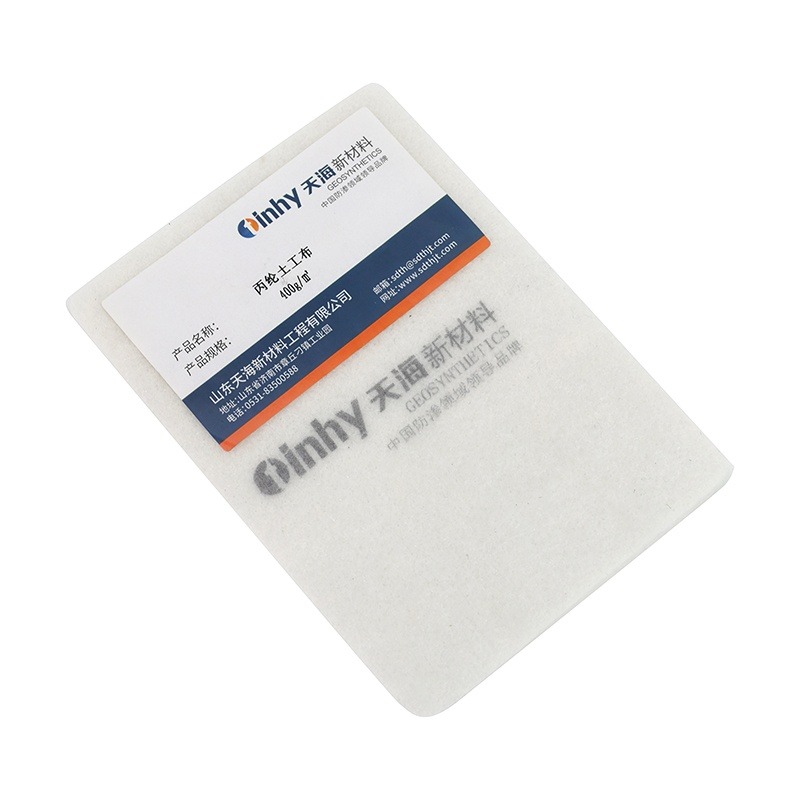
9. Heavy-Duty 400–600 g/m² Geotextile

Best for: High installation stress and demanding construction conditions

When a project involves sharp aggregate, heavy construction equipment, high contact pressure, or demanding subgrade conditions, a heavier geotextile may be required.

400–600 g/m² products can provide increased:

  • Puncture resistance
  • Tear resistance
  • Construction survivability
  • Cushioning performance
  • Mechanical stability

These products are commonly considered for heavy-duty roads, landfill systems, mining projects, reservoirs, and geomembrane protection.

The correct specification should still be determined through project design rather than GSM alone.

10. Customized Geotextile Solutions

Best for: Project-specific requirements

Large infrastructure projects often require specifications that cannot be met by a standard geotextile.

Customization may include:

  • PP or PET material
  • Woven or nonwoven structure
  • Different GSM
  • Different roll widths
  • Different roll lengths
  • Customized tensile strength
  • Customized puncture resistance
  • Specific AOS and permeability requirements

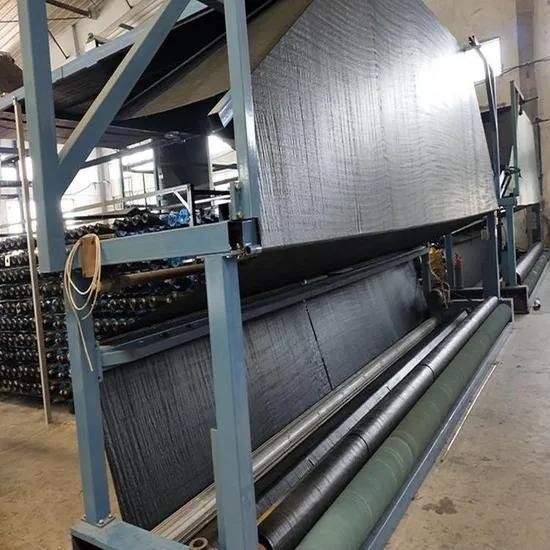
Tinhy Geosynthetics has more than 24 years of experience in geosynthetics manufacturing and provides customized geotextile solutions for international customers. Tinhy has also developed production capabilities for wide-width geotextiles, including 7-meter-width production.

Film Geotextile Technical Parameters to Check

When comparing different geotextile suppliers, buyers should look beyond product weight.

Parameter Why It Matters
Mass per Unit Area Indicates fabric weight and helps define the product grade
Tensile Strength Indicates resistance to tensile loading
Elongation Shows how the fabric behaves under deformation
Puncture Resistance Important for installation and aggregate protection
CBR Puncture Resistance Useful for evaluating construction survivability
Apparent Opening Size (AOS) Important for soil retention and filtration
Permittivity Indicates water flow through the geotextile
Water Flow Rate Helps evaluate drainage capacity
Thickness Influences cushioning and protection
UV Resistance Important for temporary or exposed installation

A good procurement process should evaluate these properties together rather than selecting a product based only on GSM.

Woven vs. Nonwoven Film Geotextile

One of the most important decisions is choosing between woven and nonwoven geotextile.

Feature Nonwoven Geotextile Woven Geotextile
Structure Random/entangled fibers Interwoven yarns
Main Function Filtration, drainage, protection Separation, stabilization, reinforcement
Water Permeability Generally higher Application-dependent
Flexibility High Generally lower
Tensile Strength Moderate to high Generally higher
Puncture Resistance Good depending on grade Good to high depending on grade
Typical Uses Drainage, landfill, pond protection Roads, platforms, stabilization

For drainage and filtration, nonwoven geotextiles are often preferred because their three-dimensional fiber structure provides good water flow and soil retention.

For reinforcement and stabilization, woven geotextiles may be more suitable because of their higher tensile strength.

For some complex projects, both types can be used in different layers.

How to Choose the Right Film Geotextile

Step 1: Define the Main Function

First determine whether the geotextile is primarily required for:

  • Filtration
  • Drainage
  • Separation
  • Reinforcement
  • Protection
  • Erosion control

This will determine the most appropriate product structure.

Step 2: Evaluate the Soil

Soil gradation and particle size are particularly important for filtration applications.

The geotextile should retain soil particles while allowing sufficient water flow.

Step 3: Check Mechanical Requirements

Consider:

  • Traffic loading
  • Aggregate size
  • Installation equipment
  • Subgrade conditions
  • Expected deformation
  • Puncture risk

Heavy construction conditions may require a higher-strength or higher-GSM product.

Step 4: Check Hydraulic Requirements

For drainage and filtration applications, review:

  • AOS
  • Permittivity
  • Water flow rate
  • Hydraulic gradient

Do not select a geotextile based only on weight.

Step 5: Consider Installation Conditions

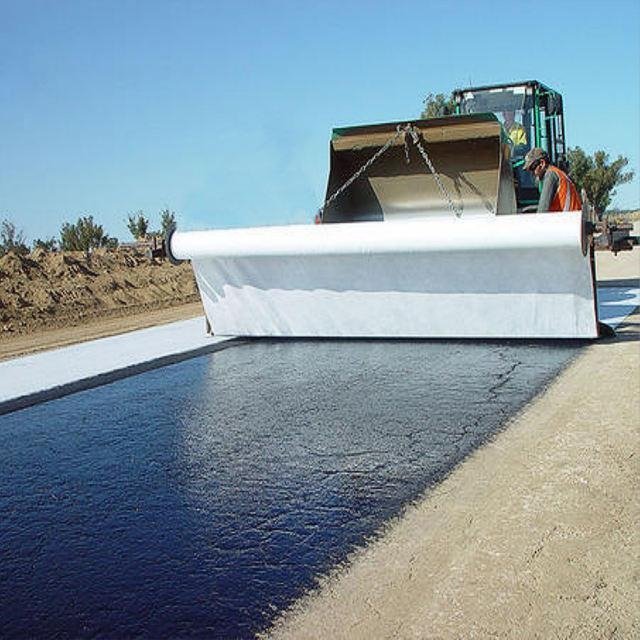
The geotextile may be exposed to construction equipment, aggregate, UV radiation, moisture, and mechanical stress during installation.

The selected product should have sufficient construction survivability for the project.

Step 6: Request Technical Documentation

For commercial projects, buyers should request:

  • Technical Data Sheet
  • Test Reports
  • Product specifications
  • Quality certificates
  • Roll dimensions
  • Packing information
  • Production and delivery information

This makes it easier to compare different suppliers on the same technical basis.

Tinhy Geosynthetics: Your Geotextile Manufacturing Partner

Tinhy Geosynthetics Co., Ltd. has been involved in the geosynthetics industry since 2002, with more than 24 years of manufacturing experience.

Our product portfolio includes:

  • Nonwoven Geotextile
  • PP Woven Geotextile
  • PET Geotextile
  • Geomembrane
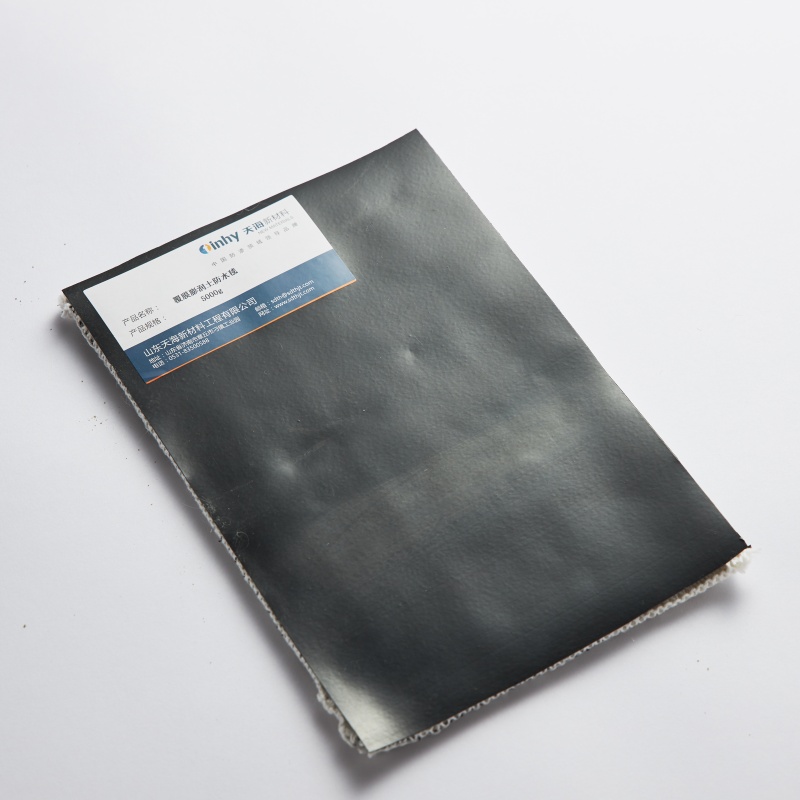
  • Composite Geomembrane
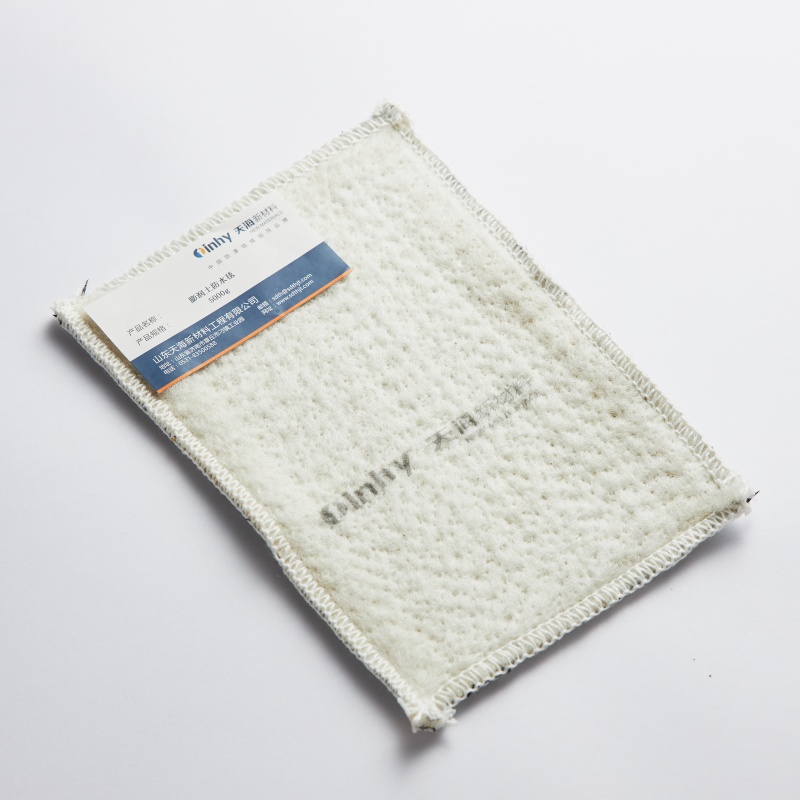
  • GCL
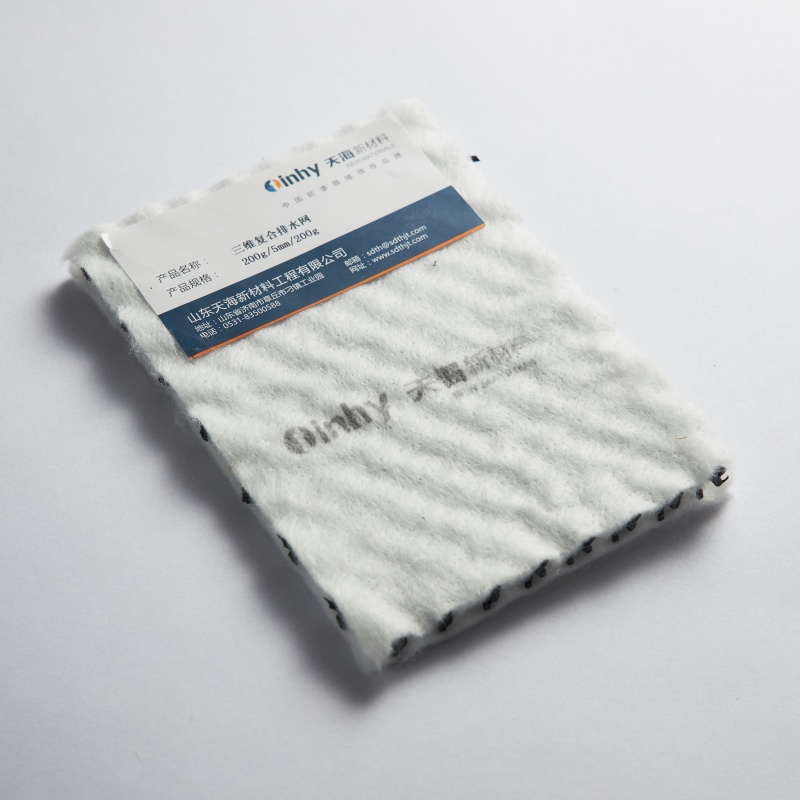
  • 3D Geonet Composite
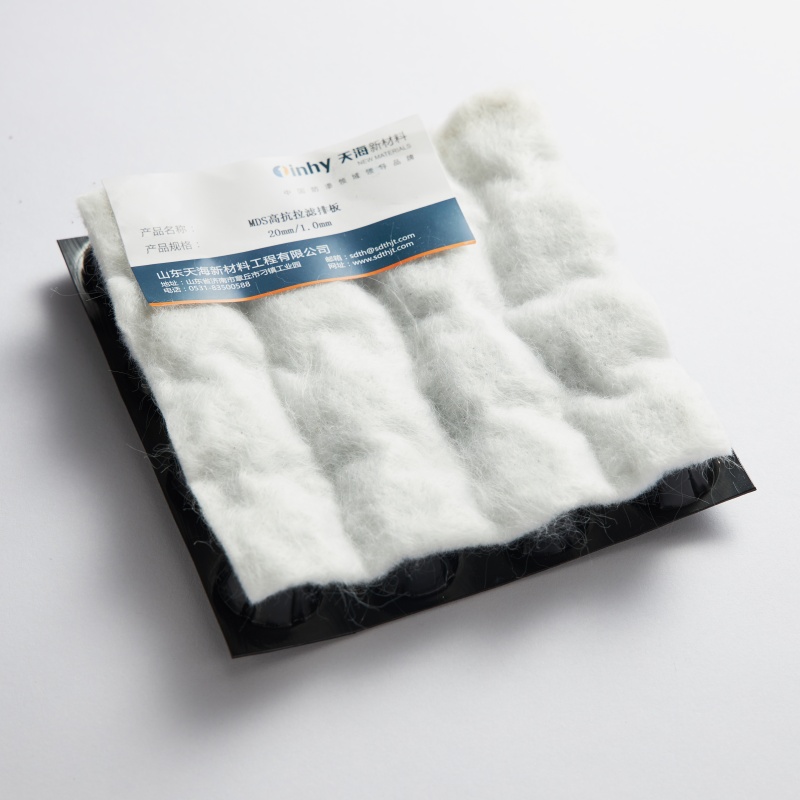
  • Drainage Board
  • Other Geosynthetic Products

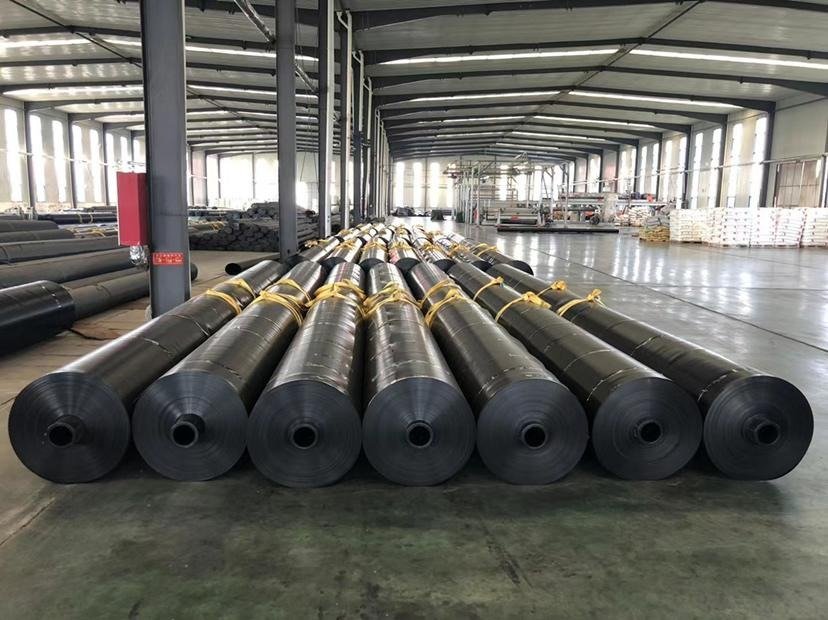
Tinhy operates more than 150,000 m² of self-owned facilities and provides geosynthetic products for customers in international markets. Our quality system includes ISO, CE, and laboratory testing capabilities, supporting consistent product quality and project-specific requirements.

Our geotextile solutions can be customized according to:

  • Material
  • GSM
  • Width
  • Roll length
  • Tensile strength
  • Puncture resistance
  • Filtration requirements
  • Project specifications

For large projects, Tinhy can also provide technical documentation and customized production according to the buyer’s requirements.

Film Geotextile Buying Checklist

Before placing an order, make sure you have confirmed:

☑ PP or PET

☑ Woven or nonwoven

☑ Required GSM

☑ Tensile strength

☑ Puncture resistance

☑ AOS

☑ Permittivity / water flow

☑ Roll width and length

☑ UV requirements

☑ Project application

☑ Technical standards

☑ Test reports

☑ Packaging requirements

☑ Quantity and delivery schedule

Conclusion

The best film geotextile is not necessarily the heaviest, strongest, or most expensive product. The right choice is the one that provides the required mechanical performance, hydraulic performance, durability, and installation survivability for the specific project.

For drainage and filtration, nonwoven geotextiles are often a practical choice. For road stabilization and reinforcement, woven geotextiles may provide better mechanical performance. Higher-GSM products can be considered when greater puncture resistance and construction survivability are required.

With more than 24 years of experience in geosynthetics manufacturing, Tinhy Geosynthetics provides PP and PET geotextile solutions for roads, drainage systems, landfills, reservoirs, ponds, mining, environmental protection, and other civil engineering projects.

Need a suitable geotextile for your project?

Contact Tinhy Geosynthetics with your required GSM, material, width, quantity, application, and technical specifications. Our team can help you select and customize a suitable geotextile solution.

Tinhy Geosynthetics — Reliable Geosynthetic Solutions for Global Projects.

Knowledge Base
Share:
info@tinhygeosynthetics.com Bai Jinxi
Consultation

    Get The Latest Product Prices

    Your inquiries are welcomed at any time and please feel free to contact us via email, phone calls, and online chatbox on our site.

    We will definitely give you a reply ASAP after we receive your messages.

      0/180