Resources
Company News
Industry News
Knowledge Base
Project Cases
Innovation
Empowering New Talent, Building the Future: Tinhy Successfully Conducts New Employee Orientation Training
Tinhy Conducts Comprehensive Emergency Drill to Strengthen Workplace Safety Defenses
Company Mid – Year Summary and Team – Building Activity Report
Is geomembrane a geotechnical engineering material?
What are the application scenarios of geomembrane?
What are the functions of geotextiles?
Cómo elegir geomembrana de hdpe en proyectos de ingeniería
How to choose hdpe geomembrane in engineering projects
¿Qué ancho elegir para geomembrana?
Prueba de envejecimiento térmico de geomembrana.
China’s Geotechnical Construction Materials Embrace New Opportunities
Tips for Moisture-Proof Storage of Geotextiles
Key Construction Points and Precautions for High-Density Polyethylene Geomembrane
what is pond lining material ?
What is geomembrane?
HDPE geomembrane construction plans and technical measures
What quality tests do HDPE geomembranes need to do?
Tinhy’s MDS® Drainage Solution
Installation Robots
HDPE Textured Liner: Why It Is the Best Choice for Slope Stability and Environmental Containment
HDPE Smooth Liner: 10 Powerful Reasons It Remains the Best Choice for Modern Containment Projects
Non Woven Geotextile for Drainage: Is It Better Than Woven Geotextile?
High Density Polyethylene Geomembrane: Why It Has Become the Industry Standard for Containment Systems
Top Non Woven Geotextile Fabric Manufacturers in 2026: Complete Buyer’s Guide
High Density Polyethylene Pond Liner: Why More Pond Owners Are Switching to HDPE in 2026
Top 10 Geo Fabric Manufacturers in 2026: Global Leaders in Geosynthetic Solutions
What Is Nonwoven Geotextile Fabric? A Complete Guide to Applications, Benefits, and Selection
HDPE Lining Manufacturer: How to Choose the Right Partner for Containment and Environmental Projects
Geo Fabric Suppliers: 7 Things Global Buyers Must Know Before Importing in 2026
Should HDPE or PVC be used to install geomembrane in reservoirs?
What is the price of geomembrane?
Material characteristics of three different geomembranes
Esquema de construcción de geomembrana de HDPE y medidas técnicas
hdpe geomembrane pond liner in Congo (DRC)
How to lay and weld HDPE geomembrane?
HDPE geomembrane 0.2-4.0mm
HOME ABOUT PRODUCTS APPLICATION CONTENTUS RESOURCES
Home Resources Knowledge Base HDPE Textured Liner: Why It Is the Best Choice for Slope Stability and Environmental Containment

HDPE Textured Liner: Why It Is the Best Choice for Slope Stability and Environmental Containment

time:June 08, 2026 Views:4

HDPE Textured Liner has become one of the most important geosynthetic materials used in modern environmental protection, mining, landfill engineering, water conservation, and industrial containment projects. Unlike traditional smooth geomembranes, textured HDPE liners are designed with engineered surface asperities that significantly improve friction and interface shear strength.

As containment systems become larger and more complex, engineers are increasingly required to address slope stability challenges. Landfills, heap leach pads, tailings storage facilities, wastewater lagoons, and reservoir embankments often include steep slopes where liner slippage can create serious environmental and operational risks.

To solve these challenges, HDPE textured liners provide the ideal combination of impermeability, chemical resistance, durability, and enhanced friction performance. Their unique textured surface helps maintain stability while delivering the long-term containment performance expected from high-quality HDPE geomembranes.

In this article, we will explore the features, benefits, technical specifications, applications, installation methods, and selection criteria of HDPE textured liners.

What Is an HDPE Textured Liner?

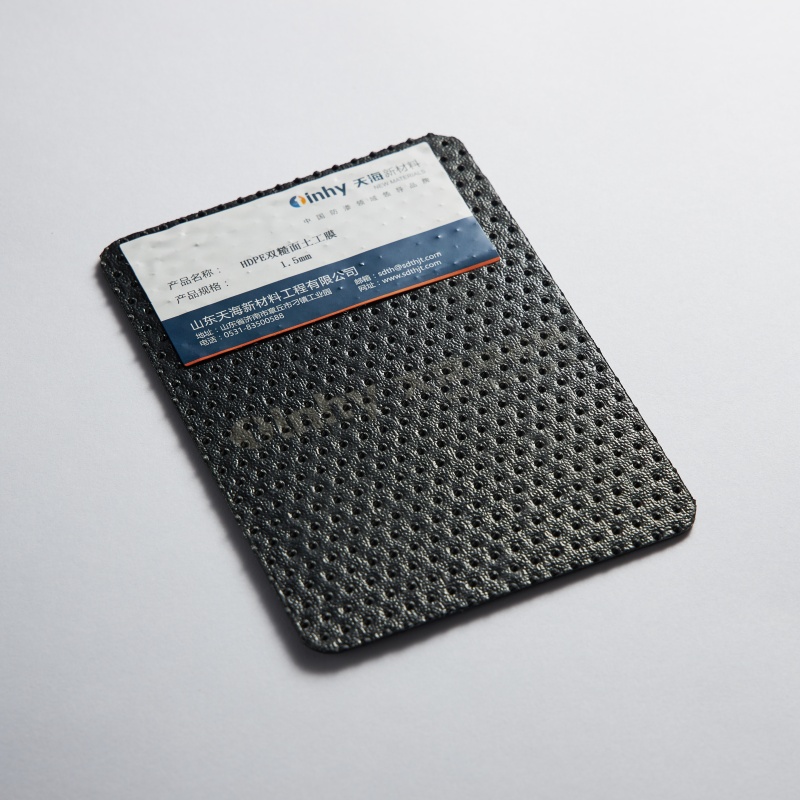
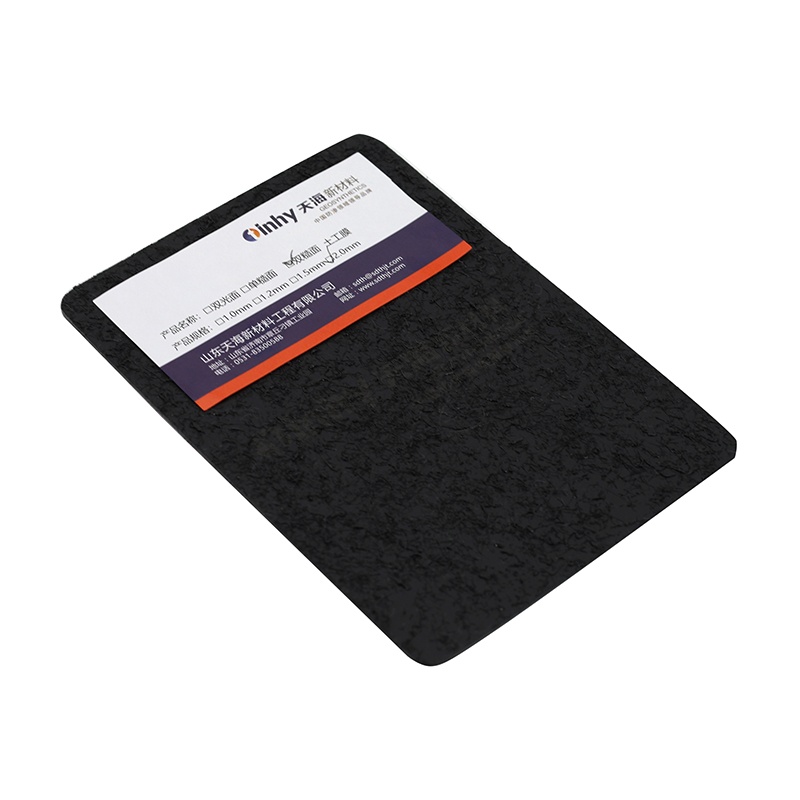
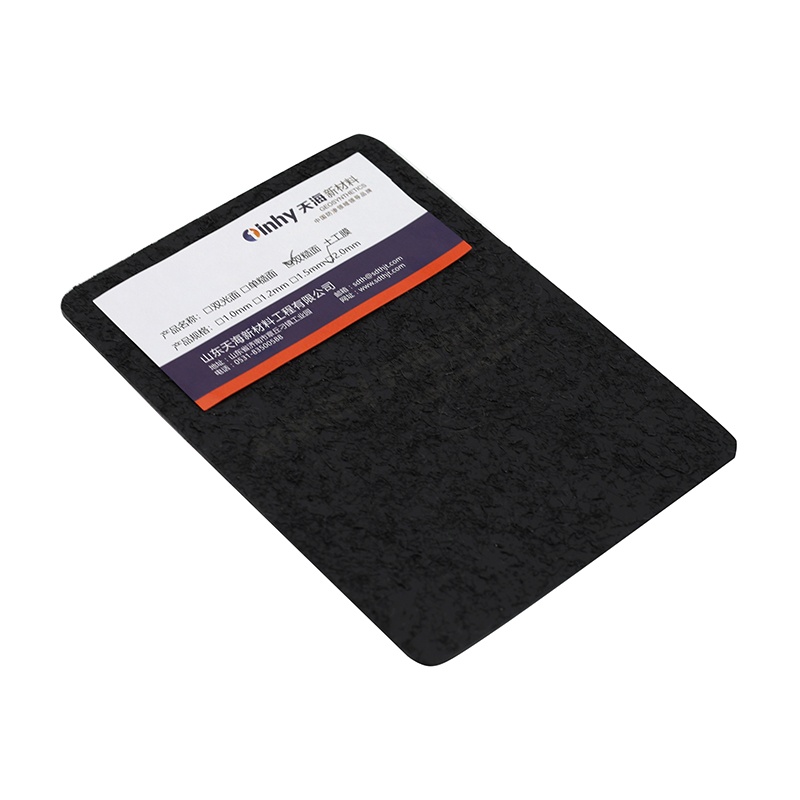
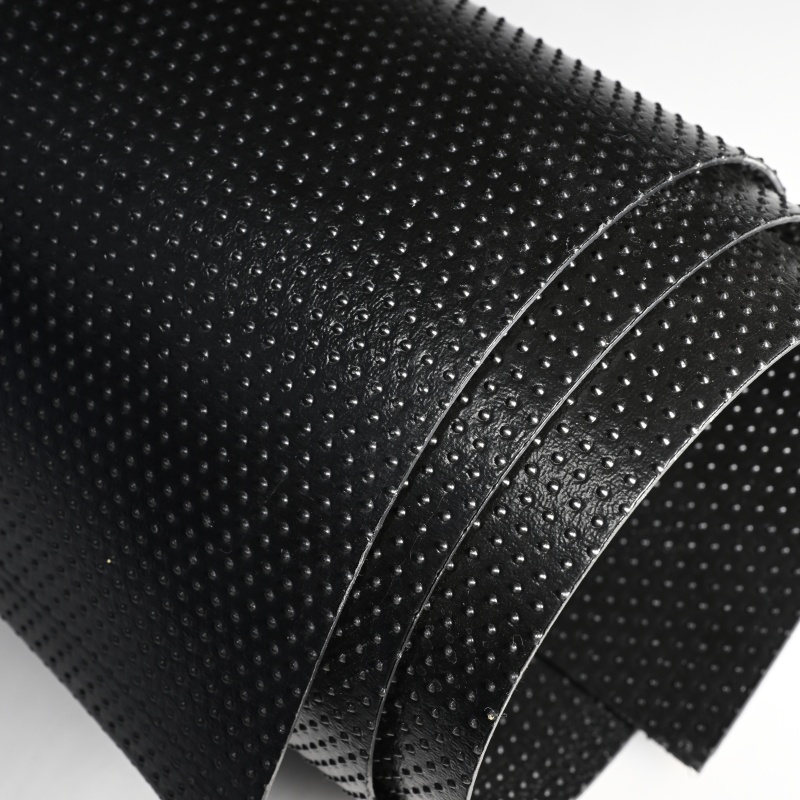
An HDPE Textured Liner is a high-density polyethylene geomembrane manufactured with a textured surface on one side or both sides. The texture consists of engineered asperities that increase friction between the geomembrane and adjacent materials.

Compared with smooth geomembranes, textured liners provide significantly higher interface friction angles, making them ideal for applications involving steep slopes or layered geosynthetic systems.

The primary functions of an HDPE textured liner include:

  • Liquid containment
  • Environmental protection
  • Groundwater protection
  • Slope stabilization
  • Leachate management
  • Chemical containment

Because of these capabilities, textured geomembranes have become the preferred solution for many critical containment projects worldwide.

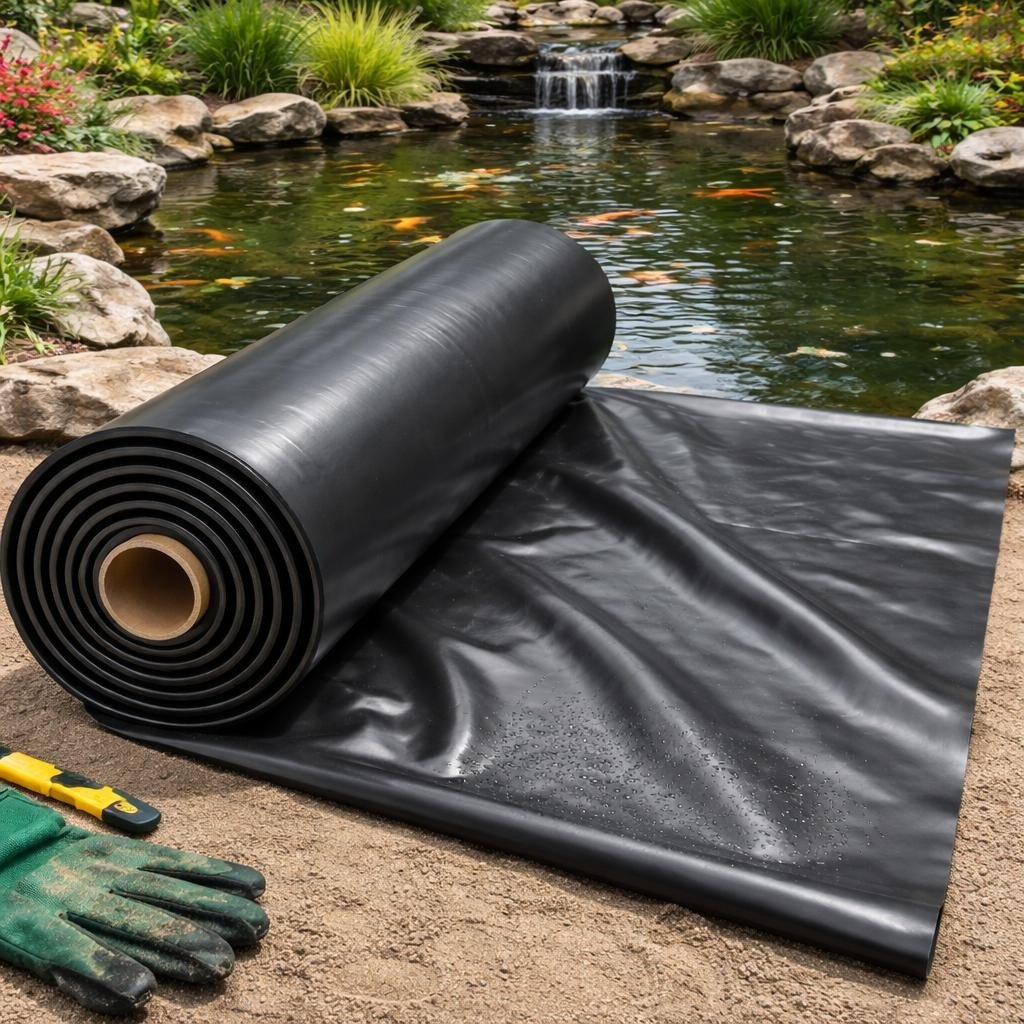
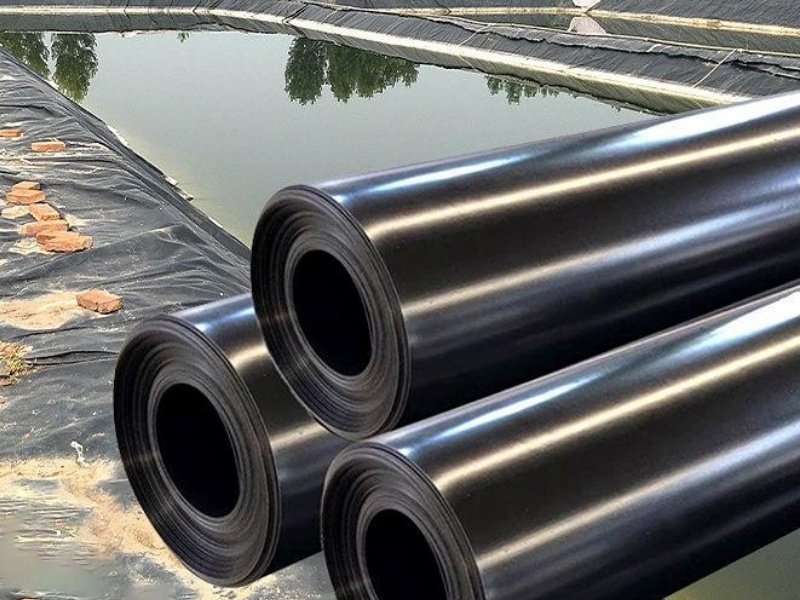
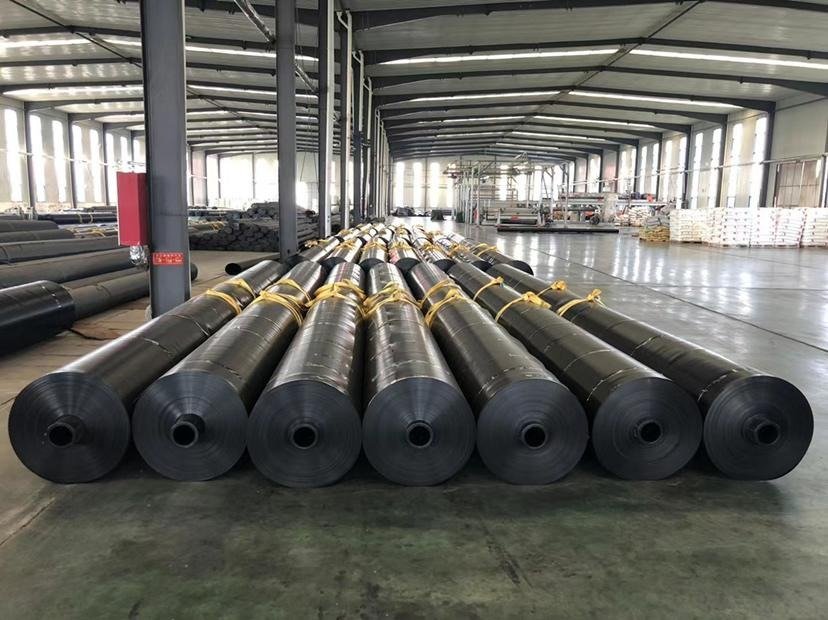
HDPE Textured Liner

HDPE Textured Liner

How Does Surface Texture Improve Performance?

One of the most important differences between smooth and textured geomembranes is the ability to resist sliding.

In a containment system, multiple materials are often placed together, including:

  • Soil
  • Geotextiles
  • Geosynthetic clay liners (GCLs)
  • Drainage geocomposites
  • HDPE geomembranes

When these materials are installed on slopes, the potential for movement increases.

The textured surface creates additional mechanical interlock between layers, helping to improve:

  • Interface friction
  • Shear strength
  • Slope stability
  • Safety factors

Modern textured geomembranes typically feature an asperity height of at least 0.4 mm, providing significantly improved friction performance compared with smooth liners. This enhanced texture helps engineers design safer and more reliable containment systems.

Manufacturing Technologies of HDPE Textured Liners

Several advanced manufacturing technologies are used to create textured geomembranes.

Raised Column Technology

This process forms raised structures on the geomembrane surface to increase friction and improve interaction with adjacent materials.

Sprayed Texture Technology

A specialized process creates a controlled rough surface that improves interface performance.

Nitrogen Explosion Technology

Nitrogen expansion techniques generate a uniform textured surface with excellent friction characteristics.

Each method is designed to improve slope performance while maintaining the excellent impermeability associated with HDPE geomembranes.

Key Benefits of HDPE Textured Liner

Enhanced Slope Stability

The most important advantage of HDPE textured liners is their ability to improve stability on slopes.

Applications involving steep embankments often require increased friction between containment layers. The textured surface helps reduce the risk of sliding and improves long-term system safety.

Exceptional Impermeability

Like smooth HDPE geomembranes, textured liners provide an extremely low permeability barrier.

This helps prevent:

  • Groundwater contamination
  • Leachate migration
  • Water loss
  • Environmental pollution

Superior Chemical Resistance

HDPE textured liners can withstand exposure to a wide range of aggressive chemicals, including:

  • Acids
  • Alkalis
  • Mining process solutions
  • Industrial wastewater
  • Landfill leachate

This makes them suitable for demanding containment environments.

Long-Term Durability

HDPE textured liners are engineered for long service life.

Their resistance to:

  • UV radiation
  • Oxidation
  • Stress cracking
  • Weathering

allows them to perform reliably for decades.

Improved Environmental Protection

By preventing leakage and maintaining containment integrity, HDPE textured liners help facilities comply with environmental regulations and reduce ecological risks.

Why Engineers Specify GM13 Standard HDPE Textured Liners

The GRI GM13 specification is widely recognized as the industry benchmark for HDPE geomembranes.

Many large-scale projects require geomembranes that meet or exceed GM13 requirements because the standard establishes minimum performance criteria for:

  • Tensile strength
  • Tear resistance
  • Puncture resistance
  • Stress crack resistance
  • Oxidative resistance
  • UV durability

Selecting a GM13-compliant textured liner helps ensure long-term performance and reliability in critical containment applications.

Technical Specifications of HDPE Textured Liner

HDPE textured liners are available in multiple thicknesses ranging from 0.5 mm to 3.0 mm to meet different engineering requirements.

Typical Mechanical Properties

Thickness Yield Strength Tear Resistance Puncture Resistance
0.5 mm 7 kN/m 65 N 175 N
1.0 mm 16 kN/m 131 N 338 N
1.5 mm 24 kN/m 195 N 495 N
2.0 mm 31 kN/m 258 N 668 N
3.0 mm 49 kN/m 385 N 990 N

These properties allow the geomembrane to withstand installation stresses and long-term operational loads.

Key Material Properties

High-quality HDPE textured liners typically provide:

  • Density ≥ 0.94 g/cm³
  • Carbon black content between 2.0% and 2.5%
  • Stress crack resistance ≥ 500 hours
  • Standard OIT ≥ 150 minutes
  • High Pressure OIT ≥ 400 minutes
  • Excellent UV resistance retention after accelerated aging tests

These characteristics ensure long-term durability in harsh environmental conditions.

Main Applications of HDPE Textured Liner

Mining Industry

Mining projects frequently involve steep containment structures.

Common applications include:

  • Heap leach pads
  • Tailings storage facilities
  • Process solution ponds
  • Evaporation ponds

The textured surface improves slope stability while maintaining containment integrity.

Municipal Waste Landfills

Landfill side slopes require high interface friction to prevent liner movement.

HDPE textured liners are widely used for:

  • Base lining systems
  • Side slope containment
  • Final cover systems

Hazardous Waste Facilities

Hazardous waste containment systems require the highest levels of reliability.

Textured liners provide both friction and impermeability for safe long-term storage.

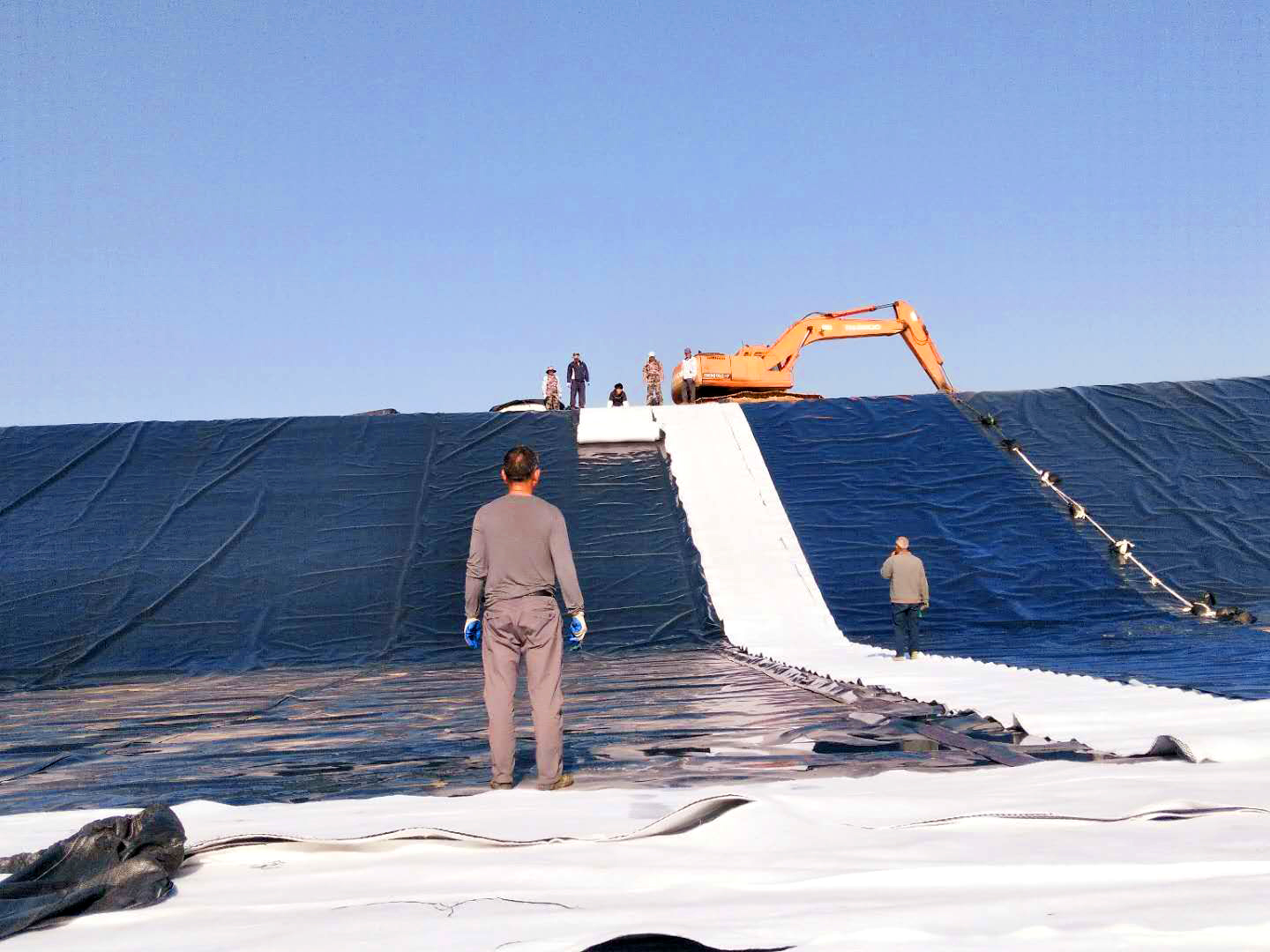
Reservoir and Water Conservation Projects

Many reservoirs and water storage facilities include sloped embankments that benefit from textured geomembranes.

Applications include:

  • Reservoir lining
  • Dam protection systems
  • Water storage ponds
  • Irrigation infrastructure

Industrial Wastewater Treatment

Industrial facilities use HDPE textured liners in:

  • Wastewater lagoons
  • Sludge ponds
  • Chemical containment systems

Their chemical resistance and durability make them highly effective in these environments.

Oil and Gas Projects

The oil and gas industry utilizes textured liners for:

  • Produced water ponds
  • Drilling waste containment
  • Secondary containment systems

These applications demand exceptional durability and environmental protection.

HDPE Textured Liner vs HDPE Smooth Liner

HDPE Textured Liner Advantages

  • Higher friction coefficient
  • Better slope performance
  • Improved interface shear strength
  • Reduced sliding risk

HDPE Smooth Liner Advantages

  • Easier cleaning
  • Simpler inspection
  • Lower cost
  • Suitable for flat-bottom applications

Which One Should You Choose?

For reservoirs, aquaculture ponds, and flat containment systems, smooth liners may be sufficient.

For steep slopes, landfill sidewalls, mining embankments, and complex containment systems, HDPE textured liners are usually the preferred solution.

Installation Best Practices

Proper installation is critical to project success.

Subgrade Preparation

Before deployment:

  • Remove sharp objects
  • Compact loose soils
  • Grade uneven surfaces

A stable foundation reduces puncture risks.

Geotextile Protection Layers

Nonwoven geotextiles are often installed above or below the geomembrane to improve puncture resistance and protection.

Professional Welding

Panels are joined using:

  • Hot wedge welding
  • Extrusion welding

Experienced installation crews help ensure strong seams and long-term performance.

Quality Assurance Testing

Common testing methods include:

  • Air channel testing
  • Vacuum box testing
  • Destructive seam testing

Comprehensive testing helps verify containment integrity before project completion.

Future Trends in HDPE Textured Liner Applications

Several global trends continue driving demand for textured geomembranes.

Expansion of Mining Projects

Growing mineral demand is increasing the need for reliable containment infrastructure.

Stricter Environmental Regulations

Governments continue implementing stronger environmental protection standards.

Increased Water Infrastructure Investment

Water conservation projects are expanding globally, creating new opportunities for textured geomembranes.

Sustainable Development Initiatives

HDPE textured liners support environmental protection and resource conservation goals.

Conclusion

HDPE Textured Liner is one of the most effective geomembrane solutions available for projects requiring both containment performance and slope stability. Its engineered textured surface significantly improves friction and interface shear strength, making it ideal for mining facilities, landfills, hazardous waste sites, reservoirs, industrial wastewater systems, and oil and gas projects.

Combined with GM13-compliant performance, excellent chemical resistance, stress crack resistance exceeding 500 hours, and advanced texturing technologies, HDPE textured liners provide long-term reliability in even the most demanding containment environments.

As environmental regulations become more stringent and infrastructure projects continue to grow in scale and complexity, HDPE textured liners will remain a critical component of modern containment engineering and environmental protection systems worldwide.

Knowledge Base
Share:
info@tinhygeosynthetics.com Bai Jinxi
Consultation

    Get The Latest Product Prices

    Your inquiries are welcomed at any time and please feel free to contact us via email, phone calls, and online chatbox on our site.

    We will definitely give you a reply ASAP after we receive your messages.

      0/180