Resources
Company News
Industry News
Knowledge Base
Project Cases
Innovation
Team Power Fuels TINHY’s Global Geosynthetics Solutions
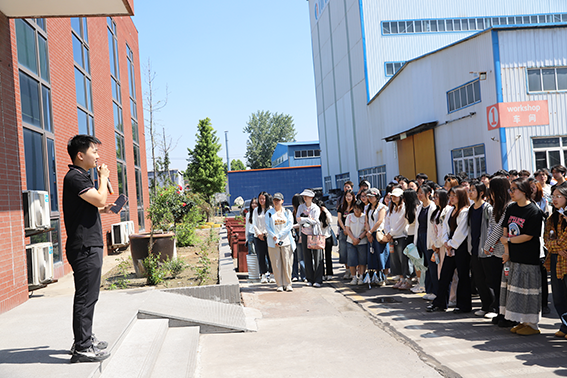
Tinhy and University of Jinan Celebrate Six Years of Industry–University Collaboration
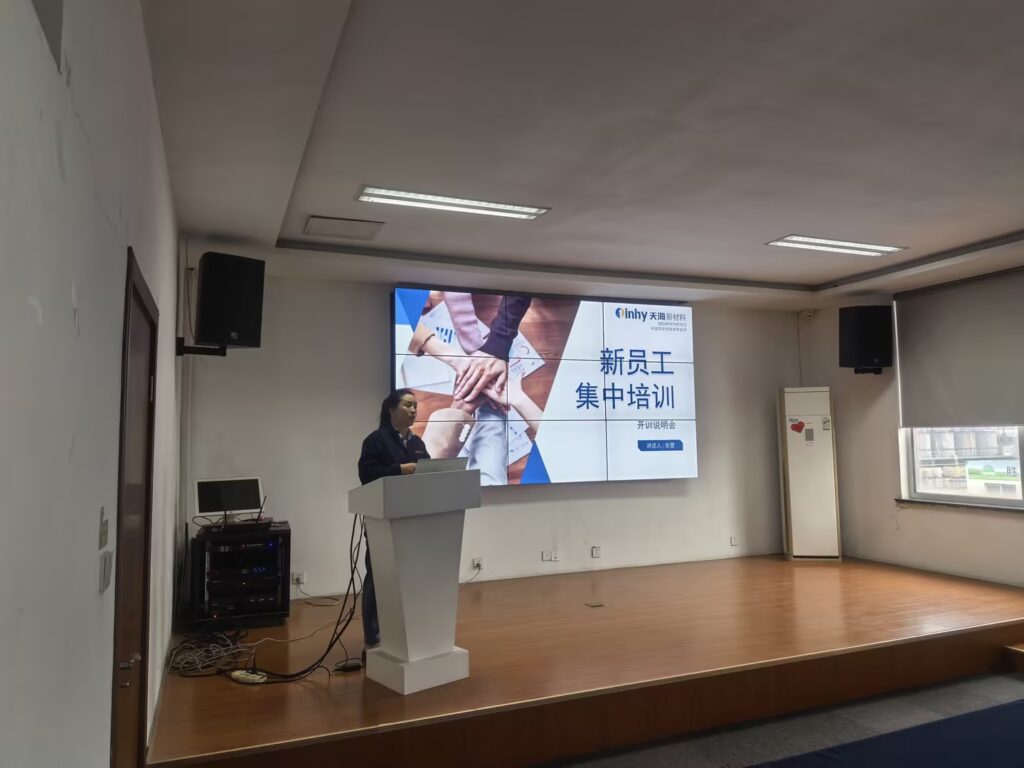
Empowering New Talent, Building the Future: Tinhy Successfully Conducts New Employee Orientation Training
Tinhy Conducts Comprehensive Emergency Drill to Strengthen Workplace Safety Defenses
Company Mid – Year Summary and Team – Building Activity Report
Is geomembrane a geotechnical engineering material?
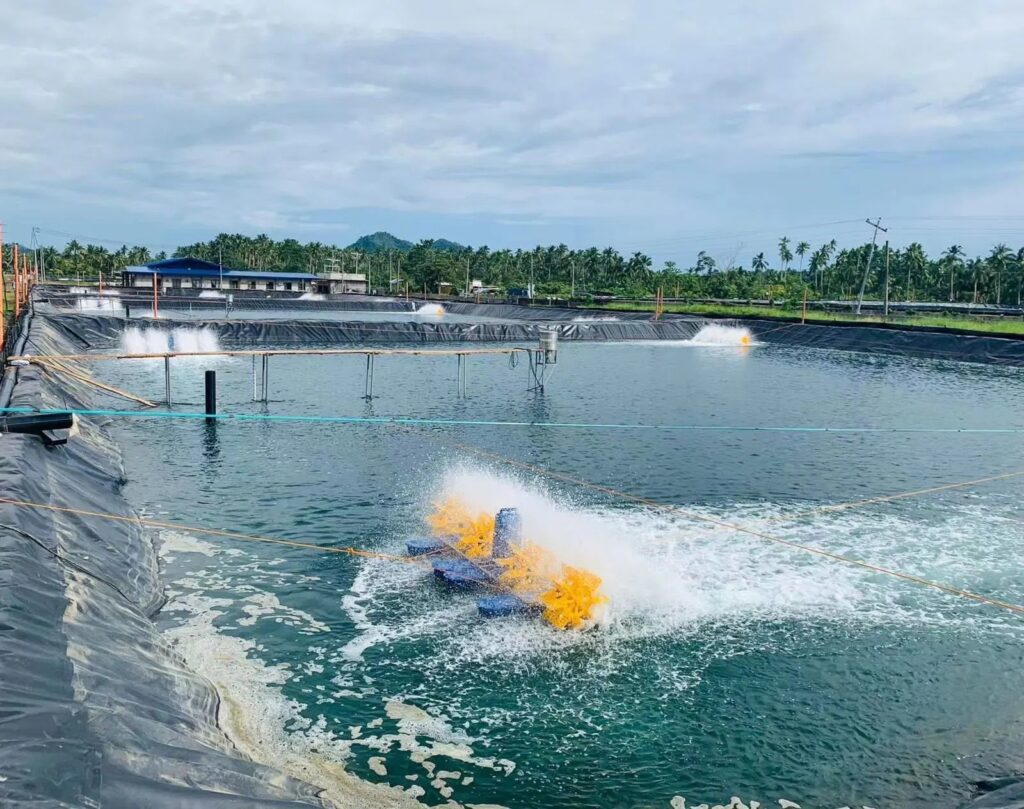
What are the application scenarios of geomembrane?
What are the functions of geotextiles?
Cómo elegir geomembrana de hdpe en proyectos de ingeniería
How to choose hdpe geomembrane in engineering projects
China’s Geotechnical Construction Materials Embrace New Opportunities
Tips for Moisture-Proof Storage of Geotextiles
Key Construction Points and Precautions for High-Density Polyethylene Geomembrane
what is pond lining material ?
What is geomembrane?
HDPE geomembrane construction plans and technical measures
What quality tests do HDPE geomembranes need to do?
Tinhy’s MDS® Drainage Solution
Installation Robots
HDPE vs LLDPE Geomembrane for Pond Lining: Which Should You Choose?
HDPE Geomembrane Raw Materials: How Resin Quality Affects Liner Performance
How to Verify a Geomembrane Manufacturer in China: A Factory Audit Checklist
Geomembrane Roll Width and Panel Layout: How to Reduce Seams and Installation Waste
Geocell Specifications and Technical Data Sheet Guide
Geocell vs Geogrid: Key Differences, Applications and Selection Guide
Geocell Retaining Walls: Design Principles, Applications and Installation Guide
Geocell for Channel Protection: Applications, Hydraulic Design Factors and Installation Guide
Geocell for Slope Protection: Design Factors, Applications and Installation Guide
Geocell for Road Construction: Applications, Benefits and Selection Guide
Should HDPE or PVC be used to install geomembrane in reservoirs?
What is the price of geomembrane?
Material characteristics of three different geomembranes
Esquema de construcción de geomembrana de HDPE y medidas técnicas
hdpe geomembrane pond liner in Congo (DRC)
How to lay and weld HDPE geomembrane?
HDPE geomembrane 0.2-4.0mm
HOME ABOUT PRODUCTS APPLICATION CONTENTUS RESOURCES
Home Resources Knowledge Base HDPE vs LLDPE Geomembrane for Pond Lining: Which Should You Choose?

HDPE vs LLDPE Geomembrane for Pond Lining: Which Should You Choose?

time:November 26, 2026 Views:1

Choosing the right geomembrane is an important decision when building a fish pond, shrimp farm, irrigation reservoir or agricultural water storage facility.

HDPE (High-Density Polyethylene) and LLDPE (Linear Low-Density Polyethylene) are two commonly used polyethylene geomembrane materials. Both provide low-permeability barriers that help reduce water loss and prevent unwanted liquid migration.

However, they have different mechanical characteristics. HDPE is generally known for its stiffness, chemical resistance and strong mechanical properties, while LLDPE offers greater flexibility and elongation, making it easier to conform to irregular surfaces in many applications.

So, which material is better for pond lining?

The answer depends on pond geometry, subgrade conditions, expected ground movement, installation requirements, water quality considerations and project budget.

This guide compares HDPE and LLDPE geomembranes for pond applications and explains how to select a suitable liner for your project.

1. What Is an HDPE Pond Liner?

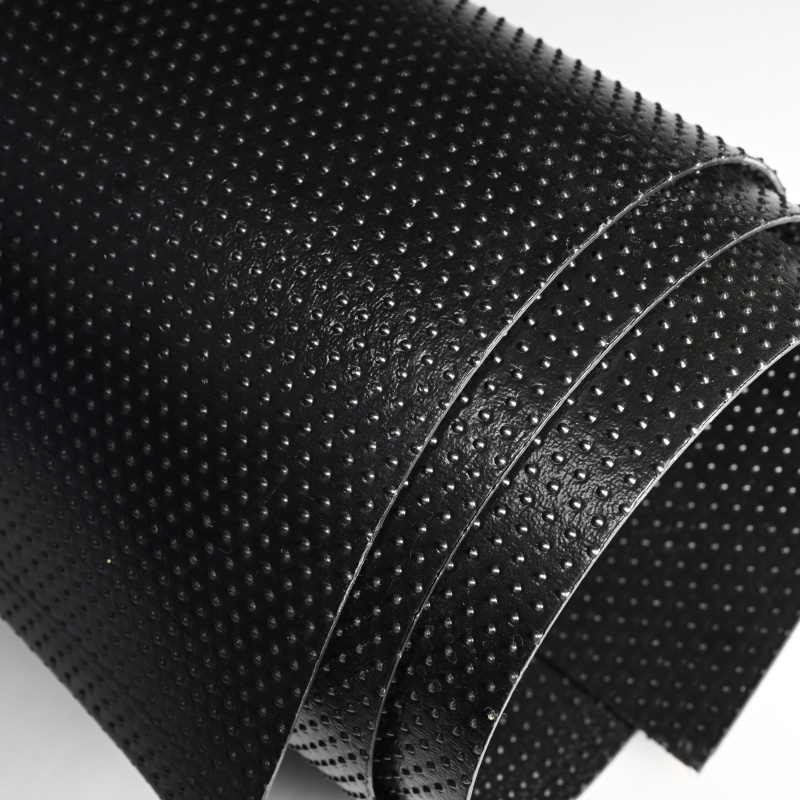
HDPE pond liner is a synthetic impermeable membrane manufactured primarily from high-density polyethylene resin.

It is widely used in:

  • Agricultural irrigation ponds
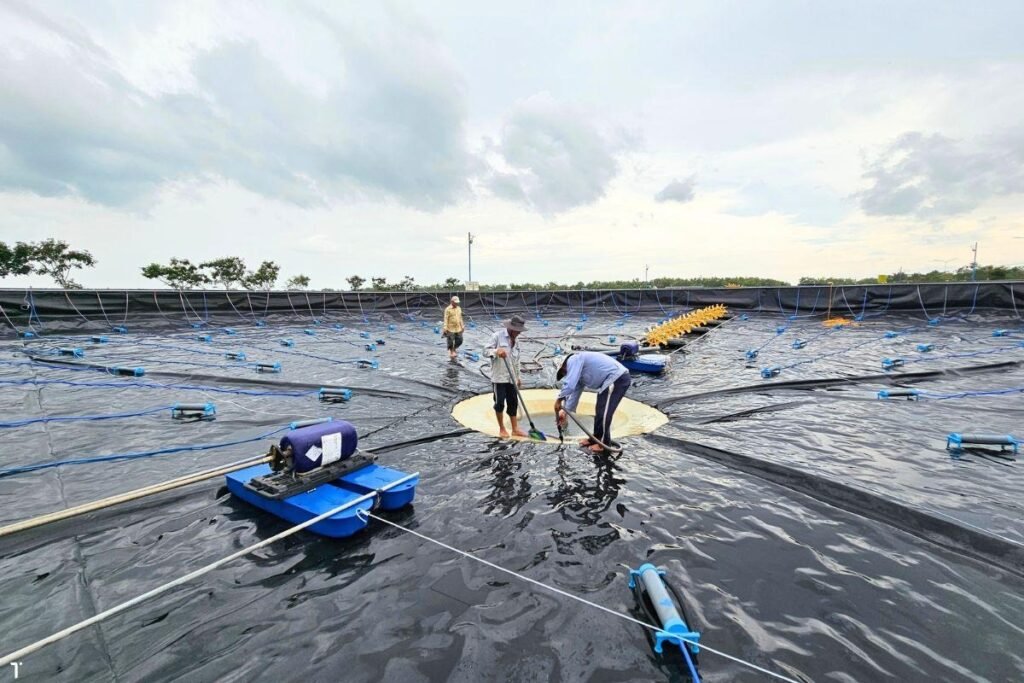
  • Fish and shrimp farming ponds
  • Water storage reservoirs
  • Wastewater treatment ponds
  • Industrial water containment
  • Mining water storage facilities

HDPE geomembranes are available in different thicknesses and surface configurations, including smooth and textured products.

Main Characteristics of HDPE Pond Liners

1. Chemical Resistance

HDPE offers resistance to many chemicals and environmental substances. Its suitability for a particular pond depends on the liquid composition, concentration, temperature and exposure conditions.

2. Mechanical Strength

HDPE geomembranes provide well-established tensile, tear and puncture performance when manufactured to the required specifications.

3. UV Resistance

Properly formulated black HDPE geomembranes generally offer good resistance to outdoor UV exposure. Actual performance depends on carbon black content and dispersion, antioxidant formulation and relevant durability testing.

4. Weldability

HDPE geomembranes can be joined using thermal welding methods, including hot wedge welding and extrusion welding, according to the approved installation procedure.

HDPE is often considered for larger containment projects where chemical resistance, mechanical properties and established engineering specifications are important.

2. What Is an LLDPE Pond Liner?

LLDPE pond liner is manufactured from linear low-density polyethylene resin.

Compared with conventional HDPE geomembranes, LLDPE generally offers greater flexibility and elongation.

This makes it useful for pond projects involving:

  • Irregular pond shapes
  • Uneven ground surfaces
  • Complex corners and transitions
  • Areas with potential differential settlement
  • Applications requiring greater membrane deformation capacity

Main Characteristics of LLDPE Pond Liners

1. Greater Flexibility

LLDPE can conform more easily to irregular pond surfaces and complex geometries in many applications.

2. High Elongation

LLDPE generally offers higher elongation characteristics than conventional HDPE products. This can be beneficial where the liner needs to accommodate deformation.

3. Installation Adaptability

Its flexibility may make handling and positioning easier in certain pond configurations, although roll dimensions, thickness, temperature and site conditions also matter.

4. Low Permeability

LLDPE provides an effective liquid barrier when the product is properly manufactured, installed and protected.

LLDPE is therefore worth considering for pond projects where flexibility and conformity to the subgrade are important design considerations.

3. HDPE vs LLDPE Pond Liner: Key Differences

The following table summarizes their general characteristics.

Comparison HDPE Geomembrane LLDPE Geomembrane
Polymer type High-density polyethylene Linear low-density polyethylene
Flexibility Generally stiffer Generally more flexible
Elongation Generally lower Generally higher
Chemical resistance Excellent for many applications Good for many applications; verify compatibility
UV resistance Depends on formulation and testing Depends on formulation and testing
Mechanical properties Strong and well-established Depends on formulation and product specification
Surface options Smooth and textured Smooth and textured, subject to availability
Installation Requires proper handling and welding Can be easier to conform to irregular surfaces
Typical applications Large containment and demanding projects Flexible containment and irregular pond surfaces

These are general material characteristics, not guaranteed performance values for every product.

For an accurate comparison, request technical data sheets for the same thickness and review the relevant test results.

4. Which Material Is Better for Different Pond Applications?

4.1 Fish Farming Ponds

Fish farming ponds require a liner that provides effective water containment while remaining suitable for the operating environment.

Both HDPE and LLDPE can be considered.

HDPE may be suitable for larger pond systems where the subgrade is properly prepared and mechanical durability is an important consideration.

LLDPE may be advantageous where pond geometry is irregular or greater flexibility is required during installation.

For aquaculture projects, buyers should also consider:

  • Water quality requirements
  • Chemical exposure
  • Cleaning and maintenance procedures
  • Pond drainage design
  • Subgrade preparation
  • Protection against mechanical damage

The liner material alone does not guarantee fish health or water quality. These also depend on water management, feed, filtration, pond operation and other environmental conditions.

4.2 Shrimp Farming Ponds

Shrimp ponds often require large lined areas, including pond bottoms, slopes and perimeter details.

HDPE may be considered for large-scale pond construction where the design requires defined mechanical and durability properties.

LLDPE may be suitable where flexibility and adaptation to pond geometry are priorities.

When selecting a liner, consider:

  • Pond dimensions
  • Soil conditions
  • Groundwater conditions
  • Slope configuration
  • Required thickness
  • UV exposure
  • Installation and welding arrangements

The selected product should meet the project’s technical requirements rather than being chosen solely by material name.

4.3 Irrigation Ponds and Water Reservoirs

Irrigation ponds and reservoirs are often designed to store significant quantities of water over extended periods.

HDPE can be a suitable option for large containment structures requiring chemical resistance and defined mechanical performance.

LLDPE may be preferred where the pond has irregular geometry or where flexibility is an important consideration.

The selection should also account for water depth, subgrade conditions, slope stability, protection layers and anchorage details.

4.4 Small Agricultural Ponds

For smaller agricultural ponds, installation convenience and total project cost may be important considerations.

LLDPE can offer advantages when the pond has irregular shapes or complex transitions.

HDPE may also be suitable where the installation surface is properly prepared and the required product specifications are met.

Neither material is automatically the most economical choice for every small pond.

5. How to Choose the Right Thickness for Pond Liners

Thickness is another important factor when comparing HDPE and LLDPE pond liners.

Commonly available product thicknesses vary by manufacturer and product specification.

For example, Tinhy’s product catalog lists both HDPE and LLDPE geomembranes in different thickness configurations. The appropriate thickness must be confirmed against the current product data sheet.

When selecting thickness, consider:

Pond Size and Water Depth

Larger ponds and deeper water storage facilities may require more careful evaluation of the liner system, including mechanical protection and installation conditions.

Subgrade Conditions

Rough ground, stones, roots and uneven surfaces can increase the risk of liner damage.

Proper grading, compaction and protective geotextile may be required.

Installation Conditions

The selected thickness should be compatible with handling, deployment, welding and project quality requirements.

Project Specifications

For engineered containment projects, thickness should follow the approved design and applicable product specification.

Do not select a liner based only on a general thickness recommendation or the lowest quotation.

For more information, read our HDPE Geomembrane Thickness Selection Guide.

6. Installation Differences Between HDPE and LLDPE

Both HDPE and LLDPE geomembranes require proper installation procedures to achieve reliable containment performance.

Subgrade Preparation

Before installing either material:

  1. Remove sharp objects and debris.
  2. Prepare and compact the subgrade according to the project requirements.
  3. Check the surface for irregularities.
  4. Install protective geotextile where required.
  5. Confirm drainage and anchorage arrangements.

Panel Deployment

LLDPE’s greater flexibility may make it easier to position around irregular pond shapes and complex transitions.

HDPE requires appropriate handling and panel planning to avoid excessive stress, wrinkles and damage.

Both materials require suitable deployment equipment and installation practices.

Welding

HDPE and LLDPE can be thermally welded, but welding parameters and procedures must be appropriate for the material, thickness and equipment.

Before production welding, the installation team should conduct trial welds and verify the welding conditions.

Seam quality should be checked using the applicable inspection and testing procedures.

Never assume that identical welding settings are suitable for all geomembrane materials and thicknesses.

7. HDPE vs LLDPE Pond Liner Cost

The price of a geomembrane depends on more than its polymer type.

Important cost factors include:

  • Material formulation
  • Thickness
  • Roll width and length
  • Surface configuration
  • Order quantity
  • Manufacturing specifications
  • Packaging
  • Shipping distance
  • Installation requirements

HDPE and LLDPE prices should be compared using equivalent specifications.

A lower price per square meter does not necessarily mean a lower total project cost.

For a fair comparison, evaluate the material cost, installation labor, welding requirements, protection layers, transportation and potential construction waste.

For bulk orders, request quotations from manufacturers based on the same thickness, roll dimensions and technical requirements.

8. HDPE or LLDPE: A Practical Selection Guide

Use the following general guide when discussing material options with your supplier.

Project Condition Material to Consider
Large engineered containment HDPE or LLDPE, according to design
Irregular pond geometry LLDPE may offer installation advantages
Uneven subgrade LLDPE may accommodate deformation more readily
Chemical containment Evaluate HDPE and LLDPE compatibility against the actual liquid
Large irrigation reservoir Both materials may be suitable
Shrimp farming pond Both materials may be suitable
Project requiring higher flexibility LLDPE is worth evaluating
Project with strict mechanical specifications Compare actual product test results

This table is a preliminary selection aid, not an engineering design recommendation.

The final material should be selected based on project conditions, design requirements and verified product properties.

9. What Should Buyers Ask a Geomembrane Manufacturer?

Before ordering HDPE or LLDPE pond liners, request the following information:

  1. What polymer material is used?
  2. What thicknesses are available?
  3. What are the tensile and elongation properties?
  4. What are the puncture and tear resistance values?
  5. Are smooth and textured surfaces available?
  6. What roll widths and lengths can be supplied?
  7. Are product test reports available?
  8. What welding procedures are recommended?
  9. Can customized roll dimensions be provided?
  10. What is the production lead time and shipping arrangement?

A professional supplier should be able to provide technical data sheets and clarify the product’s suitability for the intended application.

Frequently Asked Questions

Is HDPE or LLDPE better for pond liners?

Neither material is universally better. HDPE generally offers greater stiffness and strong mechanical and chemical resistance characteristics, while LLDPE generally provides greater flexibility and elongation. The right choice depends on pond geometry, soil conditions, design requirements and installation methods.

Is LLDPE more flexible than HDPE?

Generally, yes. LLDPE geomembranes usually have greater flexibility and elongation than conventional HDPE geomembranes. Actual properties vary according to formulation, thickness and manufacturing process.

Can HDPE and LLDPE geomembranes be used for fish ponds?

Both can be used in fish pond projects when the selected product meets the project requirements. Water quality, chemical compatibility, subgrade preparation and installation quality should also be considered.

Which geomembrane is better for irregular pond shapes?

LLDPE is often worth considering because of its greater flexibility and ability to conform to irregular surfaces. However, panel dimensions, thickness, installation methods and subgrade preparation remain important.

Can HDPE and LLDPE geomembranes be welded?

Both materials can be joined using suitable thermal welding equipment and procedures. Welding parameters must be established through trial welds and verified for the actual material and thickness.

Does a thicker pond liner always last longer?

Not necessarily. Thickness is only one factor affecting durability. Material formulation, puncture protection, subgrade conditions, UV exposure, installation quality and operating conditions also influence performance.

Can I use the same thickness for HDPE and LLDPE?

Not automatically. Products with the same nominal thickness can have different mechanical characteristics. Compare the actual technical data sheets and select thickness according to the project design.

Conclusion

HDPE and LLDPE geomembranes are both effective options for pond lining when selected and installed according to project requirements.

HDPE is widely considered for demanding containment applications where mechanical properties and chemical resistance are important. LLDPE is particularly useful when greater flexibility and conformity to irregular pond surfaces are needed.

For fish farms, shrimp ponds, irrigation reservoirs and agricultural water storage projects, the best choice depends on the actual site conditions rather than material name alone.

TINHY Geosynthetics supplies HDPE and LLDPE geomembranes for international water containment, aquaculture, agriculture, mining and environmental engineering projects.

Contact our team with your pond dimensions, required thickness, estimated quantity and destination country to request product specifications and a quotation.

Need an HDPE or LLDPE pond liner? Contact TINHY Geosynthetics for technical information and bulk supply.

Knowledge Base
Share:
info@tinhygeosynthetics.com Bai Jinxi
Consultation

    Get The Latest Product Prices

    Your inquiries are welcomed at any time and please feel free to contact us via email, phone calls, and online chatbox on our site.

    We will definitely give you a reply ASAP after we receive your messages.

      0/180