Resources
Company News
Industry News
Knowledge Base
Project Cases
Innovation
Team Power Fuels TINHY’s Global Geosynthetics Solutions

Tinhy and University of Jinan Celebrate Six Years of Industry–University Collaboration
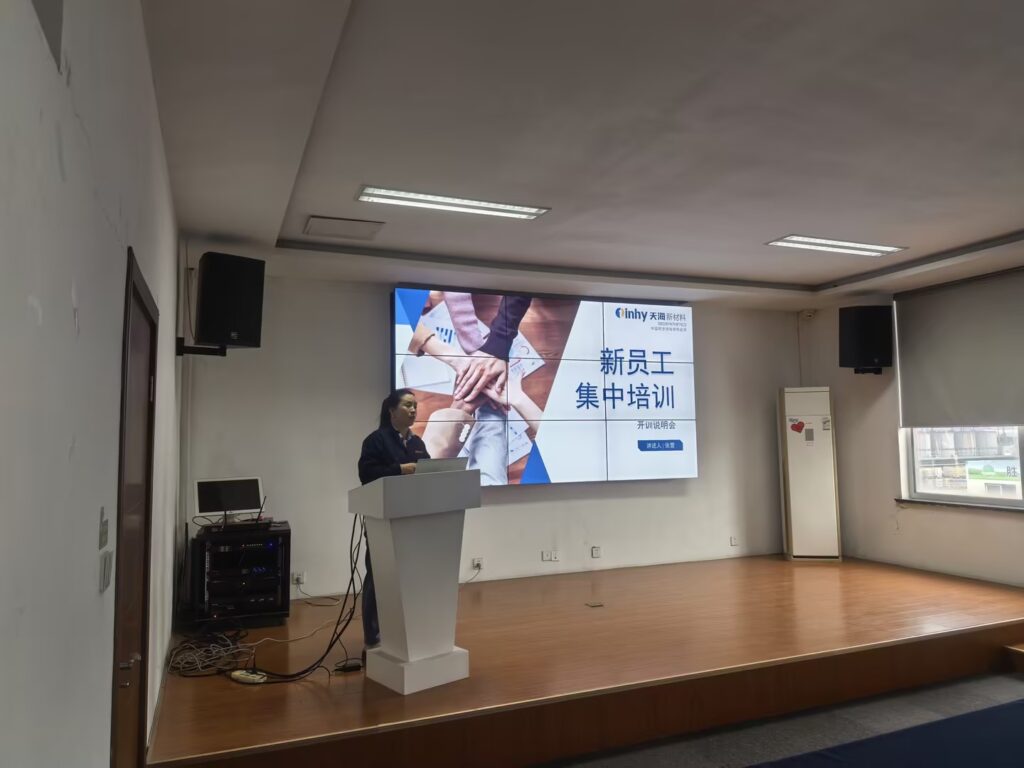
Empowering New Talent, Building the Future: Tinhy Successfully Conducts New Employee Orientation Training

Tinhy Conducts Comprehensive Emergency Drill to Strengthen Workplace Safety Defenses
Company Mid – Year Summary and Team – Building Activity Report
Is geomembrane a geotechnical engineering material?
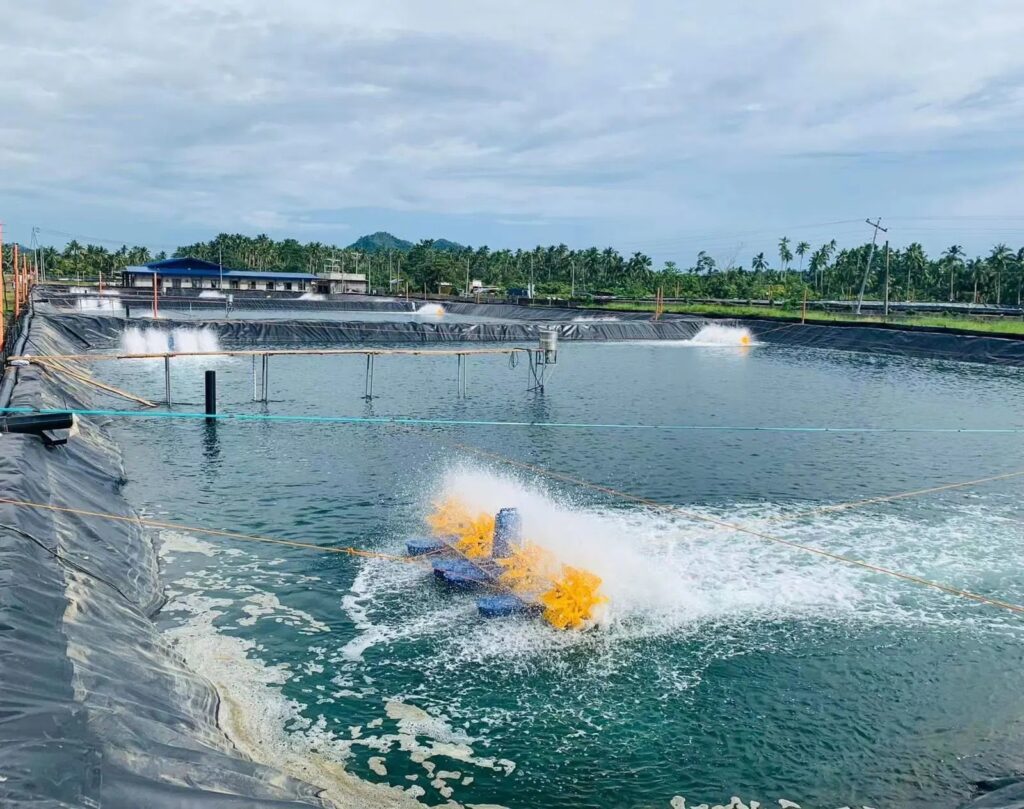
What are the application scenarios of geomembrane?
What are the functions of geotextiles?
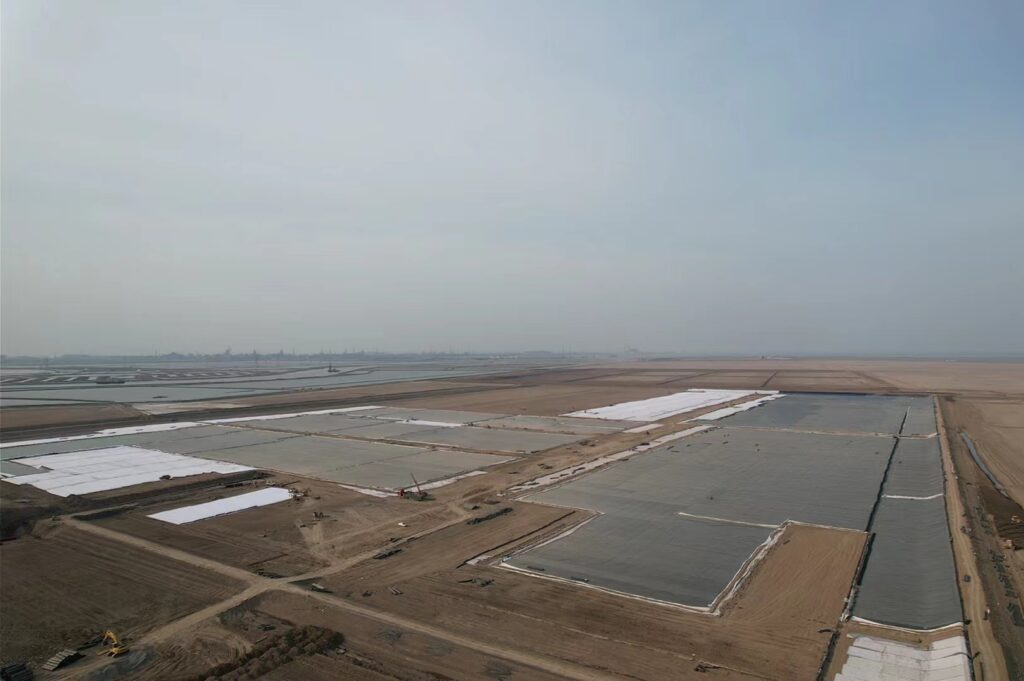
Cómo elegir geomembrana de hdpe en proyectos de ingeniería
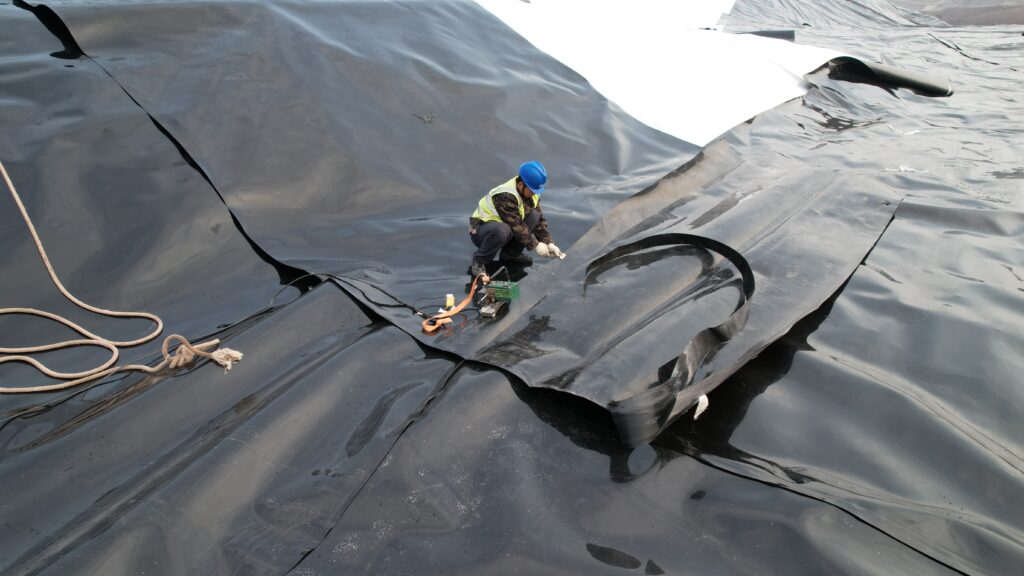
How to choose hdpe geomembrane in engineering projects
China’s Geotechnical Construction Materials Embrace New Opportunities
Tips for Moisture-Proof Storage of Geotextiles
Key Construction Points and Precautions for High-Density Polyethylene Geomembrane
what is pond lining material ?
What is geomembrane?
HDPE geomembrane construction plans and technical measures

What quality tests do HDPE geomembranes need to do?
Tinhy’s MDS® Drainage Solution
Installation Robots
How Much Does Geogrid Cost? A Complete Guide to Geogrid Pricing and Selection
Textured HDPE Geomembrane: 8 Powerful Benefits and Applications for Slope & Containment Projects
4 oz Non Woven Geotextile: 7 Powerful Benefits, Applications and Buying Guide
40 mil LLDPE Liner: 7 Powerful Applications, Benefits and Selection Guide
Pond Liner Cost Per Square Foot: 7 Powerful Factors That Affect Price and Selection
LDPE Sheet 500 Micron Price: Ultimate Guide to Cost, Applications and Smart Buying
Non Woven Geotextile Landscape Fabric: 8 Powerful Benefits and Complete Selection Guide
Geotextile 120g m²: Complete Guide to Applications, Benefits and Selection
HDPE Landfill Liner: Complete Guide to Selection, Installation and Benefits
2mm HDPE Geomembrane Review: Technical Specifications, Applications, and Top Supplier Guide
Should HDPE or PVC be used to install geomembrane in reservoirs?
What is the price of geomembrane?
Material characteristics of three different geomembranes
Esquema de construcción de geomembrana de HDPE y medidas técnicas
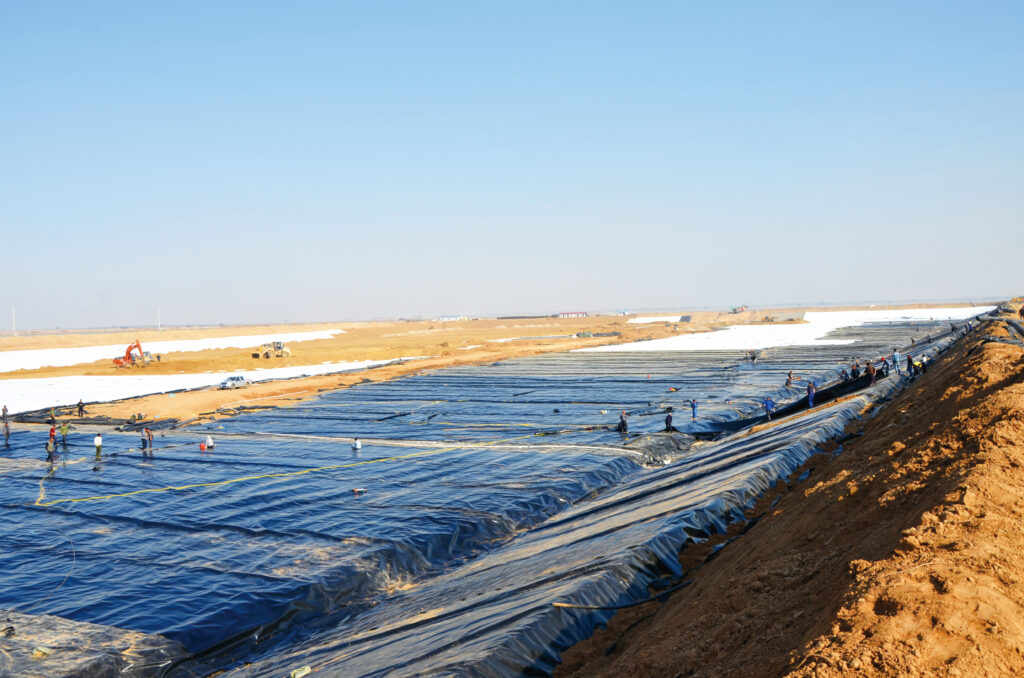
hdpe geomembrane pond liner in Congo (DRC)
How to lay and weld HDPE geomembrane?
HDPE geomembrane 0.2-4.0mm
HOME ABOUT PRODUCTS APPLICATION CONTENTUS RESOURCES
Home Resources Knowledge Base How Much Does Geogrid Cost? A Complete Guide to Geogrid Pricing and Selection

How Much Does Geogrid Cost? A Complete Guide to Geogrid Pricing and Selection

time:August 08, 2026 Views:7

When planning road construction, slope reinforcement, retaining walls, mining infrastructure, or ground stabilization projects, one of the most common questions from engineers and contractors is: How much does geogrid cost?

Geogrid is an essential geosynthetic reinforcement material designed to improve soil stability, increase bearing capacity, reduce settlement, and extend the service life of civil engineering structures. However, the cost of geogrid is not determined by a single factor. Material type, tensile strength, polymer quality, manufacturing technology, project requirements, order quantity, and installation conditions all influence the final price.

At Tinhy Geosynthetics, we manufacture and supply high-quality geogrid solutions for global infrastructure projects, including highways, railways, retaining walls, mining roads, embankments, and soft soil stabilization applications. This guide explains the main factors affecting geogrid cost and how to select the most economical solution without compromising engineering performance.

What Is Geogrid?

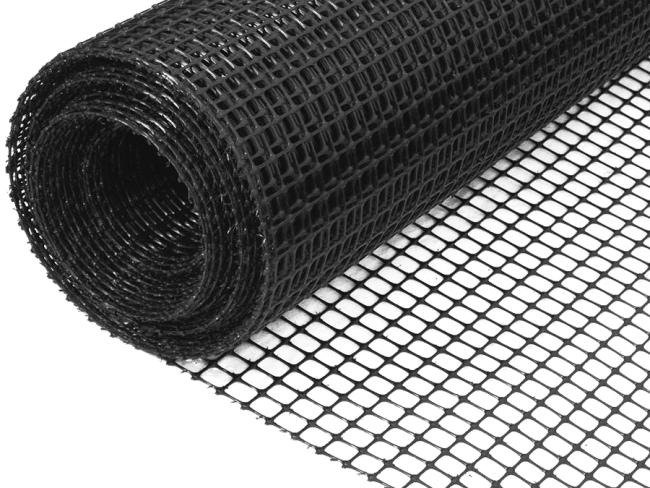
Geogrid is a planar polymeric geosynthetic material with an open grid structure that improves the mechanical properties of soil through interlocking and load distribution.

Unlike traditional reinforcement materials, geogrids do not replace soil. Instead, they work together with surrounding soil particles. The apertures allow aggregate or soil particles to lock into the grid structure, creating a reinforced composite system with improved tensile resistance and reduced deformation.

Common geogrid materials include:

  • Polypropylene (PP) geogrid
  • Polyester (PET) geogrid
  • High-density polyethylene (HDPE) geogrid
  • Fiberglass geogrid

Different materials provide different levels of strength, durability, chemical resistance, and long-term performance, which directly influence the cost.

How Much Does Geogrid Cost?

The price of geogrid usually ranges from approximately $0.20–$3.00 per square meter, depending on product type, strength grade, raw materials, and order volume.

However, the lowest unit price is not always the most economical choice. A geogrid that is unsuitable for the project conditions may lead to excessive deformation, maintenance costs, or even structural failure.

The total project investment should consider:

  • Material purchase cost
  • Transportation cost
  • Installation cost
  • Supporting materials
  • Maintenance requirements
  • Expected service life

A high-quality geogrid solution can significantly reduce long-term construction expenses.

Key Factors That Affect Geogrid Cost

1. Material Type and Polymer Quality

The raw material is one of the most important factors affecting geogrid pricing.

Polypropylene (PP) Geogrid

PP geogrid is widely used for road base reinforcement, pavement improvement, and soil stabilization projects.

Advantages:

  • Lightweight
  • Good chemical resistance
  • Cost-effective
  • Easy installation

Because of its balanced performance and affordable price, PP geogrid is commonly selected for medium-load applications.

Polyester (PET) Geogrid

PET geogrid is designed for applications requiring higher tensile strength and low creep performance.

Typical applications include:

  • Mechanically stabilized earth (MSE) walls
  • Reinforced slopes
  • Large embankments

PET geogrids generally have a higher cost because they provide:

  • Higher tensile strength
  • Better long-term load resistance
  • Superior creep resistance

HDPE Geogrid

HDPE geogrids offer excellent chemical resistance and durability.

They are commonly used in:

  • Mining roads
  • Waste containment facilities
  • Industrial projects

The use of high-quality virgin HDPE resin increases manufacturing costs but provides better long-term reliability.

2. Tensile Strength Determines Geogrid Price

Geogrid cost is strongly related to tensile strength.

Common strength grades include:

  • 20 kN/m
  • 30 kN/m
  • 50 kN/m
  • 80 kN/m
  • 100 kN/m
  • 150 kN/m or higher

Higher-strength geogrids require:

  • More polymer materials
  • Advanced manufacturing processes
  • Higher quality control standards

For example:

A low-strength PP biaxial geogrid may be suitable for driveway reinforcement, while a high-strength PET uniaxial geogrid may be required for a 20-meter-high reinforced retaining wall.

Choosing the correct strength grade prevents unnecessary cost caused by over-specification.

3. Geogrid Structure and Manufacturing Technology

The manufacturing process also affects the final price.

Biaxial Geogrid

Biaxial geogrids provide similar strength in both machine direction and cross direction.

They are commonly used for:

  • Road reinforcement
  • Pavement stabilization
  • Aggregate confinement

Because of their balanced structure, they provide excellent cost performance.

Uniaxial Geogrid

Uniaxial geogrids have significantly higher tensile strength in one direction.

They are designed for:

  • Retaining walls
  • Reinforced slopes
  • Embankment reinforcement

The advanced stretching process required for uniaxial products generally increases production costs.

4. Order Quantity and Project Scale

The quantity purchased has a major impact on geogrid price.

Large infrastructure projects usually receive lower unit prices because:

  • Production efficiency improves
  • Packaging costs decrease
  • Transportation becomes more economical

For example:

  • Small trial orders may have higher costs per square meter
  • Full container orders usually receive factory-direct pricing

At Tinhy Geosynthetics, we provide customized production solutions based on project requirements, including different roll widths, tensile strengths, and packaging methods.

5. Certification and Quality Standards

Reliable geogrid suppliers invest heavily in:

  • Raw material inspection
  • Production control
  • Laboratory testing
  • Third-party certification

Quality indicators include:

  • Tensile strength
  • Junction efficiency
  • Creep resistance
  • UV resistance
  • Dimensional stability

Certified geogrids may have a slightly higher initial price but help reduce project risks and future maintenance costs.

Geogrid Cost by Application

Different applications require different geogrid specifications.

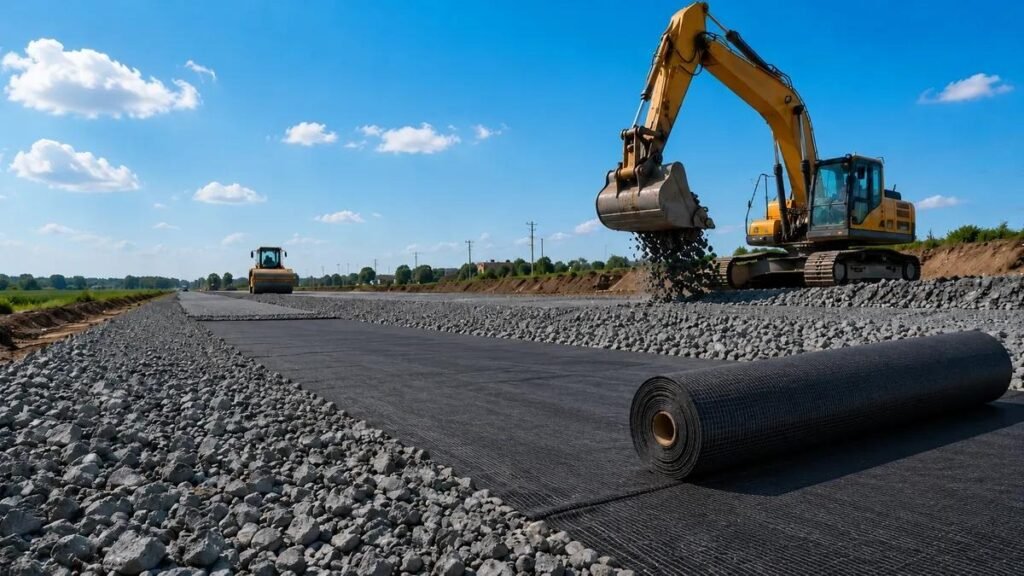
Road Construction

For highways and pavement reinforcement, cost-effective biaxial PP geogrids are commonly selected.

Benefits:

  • Reduce aggregate thickness
  • Improve load distribution
  • Minimize rutting and cracking

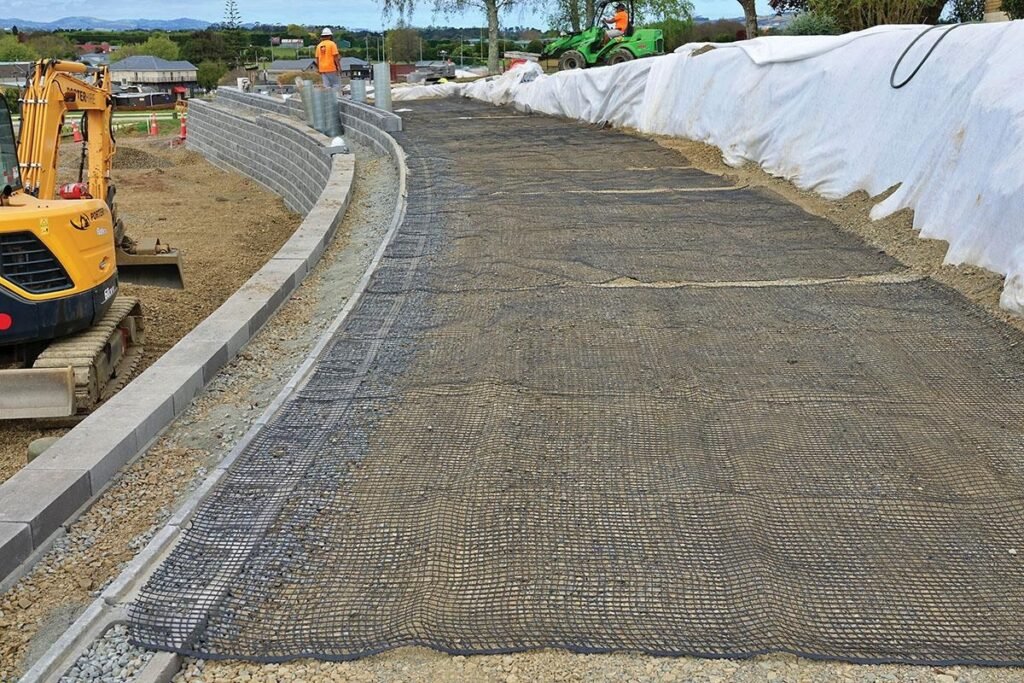
Retaining Walls

Retaining wall projects usually require high-strength uniaxial PET geogrids.

Although the material cost is higher, reinforced walls can reduce:

  • Concrete usage
  • Excavation requirements
  • Construction time

Slope Stabilization

Slope reinforcement requires geogrids with excellent tensile strength and long-term durability.

The correct geogrid helps:

  • Prevent soil movement
  • Improve slope stability
  • Control erosion

Mining Applications

Mining roads and platforms often require heavy-duty geogrids because of:

  • High vehicle loads
  • Difficult soil conditions
  • Long operating periods

Chemical resistance and durability become important cost considerations.

Installation Costs of Geogrid

Material cost is only part of the total investment.

Installation expenses depend on:

Site Conditions

Complex terrain, steep slopes, and limited access increase labor costs.

Preparation Work

Proper soil preparation and compaction are essential for achieving maximum geogrid performance.

Construction Method

Professional installation reduces:

  • Material waste
  • Overlapping errors
  • Performance problems

Tinhy Geosynthetics provides technical guidance to help customers optimize installation procedures and improve project efficiency.

How to Choose the Most Cost-Effective Geogrid?

Choosing geogrid should not be based only on the lowest price.

A proper selection process includes:

1. Define Project Requirements

Consider:

  • Soil conditions
  • Design load
  • Reinforcement purpose
  • Expected service life

2. Select the Correct Geogrid Type

Examples:

  • Road base → PP biaxial geogrid
  • Retaining wall → PET uniaxial geogrid
  • Mining reinforcement → High-strength geogrid

3. Compare Total Lifecycle Cost

A cheaper product may require:

  • More maintenance
  • Earlier replacement
  • Additional reinforcement layers

A premium geogrid can provide better long-term value.

Why Choose Tinhy Geosynthetics Geogrid?

Tinhy Geosynthetics specializes in manufacturing and supplying advanced geosynthetic solutions worldwide.

Our geogrid products feature:

  • High-quality polymer materials
  • Stable mechanical performance
  • Customized specifications
  • Strict quality control
  • Professional technical support

With extensive experience in geotechnical engineering applications, we help customers select the right reinforcement solution based on actual project conditions.

Whether for highways, retaining walls, mining projects, or soil stabilization systems, Tinhy provides reliable geogrid solutions with competitive factory pricing.

Conclusion

So, how much does geogrid cost?

The answer depends on many factors, including material type, tensile strength, manufacturing technology, order quantity, and application requirements.

The most economical solution is not always the cheapest product. The best choice balances:

  • Initial material cost
  • Engineering performance
  • Installation efficiency
  • Long-term durability

By selecting the correct geogrid specification and working with an experienced manufacturer like Tinhy Geosynthetics, contractors and engineers can achieve reliable reinforcement performance while controlling overall project costs.

For customized geogrid specifications and project quotations, contact Tinhy Geosynthetics for professional technical support.

Knowledge Base
Share:
info@tinhygeosynthetics.com Bai Jinxi
Consultation

    Get The Latest Product Prices

    Your inquiries are welcomed at any time and please feel free to contact us via email, phone calls, and online chatbox on our site.

    We will definitely give you a reply ASAP after we receive your messages.

      0/180