Resources
Company News
Industry News
Knowledge Base
Project Cases
Innovation
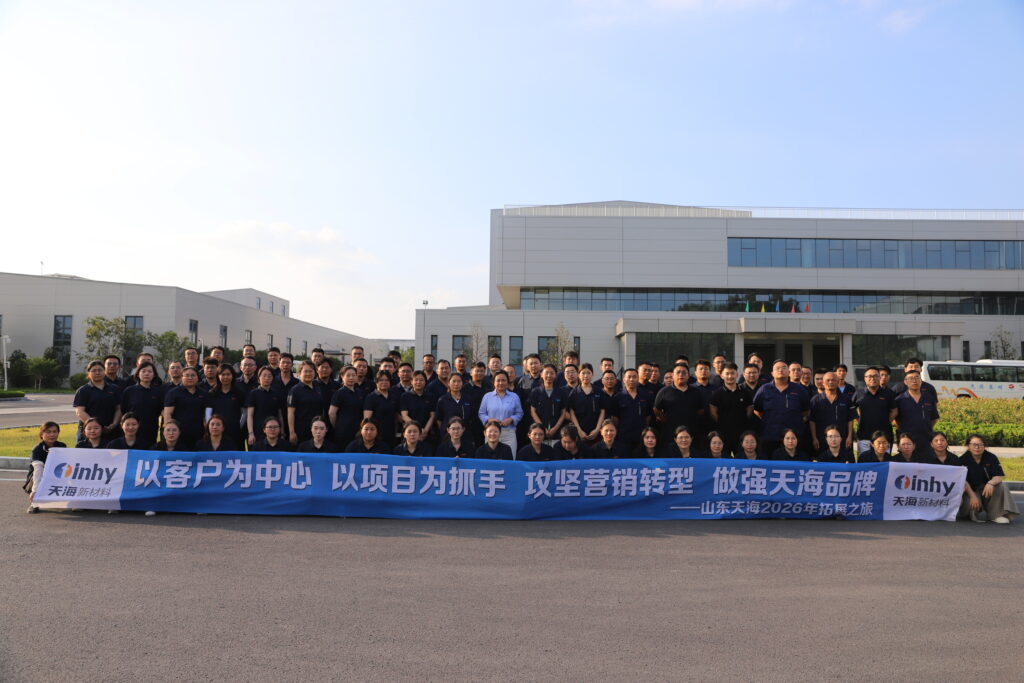
Team Power Fuels TINHY’s Global Geosynthetics Solutions
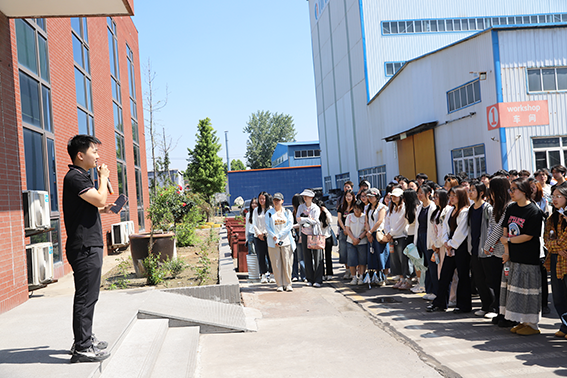
Tinhy and University of Jinan Celebrate Six Years of Industry–University Collaboration
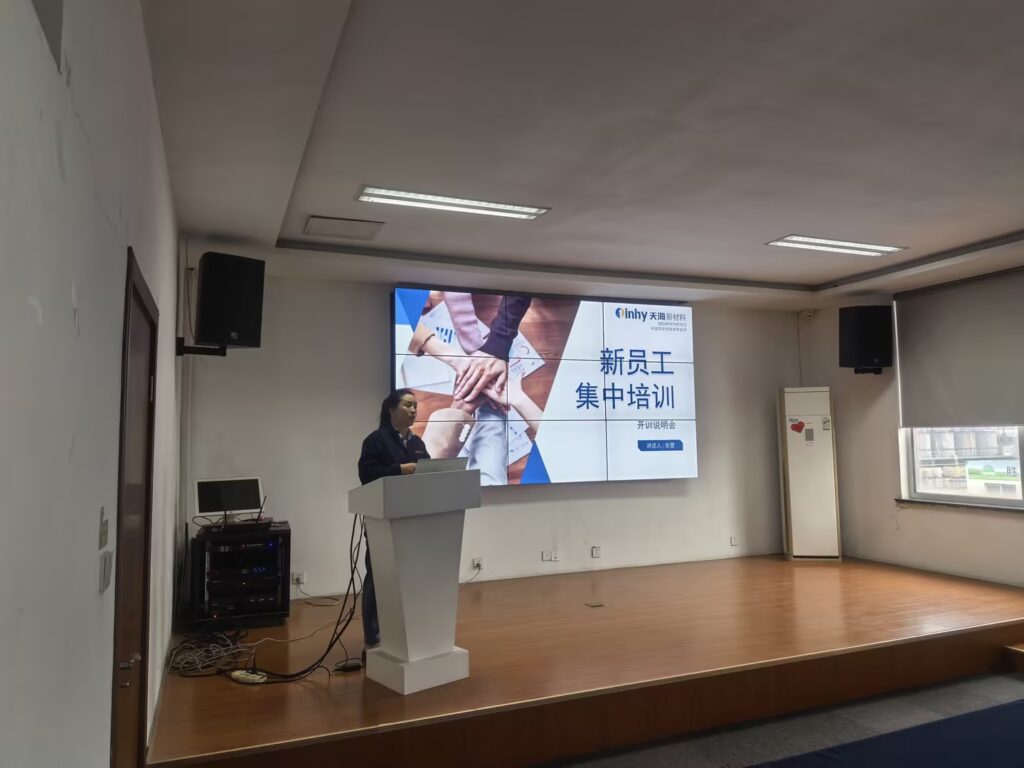
Empowering New Talent, Building the Future: Tinhy Successfully Conducts New Employee Orientation Training
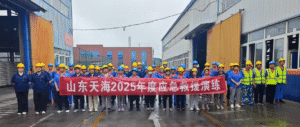
Tinhy Conducts Comprehensive Emergency Drill to Strengthen Workplace Safety Defenses
Company Mid – Year Summary and Team – Building Activity Report
Is geomembrane a geotechnical engineering material?
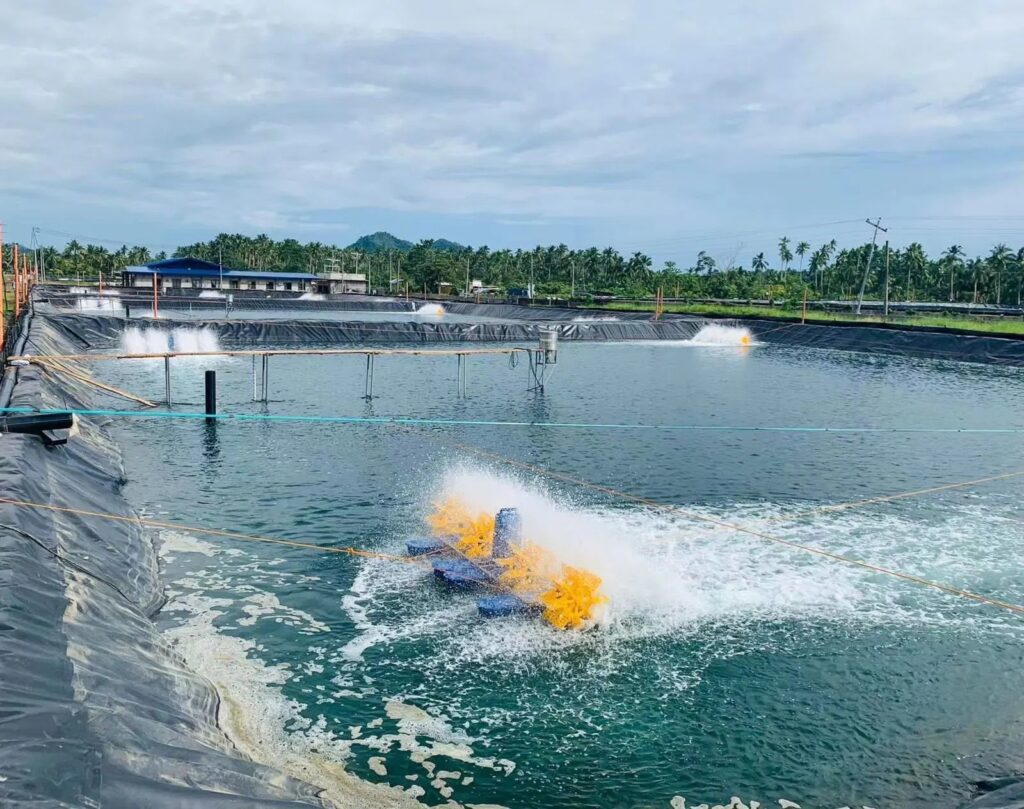
What are the application scenarios of geomembrane?
What are the functions of geotextiles?
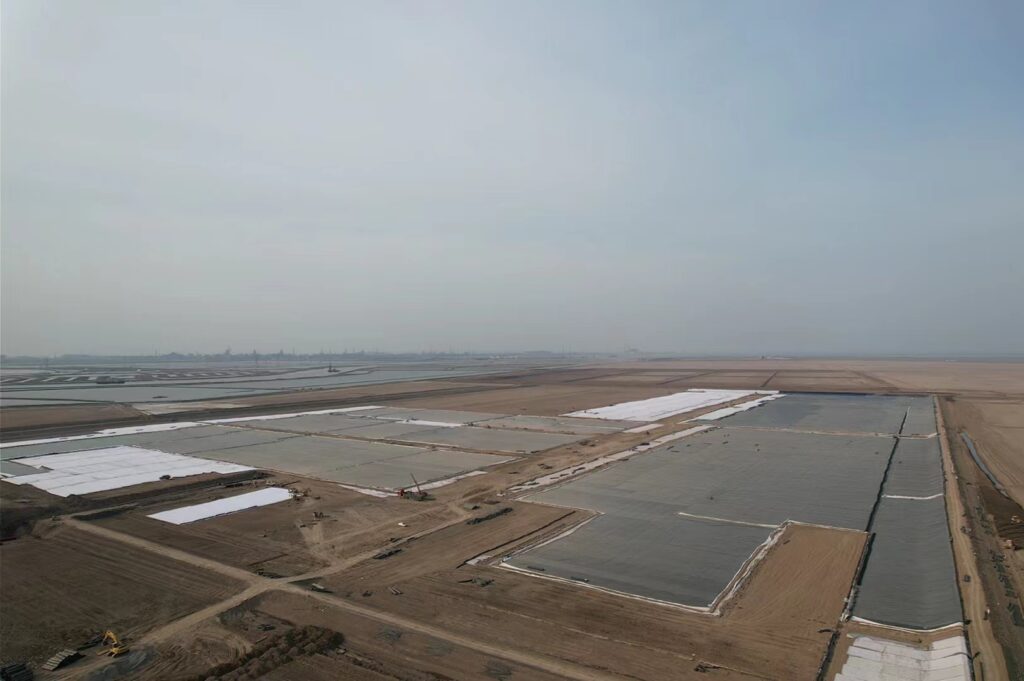
Cómo elegir geomembrana de hdpe en proyectos de ingeniería
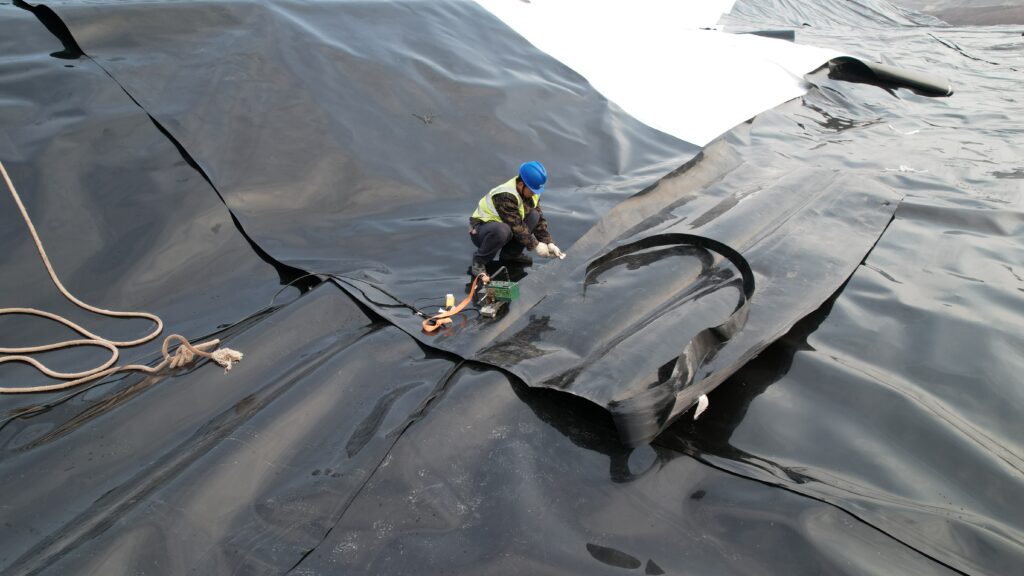
How to choose hdpe geomembrane in engineering projects
China’s Geotechnical Construction Materials Embrace New Opportunities
Tips for Moisture-Proof Storage of Geotextiles
Key Construction Points and Precautions for High-Density Polyethylene Geomembrane
what is pond lining material ?
What is geomembrane?
HDPE geomembrane construction plans and technical measures
What quality tests do HDPE geomembranes need to do?
Tinhy’s MDS® Drainage Solution
Installation Robots
Wastewater Treatment Pond Liner Systems: Single, Composite and Double Liner Options
HDPE vs LLDPE Geomembrane for Pond Lining: Which Should You Choose?
HDPE Geomembrane Raw Materials: How Resin Quality Affects Liner Performance
How to Verify a Geomembrane Manufacturer in China: A Factory Audit Checklist
Geomembrane Roll Width and Panel Layout: How to Reduce Seams and Installation Waste
Geocell Specifications and Technical Data Sheet Guide
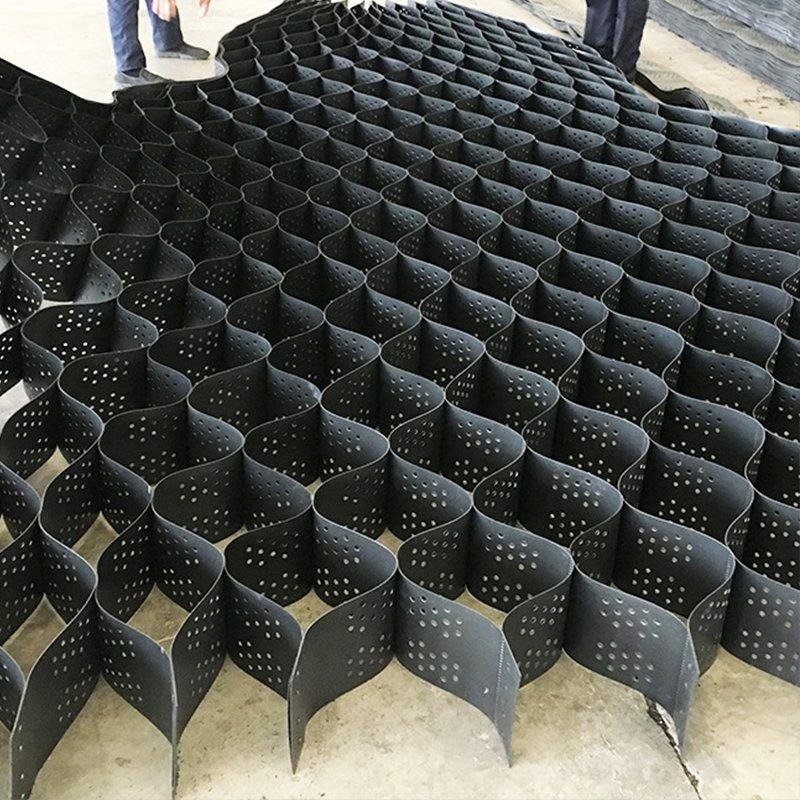
Geocell vs Geogrid: Key Differences, Applications and Selection Guide
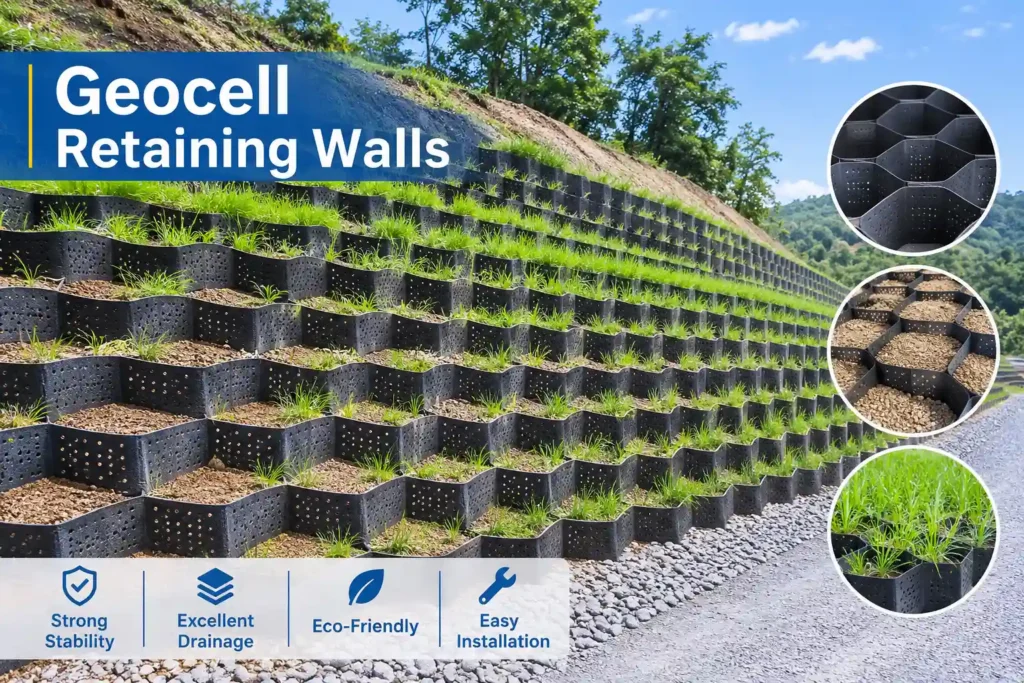
Geocell Retaining Walls: Design Principles, Applications and Installation Guide
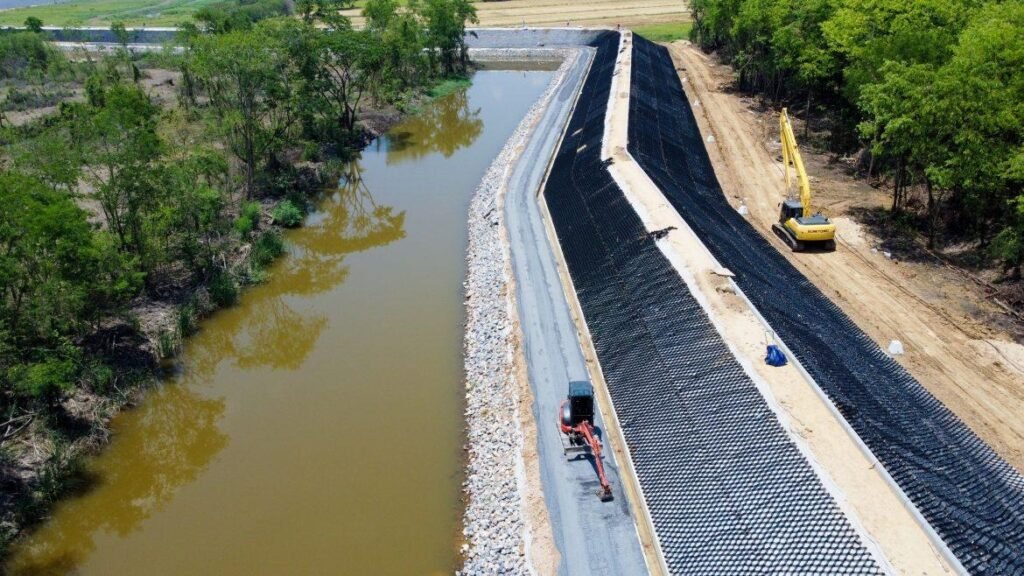
Geocell for Channel Protection: Applications, Hydraulic Design Factors and Installation Guide
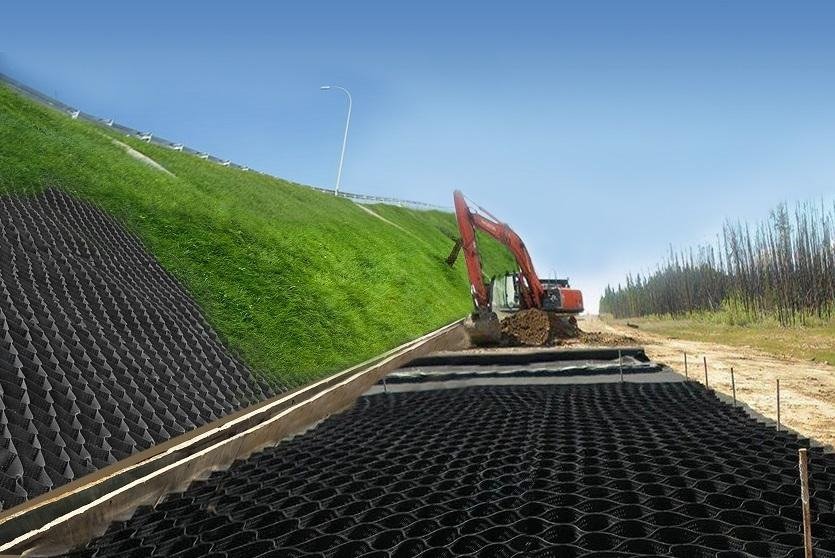
Geocell for Slope Protection: Design Factors, Applications and Installation Guide
Should HDPE or PVC be used to install geomembrane in reservoirs?
What is the price of geomembrane?
Material characteristics of three different geomembranes
Esquema de construcción de geomembrana de HDPE y medidas técnicas
hdpe geomembrane pond liner in Congo (DRC)
How to lay and weld HDPE geomembrane?
HDPE geomembrane 0.2-4.0mm
HOME ABOUT PRODUCTS APPLICATION CONTENTUS RESOURCES
Home Resources Knowledge Base Wastewater Treatment Pond Liner Systems: Single, Composite and Double Liner Options

Wastewater Treatment Pond Liner Systems: Single, Composite and Double Liner Options

time:November 27, 2026 Views:3

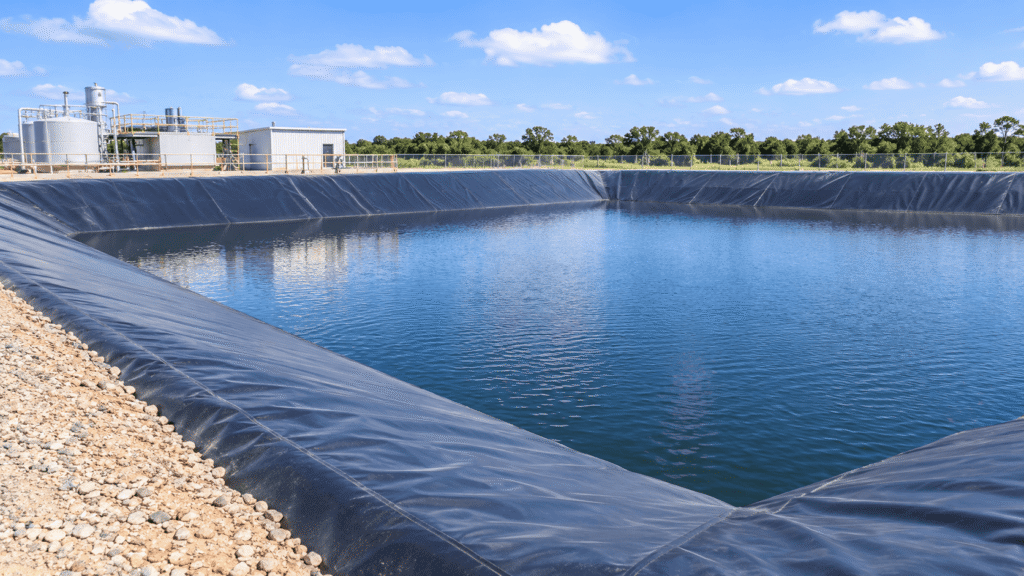
Wastewater treatment ponds and lagoons are widely used in municipal wastewater treatment, industrial wastewater management, agricultural operations and other liquid containment applications. These facilities need an appropriate lining system to control seepage and help protect surrounding soil and groundwater.

However, selecting a wastewater pond liner involves more than choosing a geomembrane thickness. The overall containment system may include an HDPE geomembrane, a geosynthetic clay liner (GCL), compacted low-permeability soil, protective geotextiles and drainage or leak detection components.

Different projects also have different environmental risks, wastewater characteristics and regulatory requirements.

This guide explains the main wastewater pond liner system configurations, compares their functions and outlines the factors engineers and project buyers should consider before selecting materials.

1. Why Do Wastewater Treatment Ponds Need a Liner System?

Wastewater may contain suspended solids, organic matter, dissolved salts, treatment chemicals and other substances. Depending on the industrial process, it may also contain compounds that require specific containment measures.

An appropriately designed liner system helps control the movement of wastewater through the pond base and side slopes.

Common applications include:

  • Municipal wastewater treatment lagoons
  • Industrial wastewater storage ponds
  • Equalization basins
  • Anaerobic and facultative lagoons
  • Sludge storage and drying ponds
  • Leachate collection and containment facilities
  • Process wastewater ponds

The required containment performance depends on the wastewater composition, site conditions, environmental sensitivity and applicable regulations.

A geomembrane can provide a low-permeability barrier, but it should not be treated as a complete solution by itself in every project. Subgrade preparation, seam quality, penetrations, drainage and construction quality control are also important.

2. Common Types of Wastewater Pond Liner Systems

Wastewater containment projects may use different liner configurations. Three common concepts are single liner systems, composite liner systems and double liner systems.

2.1 Single Geomembrane Liner System

A single liner system generally uses one geomembrane barrier installed over a prepared subgrade.

A typical configuration may include:

  • Prepared and compacted subgrade
  • Optional nonwoven geotextile protection layer
  • HDPE geomembrane
  • Optional protective or cover layer, where required by the design

HDPE geomembrane is commonly considered for wastewater containment because of its low permeability, chemical resistance and suitability for thermal welding.

Potential applications:

  • Wastewater storage ponds with relatively straightforward containment requirements
  • Equalization basins
  • Industrial water and wastewater ponds
  • Projects where a single barrier is permitted by the applicable design and regulatory framework

Key considerations:

The subgrade must be properly prepared to avoid sharp objects, abrupt changes in level and localized unsupported areas. The geomembrane must also be compatible with the wastewater and expected operating conditions.

A single geomembrane does not automatically provide leak detection. If leakage monitoring is required, additional system components may be necessary.

2.2 Composite Liner System

A composite liner system combines a geomembrane with another low-permeability barrier, commonly compacted clay or a geosynthetic clay liner (GCL).

A typical geomembrane-GCL configuration may include:

  • Prepared subgrade
  • GCL
  • HDPE geomembrane
  • Protective or drainage components, where specified

The geomembrane provides a primary low-permeability barrier, while the GCL provides an additional mineral-based barrier.

The performance of a composite system depends on the materials, their interface contact, installation conditions and the details of the complete design.

Potential applications:

  • Wastewater lagoons requiring enhanced containment
  • Industrial wastewater facilities
  • Projects where an additional low-permeability layer is specified
  • Sites where a composite barrier is required by engineering or regulatory criteria

Key considerations:

GCL selection should consider the bentonite type, carrier and cover geotextiles, hydration conditions, chemical compatibility and installation requirements.

The chemistry of the wastewater and surrounding groundwater may influence bentonite performance. Compatibility should therefore be evaluated rather than assumed.

It is also important to distinguish between two different products:

  • A geomembrane-GCL composite liner system combines separate barrier layers in a designed installation.
  • A composite geomembrane product is a factory-produced material combining a geomembrane with one or more geotextile layers.

These terms are related but do not describe the same system.

2.3 Double Liner System

A double liner system typically contains two geomembrane barriers separated by a drainage or leak detection layer.

A simplified configuration may include:

  • Prepared subgrade
  • Secondary geomembrane liner
  • Leak detection and drainage layer
  • Primary geomembrane liner
  • Protective or operational layers, as specified

The intermediate layer provides a pathway for detecting and collecting leakage from the primary liner.

This configuration can help identify potential leakage before it migrates beyond the secondary containment barrier.

Potential applications:

  • High-risk industrial wastewater containment
  • Facilities handling wastewater with potentially hazardous constituents
  • Projects with strict environmental monitoring requirements
  • Sites where regulations or engineering specifications require secondary containment

Key considerations:

A double liner system is more complex than a single liner. Its design must address drainage capacity, leak collection, monitoring points, pipe connections, construction sequencing and access for inspection.

The drainage layer must be designed to function under the expected hydraulic and mechanical conditions. Simply installing two geomembranes does not create an effective leak detection system.

3. Single vs. Composite vs. Double Liner: Comparison

System Main Configuration Main Function Important Consideration
Single liner One geomembrane barrier Controls seepage No inherent secondary leak detection
Composite liner Geomembrane + compacted clay or GCL Provides combined low-permeability barriers Material compatibility and interface contact
Double liner Two liners + intermediate drainage/leak detection layer Secondary containment and leakage monitoring More complex design and construction

There is no universally best configuration.

The appropriate system depends on the wastewater characteristics, environmental risk, groundwater conditions, regulatory requirements, site geology and project budget.

Engineers should determine the required containment configuration before the geomembrane supplier is asked to quote materials.

4. How to Select the Right Geomembrane for Wastewater Ponds

Once the overall liner configuration has been established, the geomembrane material and specifications can be evaluated.

4.1 Evaluate Wastewater Chemical Compatibility

Chemical compatibility is one of the most important considerations for industrial wastewater ponds.

Before selecting a liner, identify:

  • Main chemical constituents
  • Chemical concentrations
  • Expected operating temperature
  • pH range
  • Exposure duration
  • Potential changes in wastewater composition
  • Cleaning agents or treatment chemicals used during operation

HDPE has broad chemical resistance, but compatibility should be assessed against the actual substances and operating conditions.

For aggressive or unusual chemical exposure, request relevant compatibility information and testing from the material supplier.

Do not select a geomembrane based only on the general statement that it is chemically resistant.

4.2 Select an Appropriate Thickness

Geomembrane thickness affects mechanical properties, handling, installation and resistance to certain forms of damage.

However, thicker material is not automatically the correct choice for every project.

Thickness selection should consider:

  • Pond depth and liquid head
  • Subgrade condition
  • Installation method
  • Potential puncture and abrasion risks
  • Cover material and operating loads
  • Chemical exposure
  • Project specifications and applicable standards

For HDPE geomembranes, GRI-GM13 provides widely used material specification requirements. The applicable revision and specified thickness range should be confirmed in the project documents.

The final thickness must be established by the project designer or engineer rather than selected from a generic application table.

4.3 Smooth or Textured HDPE Geomembrane?

Smooth HDPE geomembrane is commonly considered for pond bottoms and relatively flat areas.

Textured HDPE geomembrane may be considered on slopes where additional interface friction is needed.

However, textured surfaces do not automatically guarantee slope stability.

Interface shear behavior depends on the geomembrane surface, adjacent materials, normal stress and site conditions. Where slope stability is important, project-specific interface shear testing and engineering evaluation may be required.

4.4 Consider Geotextile Protection

A nonwoven geotextile may be installed beneath or above a geomembrane where protection is required.

Its function may include cushioning the geomembrane against rough subgrade materials or protecting it from overlying aggregates and other materials.

The required geotextile should be selected according to:

  • Subgrade particle size and shape
  • Potential puncture and abrasion risks
  • Installation equipment and construction traffic
  • Overlying material and applied loads
  • Geomembrane properties
  • Project protection criteria

Geotextile weight alone does not determine puncture protection performance.

5. Site Preparation Before Geomembrane Installation

Good installation begins before the geomembrane rolls arrive at the site.

5.1 Subgrade Inspection

The pond base and side slopes should be inspected before liner deployment.

The prepared surface should be checked for:

  • Sharp stones and construction debris
  • Roots and vegetation
  • Unexpected depressions or protrusions
  • Soft or unstable areas
  • Localized settlement
  • Standing water, where it affects installation
  • Conditions that could damage or overstress the liner

Any unsuitable areas should be corrected according to the project specifications.

5.2 Anchor Trench Preparation

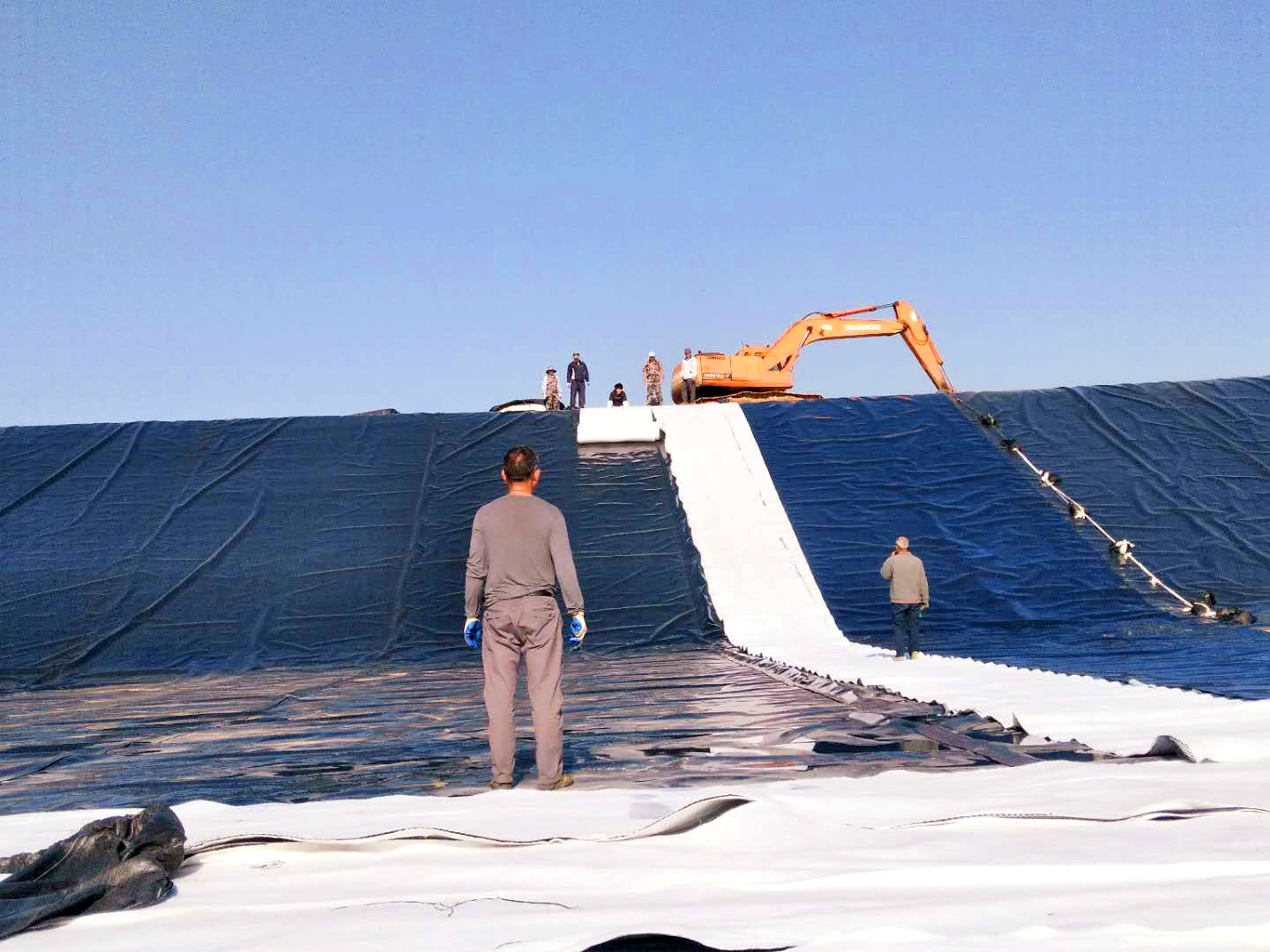
Anchor trenches are commonly used to secure geomembranes around pond perimeters.

Their dimensions, location and backfilling requirements should follow the approved design.

The liner should not be placed under excessive tension during anchoring. Construction sequencing should also allow for temperature-related movement and installation adjustments.

5.3 Pipe Penetrations and Connections

Wastewater ponds may include inlet pipes, outlet structures, overflow systems, pumps and monitoring pipes.

These details require careful coordination between the civil, mechanical and liner installation teams.

Pipe boots, prefabricated details or other approved connection methods may be used depending on the geomembrane material and project design.

Penetrations should be included in the installation drawings and quality control plan.

6. Geomembrane Welding and Quality Control

Geomembrane seams are critical parts of a containment system.

For thermoplastic geomembranes such as HDPE, field seams are commonly produced using approved thermal welding methods.

Quality control should include:

Trial seams: Welding conditions should be checked before production welding, particularly when equipment, material batches or environmental conditions change.

Visual inspection: Welded seams should be inspected for visible defects, contamination, wrinkles and inconsistent welding.

Non-destructive testing: Appropriate methods, such as air pressure testing for suitable dual-track seams or vacuum testing for applicable details, may be used according to the seam configuration and project procedures.

Destructive testing: Samples may be collected for peel and shear testing to evaluate seam strength.

ASTM D6392 is a relevant test method for evaluating non-reinforced geomembrane seams produced using thermo-fusion methods. The applicable procedure should be selected according to the material and seam type.

Testing frequency and acceptance criteria should be established in the project-specific construction quality assurance (CQA) plan.

All repairs should be documented and retested using an appropriate method.

7. Common Problems in Wastewater Pond Liner Projects

Several issues can affect the performance of a wastewater pond lining system.

Incorrect Chemical Compatibility Assessment

A liner that is suitable for ordinary water storage may not be suitable for a particular industrial wastewater stream.

Prevention: Provide the supplier and project engineer with the wastewater composition, concentration and operating temperature before material selection.

Inadequate Subgrade Preparation

Sharp objects, uneven surfaces and unstable soil can increase the risk of damage during installation or operation.

Prevention: Inspect and approve the prepared subgrade before liner deployment.

Poor Seam Quality

Inadequate welding conditions, contamination or insufficient inspection may lead to seam defects.

Prevention: Use qualified installation personnel, trial seams, appropriate testing and documented repair procedures.

Poorly Designed Pipe Connections

Inlet and outlet structures can create complex transitions and potential weak points.

Prevention: Coordinate liner details with structural and mechanical drawings before construction.

Inadequate Leak Monitoring

A double liner system without properly designed drainage and monitoring components may not provide the intended leakage detection function.

Prevention: Design the leak collection and monitoring system as an integrated part of the containment facility.

8. What Information Should Buyers Provide When Requesting a Quotation?

To obtain a technically relevant quotation for a wastewater pond liner, buyers should prepare the following information:

Information Details to Provide
Project type Municipal or industrial wastewater pond
Pond dimensions Length, width, depth and total lining area
Wastewater composition Main chemicals, concentrations and pH
Operating temperature Normal and maximum expected temperature
Liner system Single, composite or double liner
Geomembrane material HDPE or another specified material
Thickness Required thickness in mm
Surface Smooth or textured
Subgrade Soil, compacted clay, concrete or other material
Protection layer Geotextile or other specified protection
Pipe connections Inlet, outlet and penetration details
Standards Required specifications and test methods
Delivery Destination, quantity and preferred delivery schedule

Drawings, technical specifications and wastewater test reports can help the supplier understand the project more accurately.

9. Conclusion

Selecting a wastewater treatment pond liner requires consideration of the complete containment system, not just the geomembrane itself.

A single HDPE geomembrane liner may be suitable for projects with relatively straightforward containment requirements. A composite system may provide an additional low-permeability barrier, while a double liner system can incorporate a dedicated leakage collection and monitoring layer.

The final selection should be based on wastewater compatibility, site conditions, environmental risk, applicable regulations and engineering design.

Tinhy Geosynthetics supplies HDPE geomembranes, GCL and geotextile products for geosynthetic containment applications. Project-specific material selection should be confirmed against current technical data sheets and engineering requirements.

Planning a wastewater treatment pond project? Contact Tinhy Geosynthetics with your project dimensions, wastewater characteristics and liner specifications to discuss suitable material options.

Frequently Asked Questions

1. What is the best geomembrane for wastewater treatment ponds?

HDPE geomembrane is commonly considered for wastewater containment because of its low permeability, chemical resistance and weldability. The appropriate material must still be checked against the actual wastewater composition and operating conditions.

2. Is HDPE geomembrane resistant to industrial wastewater?

HDPE has broad chemical resistance, but its suitability depends on the specific chemicals, concentrations, temperature and exposure conditions. Compatibility should be evaluated for each project.

3. What is the difference between a single and double liner system?

A single liner system uses one primary barrier. A double liner system uses two barriers with an intermediate drainage or leak detection layer designed to collect and monitor leakage.

4. What is a composite liner system?

A composite liner system combines a geomembrane with another low-permeability barrier, such as compacted clay or a GCL. The design and performance depend on the materials and installation details.

5. Is a geotextile necessary beneath an HDPE wastewater pond liner?

Not in every project. A geotextile may be required where the subgrade presents puncture or abrasion risks. Its need and specifications should be determined from the site conditions and project design.

6. How thick should an HDPE wastewater pond liner be?

There is no universal thickness for all wastewater ponds. The selection depends on liquid depth, subgrade, installation conditions, mechanical loading, chemical exposure and project specifications.

7. How are HDPE geomembrane seams tested?

Depending on the seam configuration and project procedures, testing may include visual inspection, non-destructive testing and destructive peel and shear testing. ASTM D6392 is relevant to testing certain thermo-fusion seams in non-reinforced geomembranes.

8. Can a geomembrane liner prevent all wastewater leakage?

A properly designed and installed geomembrane system can provide an effective low-permeability barrier, but no material should be described as guaranteeing zero leakage under all conditions. Seam quality, penetrations, subgrade, installation and long-term maintenance all matter.


Knowledge Base
Share:
info@tinhygeosynthetics.com Bai Jinxi
Consultation

    Get The Latest Product Prices

    Your inquiries are welcomed at any time and please feel free to contact us via email, phone calls, and online chatbox on our site.

    We will definitely give you a reply ASAP after we receive your messages.

      0/180