Resources
Company News
Industry News
Knowledge Base
Project Cases
Innovation
Team Power Fuels TINHY’s Global Geosynthetics Solutions
Tinhy and University of Jinan Celebrate Six Years of Industry–University Collaboration
Empowering New Talent, Building the Future: Tinhy Successfully Conducts New Employee Orientation Training
Tinhy Conducts Comprehensive Emergency Drill to Strengthen Workplace Safety Defenses
Company Mid – Year Summary and Team – Building Activity Report
Is geomembrane a geotechnical engineering material?
What are the application scenarios of geomembrane?
What are the functions of geotextiles?
Cómo elegir geomembrana de hdpe en proyectos de ingeniería
How to choose hdpe geomembrane in engineering projects
China’s Geotechnical Construction Materials Embrace New Opportunities
Tips for Moisture-Proof Storage of Geotextiles
Key Construction Points and Precautions for High-Density Polyethylene Geomembrane
what is pond lining material ?
What is geomembrane?
HDPE geomembrane construction plans and technical measures
What quality tests do HDPE geomembranes need to do?
Tinhy’s MDS® Drainage Solution
Installation Robots
The 7 Best Non Woven Filter Fabric: Properties, Applications & Buying Guide
HDPE Liner Installation: A Step-by-Step Guide for Geomembrane Projects
The 10 Best Geotextile 200g Review: Properties, Applications & Buying Guide
The 8 Best Black Pond Liners Review: Materials, Performance & Selection Guide
How to Choose the Right HDPE Liner for Tailings Dams
The 7 Best Reservoir Liner Materials for Water Containment Projects
Top 8 HDPE Pond Liner Manufacturers in the World
Geogrid vs Geotextile: Differences, Applications & How to Choose
Filament Geotextile vs Staple Fiber Geotextile: Key Differences and Applications
The 6 Best Geomat Manufacturers in 2026: Complete Comparison Guide
Should HDPE or PVC be used to install geomembrane in reservoirs?
What is the price of geomembrane?
Material characteristics of three different geomembranes
Esquema de construcción de geomembrana de HDPE y medidas técnicas
hdpe geomembrane pond liner in Congo (DRC)
How to lay and weld HDPE geomembrane?
HDPE geomembrane 0.2-4.0mm
HOME ABOUT PRODUCTS APPLICATION CONTENTUS RESOURCES
Home Resources Knowledge Base The 7 Best Non Woven Filter Fabric: Properties, Applications & Buying Guide

The 7 Best Non Woven Filter Fabric: Properties, Applications & Buying Guide
time:September 10, 2026 Views:3

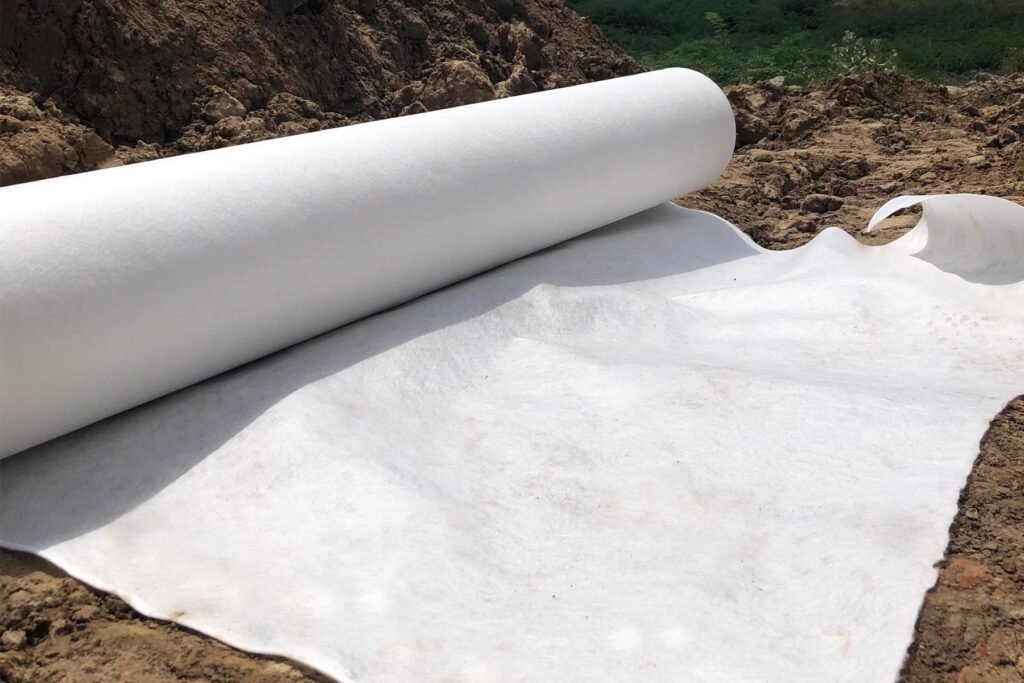
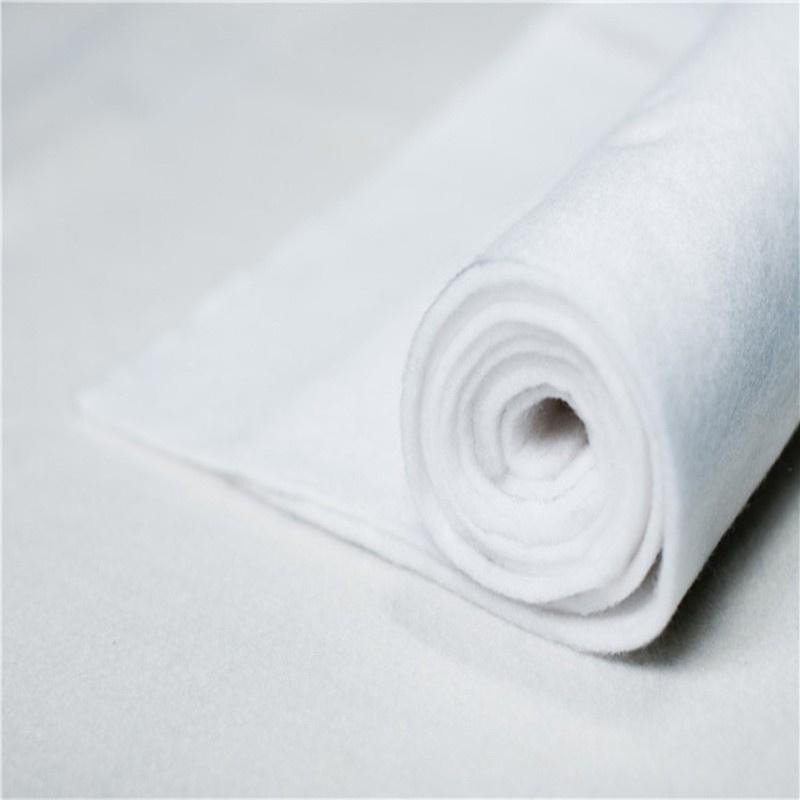
Non woven filter fabric is widely used in drainage, filtration, separation, and soil stabilization systems. Made primarily from polypropylene (PP) or polyester (PET) fibers, this permeable geotextile allows water to pass through while helping retain soil particles and prevent the migration of fines into drainage layers.

Choosing the right non woven filter fabric requires more than comparing weight in g/m². Permittivity, apparent opening size (AOS), water flow rate, tensile strength, puncture resistance, fiber type, and installation conditions all affect performance.

This guide reviews seven common non woven filter fabric options and explains how to select the right grade for drainage and filtration projects.

Table of Contents

What Is Non Woven Filter Fabric?

Non woven filter fabric is a permeable synthetic geotextile manufactured from fibers that are mechanically bonded, typically through needle punching.

Unlike woven geotextiles, which are formed by interlacing yarns, non woven geotextiles have a three-dimensional fiber structure. This structure provides interconnected flow paths for water while helping retain surrounding soil particles.

Common materials include:

  • Polypropylene (PP)
  • Polyester (PET)
  • Staple fiber
  • Continuous filament fiber
  • Needle-punched nonwoven structures

Non woven filter fabric is commonly selected for:

  • French drains
  • Subsurface drainage
  • Retaining wall drainage
  • Foundation drainage
  • Road and highway drainage
  • Landfill drainage systems
  • Geomembrane protection
  • Landscaping drainage
  • Green roof drainage
  • Sports field drainage

The appropriate product should always be selected according to the soil conditions, drainage requirements, hydraulic head, installation environment, and project specifications.

Materials and Manufacturing of Non Woven Filter Fabric

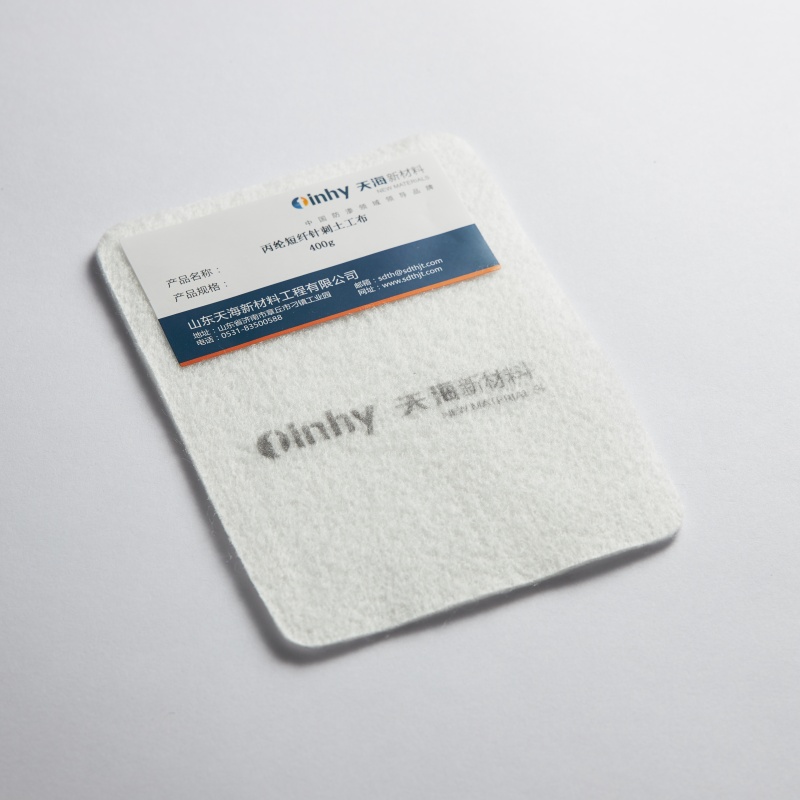
Polypropylene Non Woven Filter Fabric

PP is widely used for non woven geotextiles because it provides a useful combination of chemical resistance, durability, flexibility, and cost efficiency.

PP non woven geotextile is commonly used in drainage, filtration, separation, and protection applications.

Polyester Non Woven Filter Fabric

PET non woven geotextile can provide higher mechanical performance in certain product designs and is often considered when greater tensile or puncture resistance is required.

The choice between PP and PET should be based on the project’s technical requirements rather than material type alone.

Needle-Punched Structure

Needle punching mechanically entangles the fibers to create a stable nonwoven structure.

This structure provides:

  • High permeability
  • Multidirectional water flow
  • Soil filtration
  • Good conformability
  • Puncture resistance
  • Separation between soil and aggregate

Key Technical Specifications of Non Woven Filter Fabric

When comparing non woven filter fabric products, the following properties are particularly important.

Property Why It Matters
Mass per unit area (g/m²) Indicates the approximate weight and generally relates to thickness and mechanical capacity
Thickness Influences protection, filtration structure, and compressibility
Permittivity Indicates the ability of water to pass through the geotextile
AOS Helps determine the soil particles the fabric can retain
Water flow rate Indicates drainage capacity under specified test conditions
Grab tensile strength Measures resistance to tensile forces
CBR puncture resistance Indicates resistance to puncture during installation
Tear strength Helps evaluate resistance to tearing
UV resistance Important when the fabric is temporarily or permanently exposed
Chemical resistance Important for wastewater, landfill, mining, and industrial environments

The actual values should always be checked against the manufacturer’s technical data sheet and the project specification.

The 7 Best Non Woven Filter Fabric Options

There is no single non woven filter fabric that is the best choice for every project. Different structures and weights are better suited to different drainage and filtration conditions.

1. PP Needle-Punched Non Woven Filter Fabric – Best for General Drainage

PP needle-punched nonwoven is one of the most widely used configurations for drainage and filtration.

Its three-dimensional fiber structure allows water to move through the fabric while helping retain soil fines.

Typical uses:

  • French drains
  • Drainage trenches
  • Retaining walls
  • Foundation drainage
  • Road drainage
  • Landscaping

Why choose it:

  • Good permeability
  • Flexible structure
  • Effective filtration
  • Good installation survivability
  • Suitable for a wide range of civil projects

For many general drainage applications, a medium-weight PP nonwoven can provide a practical balance between filtration and mechanical performance.

2. PET Needle-Punched Non Woven Filter Fabric – Best for Higher Mechanical Requirements

PET non woven filter fabric can be considered where higher mechanical requirements are important.

Depending on the product design, PET geotextiles can offer strong tensile and puncture performance while maintaining filtration capability.

Typical uses:

  • Heavy-duty drainage
  • Infrastructure projects
  • Retaining wall systems
  • Foundation protection
  • Challenging soil conditions

PET should be selected based on the complete technical specification rather than simply assuming that it is always stronger or better than PP.

3. Continuous Filament Non Woven Geotextile – Best for Uniform Structure

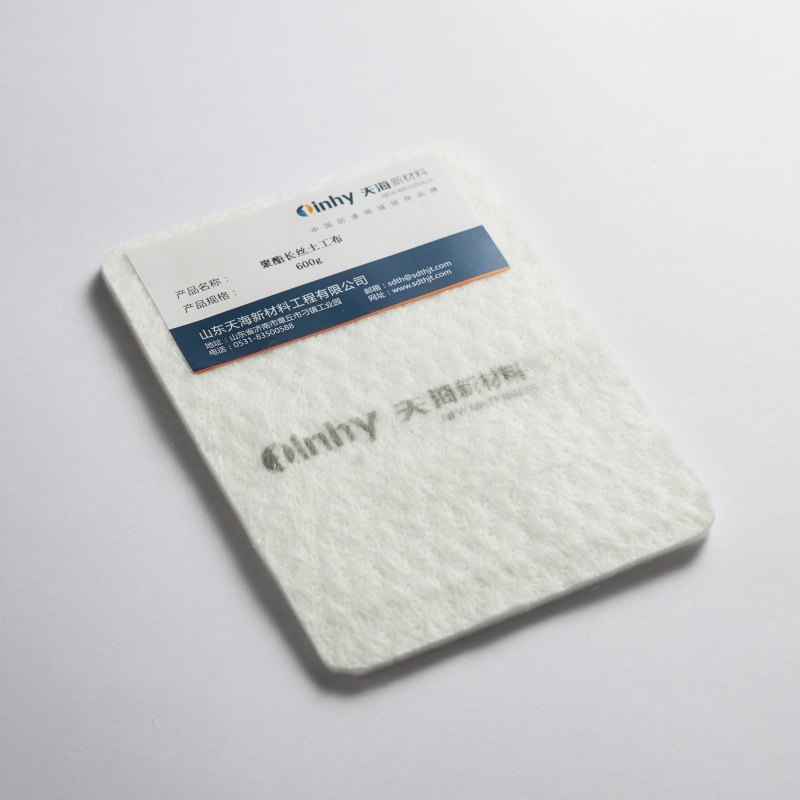
Continuous filament non woven geotextiles are manufactured using continuous fibers rather than short staple fibers.

The continuous fiber structure can provide a relatively uniform fabric structure and consistent filtration characteristics.

Typical uses:

  • Drainage layers
  • Filtration systems
  • Separation
  • Geomembrane protection
  • Civil engineering applications

This type can be particularly useful when uniformity and consistent fabric structure are important.

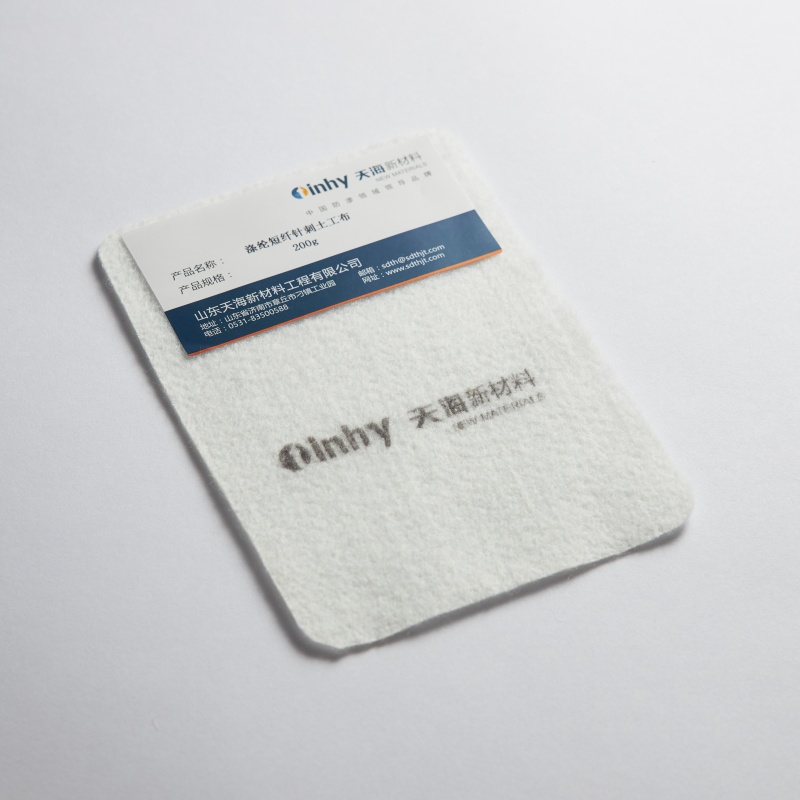
4. Tinhy Non Woven Filter Fabric – Best for Customized Project Supply

Tinhy Geosynthetics manufactures non woven geotextiles in different materials, weights, and structures for civil engineering and environmental projects.

Available configurations can include:

  • PP non woven geotextile
  • PET non woven geotextile
  • Staple fiber nonwoven
  • Filament nonwoven
  • Different weights and widths
  • Customized specifications according to project requirements

Tinhy non woven geotextiles can be used for filtration, drainage, separation, and protection systems.

For project procurement, buyers should evaluate the complete technical data sheet, including mass per unit area, thickness, tensile strength, puncture resistance, AOS, permittivity, and water flow.

This allows the fabric to be matched with the actual soil and drainage conditions rather than selecting solely by weight.

5. Heavy-Duty Non Woven Filter Fabric – Best for High Survivability

Heavy-duty non woven filter fabrics generally use higher mass per unit area and stronger fiber structures to improve installation survivability.

They can be considered where the geotextile may experience:

  • Coarse aggregate
  • Irregular subgrade
  • High installation stress
  • Heavy backfill
  • Greater puncture risk

A heavier fabric is not automatically the best filtration solution. Hydraulic properties and soil compatibility must also be considered.

6. Lightweight Non Woven Filter Fabric – Best for Landscaping and Light Drainage

Lightweight non woven geotextiles can be suitable for applications where installation loads are relatively low and high mechanical strength is not the primary requirement.

Typical applications include:

  • Landscaping
  • Garden drainage
  • Green roofs
  • Light drainage trenches
  • Decorative water features
  • Soil separation

The lower weight can make transportation and installation easier, but the fabric must still meet the project’s filtration requirements.

7. Geomembrane Protection Non Woven Geotextile – Best for Liner Systems

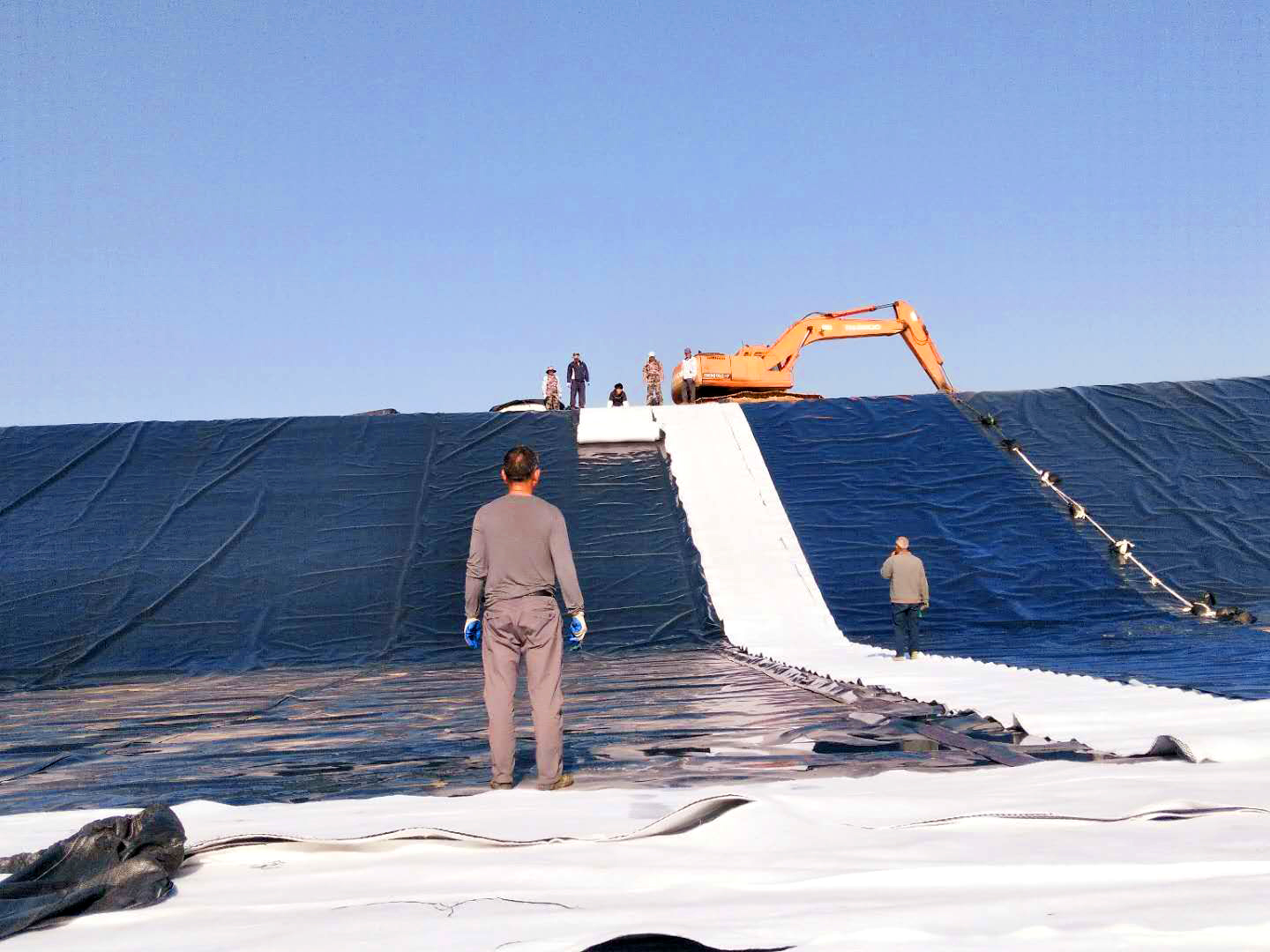
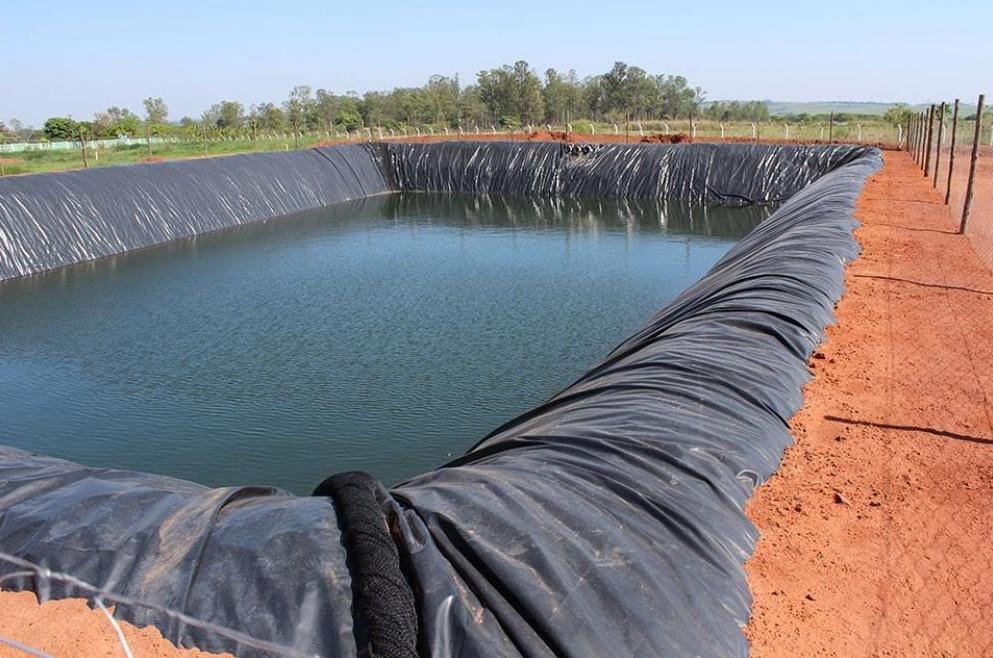
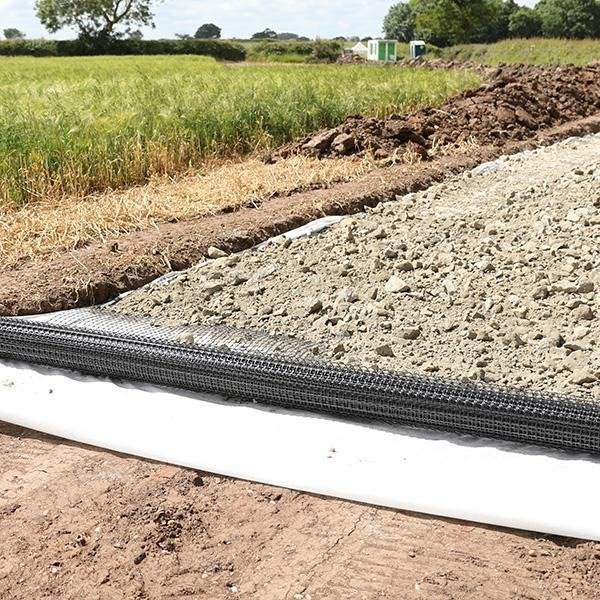
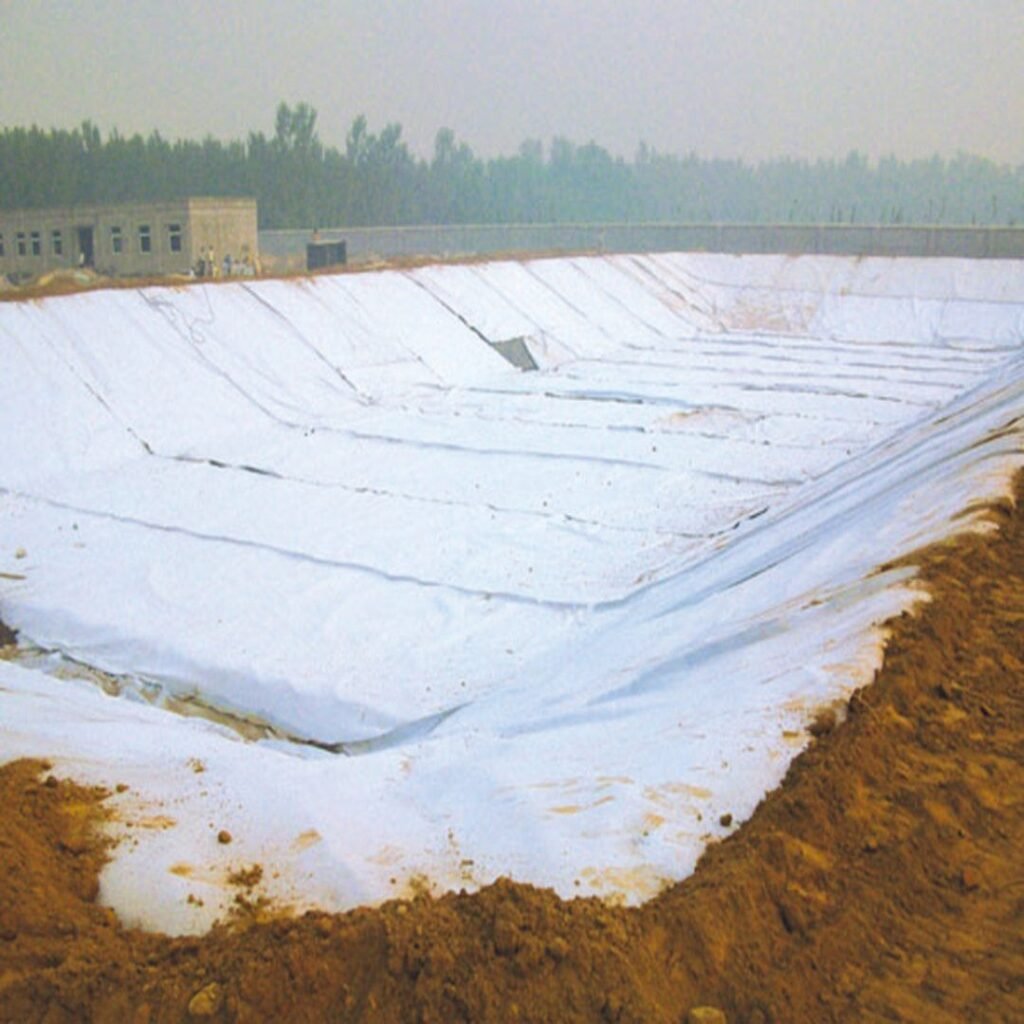
Non woven geotextile is often installed beneath or above geomembrane liners to provide a protective layer.

The geotextile can help reduce the risk of puncture or localized damage caused by stones, rough subgrades, or other irregular surfaces.

Typical systems may include:

Soil → Non Woven Geotextile → HDPE Geomembrane

or, depending on the design:

Soil → Geotextile → HDPE Geomembrane → Geotextile → Protective/Cover Layer

The required geotextile weight and mechanical properties should be determined by the geomembrane thickness, subgrade condition, loading, and project design.

Non Woven Filter Fabric Comparison

Type Main Advantage Typical Use
PP needle-punched Balanced filtration and durability General drainage
PET nonwoven High mechanical performance in suitable grades Heavy-duty projects
Continuous filament Uniform fiber structure Drainage and filtration
Tinhy nonwoven Multiple configurations and project customization Civil and environmental projects
Heavy-duty nonwoven Higher installation survivability Coarse aggregate and demanding sites
Lightweight nonwoven Easy handling Landscaping and light drainage
Protection nonwoven Helps protect geomembranes Liner and containment systems

What Weight of Non Woven Filter Fabric Should You Choose?

Non woven filter fabric is commonly supplied in different weights, often expressed as grams per square meter (g/m²).

For example:

Weight General Characteristics Typical Considerations
100–150 g/m² Lightweight Landscaping and light-duty drainage
150–200 g/m² Medium-weight General drainage and filtration
200–300 g/m² Heavier-duty Road drainage, retaining walls, protection
300+ g/m² Heavy-duty Higher installation and mechanical demands

These ranges are general guidance rather than universal design rules.

A 200 g/m² geotextile is not necessarily better than a 150 g/m² product simply because it is heavier. Similarly, a 300 g/m² product may not be necessary for a low-load drainage application.

The correct selection depends on:

  1. Soil gradation
  2. Required filtration
  3. Hydraulic conditions
  4. Aggregate size
  5. Installation stresses
  6. Puncture requirements
  7. Drainage design
  8. Project specifications

Non Woven Filter Fabric vs Woven Geotextile

One of the most common questions is whether non woven or woven geotextile should be used for filtration.

Feature Non Woven Geotextile Woven Geotextile
Structure Random/entangled fibers Interlaced yarns
Filtration Excellent for many drainage applications Depends strongly on opening size
Water flow Generally high through thickness Often directional
Conformability High Generally lower
Puncture resistance Good depending on grade Good to high depending on grade
Separation Suitable Suitable
Typical drainage use Very common Application dependent
Stabilization Application dependent Often preferred in some stabilization designs

For soil filtration and drainage, needle-punched non woven geotextile is commonly considered because of its permeable three-dimensional structure.

For reinforcement and stabilization, woven geotextiles may be more appropriate in some designs.

The final choice should be based on engineering requirements rather than the fabric type alone.

How Non Woven Filter Fabric Works in a Drainage System

A typical drainage system may contain several components:

Native Soil → Non Woven Filter Fabric → Drainage Aggregate → Perforated Pipe

The geotextile performs a filtration and separation function.

Water can move toward the drainage pipe while the fabric helps prevent surrounding soil particles from migrating into the aggregate and blocking the drainage structure.

Correct installation is important. The fabric should be properly overlapped or joined according to project requirements, and excessive stretching, tearing, folding, or contamination with soil should be avoided.

Non Woven Filter Fabric Applications

French Drains

Non woven geotextile is commonly used to separate soil from drainage aggregate around perforated pipes.

It helps reduce the migration of soil fines into the drainage layer.

Retaining Wall Drainage

Behind retaining walls, non woven filter fabric can be used between soil/backfill and drainage aggregate.

This helps maintain the designed drainage pathway and reduce the movement of fine soil particles.

Foundation Drainage

Non woven filter fabric can be incorporated into foundation drainage systems to separate surrounding soil from drainage media.

Road Drainage

In road and highway projects, geotextiles may be used in drainage layers and other separation systems.

The fabric selection should account for soil type, hydraulic conditions, construction loads, and aggregate characteristics.

Landfill and Environmental Projects

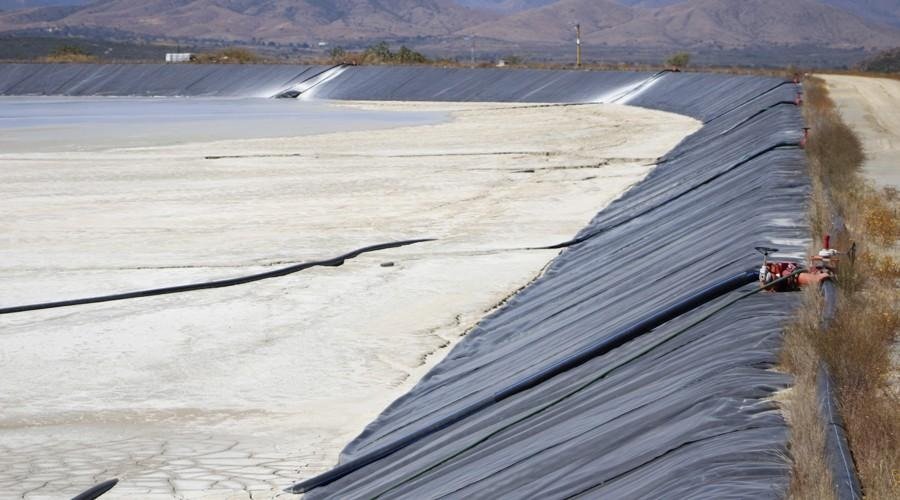
Non woven geotextiles can be used as filtration or protection components in engineered environmental systems.

For landfill drainage, the geotextile must be selected based on the drainage layer, leachate characteristics, loading, and overall liner system design.

Geomembrane Protection

A non woven geotextile can protect geomembranes from damage caused by stones and irregular surfaces.

This is especially relevant for HDPE geomembrane containment systems.

How to Select Non Woven Filter Fabric

Before purchasing non woven filter fabric, check the following parameters.

1. Determine the Soil Conditions

The soil’s particle-size distribution is important when selecting AOS and filtration characteristics.

A fabric that works well with coarse soil may not be suitable for very fine soils.

2. Check Hydraulic Requirements

Review:

  • Permittivity
  • Water flow rate
  • Hydraulic head
  • Expected drainage volume

The fabric should provide adequate flow without becoming a hydraulic bottleneck.

3. Check Filtration Requirements

AOS and soil gradation should be evaluated together.

The objective is to allow water through while limiting excessive migration of soil particles.

4. Evaluate Installation Conditions

Consider:

  • Aggregate size
  • Subgrade condition
  • Construction equipment
  • Backfill height
  • Expected puncture risk

Higher installation stress may require a stronger geotextile.

5. Select the Appropriate Weight

Choose the mass per unit area based on performance requirements, not simply because a heavier fabric appears stronger.

6. Review the Technical Data Sheet

Before placing an order, request the manufacturer’s TDS and verify the required properties and test methods.

Common Mistakes When Choosing Non Woven Filter Fabric

Choosing Only by GSM

A higher GSM does not automatically mean better filtration.

Hydraulic and filtration properties should be evaluated together with mechanical performance.

Ignoring AOS

AOS is an important parameter when soil retention is critical.

Selecting a Fabric Without Considering Soil

Different soils require different filtration characteristics.

Using the Same Grade for Every Project

Drainage trenches, road drainage, retaining walls, and geomembrane protection can have very different requirements.

Ignoring Installation Damage

Even a high-performance geotextile can be damaged during installation if exposed to sharp aggregate, excessive equipment traffic, or an unsuitable subgrade.

Why Choose Tinhy Non Woven Geotextile?

Tinhy Geosynthetics supplies a range of geosynthetic products, including non woven geotextiles and geomembranes, for civil engineering and environmental applications.

The product range can be configured according to material, weight, structure, width, and project requirements.

For buyers evaluating non woven filter fabric, Tinhy can provide technical product information to help compare:

  • PP vs PET
  • Different GSM grades
  • Filament vs staple fiber
  • Tensile strength
  • Puncture resistance
  • AOS
  • Permittivity
  • Water flow rate

For large projects, the best approach is to provide the soil conditions, drainage design, required specifications, and expected quantity so the appropriate geotextile grade can be evaluated.

Non Woven Filter Fabric Buying Checklist

Before ordering, confirm:

☐ Material: PP or PET
☐ Manufacturing type: needle-punched nonwoven
☐ Mass per unit area
☐ Thickness
☐ Grab tensile strength
☐ CBR puncture resistance
☐ Tear strength
☐ AOS
☐ Permittivity
☐ Water flow rate
☐ UV resistance if exposed
☐ Chemical resistance if required
☐ Roll width and length
☐ Required certifications or test reports
☐ Project-specific specifications

Frequently Asked Questions

What is non woven filter fabric?

Non woven filter fabric is a permeable synthetic geotextile, usually made from PP or PET fibers, designed to allow water to pass through while helping retain soil particles.

What is non woven filter fabric used for?

It is commonly used for drainage, filtration, separation, retaining wall drainage, foundation drainage, road drainage, landfill systems, landscaping, and geomembrane protection.

Is PP or PET better for non woven filter fabric?

Neither material is universally better. PP and PET have different characteristics, and the selection should be based on the required mechanical, hydraulic, chemical, and environmental performance.

What GSM is best for non woven filter fabric?

There is no single best GSM. Lightweight grades may be suitable for landscaping and light drainage, while heavier grades may be required for road drainage, retaining walls, or geomembrane protection.

Is 200g non woven geotextile good for drainage?

A 200 g/m² non woven geotextile can be suitable for many drainage applications, but the actual selection should also consider AOS, permittivity, water flow, tensile strength, puncture resistance, and soil conditions.

Can non woven geotextile be used with HDPE geomembrane?

Yes. Non woven geotextile is commonly used as a protective layer in HDPE geomembrane systems, subject to the project design and required protection performance.

What is the difference between woven and non woven filter fabric?

Non woven geotextiles are generally preferred for many filtration and drainage applications because their three-dimensional fiber structure provides multiple flow paths. Woven geotextiles may be more suitable for certain separation, stabilization, and reinforcement applications.

How do I choose a non woven filter fabric supplier?

Compare the supplier’s material options, technical specifications, quality-control procedures, testing capability, production capacity, certifications, roll dimensions, customization options, and experience with similar projects.

Conclusion

Non woven filter fabric is an important component in modern drainage and filtration systems. Its ability to combine water permeability, soil filtration, separation, and installation flexibility makes it suitable for a wide range of civil engineering and environmental applications.

The best product is not necessarily the heaviest or most expensive fabric. A successful selection should balance filtration, hydraulic performance, mechanical strength, puncture resistance, durability, and installation conditions.

For project-specific requirements, compare the complete technical data sheet rather than selecting a geotextile based only on GSM.

Tinhy Geosynthetics provides PP and PET non woven geotextile options for drainage, filtration, separation, protection, and other geosynthetic applications. Contact Tinhy with your required specification, application, quantity, and project conditions for product recommendations and technical information.

Knowledge Base
Share:
info@tinhygeosynthetics.com Bai Jinxi
Consultation

    Get The Latest Product Prices

    Your inquiries are welcomed at any time and please feel free to contact us via email, phone calls, and online chatbox on our site.

    We will definitely give you a reply ASAP after we receive your messages.

      0/180