Resources
Company News
Industry News
Knowledge Base
Project Cases
Innovation
Team Power Fuels TINHY’s Global Geosynthetics Solutions
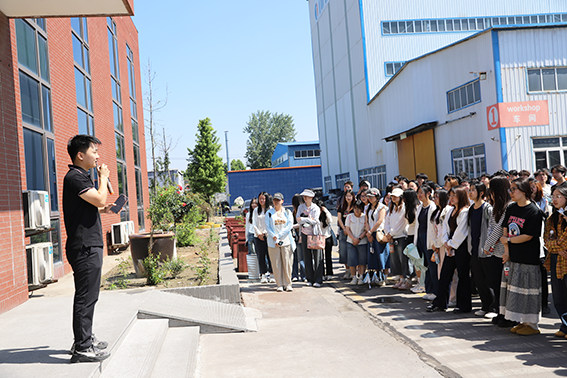
Tinhy and University of Jinan Celebrate Six Years of Industry–University Collaboration
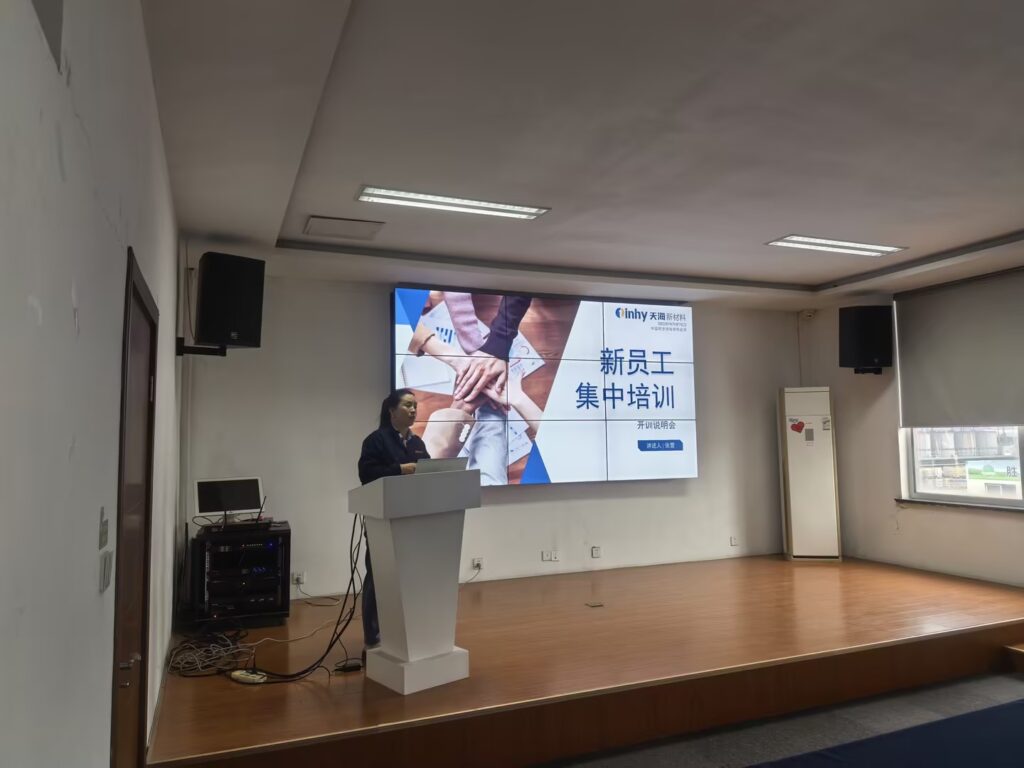
Empowering New Talent, Building the Future: Tinhy Successfully Conducts New Employee Orientation Training
Tinhy Conducts Comprehensive Emergency Drill to Strengthen Workplace Safety Defenses
Company Mid – Year Summary and Team – Building Activity Report
Is geomembrane a geotechnical engineering material?
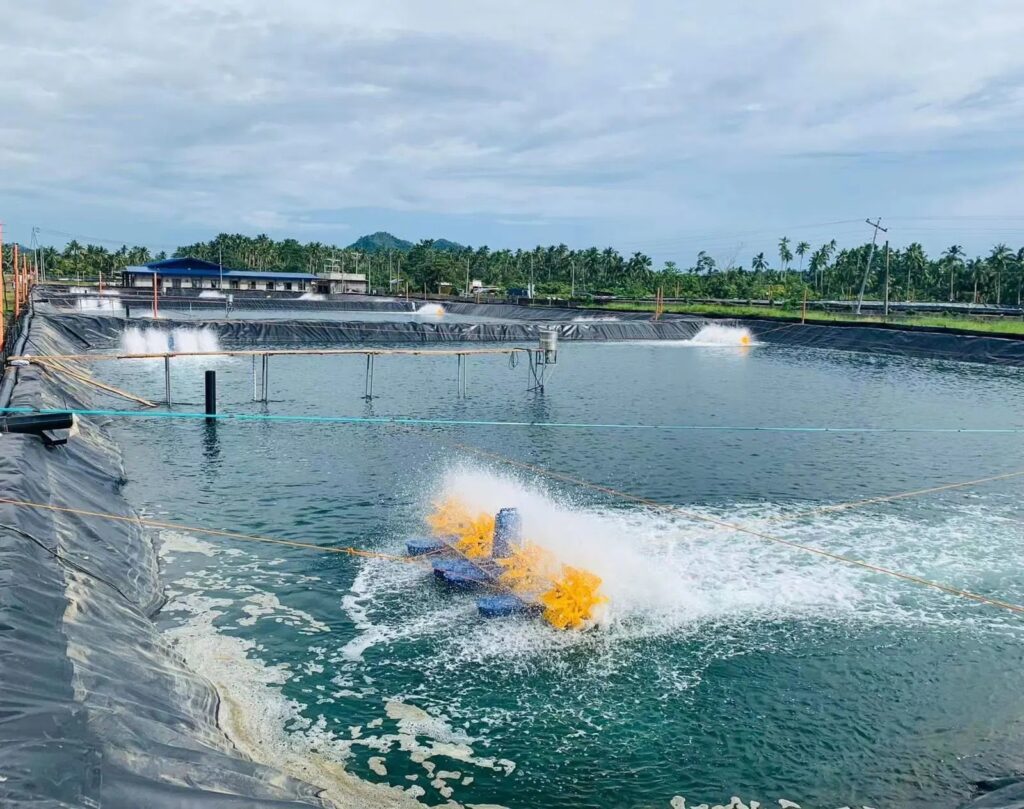
What are the application scenarios of geomembrane?
What are the functions of geotextiles?
Cómo elegir geomembrana de hdpe en proyectos de ingeniería
How to choose hdpe geomembrane in engineering projects
China’s Geotechnical Construction Materials Embrace New Opportunities
Tips for Moisture-Proof Storage of Geotextiles
Key Construction Points and Precautions for High-Density Polyethylene Geomembrane
what is pond lining material ?
What is geomembrane?
HDPE geomembrane construction plans and technical measures
What quality tests do HDPE geomembranes need to do?
Tinhy’s MDS® Drainage Solution
Installation Robots
Woven Geotextile Fabric Price: Cost Guide & Buying Factors
The 10 Best Film Geotextiles Review: Types, Specifications & Buying Guide
The 10 Best 500 Micron Geomembrane Options: Properties, Applications & Buying Guide
The 10 Best Film Geotextiles Review: Types, Performance & Buying Guide
Geotextile Installation: Step-by-Step Guide for Construction Projects
The 7 Best Non Woven Filter Fabric: Properties, Applications & Buying Guide
HDPE Liner Installation: A Step-by-Step Guide for Geomembrane Projects
The 10 Best Geotextile 200g Review: Properties, Applications & Buying Guide
The 8 Best Black Pond Liners Review: Materials, Performance & Selection Guide
How to Choose the Right HDPE Liner for Tailings Dams
Should HDPE or PVC be used to install geomembrane in reservoirs?
What is the price of geomembrane?
Material characteristics of three different geomembranes
Esquema de construcción de geomembrana de HDPE y medidas técnicas
hdpe geomembrane pond liner in Congo (DRC)
How to lay and weld HDPE geomembrane?
HDPE geomembrane 0.2-4.0mm
HOME ABOUT PRODUCTS APPLICATION CONTENTUS RESOURCES
Home Resources Knowledge Base Woven Geotextile Fabric Price: Cost Guide & Buying Factors

Woven Geotextile Fabric Price: Cost Guide & Buying Factors
time:September 17, 2026 Views:9

Woven geotextile fabric is widely used in road construction, soil stabilization, mining, landfills, coastal engineering, drainage systems, and other civil engineering projects. Manufactured by interlacing polymer yarns, woven geotextiles provide high tensile strength, dimensional stability, and resistance to separation.

One of the most common questions from international buyers is: How much is woven geotextile fabric?

The answer depends on several factors, including raw material, tensile strength, fabric weight, specifications, roll size, production technology, order quantity, and shipping destination.

As a general international market reference, standard woven geotextile fabric may range from approximately US$0.20 to US$1.50 per square meter, while specialized high-strength products can cost more.

However, price per square meter is only one part of the total project cost. Buyers should also consider product performance, transportation, installation requirements, and expected service life when comparing suppliers.

What Is Woven Geotextile Fabric?

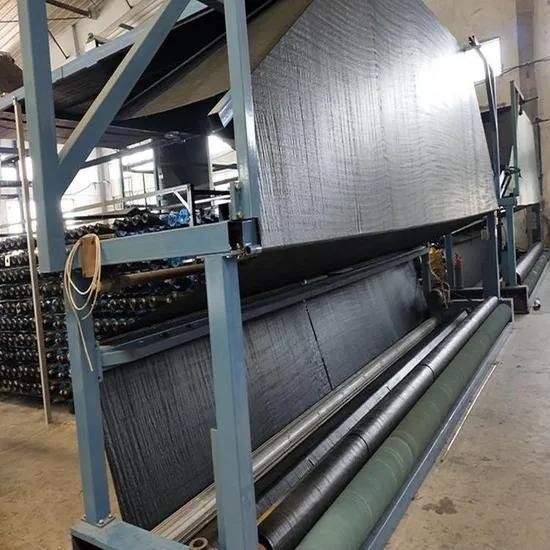
Woven geotextile is a geosynthetic material produced by interlacing polymer yarns in a controlled pattern. Polypropylene (PP) is widely used because of its combination of strength, chemical resistance, and durability.

Compared with nonwoven geotextiles, woven products generally offer higher tensile strength and lower elongation, making them suitable when separation, stabilization, and reinforcement are important engineering requirements.

Common woven geotextile specifications can vary according to:

  • Fabric weight
  • Tensile strength
  • Elongation
  • Opening size
  • Width
  • Roll length
  • Polymer type
  • Surface structure

The appropriate specification should always be selected according to the engineering design and project requirements.

What Determines Woven Geotextile Fabric Price?

Woven geotextile fabric price is not fixed. Different specifications require different amounts of polymer, yarn, production time, packaging, and transportation.

1. Raw Material

Raw material is one of the main factors affecting woven geotextile price.

Most woven geotextiles are manufactured from polypropylene (PP) or other suitable polymer materials. Virgin polymer can provide more consistent mechanical properties and production quality.

When comparing quotations, buyers should confirm the material composition and quality requirements instead of comparing prices alone.

2. Tensile Strength

Tensile strength is one of the most important specifications for woven geotextiles.

A relatively low-strength product may be suitable for basic separation requirements, while high-strength woven geotextiles are designed for demanding reinforcement and stabilization conditions.

For example, a 20 kN/m woven geotextile will generally have a different production cost from a 100 kN/m or 200 kN/m product.

Choosing the correct tensile strength can also help control the overall project budget. An unnecessarily high-strength material may increase material costs, while an underspecified product may not meet engineering requirements.

3. Fabric Weight and Specifications

Fabric weight, usually expressed in g/m² (GSM), is another important factor.

In general, heavier woven geotextiles require more polymer and stronger yarns, which can increase the price per square meter.

However, GSM should not be considered separately from tensile strength and other technical properties. Two products with similar weight may have different performance characteristics depending on their manufacturing technology and yarn structure.

4. Roll Width and Dimensions

Roll dimensions also influence the final quotation.

Common factors include:

  • Roll width
  • Roll length
  • Number of rolls
  • Packaging method
  • Container loading efficiency

For large international orders, optimizing roll dimensions and container utilization can help reduce transportation costs per square meter.

5. Order Quantity

Order volume can have a significant effect on woven geotextile fabric price.

Large-volume orders may benefit from more efficient production planning, packaging, and container loading. Smaller orders may have relatively higher costs because of production setup, packaging, and logistics.

For this reason, suppliers normally request the required quantity before preparing a formal quotation.

6. Shipping and Delivery Terms

For international projects, the factory price is only part of the purchasing cost.

The final delivered cost may include:

  • Product price
  • Packaging
  • Ocean freight
  • Port charges
  • Customs-related costs
  • Inland transportation
  • Insurance, depending on the trade term

Buyers should therefore compare suppliers based on the total delivered cost, not only the FOB price.

Average Woven Geotextile Fabric Price

As a general market reference, standard woven geotextile products may be priced at approximately:

US$0.20–US$1.50 per square meter

This is only a broad reference range rather than a fixed market price. Actual quotations can vary significantly according to tensile strength, GSM, raw material, width, order quantity, production requirements, and delivery destination.

High-strength or customized woven geotextiles may have a higher price per square meter because they require different yarn structures, production parameters, or quality requirements.

For an accurate quotation, a professional manufacturer will normally request the following information:

  • Required tensile strength
  • Fabric weight
  • Width
  • Quantity
  • Product specification
  • Application or engineering requirement
  • Destination port

Woven Geotextile vs. Nonwoven Geotextile

Woven and nonwoven geotextiles have different structures and engineering characteristics.

Feature Woven Geotextile Nonwoven Geotextile
Manufacturing Interlaced yarns Entangled or bonded fibers
Tensile strength Generally high Generally moderate to high
Elongation Generally lower Generally higher
Main functions Separation, stabilization, reinforcement Filtration, drainage, protection
Structure Regular woven pattern Random fiber structure
Typical selection factor Strength and load distribution Filtration and water flow

Woven geotextiles are often selected when high tensile strength and dimensional stability are important.

Nonwoven geotextiles are commonly considered when filtration, drainage, cushioning, or protection is the primary engineering requirement.

Therefore, buyers should not select between woven and nonwoven geotextiles based only on price. The correct product depends on the required engineering function.

Main Applications of Woven Geotextile Fabric

Road Construction

Woven geotextiles can separate aggregate from weak subgrade soil and help improve the stability of road structures.

They can reduce the mixing of aggregate and soil while helping distribute loads across the subgrade.

Soil Stabilization

Woven geotextiles can be used in soil stabilization and reinforcement systems where tensile strength and load distribution are important.

They may be incorporated into embankments, slopes, working platforms, and other structures requiring additional geosynthetic reinforcement.

Mining Projects

Mining infrastructure often requires durable geosynthetic materials for areas such as haul roads, working platforms, stockpile areas, and other engineered structures.

High-strength woven geotextiles can provide separation and reinforcement where conventional soil conditions are challenging.

Landfills and Environmental Engineering

Woven geotextiles can form part of composite geosynthetic systems for separation, reinforcement, and protection.

The selected material should be compatible with the other components of the system and meet the project’s mechanical requirements.

Coastal and Hydraulic Engineering

Woven geotextiles can be used in riverbank stabilization, coastal engineering, erosion-control structures, and hydraulic construction.

Their high tensile strength and resistance to installation stresses make them suitable for projects where mechanical stability is important.

PP Woven Geotextile Price

PP woven geotextile is one of the commonly used woven geotextile options in civil engineering.

The price of PP woven geotextile depends on the required tensile strength, GSM, yarn structure, width, roll size, order quantity, and delivery conditions.

When requesting a PP woven geotextile quotation, buyers should provide technical specifications rather than simply asking for the lowest price.

A supplier can then recommend a suitable product according to the required performance and project conditions.

How to Choose a Reliable Woven Geotextile Supplier

Price is important, but it should not be the only factor when selecting a supplier.

A reliable woven geotextile manufacturer should be able to provide:

Consistent Product Quality

Large projects require stable product performance between production batches. Consistent tensile strength, weight, dimensions, and appearance are important for quality control.

Suitable Production Capability

The supplier should have sufficient production capacity to meet the required quantity and delivery schedule.

Quality Control

Buyers should check whether the manufacturer has appropriate quality-control procedures and testing capabilities for raw materials and finished products.

Customization

For projects with special requirements, the manufacturer should be able to discuss customized widths, roll sizes, tensile strengths, packaging, and other specifications where available.

Export Experience

For international projects, experience with export packaging, container loading, shipping documents, and delivery terms can help make the purchasing process more efficient.

How to Reduce Woven Geotextile Purchasing Costs

There are several practical ways to control the total purchasing cost.

First, define the engineering requirements clearly.

Know the required tensile strength, GSM, width, quantity, and other specifications before requesting quotations. This helps prevent unnecessary over-specification.

Second, compare suppliers using the same specifications.

A quotation for a 20 kN/m product should not be directly compared with a quotation for a 100 kN/m product.

Third, consider larger-volume purchasing where practical.

Factory-direct orders and efficient container loading can reduce packaging and transportation costs per square meter.

Fourth, evaluate total delivered cost.

Compare product price together with freight, packaging, port charges, and inland transportation.

Finally, communicate directly with the manufacturer.

Direct communication can make it easier to confirm specifications, discuss customization, arrange testing, and optimize packaging.

What Information Is Needed for a Woven Geotextile Quotation?

To receive an accurate woven geotextile fabric price, buyers should provide as much of the following information as possible:

  1. Tensile strength: e.g. 20, 40, 60, 100 kN/m
  2. Fabric weight: GSM
  3. Width: required roll width
  4. Quantity: m² or number of rolls
  5. Application: road, mining, stabilization, etc.
  6. Destination: port or country
  7. Packaging requirements: if applicable
  8. Required delivery schedule: if applicable

With these details, a manufacturer can calculate a more accurate product and shipping quotation.

Frequently Asked Questions

How much does woven geotextile fabric cost?

As a broad international market reference, standard woven geotextile fabric may range from approximately US$0.20 to US$1.50 per square meter. Actual prices depend on specifications, raw material, quantity, and delivery terms.

What is the price of woven geotextile per square meter?

The price can vary considerably. Tensile strength, GSM, polymer quality, roll dimensions, order quantity, and shipping destination all affect the final price.

Is woven geotextile more expensive than nonwoven geotextile?

There is no single price difference because woven and nonwoven products can have very different specifications and engineering functions. The correct comparison should be based on equivalent performance requirements.

What is the price of PP woven geotextile?

PP woven geotextile prices depend mainly on tensile strength, fabric weight, width, quantity, and delivery terms. A supplier needs the required specifications to provide an accurate quotation.

How can I get a woven geotextile quotation?

Provide the required tensile strength, GSM, width, quantity, application, and destination port. A manufacturer can then recommend a suitable specification and calculate the project price.

Get a Woven Geotextile Fabric Price from Tinhy

Tinhy Geosynthetics manufactures and supplies geosynthetic products for international civil engineering and infrastructure projects.

For woven geotextile requirements, buyers can provide the required tensile strength, fabric weight, width, quantity, application, and destination port.

Our team can review the project requirements, recommend a suitable specification, and provide a quotation based on the required product and delivery terms.

Request a Woven Geotextile Fabric Quotation Today

Knowledge Base
Share:
info@tinhygeosynthetics.com Bai Jinxi
Consultation

    Get The Latest Product Prices

    Your inquiries are welcomed at any time and please feel free to contact us via email, phone calls, and online chatbox on our site.

    We will definitely give you a reply ASAP after we receive your messages.

      0/180